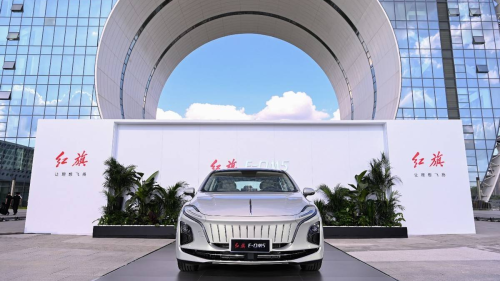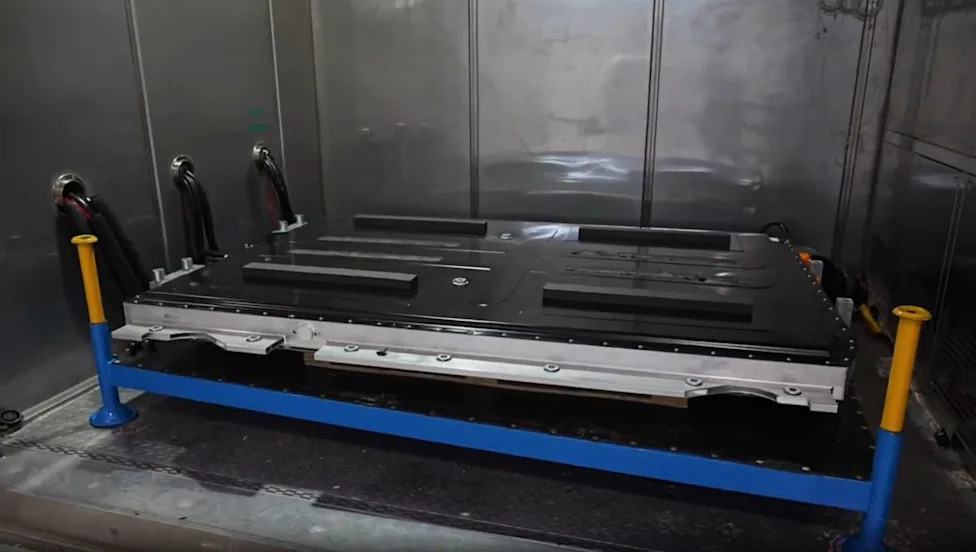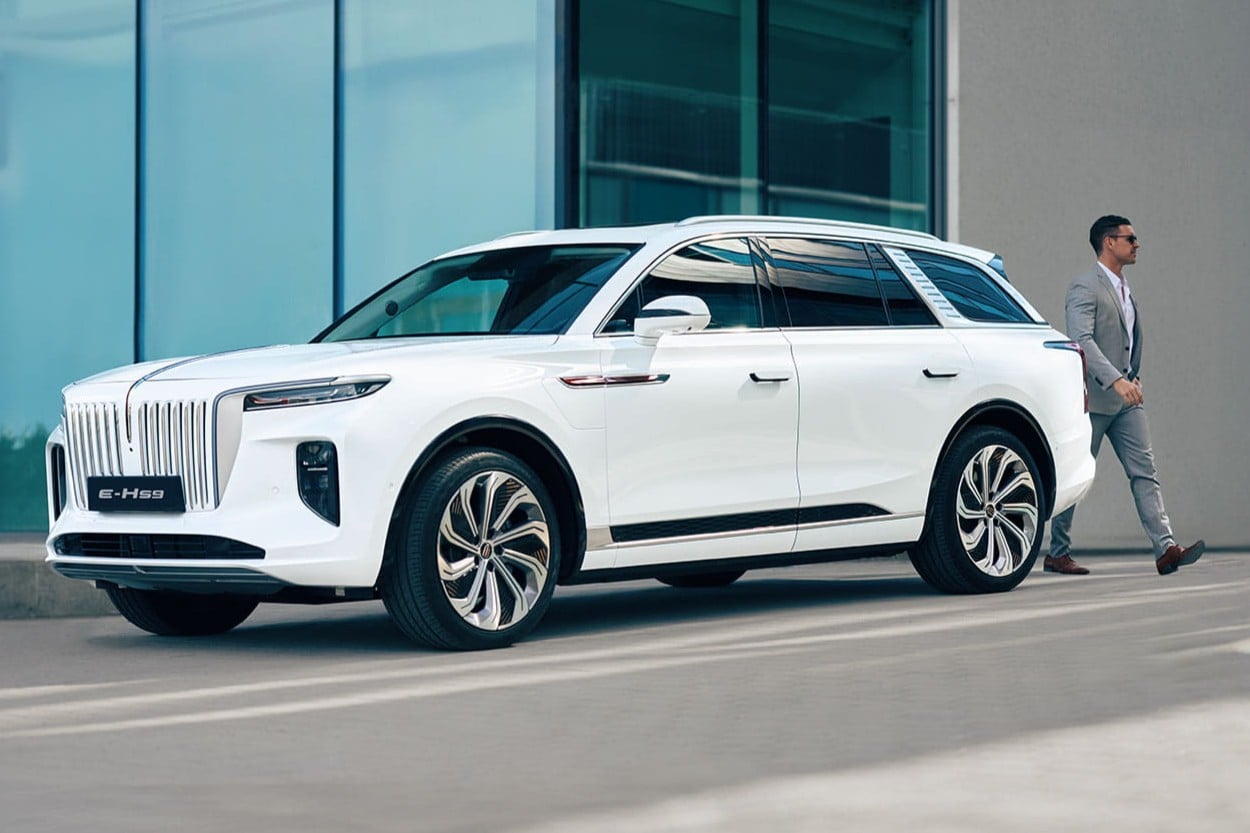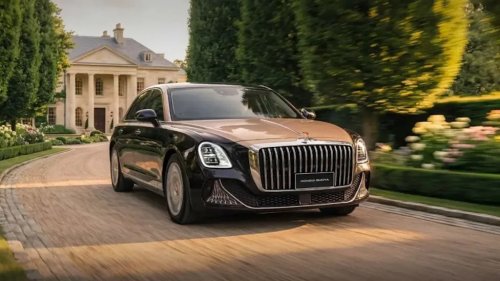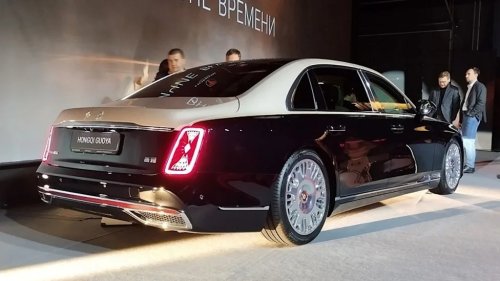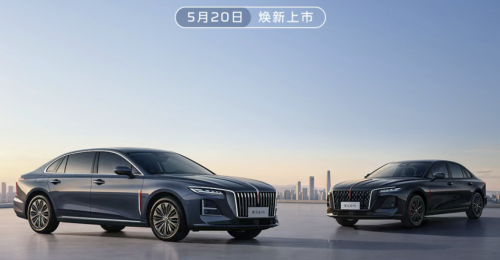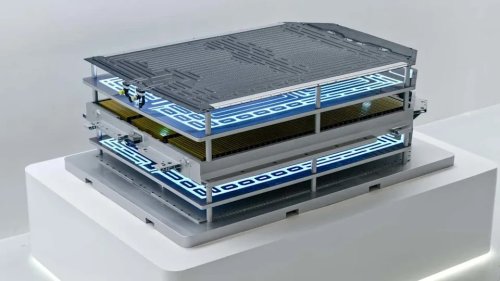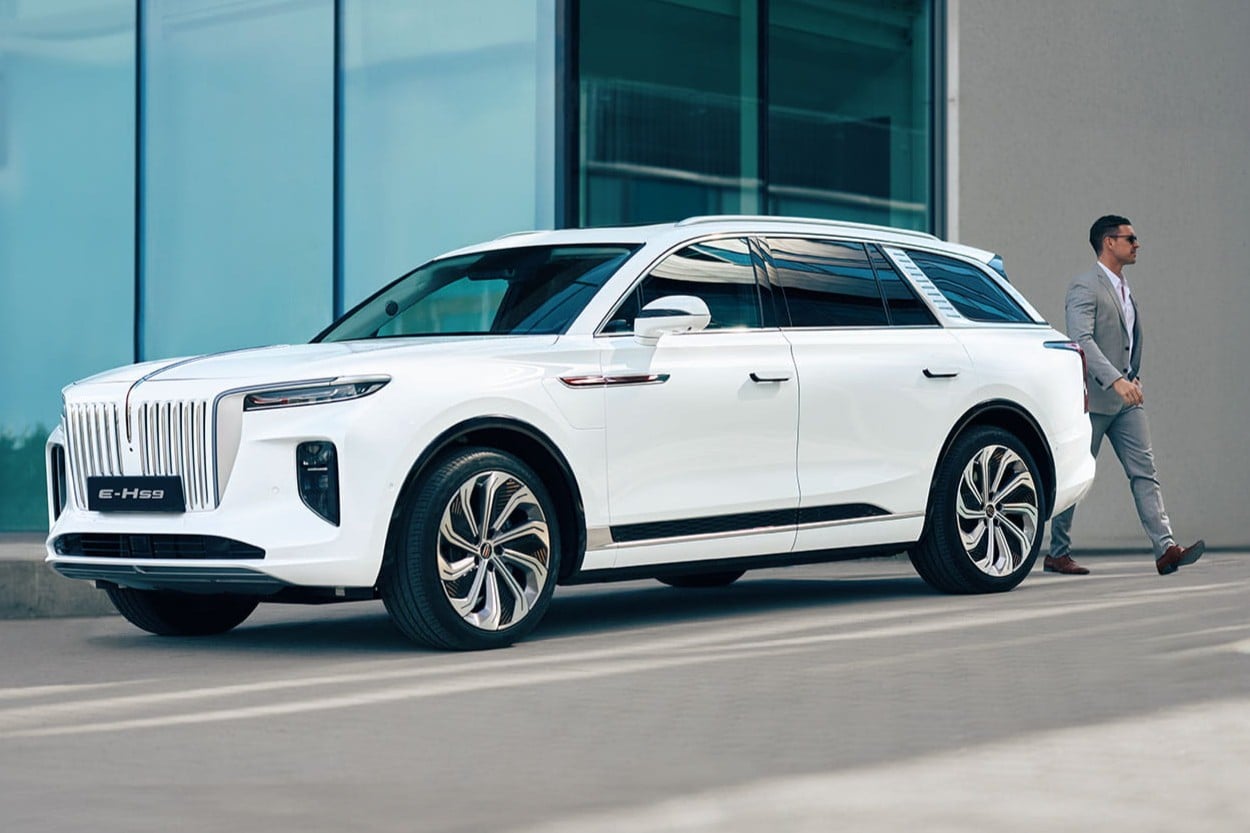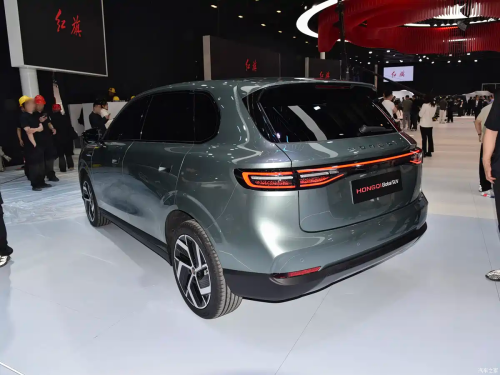



















Photo Credit: iStockA new battery claim from China's Hongqi suggests one of the biggest complaints about electric vehicles may be shrinking fast: charging time.Discussing the claim on YouTube, Sam Evans of The Electric Viking (@electricviking) said Hongqi is reporting a 10%-to-70% charge in 3:41 — a figure he stressed was entirely real, assuming it proves out beyond company testing.What happened?FAW Group's state-owned Hongqi brand says its newest EV battery went from 10% to 70% in 3:41 during testing and from 10% to 97% in 8:03.AdvertisementAdvertisementIf that performance holds, it would move ahead of other ultra-fast charging systems getting attention in China.In the video, BYD's second-generation Blade Battery was cited as needing about 5 minutes to rise from 10% to 70%.Evans described the result in blunt terms: "Guys, this is not a typo. This is not a concept slide."The video also noted that Hongqi has not announced when the battery might reach large-scale production, nor has it said which vehicles would receive it first.The pack can hit a peak charging rate of 12C, compared with the roughly 2C-to-3C range seen in many EVs on the market.Hongqi credited the result in part to lower internal resistance and better thermal control. The company also described a liquid-cooling system intended to keep temperature variation across the pack within 5.4 degrees Fahrenheit (3 degrees Celsius) during fast charging.Why does it matter?If this technology reaches dealerships, it could make EV ownership much easier for drivers who rely on public chargers instead of a home outlet.AdvertisementAdvertisementFor apartment dwellers, ride-share drivers, delivery fleets, and road-trippers, cutting charging stops to a few minutes could mean less waiting and far more flexibility.That kind of convenience could also save time and money for cities and companies. Faster turnaround at charging stations could reduce congestion, help taxis and delivery vans spend more time on the road, and make public charging infrastructure more efficient.In places hit by storms, heat waves, or other disruptions, faster charging could help households and fleets top up vehicles more quickly when charger access is limited or demand spikes.One commenter wrote, "It makes EVs more attractive for those who don't have a garage to plug into at night."What's being done?Hongqi says it developed the battery in-house with China Automotive New Energy Battery Technology, part of a broader effort by automakers to make charging performance a core area of development rather than relying on standard battery components.AdvertisementAdvertisementThe video said BYD is already deploying 1,500-kilowatt flash chargers across China and into Europe. Batteries that promise extreme charging speeds still need matching infrastructure to reach those numbers.As Evans put it, "At this point, charging an EV is genuinely just as quick as filling a petrol car, paying for the fuel, and getting a coffee."Get TCD's free newsletters for easy tips, smart advice, and a chance to earn $5,000 toward home upgrades. To see more stories like this one, change your Google preferences here.