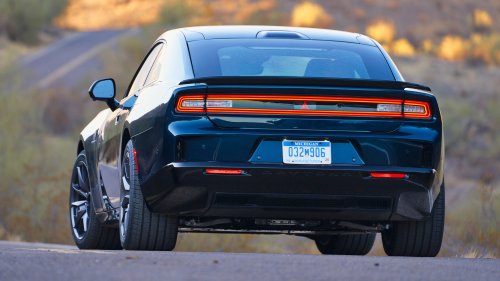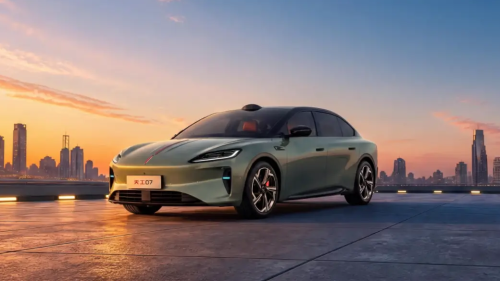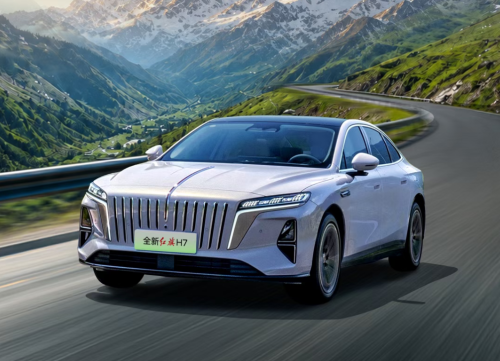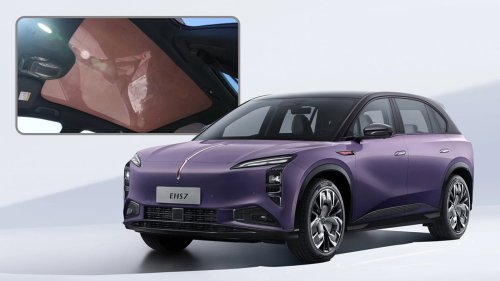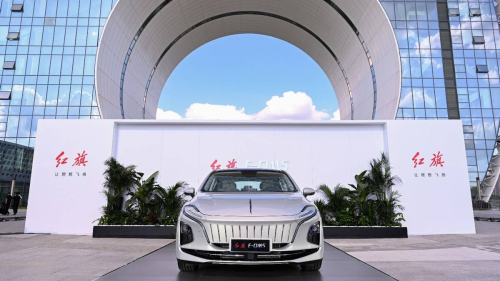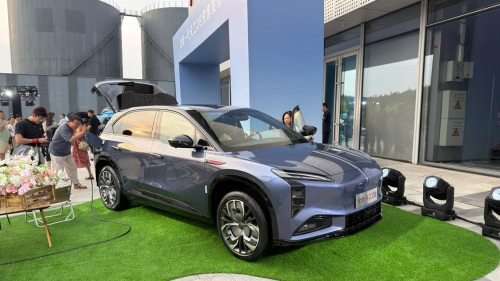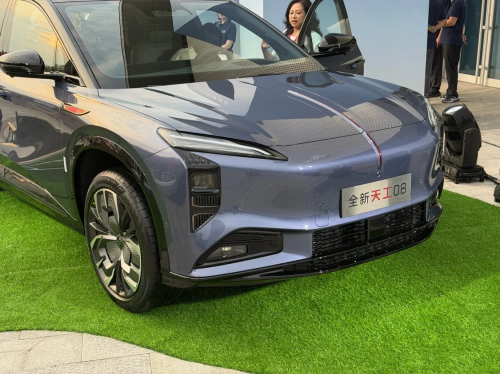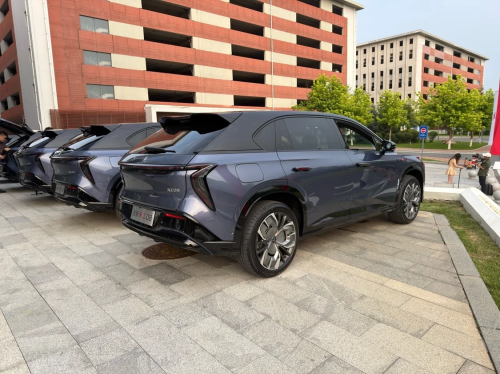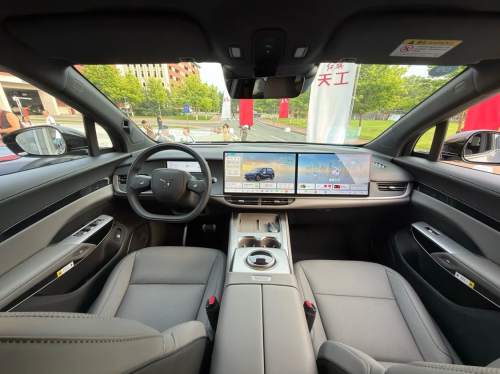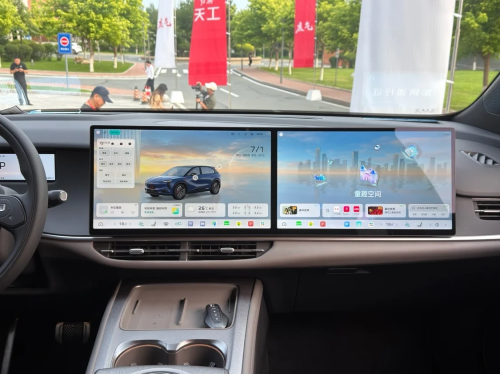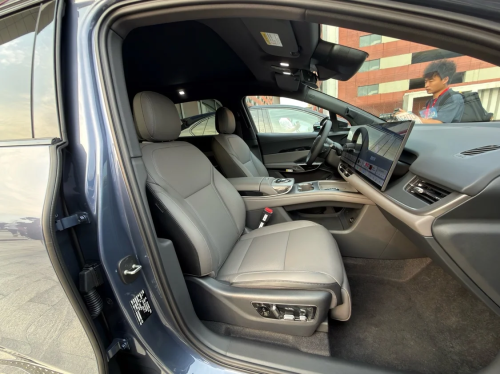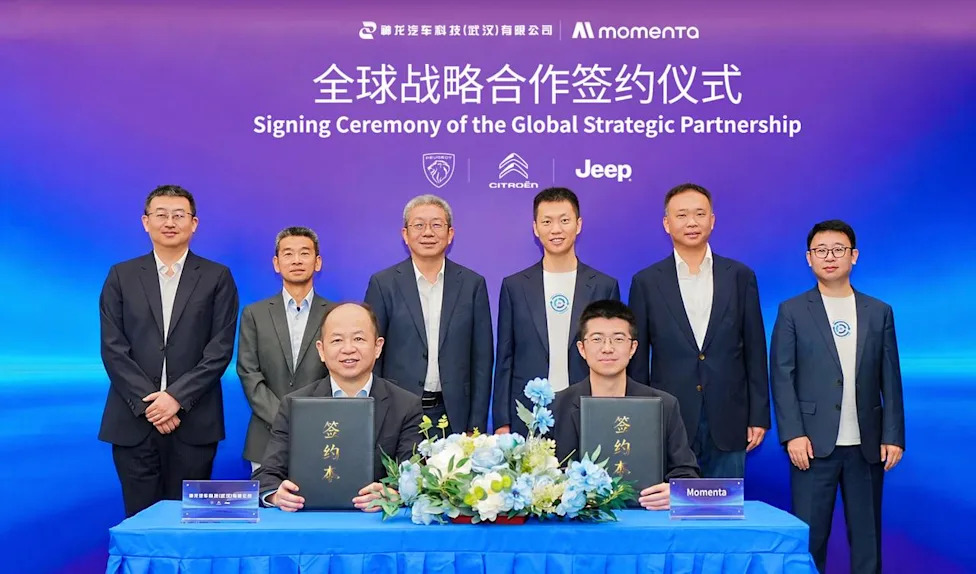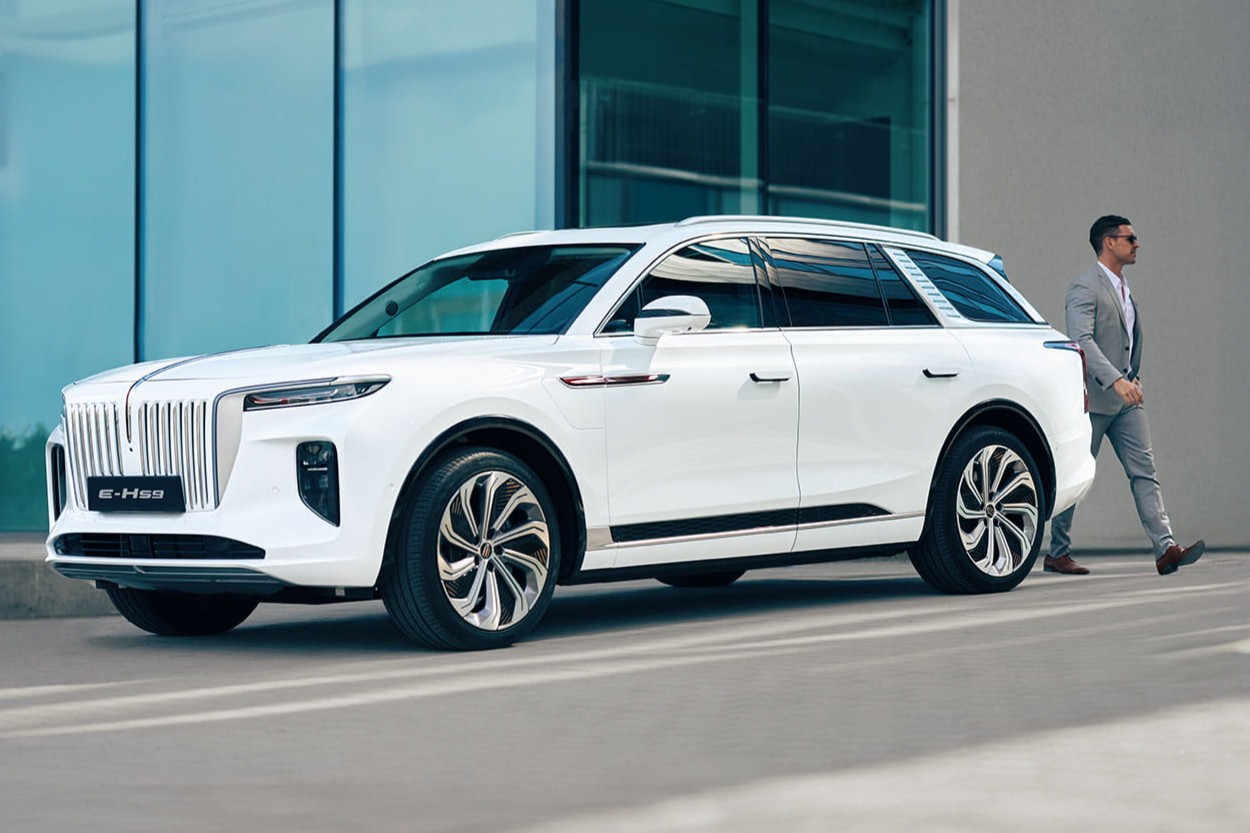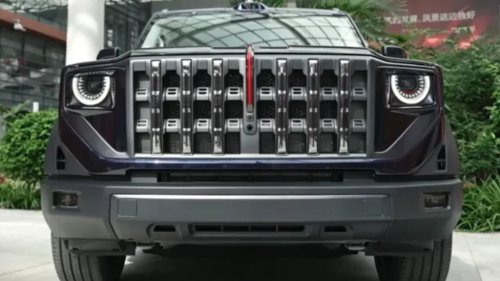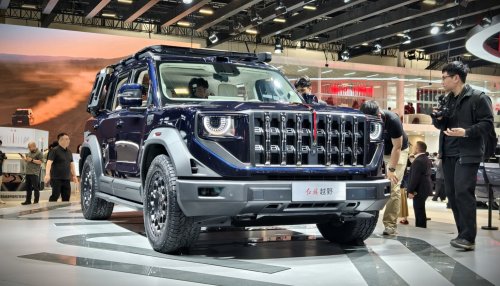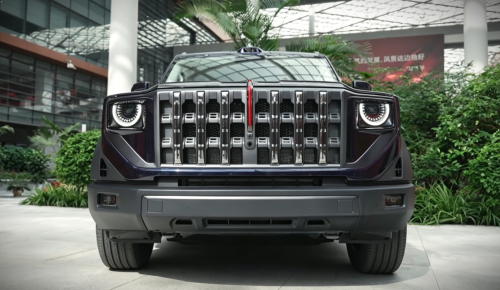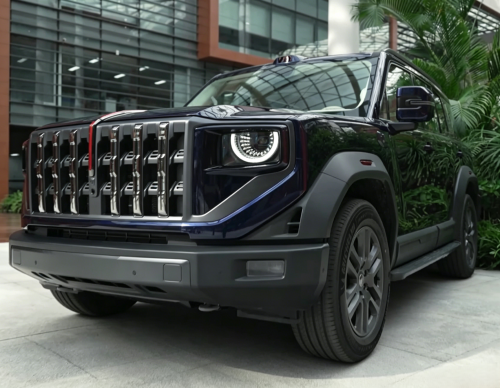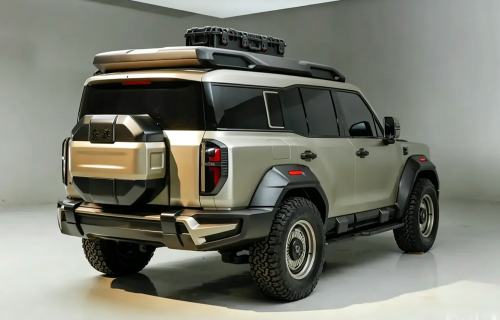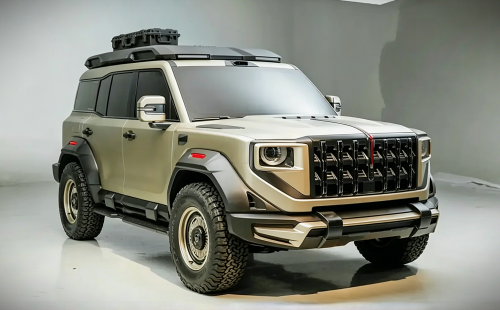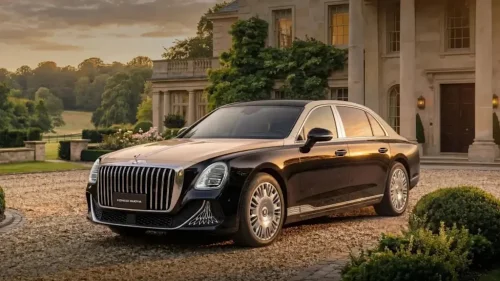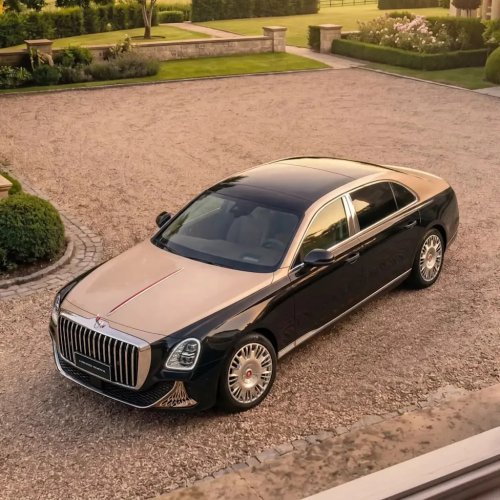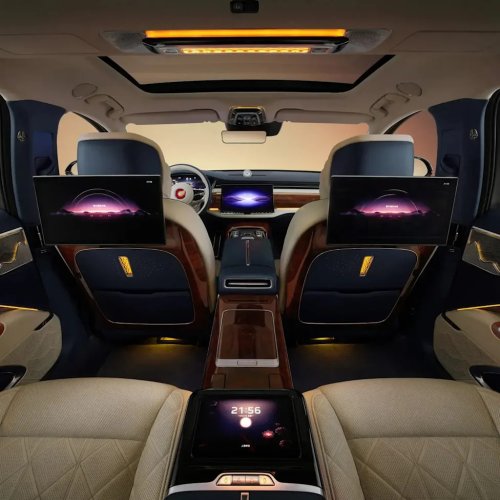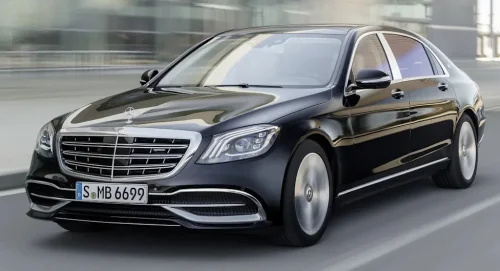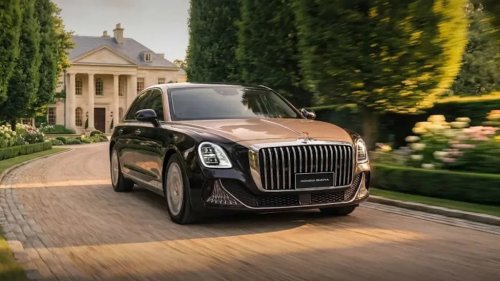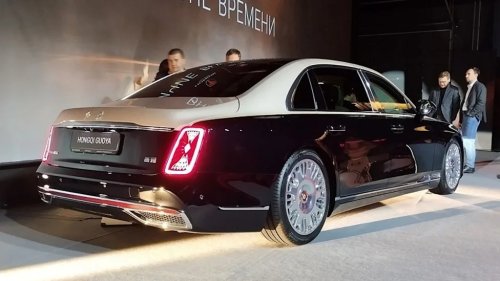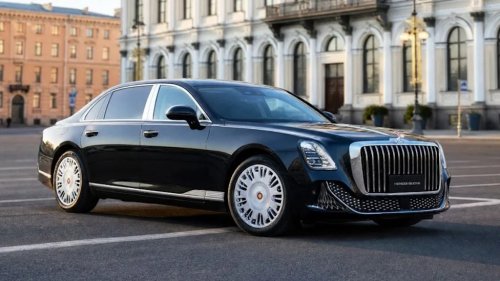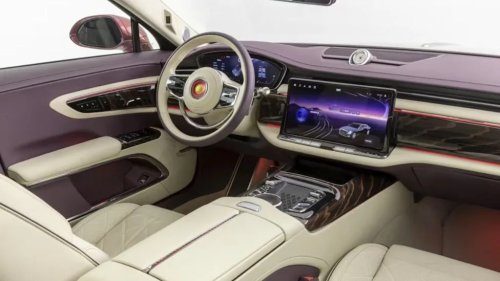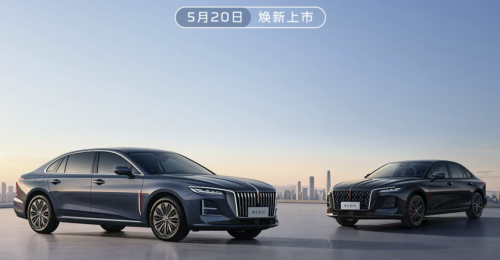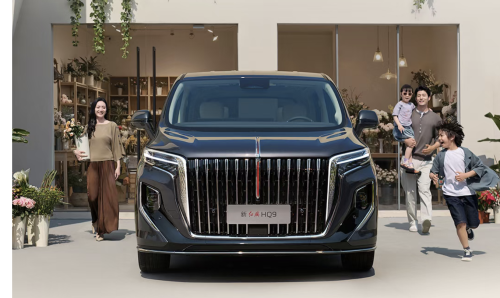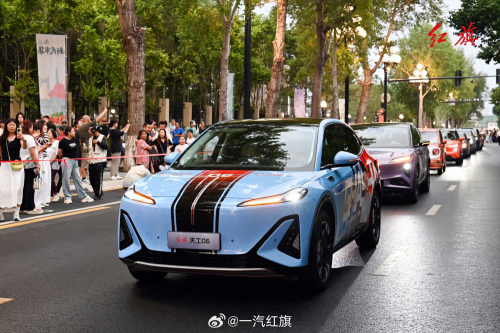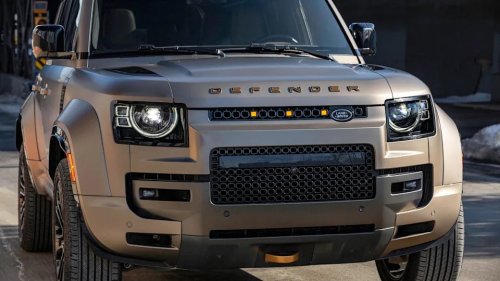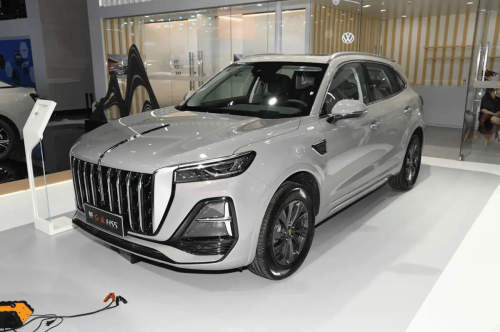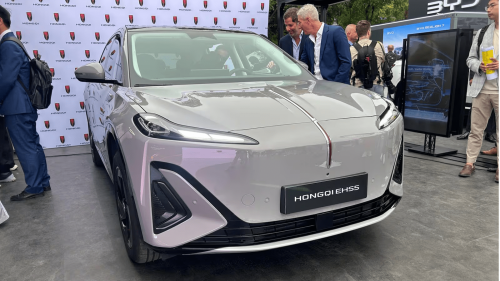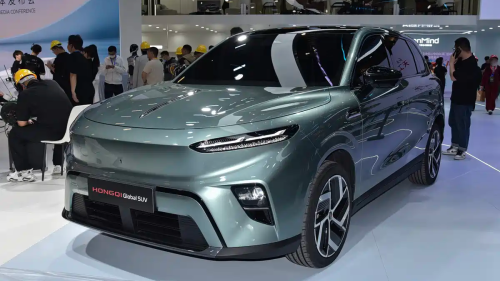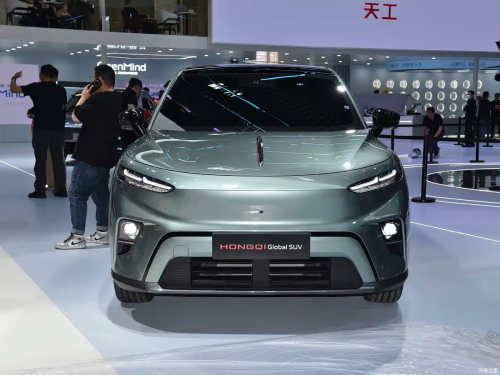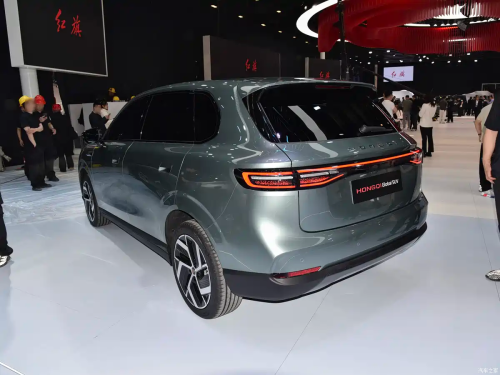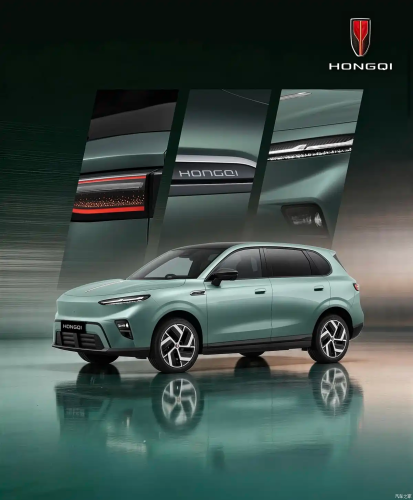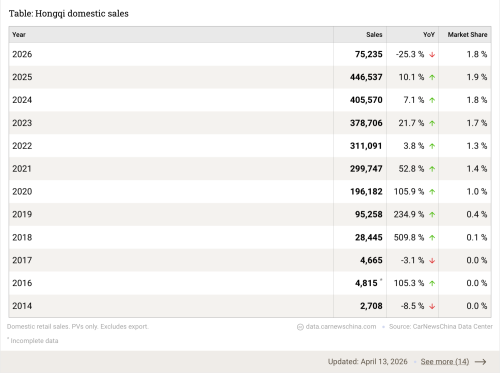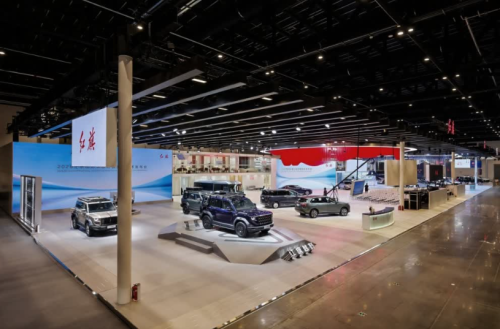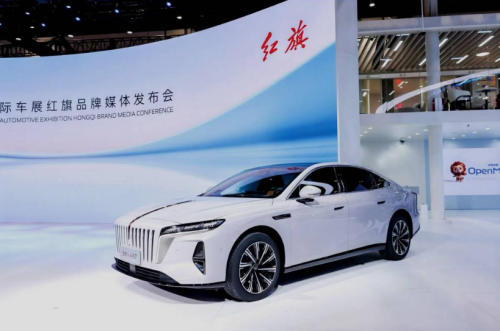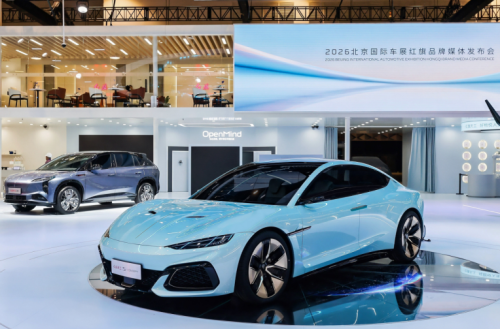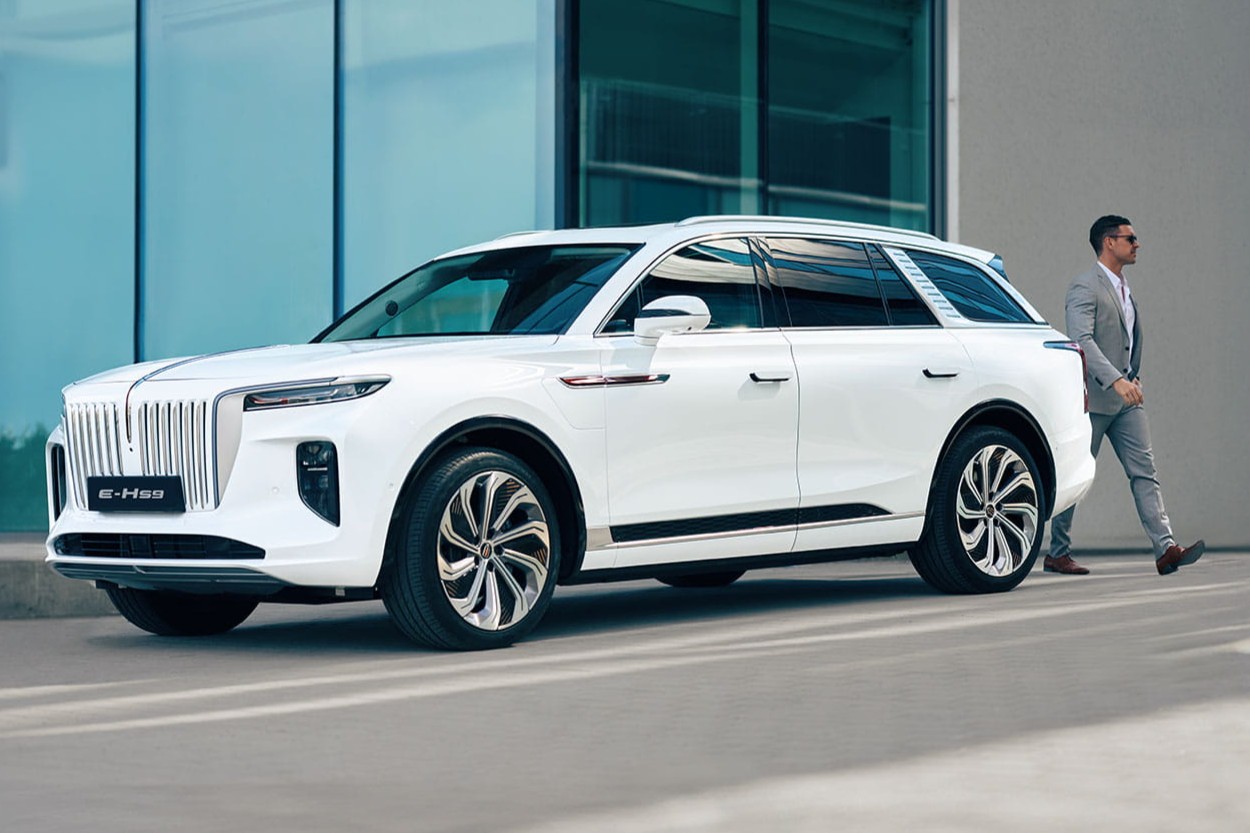



















A Hongqi EHS9 (symbolic image)Image: HongqiReuters has reported on discussions between the FAW brand and Stellantis, citing sources familiar with the matter. While the outcome of these talks remains uncertain, their occurrence – or ongoing nature – is highly plausible: Reuters claims to have learned this from no fewer than five sources.The Chinese EV manufacturer Leapmotor is also said to be involved in the discussions, albeit primarily in a mediating role. Both Stellantis and FAW have recently become key shareholders in Leapmotor, with Stellantis as the largest single shareholder. Leapmotor could therefore have a role to play in future collaborations; for example, the company is currently establishing its own supply chain in Spain to produce its models at Stellantis’s Zaragoza plant. Hongqi could also potentially leverage this supply chain.While such details remain speculative, it is increasingly clear that Stellantis is seeking additional partners in China to better utilise its European plants. Alongside the logical and confirmed partnership with Leapmotor, earlier reports suggested discussions with Xpeng, Xiaomi, and Dongfeng. Now, FAW and Hongqi are also being linked to Stellantis for the first time.Stellantis declines to commentHongqi, FAW, and Leapmotor did not respond to a Reuters request for comment on the apparent insider information, while Stellantis declined to provide a statement. In contrast, when rumours emerged in mid-April about negotiations with Dongfeng and with Xiaomi and Xpeng in March, Stellantis had been more forthcoming, telling Bloomberg: “As part of its normal course of business, Stellantis holds discussions with a range of industry players around the world on various topics, always with the ultimate aim of providing customers with the best mobility choices.” However, the company did not provide further details at that time either.In theory, launching production at an underutilised Stellantis plant in Europe – where established supplier structures and logistics concepts are already in place – presents an attractive option for Chinese companies. It would enable them to establish their own production in Europe more quickly and avoid the EU’s additional tariffs on imported battery-electric vehicles from China. For this reason, Xpeng has its vehicles for the European market manufactured by contract manufacturer Magna in Graz. BYD, on the other hand, has taken the more expensive route of developing its own European production facilities.The FAW premium brand Hongqi aims to launch more than a dozen electric and hybrid models in Europe by 2028. These plans could be significantly accelerated by establishing its own European production with Stellantis. According to the informants, this could also help the company “avoid spending hundreds of millions of dollars on a new factory.”Hongqi initially gained recognition as the manufacturer of Chinese state limousines, with its name translating to ‘red flag’. With increasingly affordable models, Hongqi is now expanding from the luxury segment into the premium segment. By 2030, the company aims to increase sales to one million vehicles, with ten per cent – equivalent to 100,000 units – sold outside China. In Germany, Hongqi parted ways with its former import partner Hedin in April (DE) and plans to take control of its distribution in the future.In addition to the possibility of manufacturing directly in Europe with Stellantis, Hongqi is reportedly exploring another option, according to a Reuters source: a plant in Hong Kong. Vehicles produced there would face lower export tariffs compared to those manufactured in mainland China, including exports to Europe.reuters.com