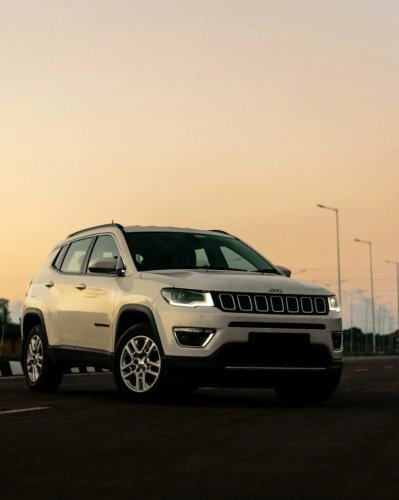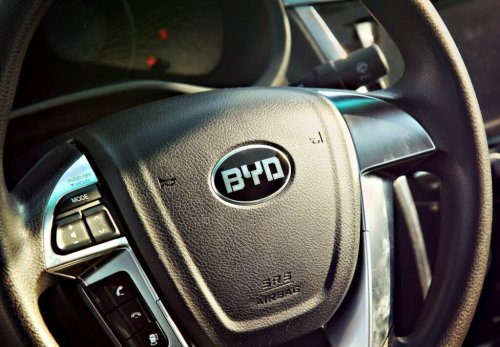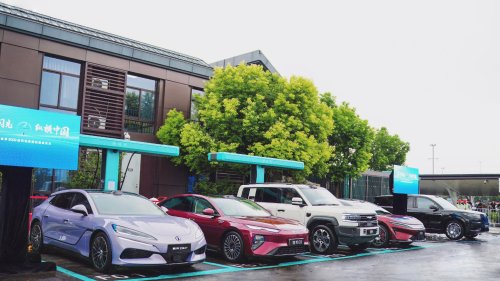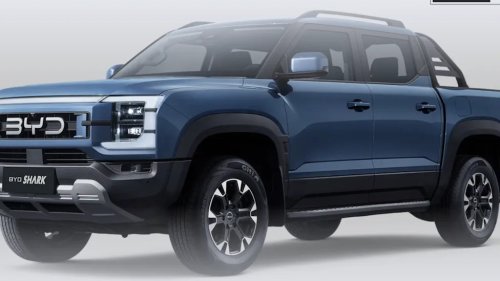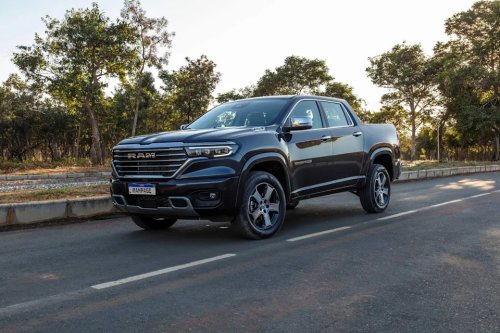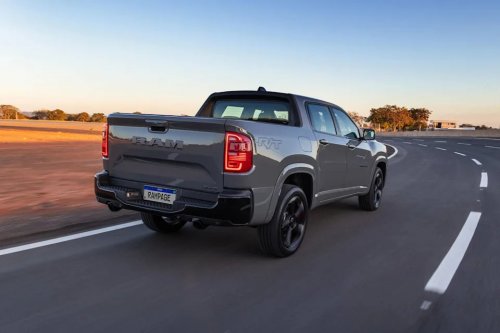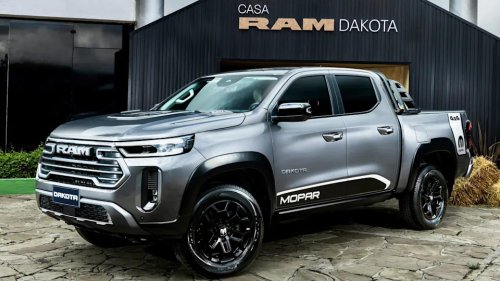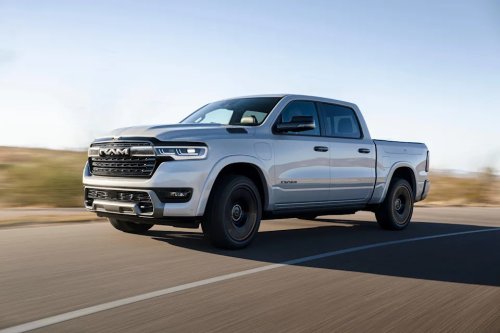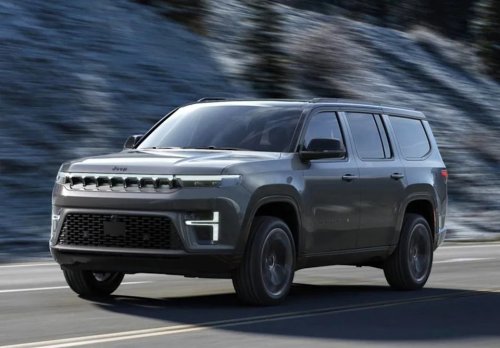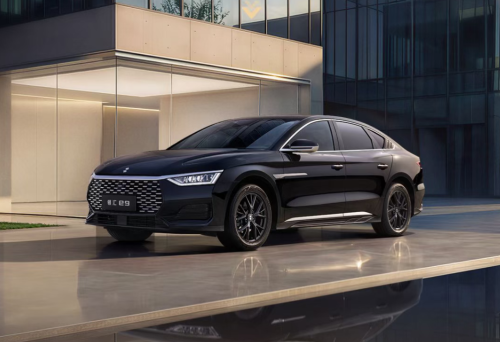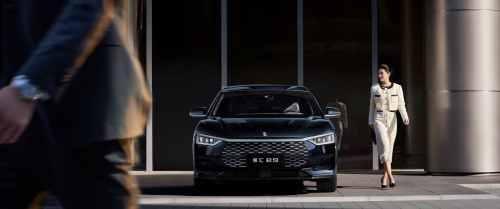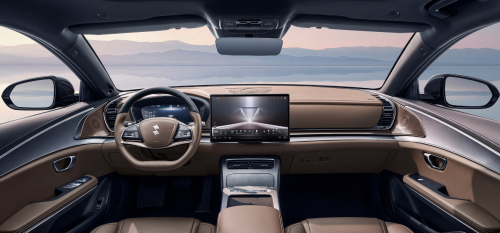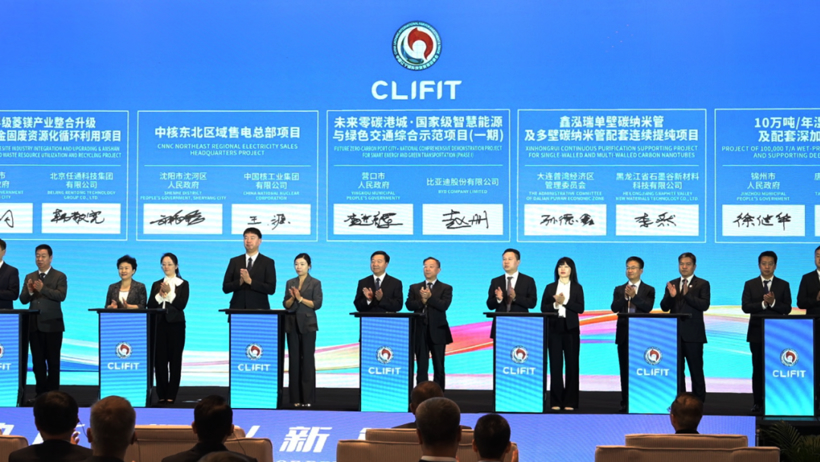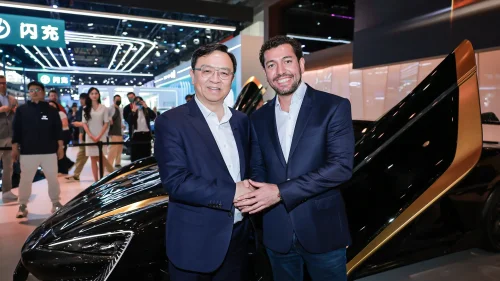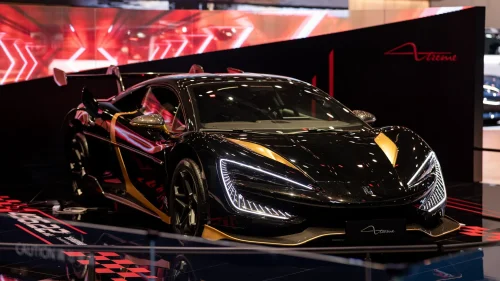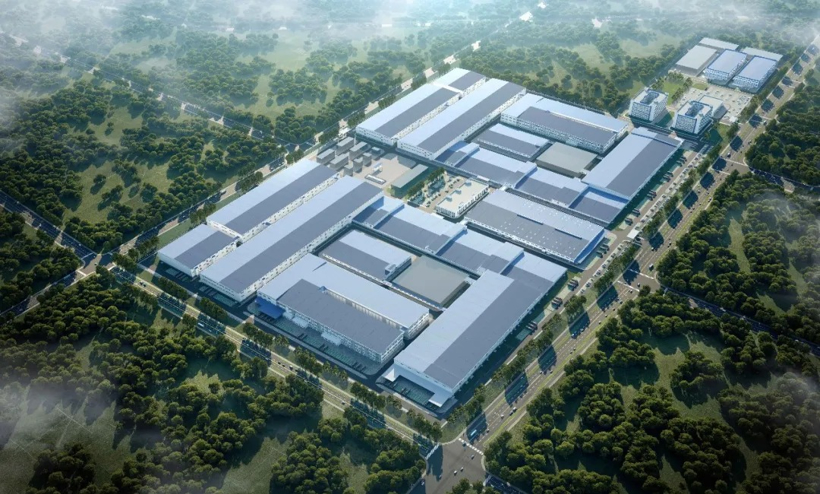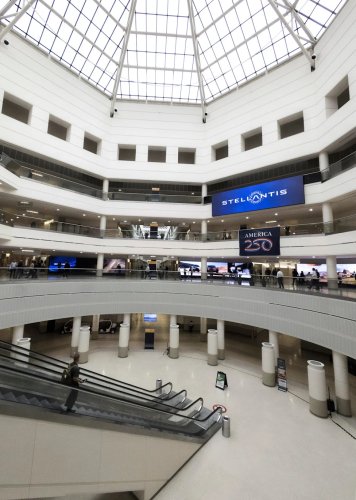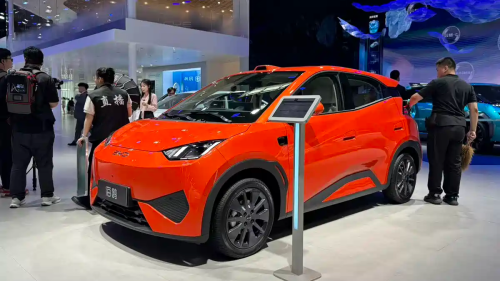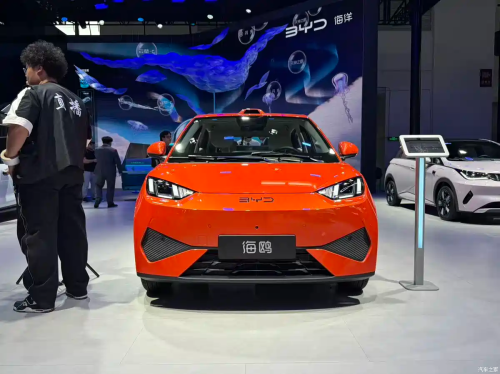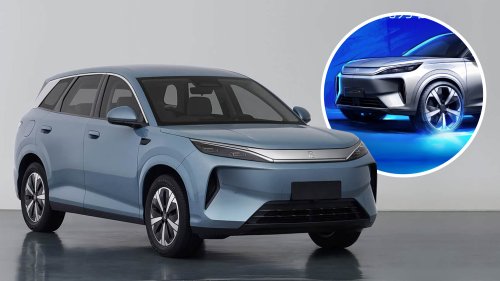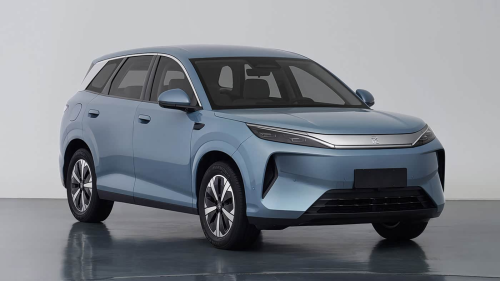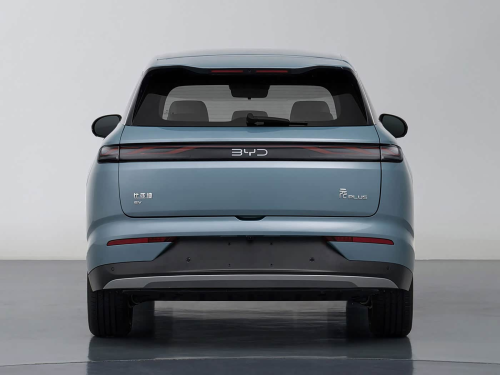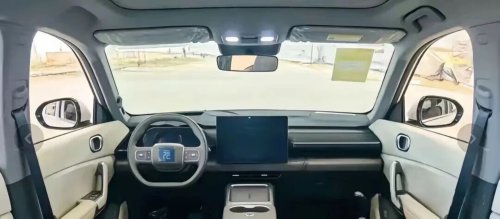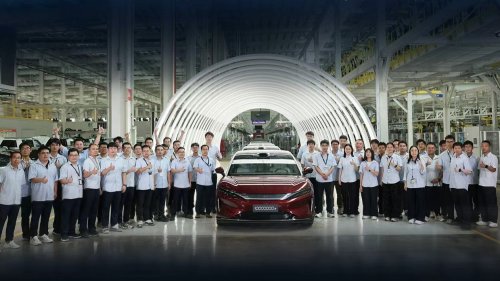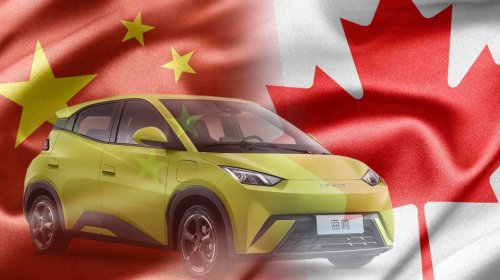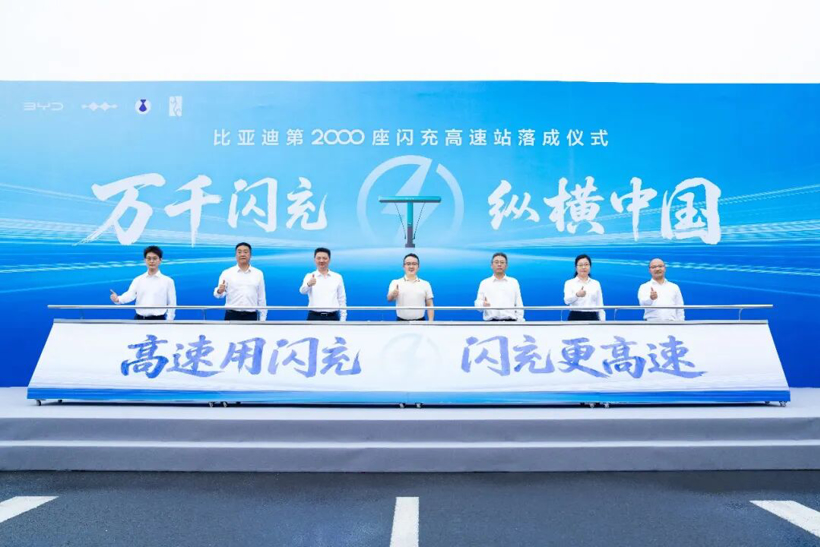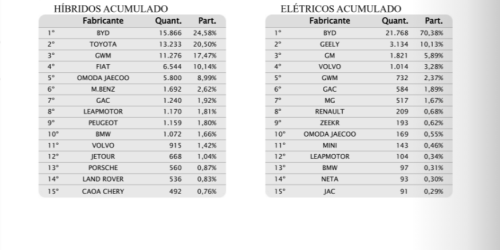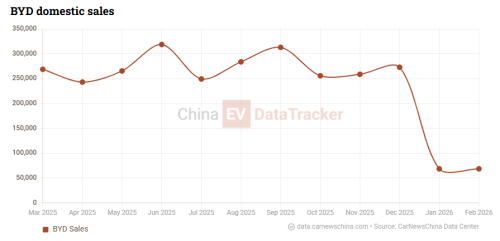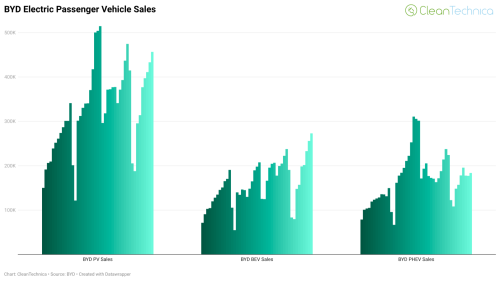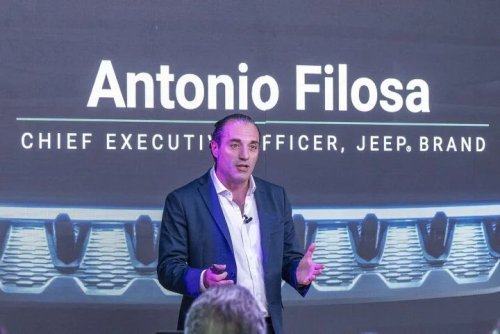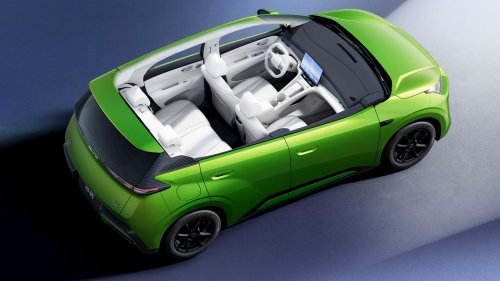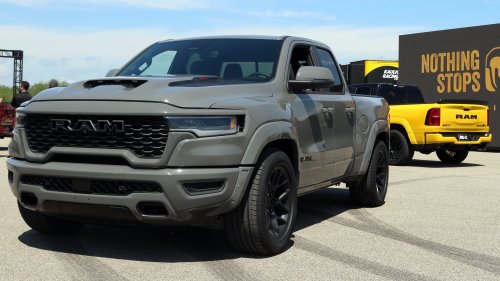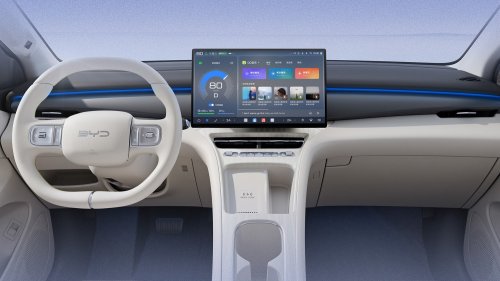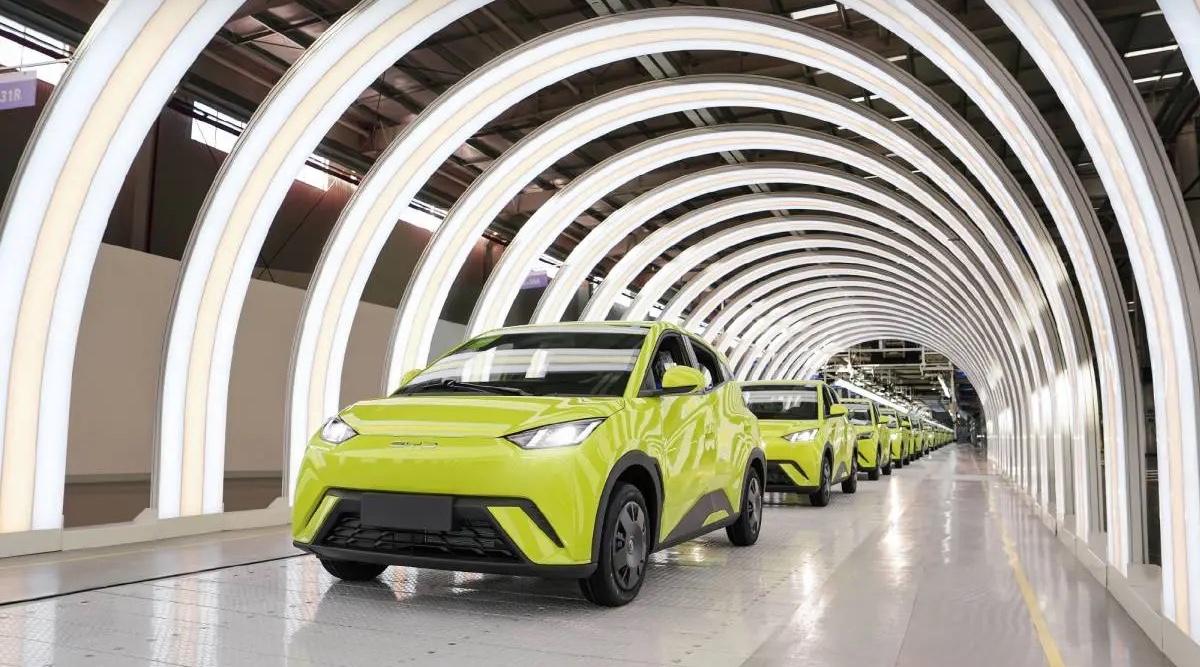



















I just wrote an article yesterday about Chinese EV companies probably taking over the global auto market. And then what news do I see this morning? News that BYD is in talks with Stellantis and other European automakers about potentially taking over their underused factories in Europe. “We are talking to not only Stellantis, we’re talking to other companies too,” BYD vice president Stella Li said on the sidelines of an auto conference in London this week. “We are looking for any available plant in Europe because we do want to utilize this kind of spare capacity.” Translation: We have enough demand and expected demand for our electric vehicles that we are prepared to buy underutilized factories from European automakers. Naturally, despite fears some Europeans will have of Chinese automakers taking over their markets, this would probably lead to more jobs in those places. (Though, whether there are serious long-term concerns about the economic effects of this, well, that is certainly up for debate!) The fact of the matter is, though, if Stellantis and others are not using factory space or on the verge of shutting factories down, why not provide companies like BYD the opportunity to build clean, electric cars in Europe? Of course, BYD is by far the largest plugin vehicle producer in the world, selling about twice as many plugin vehicles as Geely in 2025 and almost three times as many as Tesla. Excluding plugin hybrids and only looking at fully electric vehicles, BYD surpassed Tesla in 2025, and the two companies combined account for about 30% of cumulative global BEV sales. While Tesla’s sales have been shrinking for a couple of years, though, BYD’s have been booming. This year, they are down for a variety of reasons, but the company is still expecting a big boost in sales this year and significant growth year over year. BYD is already building factories in Hungary and Turkey, which are supposed to open in 2026 and 2027, but its market share in Europe has been growing and growing — and apparently the company thinks there’s room to grow much more. Naturally, building electric cars in Europe would allow BYD to avoid 17-35% tariffs the EU put on China-made electric cars. Stellantis owns more than a dozen automotive brands: Abarth, Alfa Romeo, Chrysler, Citroën, Dodge, DS Automobiles, Fiat, Jeep, Lancia, Maserati, Opel, Peugeot, RAM, and Vauxhall. Several of these auto brands are struggling. Which ones might give up a factory or two to BYD, we don’t know. BYD does not want to get into joint ventures in Europe. “It’s very hard to partner and ask permission from another person. We prefer to run everything on our own. We partner with every auto manufacturer to either sell the battery to them or work with them for different aspects… but not manufacturing,” Stella Li added. Beyond Stellantis, other companies that may sell spare auto production capacity to BYD include Renault and Nissan. The idea of Chinese automakers producing a lot of cars in Europe and growing their market share significantly there may seem wild, but something very similar happened in the 1980s and 1990s with Japanese automakers, so it’s not like there isn’t a blueprint for this. And considering how far ahead Chinese automakers are on new electric vehicle technology and production, there’s even a stronger case for the influx and transition than there was back then. We’ll see what happens, but my guess is that BYD will buy a factory or two (for now) — or at least lease production space from — European automakers. Related story: BYD Exported More Vehicles In April Than Tesla Sold Worldwide*