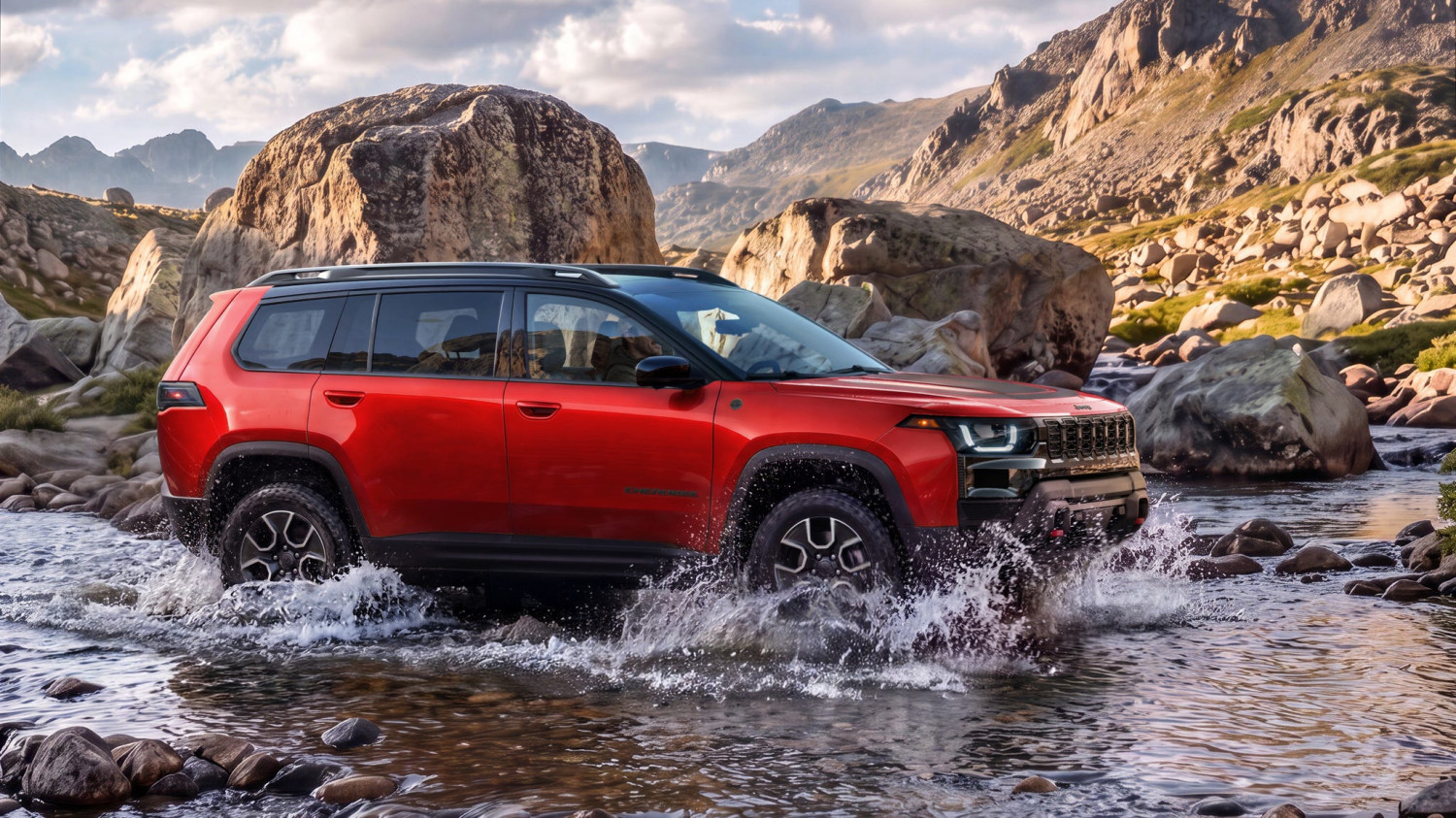
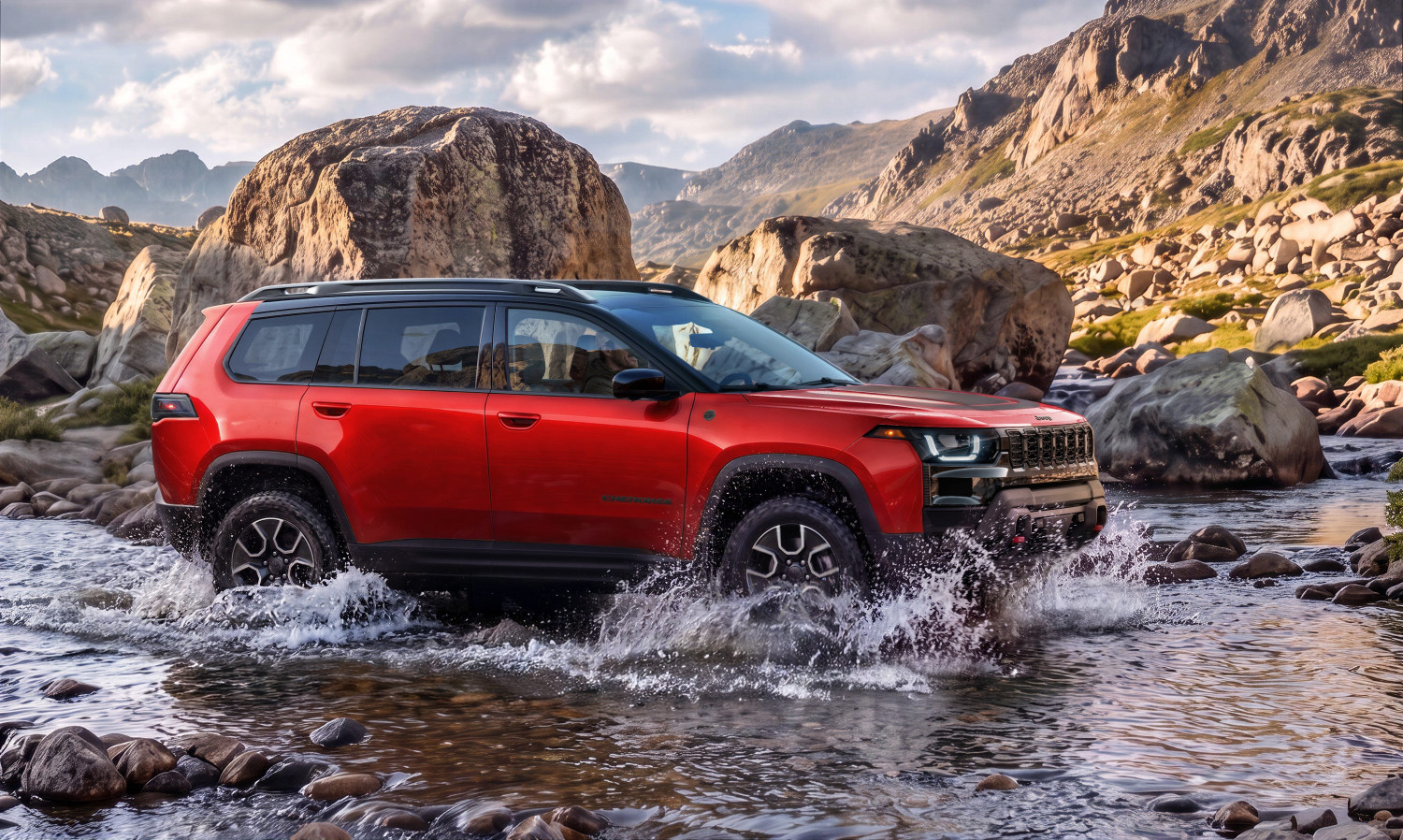
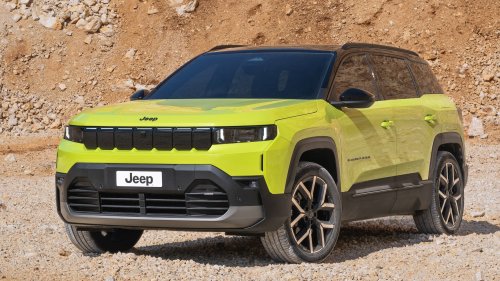
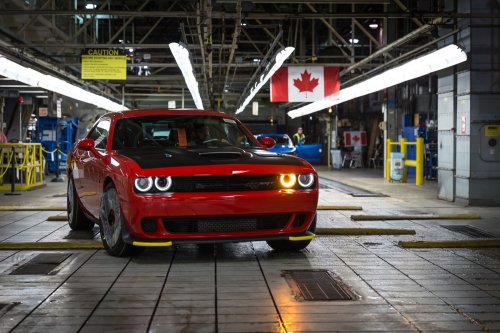
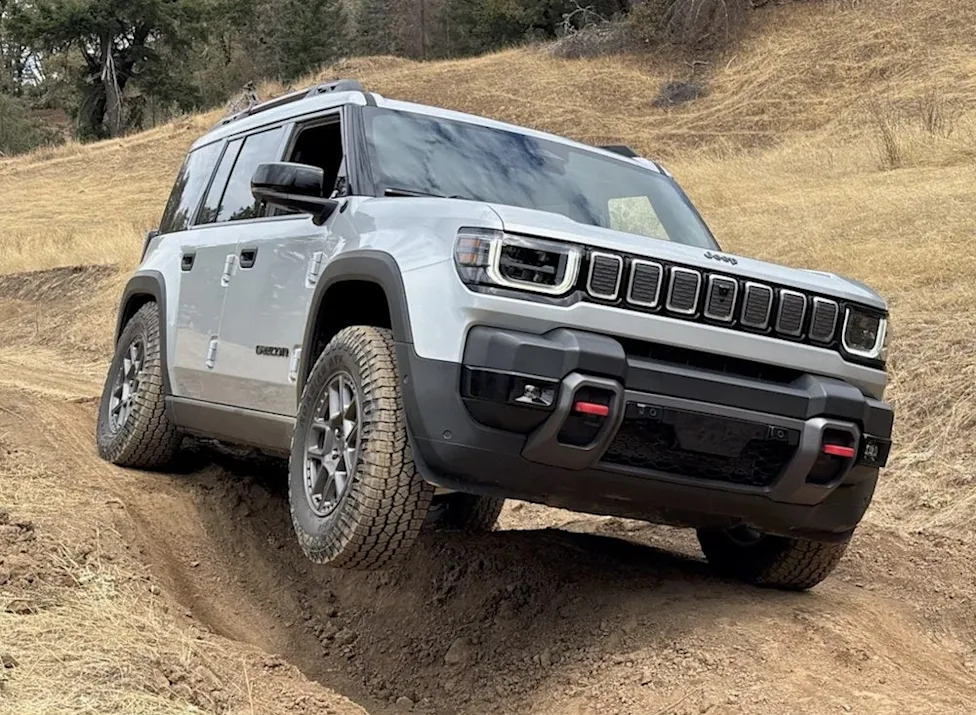
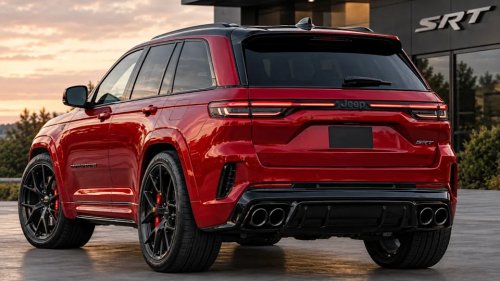
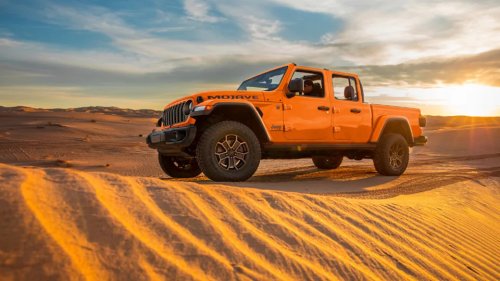
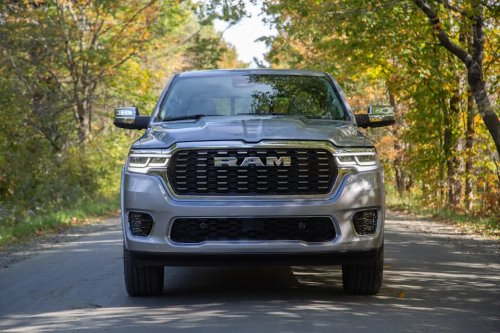
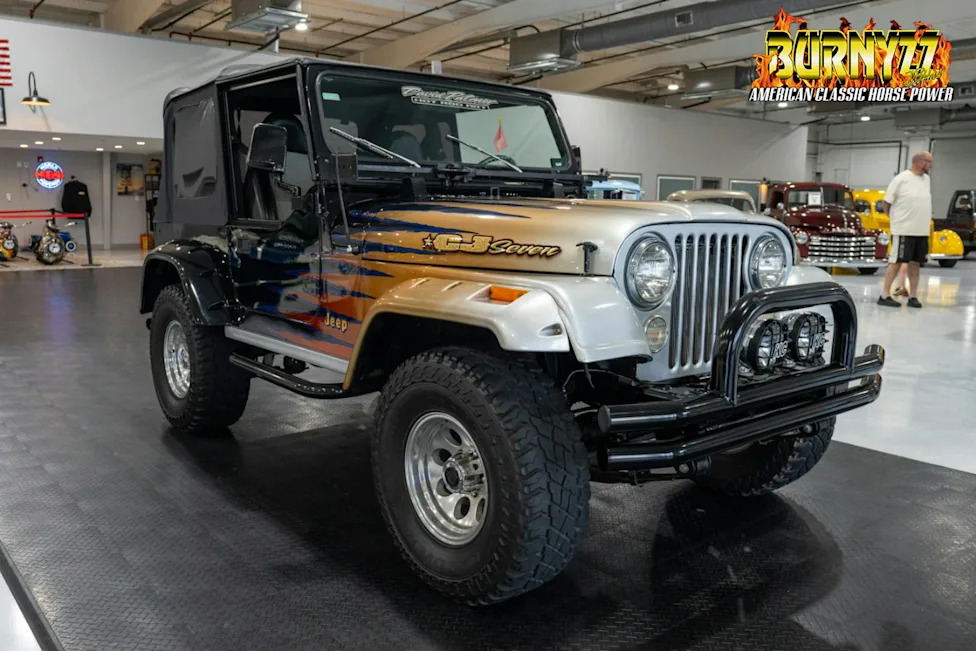
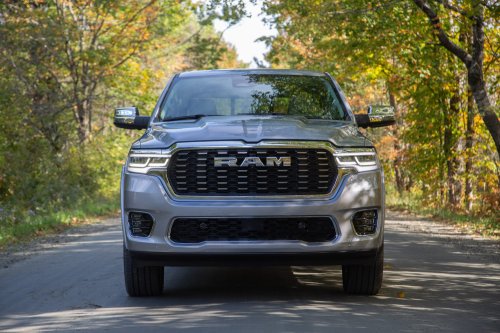
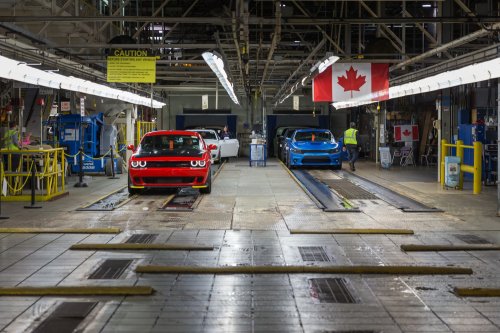
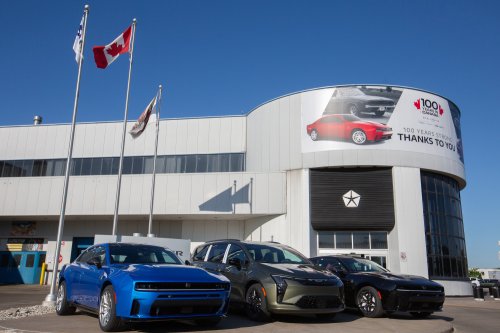
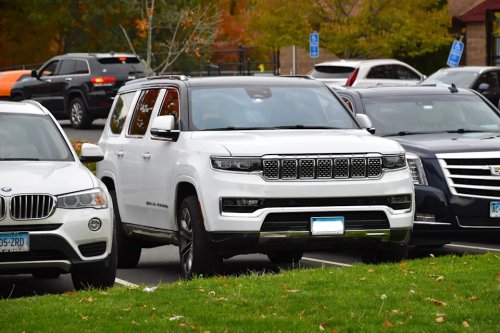
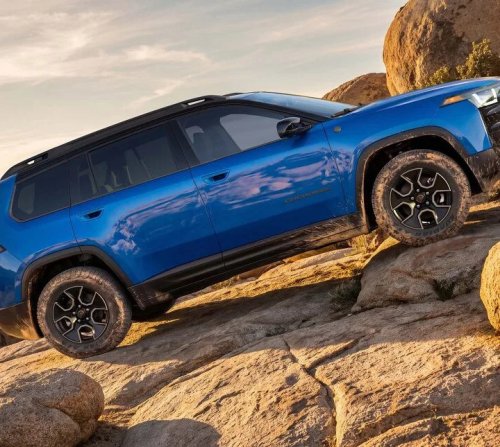
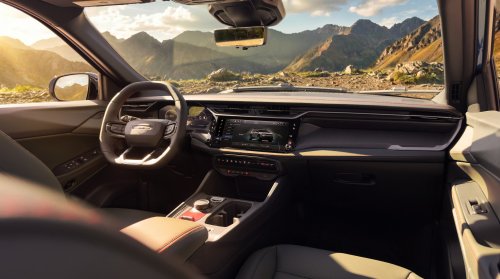
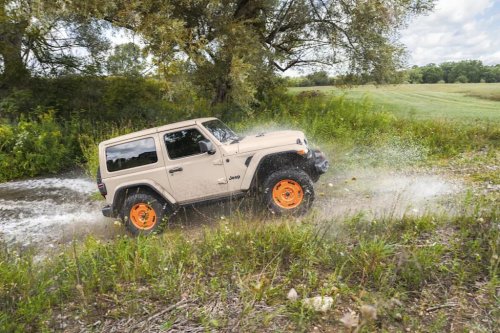
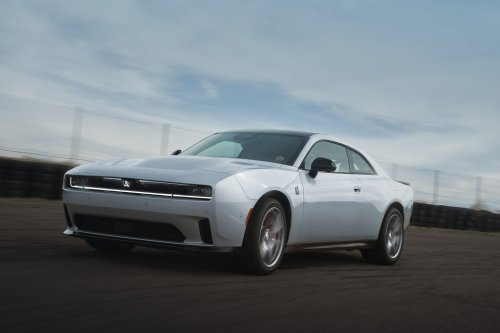
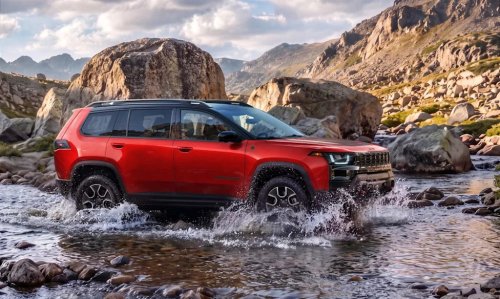
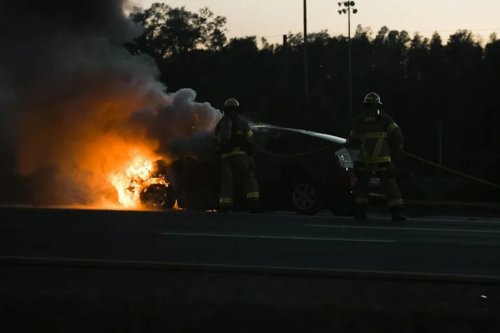
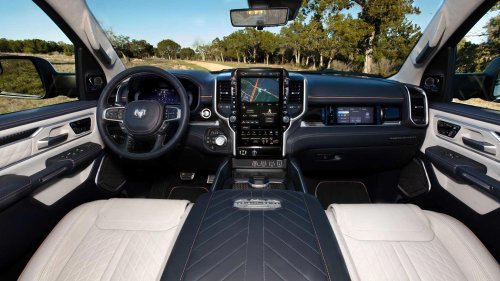
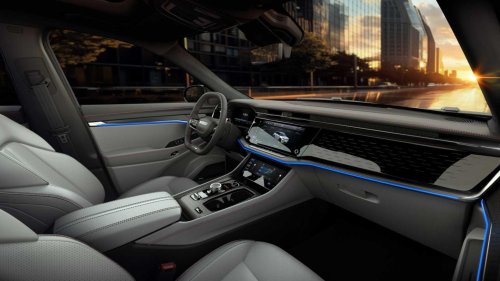
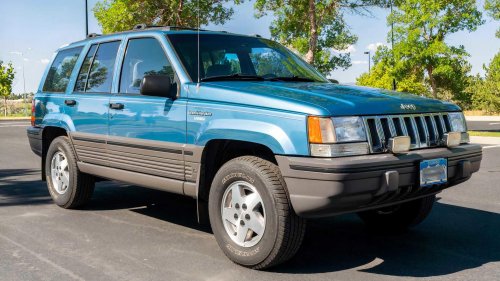
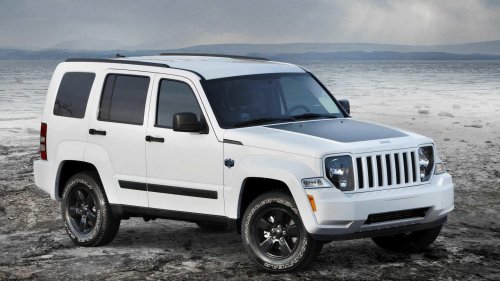
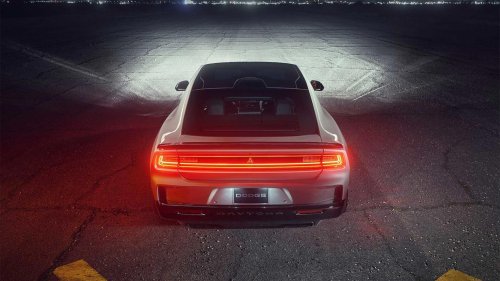
Stellantis is back in the headlines this week, and not for a good reason. The automotive giant is recalling tens of thousands of Ram trucks and brand-new electric vehicles over screens that simply go dark while you're driving. You won't be able to see any vital information bout your vehicle when you are driving. But, this week's recalls are small potatoes compared to a chapter in Jeep's history that was very upsetting for many, that it still sends shock waves through the auto industry today. Stellantis Is Having A Very Bad Week Right Now RamWe are just in the beginning of Q2 2026, and Stellantis is dealing with not one but two separate recall headaches hitting the news simultaneously.First, more than 65,000 Ram pickup trucks — specifically 2025 and 2026 model year Ram 1500, 2500, 3500, 4500, and 5500 trucks — are being recalled over a software error that can cause the digital instrument panel cluster to completely freeze or go dark. The faulty component is a 3.5-inch display supplied by Marelli North America, and when it fails, drivers lose visibility of their gear position indicator, brake system warnings, electronic stability control alerts, and tire pressure monitoring — all at once. According to the NHTSA filing, this puts the vehicles out of compliance with multiple Federal Motor Vehicle Safety Standards. The fix is a free software update at your dealership. Owners will receive letters by May 28, 2026, but you can check your VIN on NHTSA.gov right now using recall number 35D.Second, an additional 20,271 brand-new electric vehicles are being recalled — 11,743 units of the 2024–2025 Jeep Wagoneer S and 8,528 units of the 2024–2025 Dodge Charger EV — over a faulty instrument display panel that fails to show gear selection, warning lights, and other critical safety information, according to an April 23 notice published on the NHTSA website. These are Stellantis' flagship new-era vehicles — the ones the company spent years hyping as its bold electric future — and they can't reliably tell you what gear you're in.What makes this sting even more is that this is actually the second time in five months that Ram has recalled its 2025–2026 trucks over a failing instrument panel. In December 2025, roughly 72,000 pickups were recalled over a separate software glitch that caused the 12-inch display to go blank. Different screen, but same problem. When A Screen Goes Dark, The Stakes Go Up Fast JeepModern vehicles are built around the assumption that the driver can see what's happening. Gear position, brake warnings, stability alerts, tire pressure — these aren't conveniences. They're the difference between a driver catching a problem and a driver walking into one blind. When that display goes dark at highway speed, it's essentially like flying an airplane with no instruments. The car might know something is wrong, but you won't.Stellantis knows this too, which is why it's issuing recalls immediately. And, let's give them credit where it's due, because no accidents or injuries have been reported in connection with these recent recalls. The software update is free, the fix is real, and owners are being notified. That's how recalls are supposed to work.But it wasn't always this way. There was a time when the predecessor to Stellantis saw a very different problem in the eye — a problem linked to many deaths — and did not act in time. The Recall Chrysler Didn't Want To Make Bring a TrailerIn 2010, federal safety investigators opened a formal defect investigation into a problem that consumer safety advocates had been screaming about for over a decade. Jeep Grand Cherokees were catching fire in rear-end collisions. This was because the plastic fuel tanks were mounted behind the rear axle, positioned low and exposed, where they could be ruptured by the intruding bumper of any vehicle that strikes from behind. The design is eerily reminiscent of the Ford Pinto, the 1970s scandal car that became a symbol of corporate negligence. The Most Expensive Jeep Recall In History — And The Cover-Up Behind It JeepIn June 2013, under sustained regulatory pressure, Chrysler finally blinked — but only halfway. Instead of the 2.7 million vehicles NHTSA had recommended recalling, the company agreed to recall 1.56 million vehicles, which consisted of Jeep Grand Cherokees from model years 1993–1998 and Jeep Libertys from 2002–2007. Roughly one million additional 1994 to 2004 Jeep Grand Cherokees were left off the list entirely, despite NHTSA's concerns about those vehicles too.Chrysler's solution to a fuel tank that could erupt in a fireball was to bolt a trailer hitch onto the back of the vehicle to absorb some of the impact. The company's own former Vice President for Engineering testified under oath that trailer hitches don't actually protect the fuel tank. Chrysler went ahead with it anyway while still refusing to admit a defect existed.What followed was a very obvious display in institutional delay. More than a year passed between the recall announcement and the first actual repairs and by November 2014, the recall completion rate stood at just 3%. This meant that fewer than 47,000 of 1.56 million recalled vehicles had been touched. The NHTSA issued a consumer advisory urging owners to get their vehicles fixed. Safety advocates thought this was despicable, and rightly so.During the years that Chrysler and federal regulators argued over the details, people continued dying in Jeep fires. The Reckoning Came in April 2015 Four-year-old Remington Walden had burned to death when his family's 1999 Jeep Grand Cherokee — one of the vehicles Chrysler had refused to recall — was struck from behind and erupted in flames.A Georgia jury returned a verdict that shook the auto industry by awarding his family $150 million. It was the first of what became many lawsuits.Outside of the courtroom, Chrysler paid up to $105 million in fines and penalties to NHTSA — a record at the time — after federal regulators determined the automaker had routinely delayed responding to safety problems across 23 separate recalls, often with dangerously low and slow repair rates. An independent observer was appointed to oversee the company's future safety practices. Why This Recall Story Still Matters In 2026 DodgeThe Jeep fuel tank recall wasn't just the most expensive recall in Jeep's history in financial terms, it was also a moral reckoning for big corporations. It exposed what happens when a corporation decides that defending its legal position matters more than the people driving its products. It showed that a "voluntary" recall, handled with minimal urgency, can be almost as dangerous as no recall at all. And it demonstrated that the system — the NHTSA, the courts, investigative journalists, and persistent safety advocates — does eventually catch up, even when it takes a decade too long.Today, Stellantis, which was born from the merger that swallowed Chrysler, Fiat, and dozens of other brands, is recalling trucks and electric vehicles with a speed and transparency that its predecessor never managed in 2013. That is, genuinely, progress. So, if you own a 2025 or 2026 Ram truck, or a 2024–2025 Jeep Wagoneer S or Dodge Charger EV, check your VIN at NHTSA.gov today. The fix is free, it's fast, and unlike some recalls from Stellantis' past — it's actually available.



















 +4 others