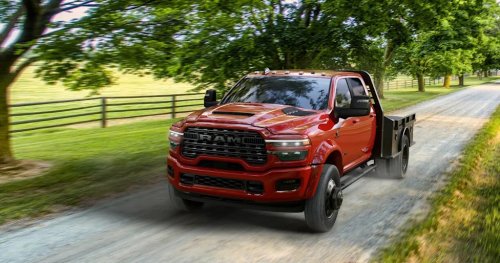
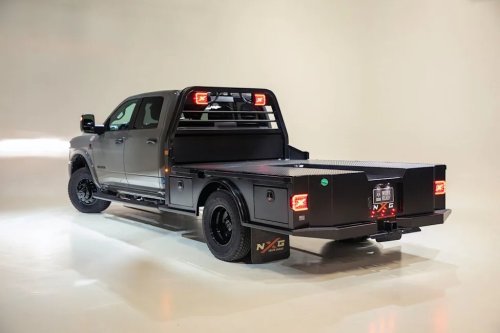
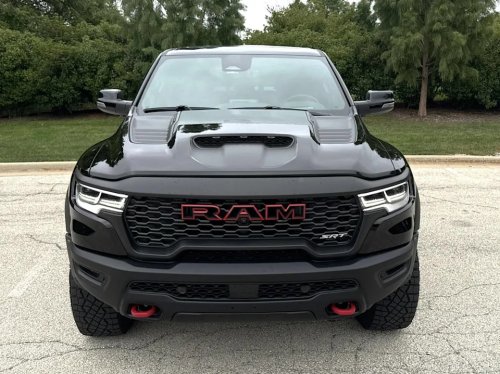
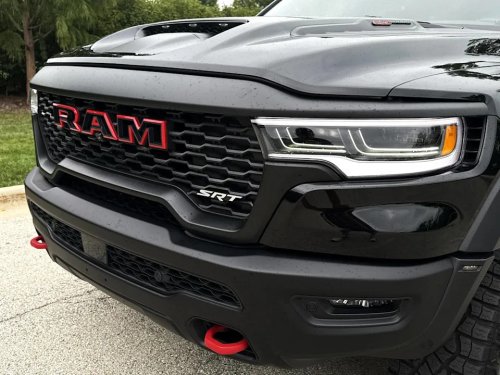
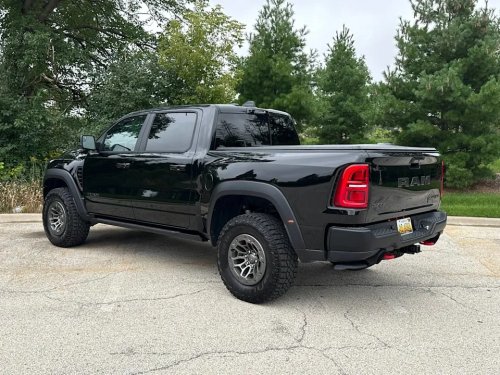
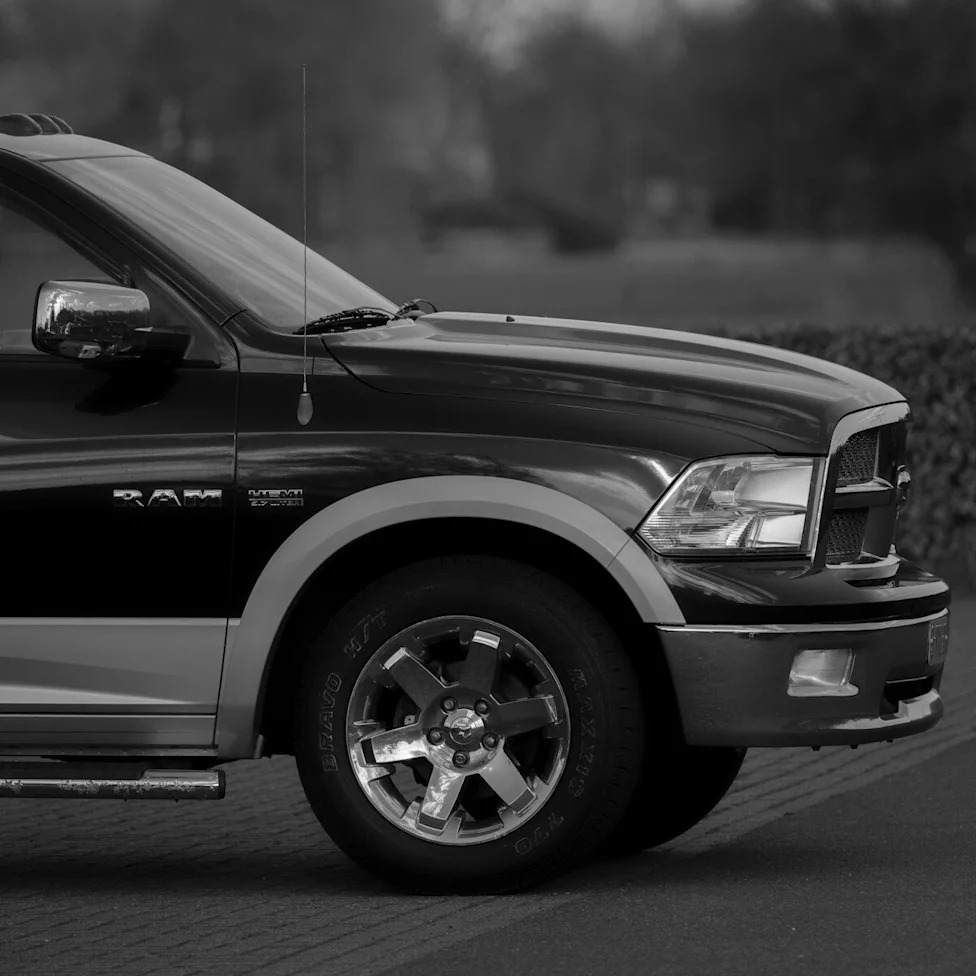
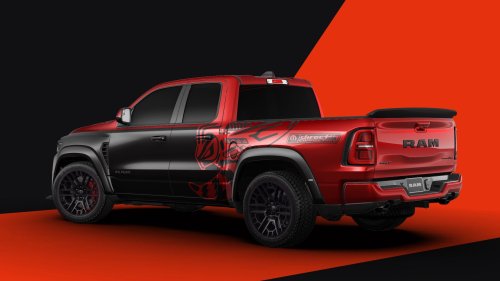
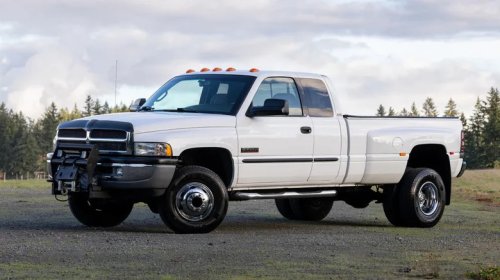
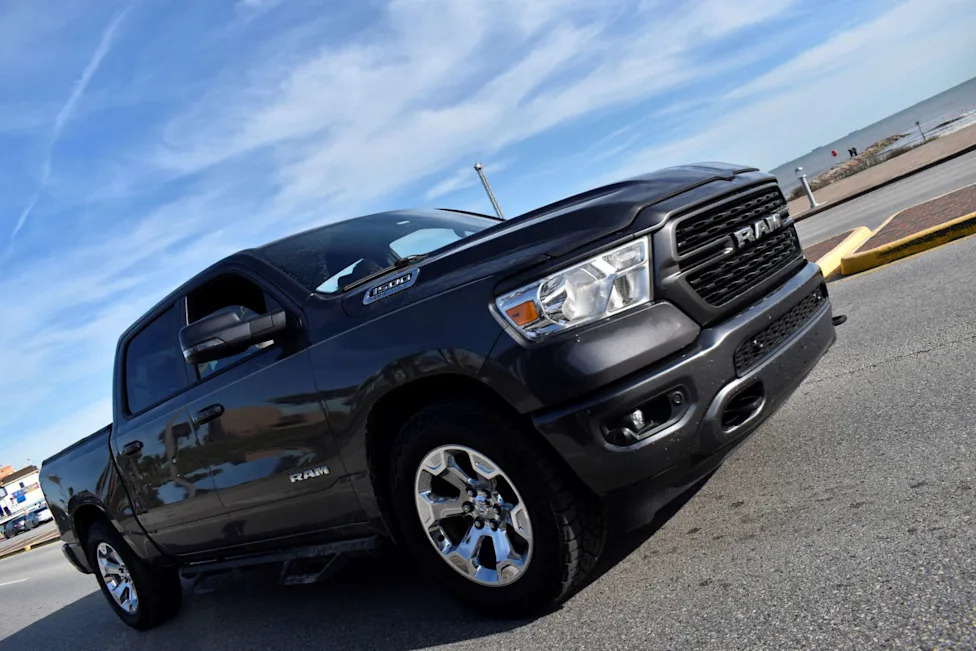
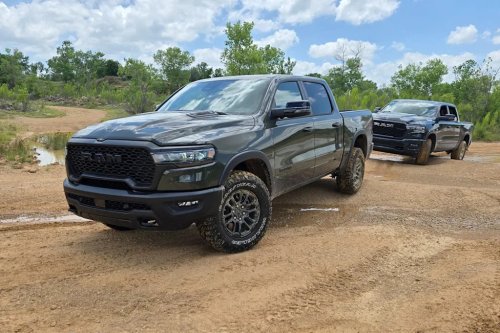
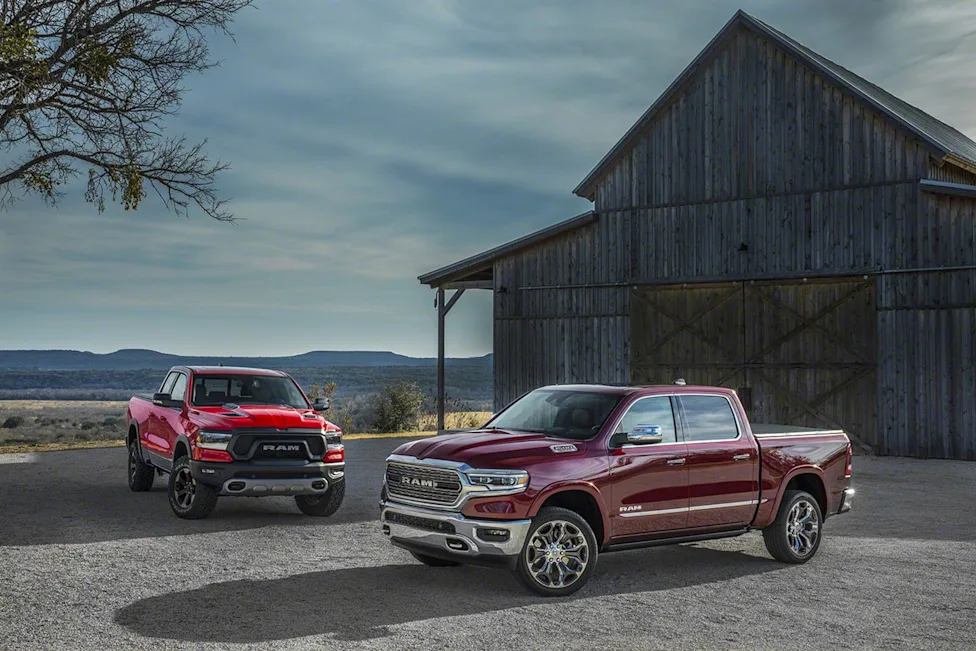
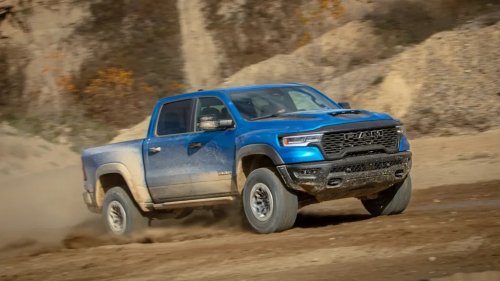
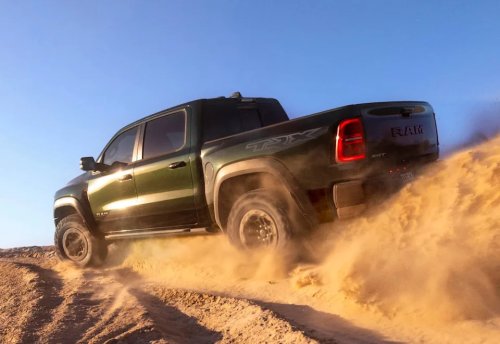
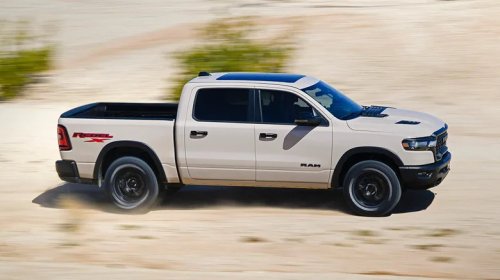
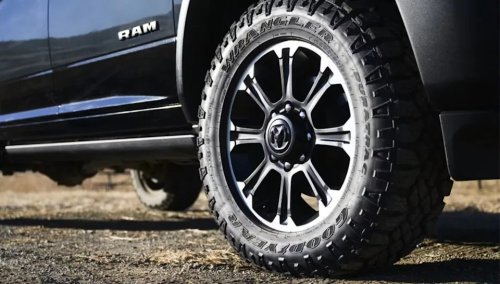
Ram 2500 Speed Limiter Recall Sparks Questions After Stellantis Found Trucks Could Outrun Their Own TiresRam owners buy heavy-duty trucks for capability, durability, and serious towing power. What they probably do not expect is finding out their truck can legally and mechanically outrun the tires it left the factory with. But that is exactly the problem Stellantis is now dealing with after an internal review uncovered a mismatch between the Ram 2500’s programmed top speed and the maximum speed rating of its tires.More Stories Like ThisInside South Carolina’s $100 Million Driver Data Machine and Why Drivers Should Be Paying AttentionMcLaren Built A Le Mans Hypercar Too Extreme For Racing Rules And VIP Buyers Are Getting The Real MonsterMotorcycle Left Hanging From Traffic Light After Violent Crash In CanadaThe issue affects 12,736 Ram 2500 trucks built between June 2022 and April 2026. According to the information released, the affected trucks were equipped with tires carrying an “R” speed rating. That rating means the tires are designed to safely handle speeds up to 106 mph. The problem is that the trucks themselves were apparently capable of exceeding that threshold.AdvertisementAdvertisementThat detail matters.Modern trucks are loaded with electronic limiters, engine management systems, and safety controls specifically designed to keep vehicles operating within safe mechanical boundaries. Speed ratings are not random numbers stamped on a sidewall for decoration. They exist because tires generate enormous heat and stress at higher speeds. Push beyond those limits long enough and things can go bad quickly.Thankfully, this situation did not start with a crash investigation or reports of tire failures. Stellantis reportedly identified the issue during an internal review conducted in March. That likely prevented a far uglier story involving injuries, lawsuits, or catastrophic failures at highway speeds.Still, the fact that the mismatch made it into production in the first place is going to frustrate some truck owners.How Tire Speed Ratings Actually WorkMost drivers see tire size markings every day without paying much attention to the extra letters attached to them. But those letters carry real engineering meaning. The speed rating tells drivers the maximum speed a tire can safely maintain under proper conditions without risking structural failure.AdvertisementAdvertisementIn this case, the Ram 2500’s tires carried an “R” rating, good for 106 mph. The issue emerged because the trucks were reportedly programmed with a top speed capable of exceeding that limit.For most heavy-duty truck owners, this probably sounds ridiculous on the surface. Few people are trying to run a three-quarter-ton pickup at triple-digit speeds. These trucks are usually hauling trailers, equipment, or heavy loads, not competing in standing-mile events.But that is not really the point.Automakers are expected to make sure every component on a vehicle matches the vehicle’s actual operating capability. Tires are not some aftermarket accessory owners randomly installed later. These were factory-equipped components attached to trucks programmed with higher allowable speeds than the tires were designed to support.AdvertisementAdvertisementThat is where things get complicated.Stellantis Chose the Cheapest FixInstead of replacing the tires with rubber carrying a higher speed rating, Stellantis plans to reflash the affected trucks’ ECUs. The software update will lower the trucks’ top speed to stay within the acceptable range for the existing tires.From a corporate perspective, the decision makes perfect sense. Replacing thousands of truck tires would be enormously expensive. A software flash is dramatically cheaper, faster, and easier for dealerships to handle.For owners, though, it may feel like they are losing capability because of a factory oversight they had nothing to do with.AdvertisementAdvertisementNow, realistically, most Ram 2500 owners are never going to notice the difference. A heavy-duty pickup spending its life towing equipment or commuting around town is unlikely to ever approach 106 mph. Many owners may never even realize the limiter changed after the recall work is completed.But enthusiasts notice this stuff.You Should Read This Next140 MPH Chevy Malibu Police Chase Ends In Violent Rollover After Driver Tries To Outrun Arkansas TrooperMercedes-Maybach Refuses to Kill the V12 as America Becomes the Last Safe Haven for 12-Cylinder LuxuryFerrari 488 Pista Destroyed in Moscow Crash as Rapper Navai’s Speed Claim Faces ScrutinyAbandoned 455 Pontiac Trans Am Found Rotting in Junkyard as Muscle Car Fans Debate Whether It’s Worth SavingTruck buyers pay attention to capability numbers, performance specs, and engineering details. And when a manufacturer quietly reduces vehicle capability after the fact, even for legitimate safety reasons, it tends to irritate people who already spent serious money on the truck.Why This Recall Matters Beyond Just One TruckThis is where the bigger issue starts creeping into view.AdvertisementAdvertisementModern vehicles are increasingly controlled by software. Speed limits, throttle response, towing behavior, transmission tuning, and even steering feel are all governed electronically now. That means automakers can fix certain problems with software updates instead of replacing physical hardware.Sometimes that works out in the customer’s favor. Other times, owners feel like they are getting patched instead of properly repaired.Here, Stellantis clearly decided the existing tires were good enough as long as the trucks were electronically prevented from exceeding the tires’ rated capability. Technically, that solves the safety problem. But it also shines a light on how dependent modern vehicles have become on software corrections instead of purely mechanical safeguards.And truck buyers are especially sensitive to that.AdvertisementAdvertisementHeavy-duty pickup owners tend to value durability and overbuilt engineering. They expect trucks to be designed with large safety margins because these vehicles are often pushed hard with towing, payload, and long-distance driving. Discovering that the truck’s programmed top speed exceeded the tire rating creates the impression that something basic slipped through the cracks.That perception matters even if no crashes occurred.Ram Owners Likely Won’t Forget ThisThe recall itself may end up being relatively minor. Dealers will update the ECU software, owners will leave with a new speed limiter, and life will move on. No major hardware replacement. No widespread reports of failures. No massive safety scandal dominating headlines.But enthusiasts tend to remember stories like this because they reinforce growing concerns about how modern vehicles are developed.AdvertisementAdvertisementMore software means more opportunities for calibration mistakes. More electronic oversight means automakers can alter vehicle behavior long after buyers take delivery. And when a fix involves reducing capability instead of upgrading hardware, some owners inevitably feel shortchanged.Here’s the part that matters. This was caught internally before anyone reportedly got hurt. That is the good news in all of this. The alternative could have involved catastrophic tire failures and a far uglier situation for both Ram owners and Stellantis.Still, it leaves behind an uncomfortable question for truck buyers. If something as fundamental as matching tire speed ratings to vehicle programming slipped through production on more than 12,000 trucks, what else are automakers trusting software updates to quietly fix after the vehicles are already on the road?Continue Reading: VW Tiguan Burn Lawsuit Heads to Trial After Driver Claims Heated Seat Left Her With Second-Degree Burns




















 +2 others