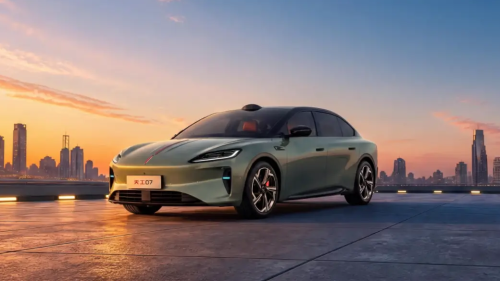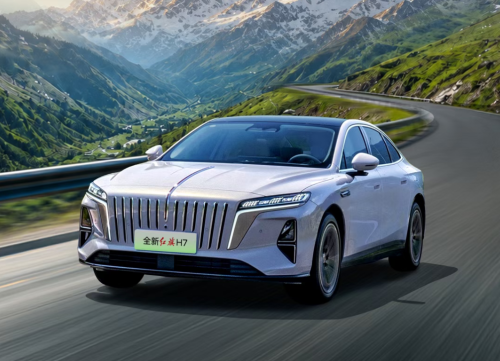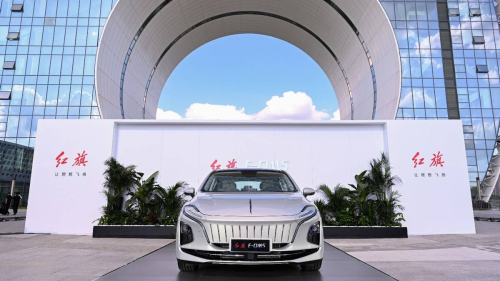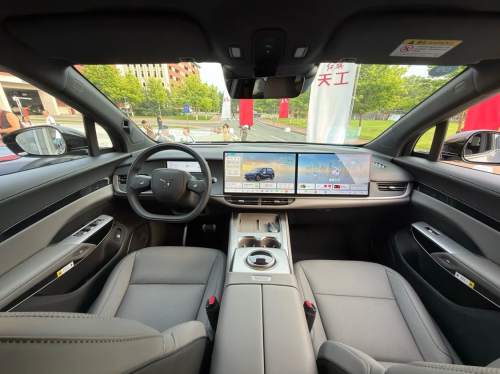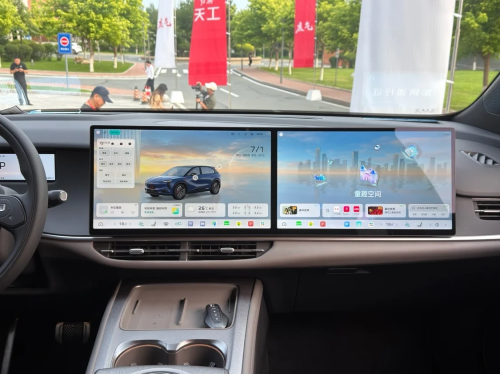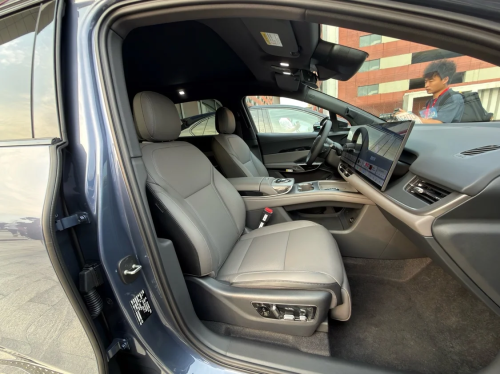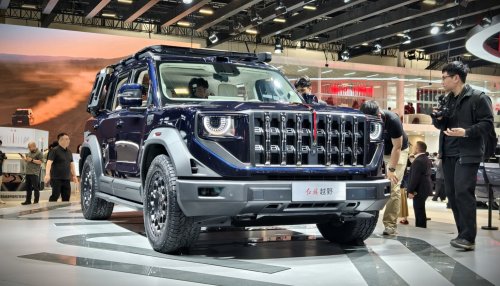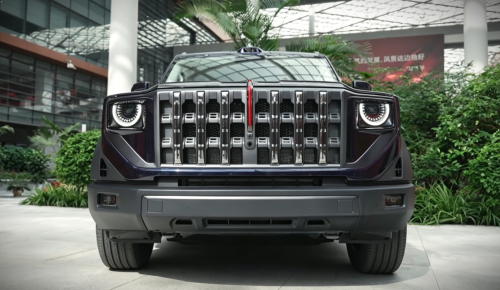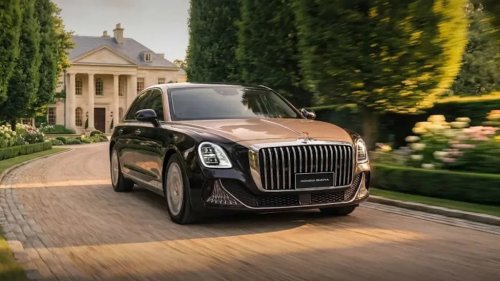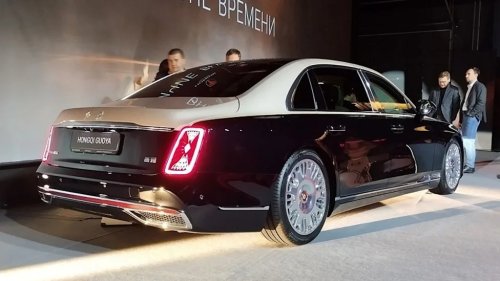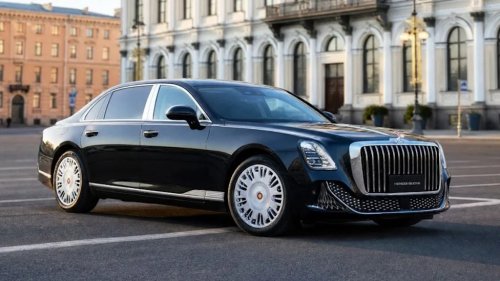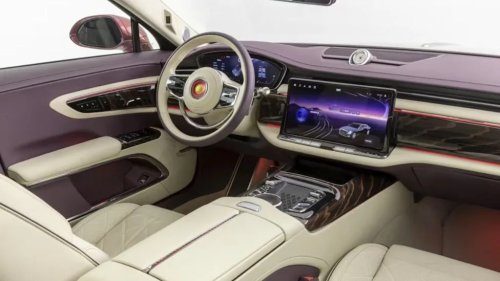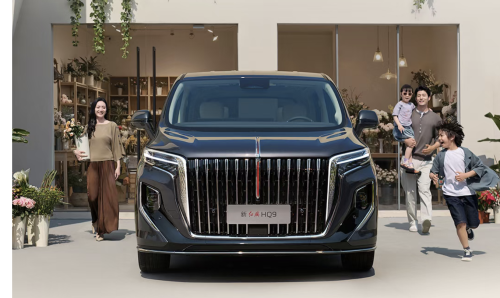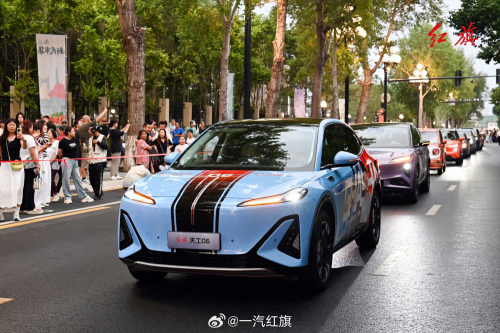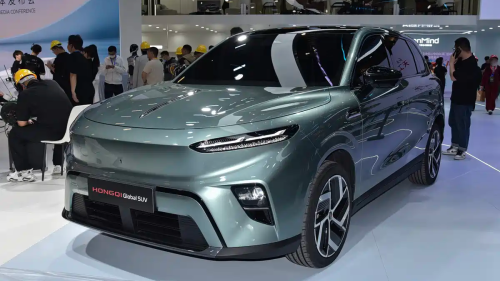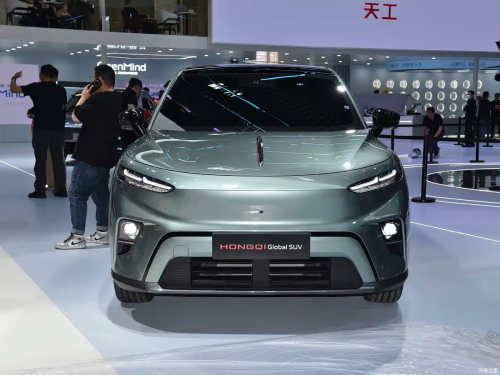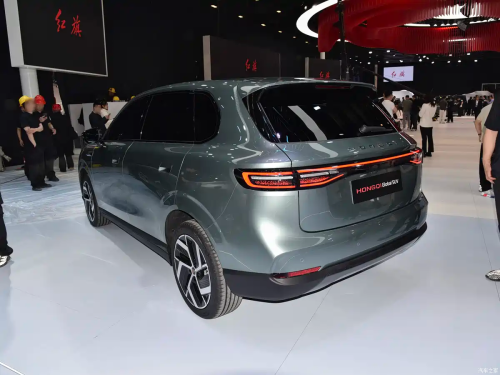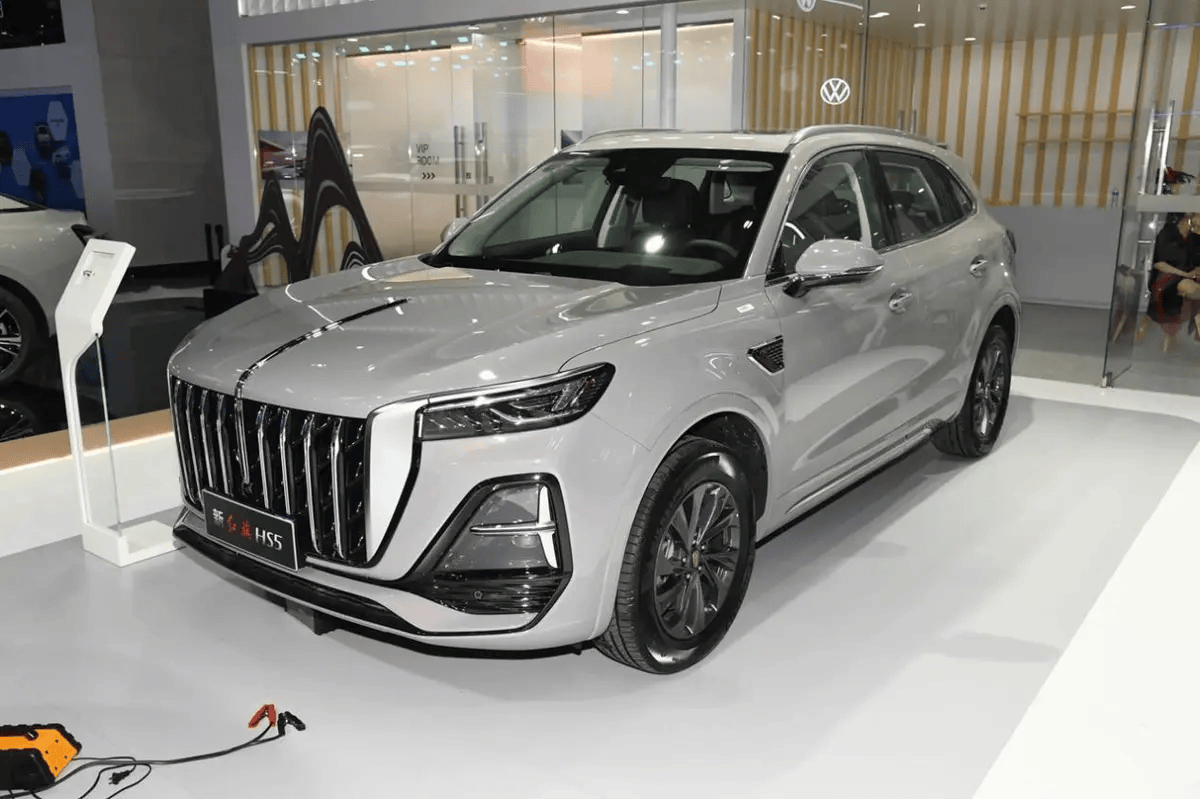
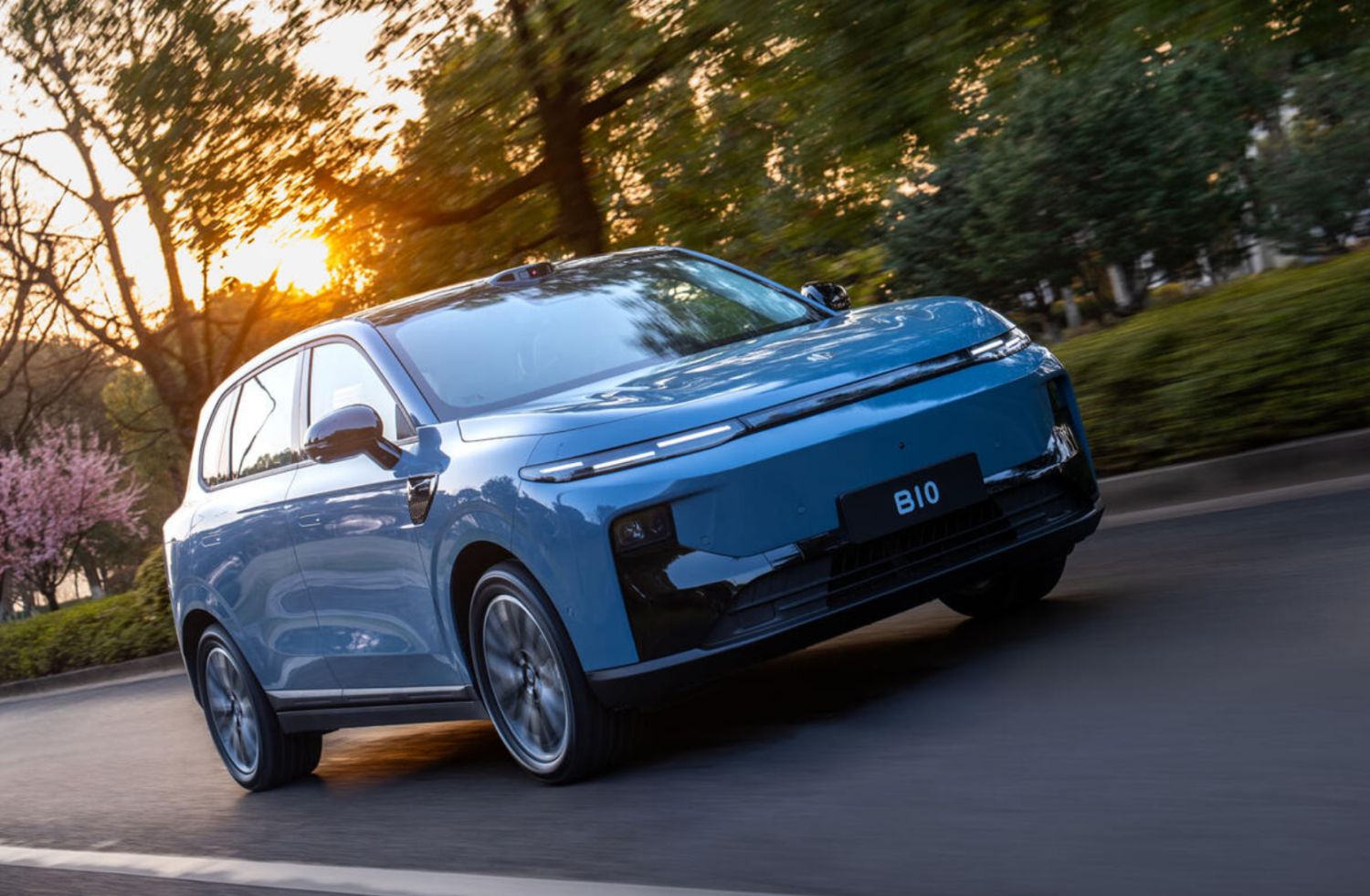
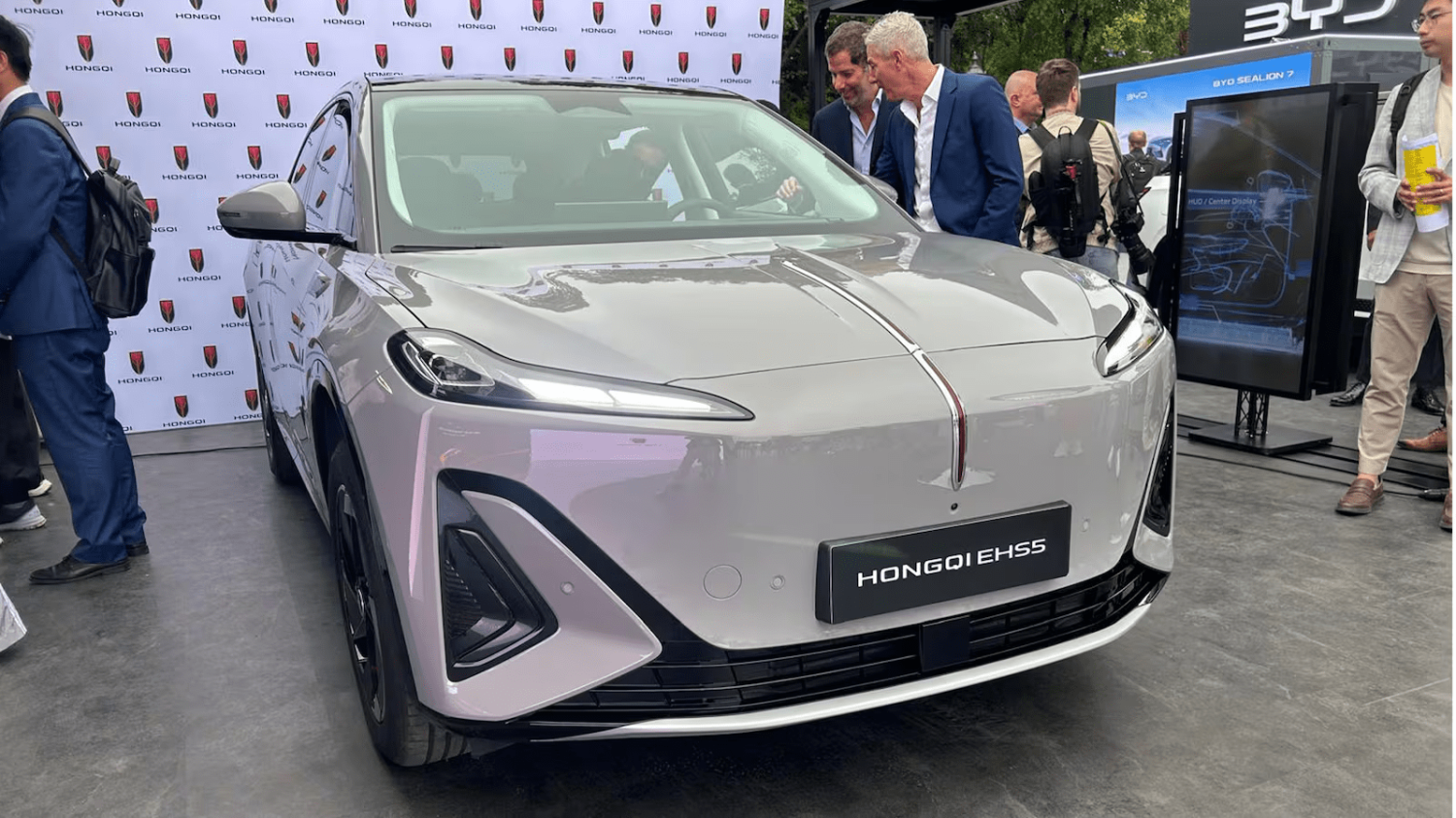


















FAW Hongqi is in talks with Stellantis to use its plant in Spain to produce vehicles, as part of efforts to expand its footprint in the European market, according to a Reuters report citing sources familiar with the matter. The negotiations are not being conducted in isolation. Sources said FAW Group established communication with Stellantis through Leapmotor, as both companies are shareholders in Leapmotor. Hongqi HS5 If implemented, the plan would allow Hongqi to leverage existing European production capacity to achieve localized assembly more quickly, accelerate market entry, and avoid significant upfront capital investment. The move comes as the European Union tightens tariff policies on China-made electric vehicles, prompting many Chinese automakers to pursue local production strategies. Companies including Changan and Dongfeng are also advancing plans for European manufacturing or partnership-based assembly. Stellantis has confirmed it will produce vehicles for Leapmotor at its Zaragoza plant in Spain, with production set to begin later this year. Leapmotor B10 produced in Stellantis’ spain plant Earlier this month, Reuters reported that Stellantis is in advanced talks with Leapmotor to jointly develop an electric SUV under the Opel brand, also to be manufactured at the Zaragoza facility. Sources added that Hongqi models could also be assembled at the same plant, which would become its first manufacturing base in Western Europe. From a product planning perspective, Hongqi announced last year that it aims to launch more than 15 new energy vehicle models across 25 European markets by 2028, covering both battery electric and hybrid offerings, and has already unveiled the compact electric SUV EHS5. Hongqi EHS5 Supporting such product density through exports alone would be difficult. In the longer term, Hongqi has set an internal target of achieving annual sales of 1 million units by 2030, with at least 10% coming from overseas markets. Europe is considered a key pillar of that strategy. In addition to Spain, FAW has also evaluated alternative approaches, such as establishing a production or transit base in Hong Kong to mitigate export tariffs, though no final decision has been made.