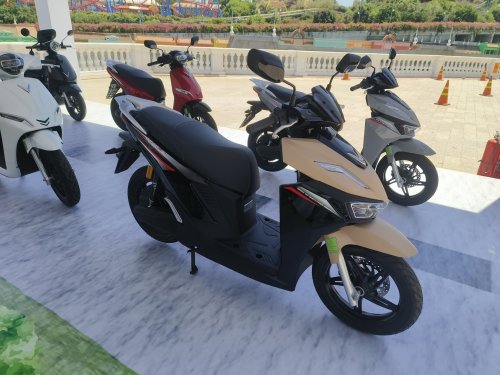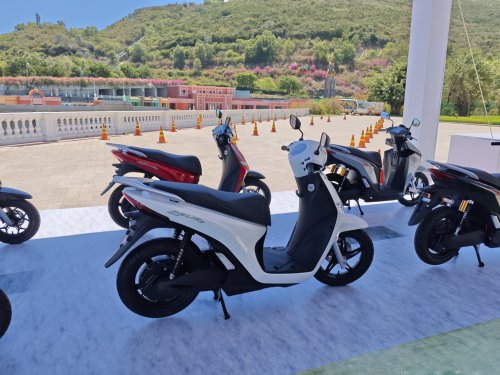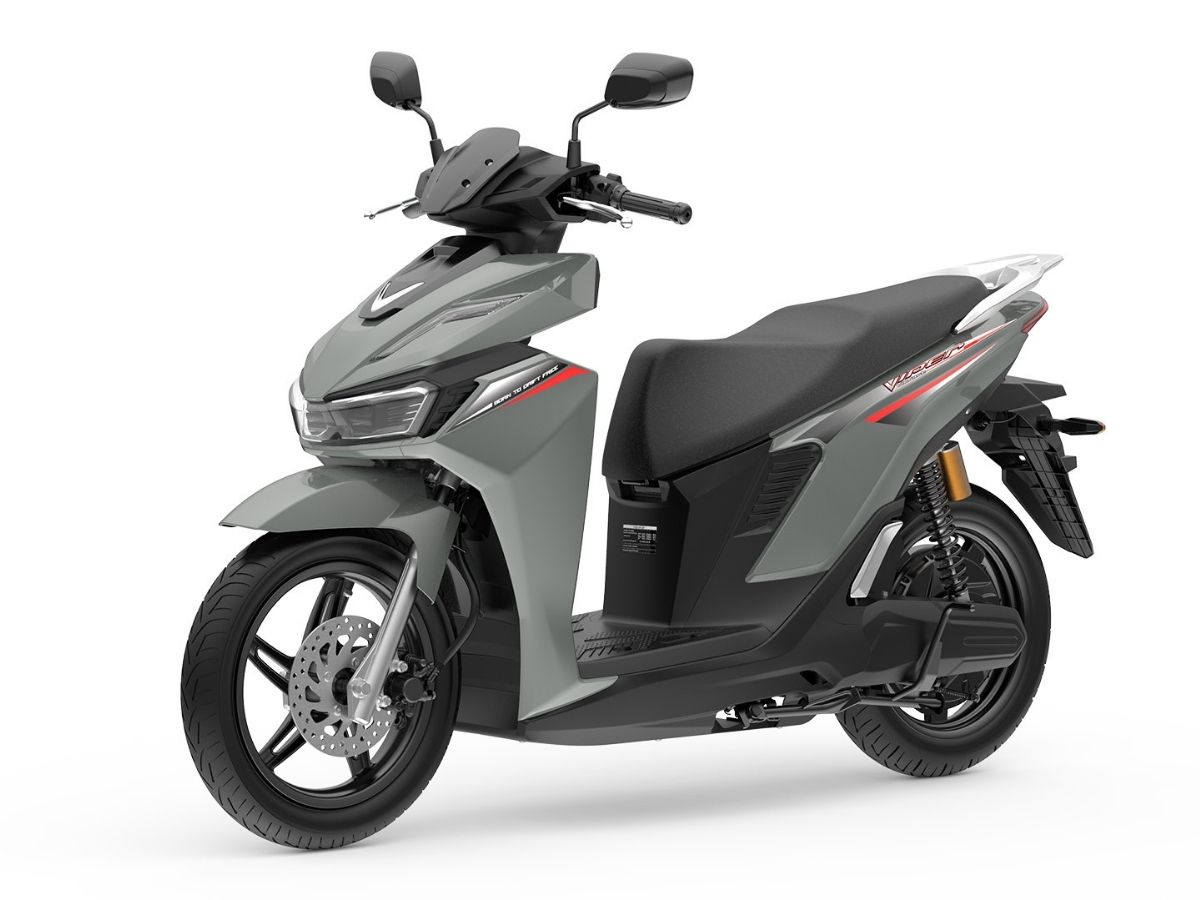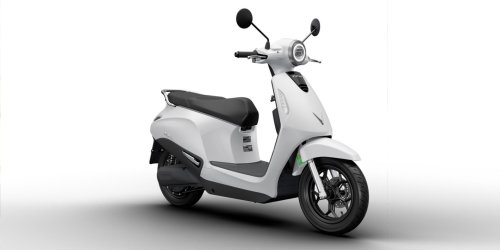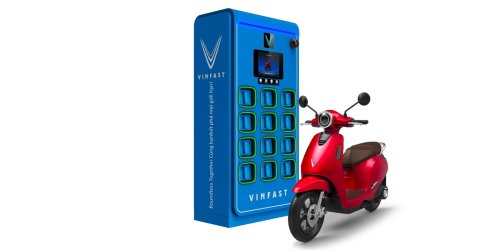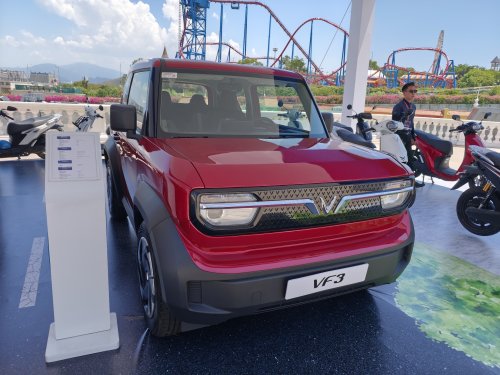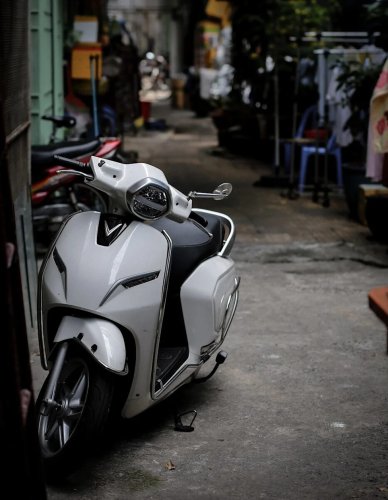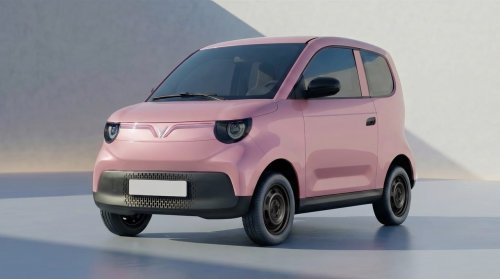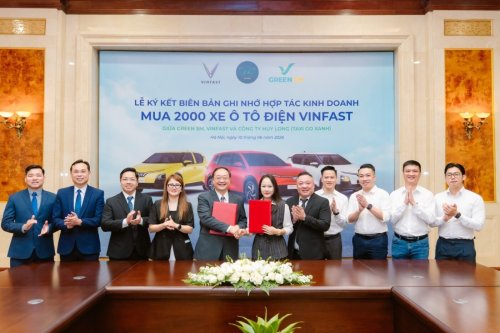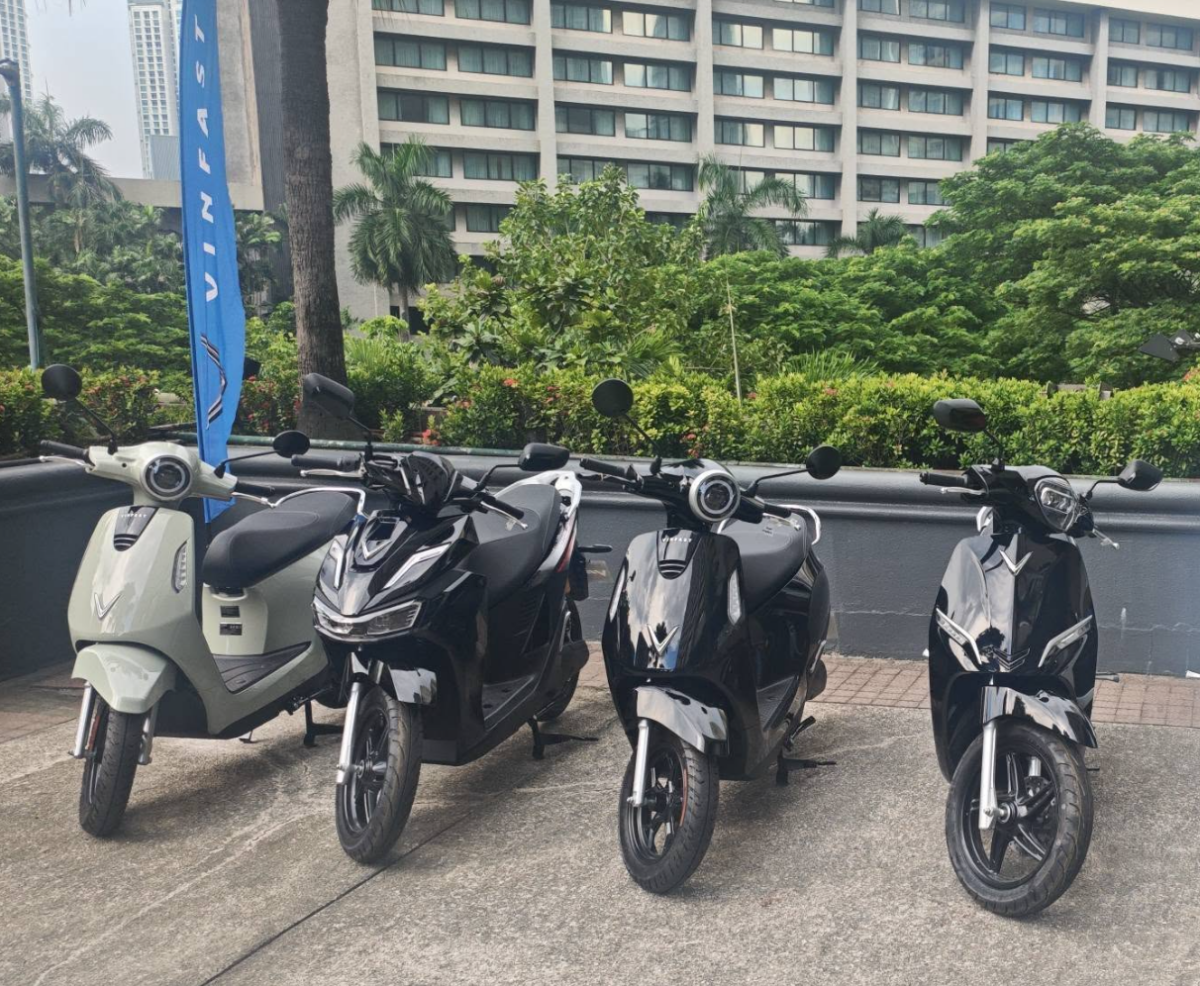
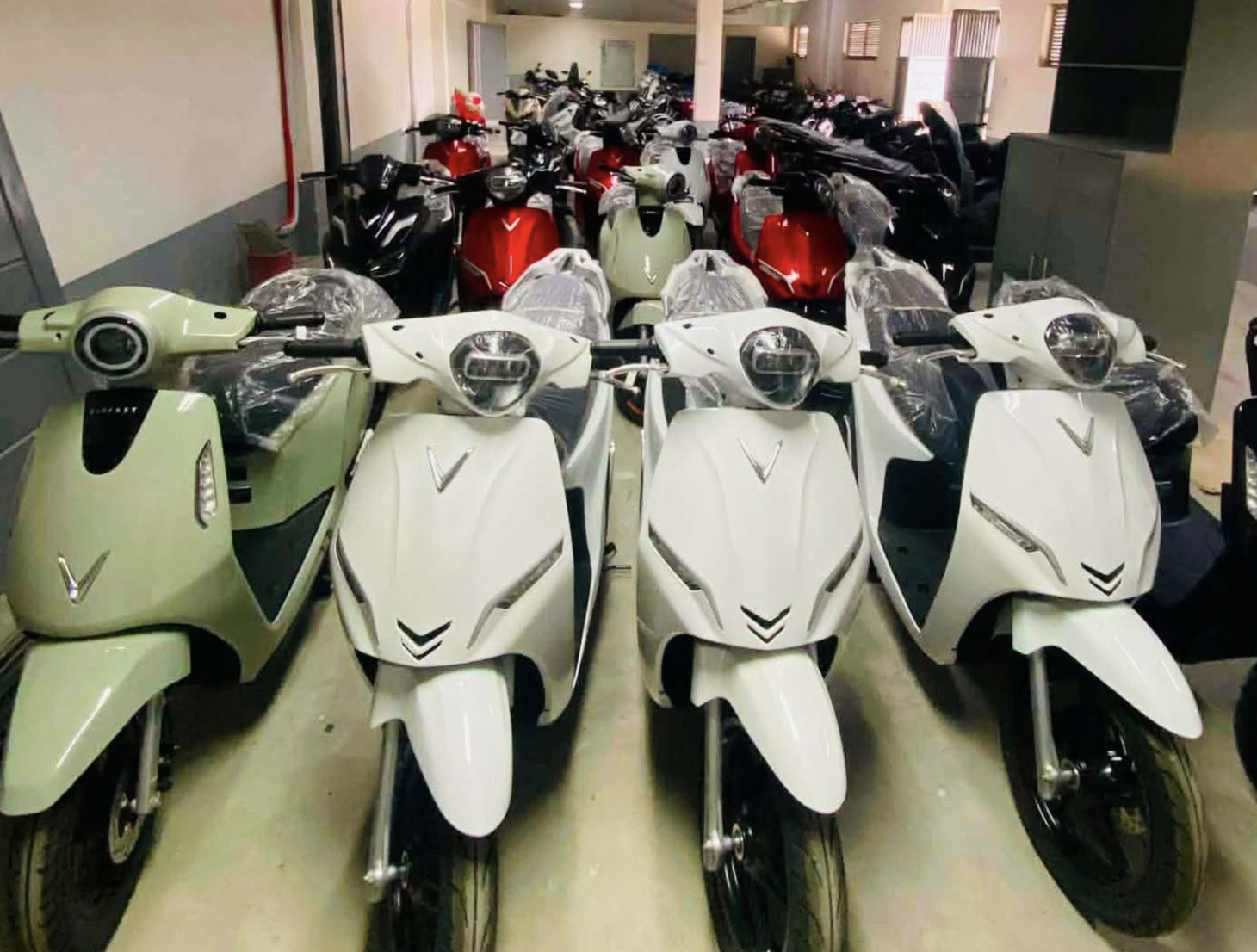
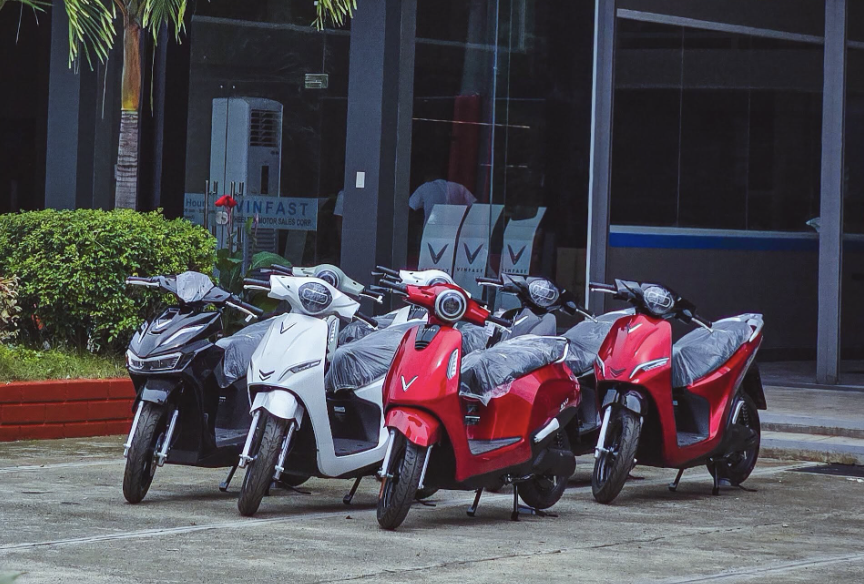



















VinFast expands retail footprint with new e-scooters and plans for 30,000 exchange hubs MANILA, Philippines — Vietnamese battery-electric vehicle maker VinFast has formally introduced its electric two-wheeler division to the Philippines, signaling a major push to decarbonize one of Southeast Asia’s most congested commuter landscapes. Marking its initial product rollout on July 31, the company is preparing to open its retail channels to public test drives, directly confronting the skepticism of traditional gasoline motorcycle riders who frequently cite range anxiety, charging logistics, and unproven vehicle durability as barriers to adoption. To back its commercial rollout, VinFast is executing a rapid brick-and-mortar expansion starting in August. The initial infrastructure strategy includes 21 retail showrooms opening immediately, with a pipeline of more than 100 additional locations planned across the country. Initial retail operations will focus on major urban centers, including Metro Manila, Metro Cebu, and Metro Davao, alongside high-density suburban hubs in Cavite, Laguna, Batangas, Rizal, and Bulacan. Prospective buyers can locate operational sites and schedule test rides through the company’s regional digital portal at vinfastauto.ph/en. A central column of the VinFast market strategy relies on solving the urban charging conundrum through infrastructure rather than forcing riders to rely solely on home outlets. The company plans to deploy roughly 30,000 automated battery-swapping cabinets nationwide in partnership with local infrastructure operators. Designed to mimic the brevity of a conventional gas station pit stop, the automated cabinet system allows users to exchange a depleted energy pack for a fully charged unit in under one minute. Swaps at public stations carry a flat service fee of P35, or roughly 60 cents in U.S. currency, offering a predictable operational expense model for daily gig workers and urban commuters alike. The debuting product portfolio comprises three distinct models built on a shared 5,200-watt BLDC in-wheel motor architecture and dual under-seat battery slots capable of housing two 1.5 kilowatt-hour lithium iron phosphate energy modules. All three vehicles feature IP67 water and dust resistance ratings for both the motor and controller, allowing safe operation through flooded urban streets up to half a meter deep for 30 minutes. Serving as the entry point into the catalog, the VinFast Evo targets urban commuters who prioritize agility and classic aesthetic styling. Designed with subtle European visual cues, the Evo reaches a top speed of 80 kilometers per hour and achieves an operational range of up to 150 kilometers under standard conditions when equipped with dual batteries. Under the company’s flexible acquisition structure, the vehicle retails for P70,000, or approximately $1,210, under a battery subscription agreement. Purchasing the scooter with a single battery unit increases the price to P82,700, or about $1,430, while the complete dual-battery package costs P95,400, or roughly $1,650. Positioned in the middle of the lineup, the VinFast Feliz II provides a more utilitarian, family-oriented profile tailored to routine errands and daily suburban transport. The Feliz II rolls on 14-inch wheels and incorporates full LED lighting, 10 liters of under-seat storage space, and improved ergonomic seating. Performance specs match its broader frame, delivering a higher top speed of 90 kilometers per hour and an operational radius of up to 145 kilometers on a full dual-battery charge. The Feliz II starts at P72,400, or about $1,250, under the subscription program, moving to P85,100, or $1,470, with one battery, and P97,800, or $1,690, for the two-battery variant. VinFast scooters at a Wheeltek dealership. Photo by DBET. Occupying the top tier of the initial lineup, the VinFast Viper caters to riders seeking aggressive performance aesthetics inspired by modern Japanese sport scooters. The Viper features sharp body lines, projector LED headlamps, a digital TFT instrument cluster, a smart key system, and dual rear shock absorbers equipped with external gas reservoirs. Matching the 90 kilometer-per-hour peak speed of the Feliz II, the Viper delivers instant electric torque for quicker acceleration in dense traffic while offering up to 145 kilometers of range with dual batteries. The standalone Viper carries a sticker price of P81,900, or roughly $1,415, under the subscription model. Equipping the vehicle with one battery pack brings the cost to P94,600, or $1,635, while the fully loaded dual-battery edition reaches P107,300, or about $1,855. To lower upfront purchase prices and encourage quick transition from internal combustion engines, VinFast separates vehicle ownership from battery ownership through its subscription framework. Riders who opt for the subscription model pay a recurring monthly fee of P439, or around $7.60, per battery unit. Under this arrangement, VinFast retains ownership of the energy modules, assuming all financial risks associated with long-term battery degradation. The company guarantees free battery maintenance or full replacement whenever maximum charging capacity drops below 70 percent. To reassure consumers entering the electric ecosystem for the first time, VinFast provides a comprehensive manufacturer warranty totaling 6 years or 72,000 kilometers. This package combines a baseline 4-year or 60,000-kilometer vehicle warranty with an additional 2-year or 12,000-kilometer extension, establishing one of the longest coverage periods in the regional two-wheeler market. The arrival of VinFast in the Philippine two-wheeler market represents a vital shift in regional electrification efforts. Millions of gas-powered motorcycles currently dominate Philippine streets, contributing significantly to urban carbon emissions and localized noise pollution. By providing high-capacity LFP battery technology, rapid automated swapping infrastructure, and flexible pricing structures, the Vietnamese manufacturer is making a calculated bet that affordable operational economics can finally displace petroleum reliance across Southeast Asia.