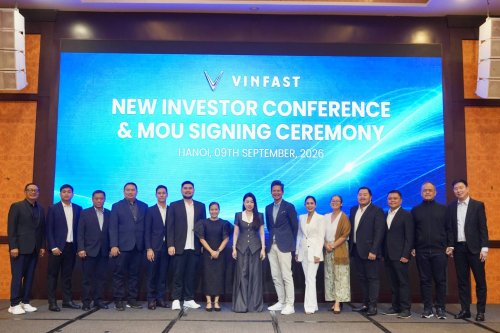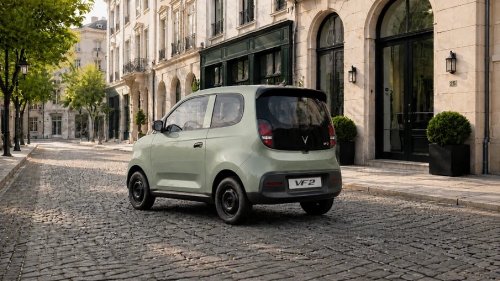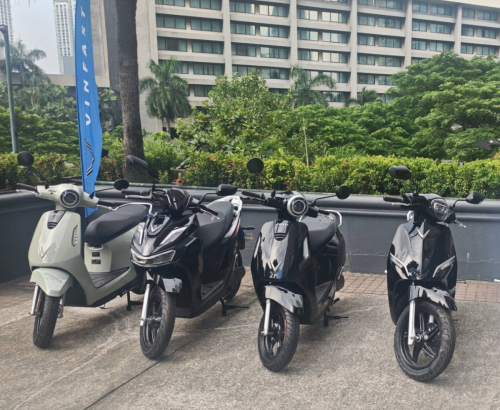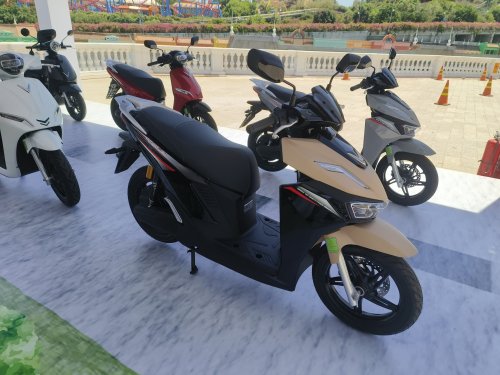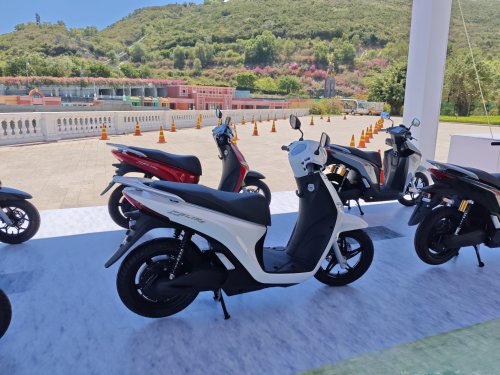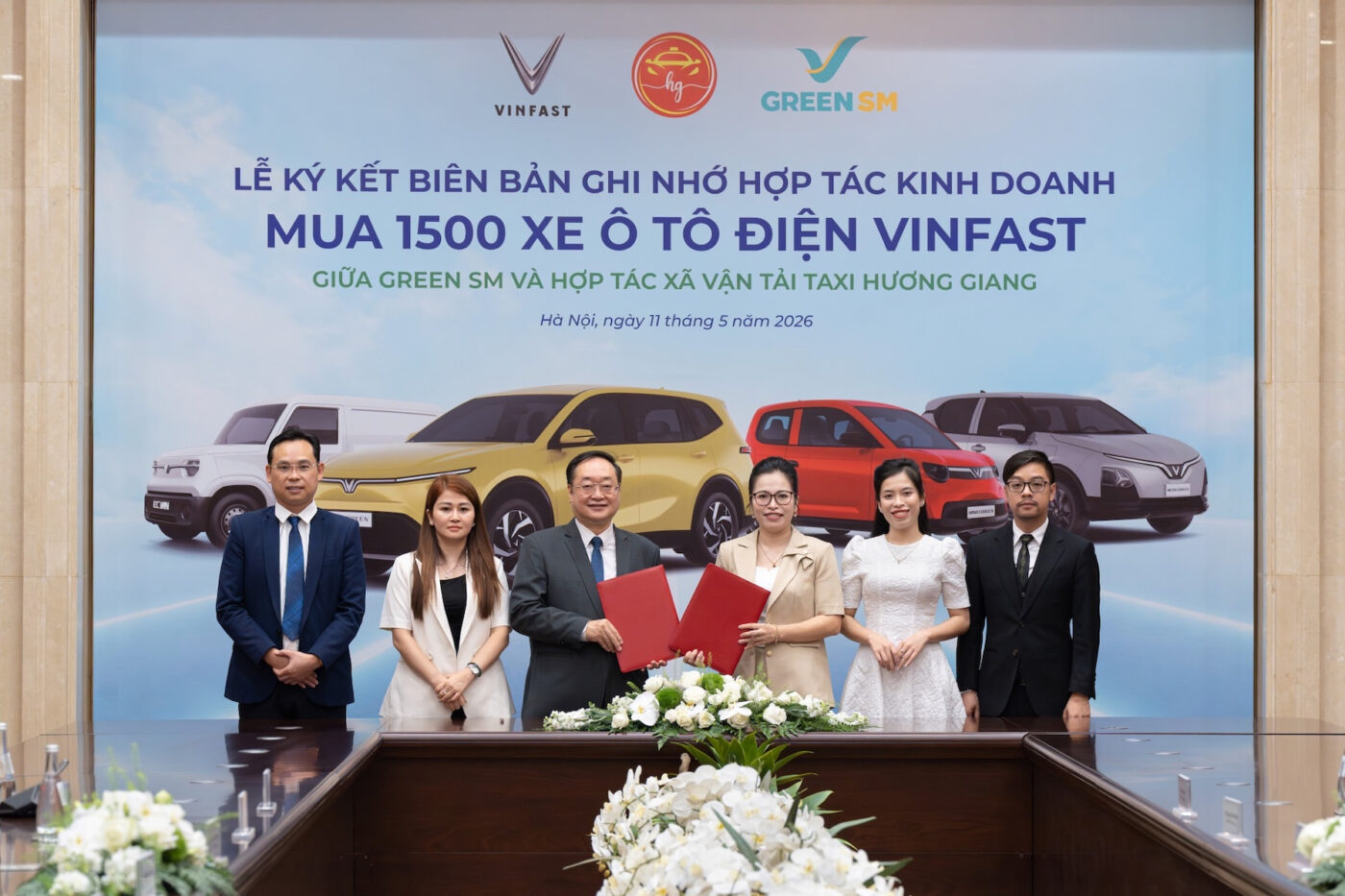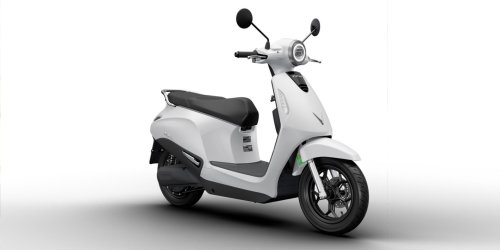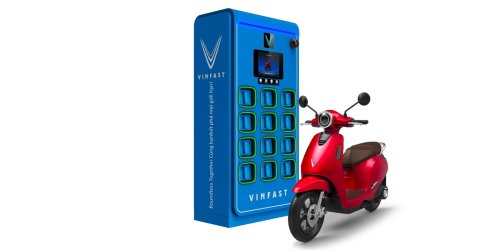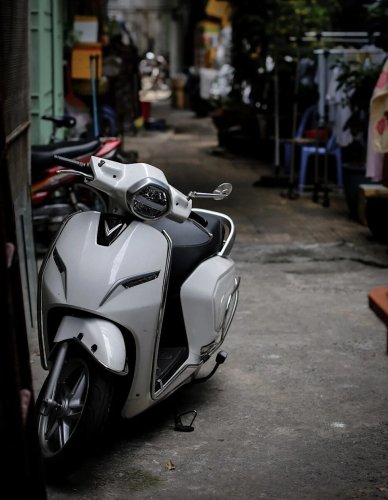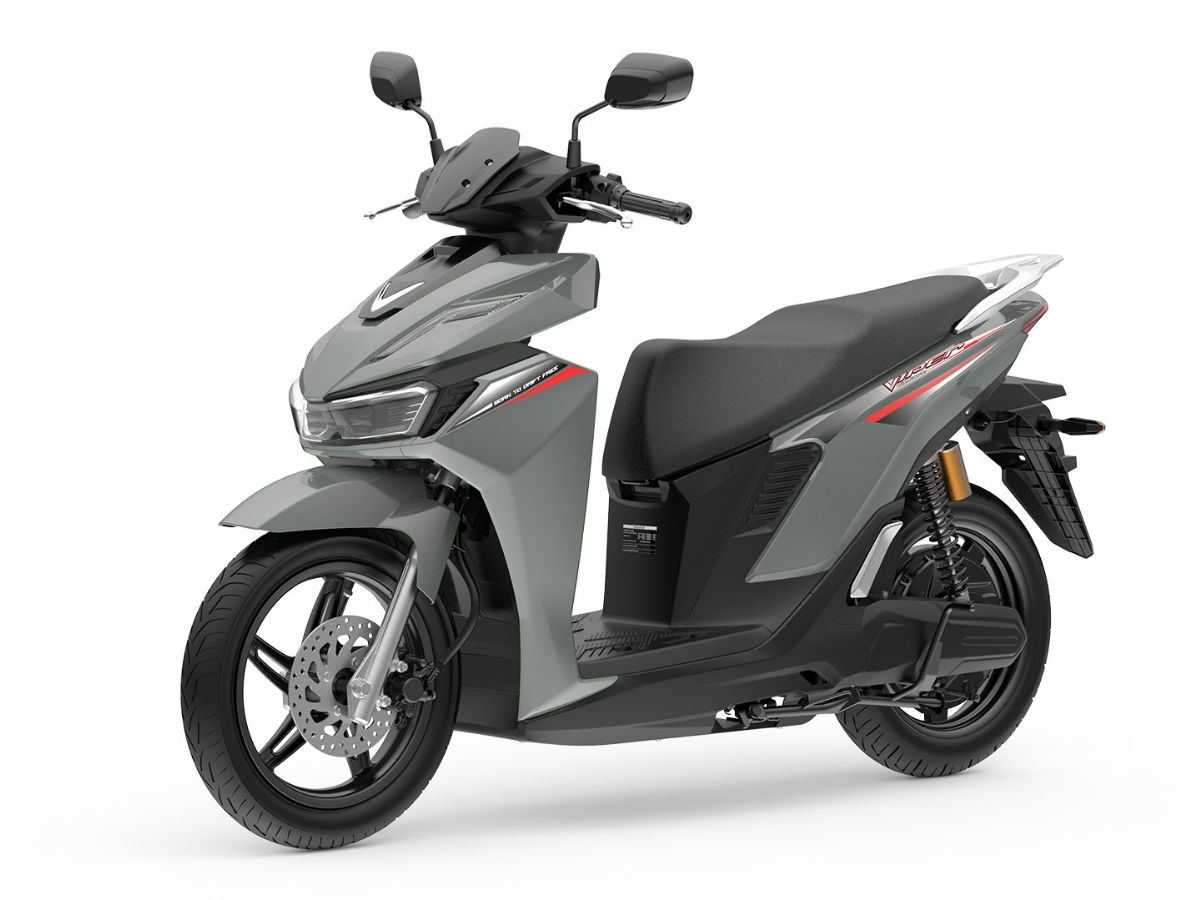



















VinFast has addressed the critical pillars of supply and infrastructure by integrating its retail network with an aggressive energy ecosystem. As of April 2026, the company is shifting from administrative planning to the physical deployment of vehicles and energy infrastructure, positioning the Philippines as its primary testing ground for large-scale two-wheel electrification. The actual launch is expected by June this year. The supply of e-scooters for the Philippine market is secured through VinFast’s manufacturing hub in Vietnam, which produced over 400,000 units in 2025. For the local rollout, VinFast has moved beyond centralized distribution by delegating regional inventory management to its 19 signed dealer partners (including the 14 new partners joined this month). This localized supply chain strategy ensures that the Evo, Feliz II, and Viper models are stocked across high-demand urban clusters. By partnering with established entities like Wheeltek and Transcycle, VinFast leverages existing logistics routes and warehousing already used for traditional motorcycles, ensuring that units and spare parts are available in Metro Manila, Cebu, and Davao simultaneously with the June 2026 launch. Infrastructure development is being spearheaded by V-Green, the global energy network affiliate of VinFast. The strategy prioritizes swapping over traditional plug-in charging to suit the fast-paced urban environment of the Philippines. VinFast has set a near-term goal of 30,000 battery-swapping stations nationwide. This scale is intended to make the swapping network roughly 1.5 times more prevalent than existing traditional fuel stations. V-Green is utilizing modular battery-swap cabinets that can be installed at dealerships, partner retail locations (such as malls, stores and appliance outlets), and public hubs. These cabinets are designed to be weather-resistant and compatible with the LFP (Lithium Iron Phosphate) batteries used in the initial e-scooter lineup. To accelerate adoption, VinFast and GSM (Green SM) have introduced policies that offer free charging/swapping for driver-partners through March 31, 2029. For private consumers, the battery-swap fee has been set at a competitive rate of approximately 20 pesos per swap, significantly lower than current fuel costs for equivalent distances. Supply and infrastructure are also being bolstered by the launch of the Green SM Platform in the Philippines this month. This digital ecosystem allows VinFast owners to register as service partners, essentially creating a commercial supply of vehicles on the road. By integrating the vehicles with a dedicated ride-hailing and delivery platform, VinFast ensures a high utilization rate for its battery-swap stations, providing the necessary volume to justify and sustain the rapid expansion of the infrastructure across the archipelago. The VinFast Viper. (Photo from VinFast)