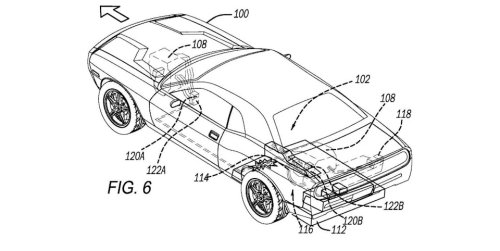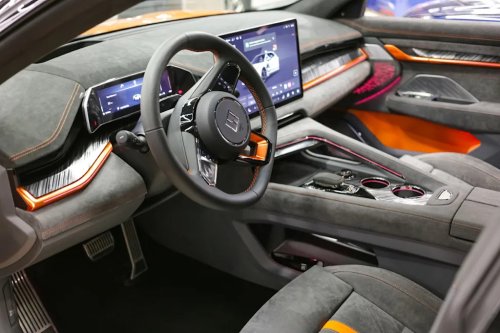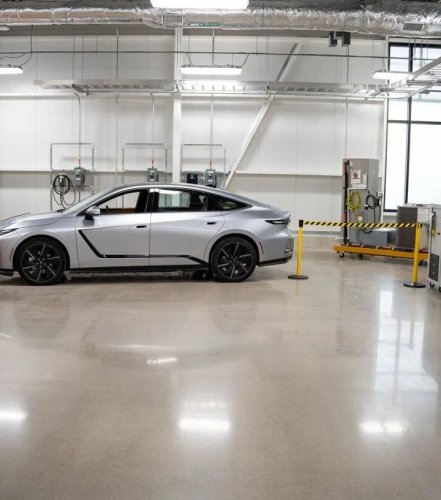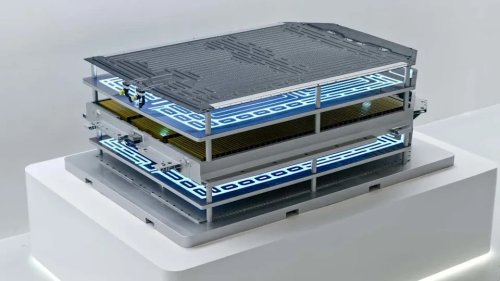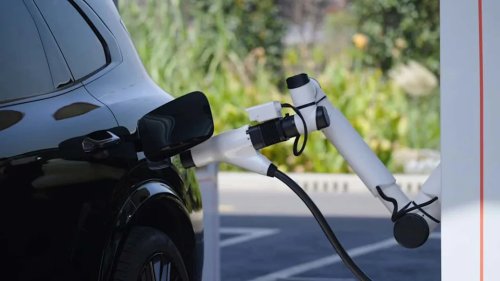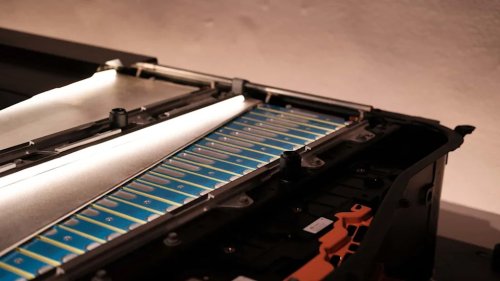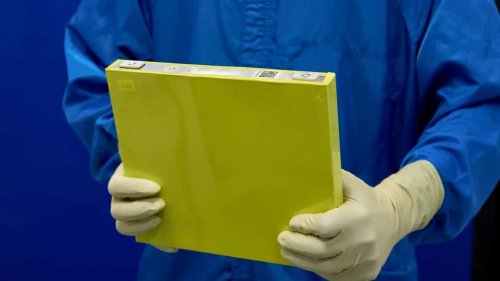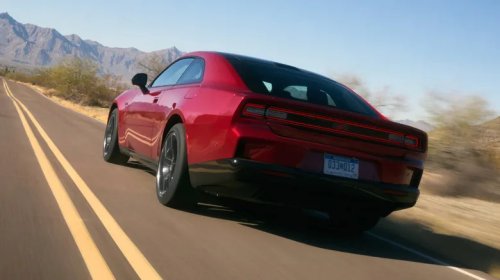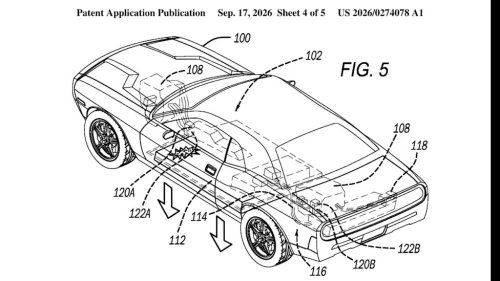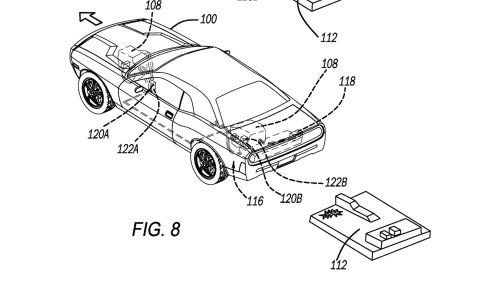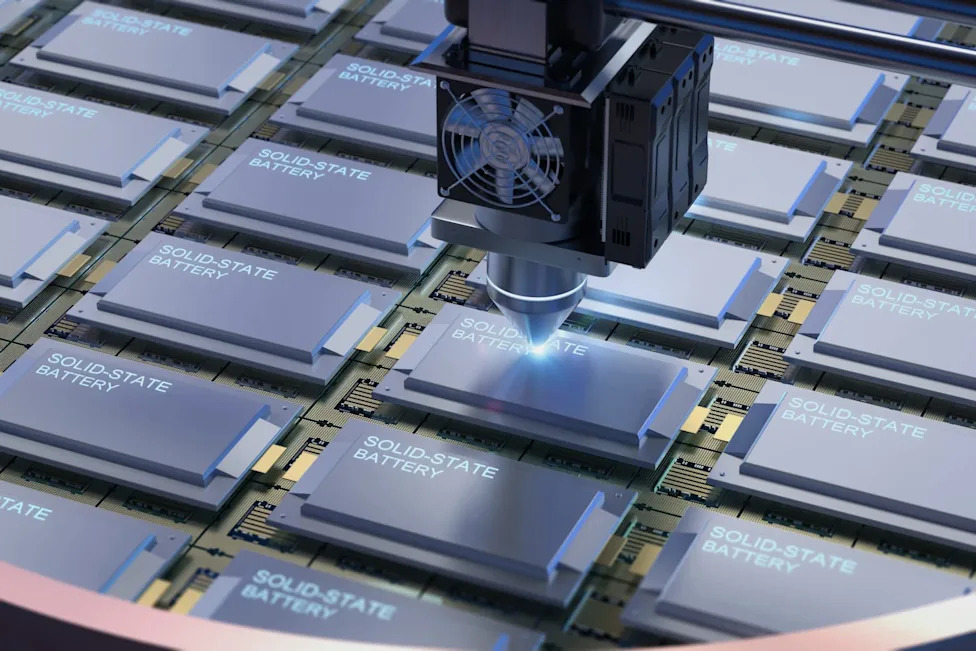



















Photo Credit: iStockA new partnership between two major battery companies could help bring one of the electric vehicle industry's most talked-about technologies closer to everyday drivers. South Korea's SK On and U.S.-based Factorial Energy are teaming up to explore how solid-state batteries can move beyond promising prototypes and into mass production.What happened?According to Electrek, the agreement, formalized in a memorandum of understanding, would link Factorial's solid-state battery technology with SK On's global production base. Part of that effort will focus on determining whether SK On's current plants could eventually be used for large-scale solid-state battery manufacturing.AdvertisementAdvertisementElectrek noted that, compared with today's lithium-ion batteries, solid-state designs are often viewed as a possible next step because they offer potential higher energy density, more driving range, and shorter charging times. The challenge is that making them in high volumes has continued to be costly and difficult.The outlet reported that Factorial has already been building momentum in the space. The company recently began North American trials of its FEST solid-state battery cells through work with Stellantis, placing them in a Dodge Charger Daytona prototype.In tests, Stellantis said Factorial's battery cells achieved impressive performance. Electrek noted the company saw cells reach 170 watt-hours per pound and could be charged from 15% to 90% in 18 minutes.Why does it matter?If solid-state batteries can be made reliably and affordably, the benefits could extend well beyond EV enthusiasts.AdvertisementAdvertisementLonger-range batteries could make road trips easier and reduce the need for frequent charging stops, while faster charging could save drivers time during daily commutes and family travel.Lighter, more energy-dense battery packs could also help automakers build more efficient vehicles, potentially lowering operating costs over time.For cities, delivery fleets, and companies with large transportation needs, that could mean less downtime and better performance in hot or cold weather.The technology may have uses beyond passenger cars as well. Factorial has said, as reported by Electrek, its batteries could support grid energy storage as well, pointing to possible value for backup power systems that help communities and businesses stay more resilient during outages and extreme weather.What's being done?SK On brings major production capacity to the partnership.AdvertisementAdvertisementAccording to Electrek, the company counts Hyundai Motor Group, Ford, and Volkswagen among its EV battery customers and has more than 200 gigawatt-hours of annual production capacity worldwide, with roughly 100 gigawatt-hours of that in the U.S.That gives Factorial a path to test whether its technology can fit into real-world factory systems instead of remaining limited to the lab.Factorial, meanwhile, is continuing to expand its partnerships across the auto industry, including work with Mercedes-Benz, Hyundai, Kia, and Stellantis, as Electrek reported.Electrek noted that last year, Mercedes-Benz was able to travel 745 miles on a single charge in one of its vehicles using Factorial's solid-state cells, and Mercedes' tech boss Markus Schäfer described the technology as a potential "game-changer" for EVs.AdvertisementAdvertisementPartnerships like this could help speed the timeline for better batteries that charge faster, go farther, and may eventually support more affordable, more reliable electric transportation and energy storage.Get TCD's free newsletters for easy tips, smart advice, and a chance to earn $5,000 toward home upgrades. To see more stories like this one, change your Google preferences here.