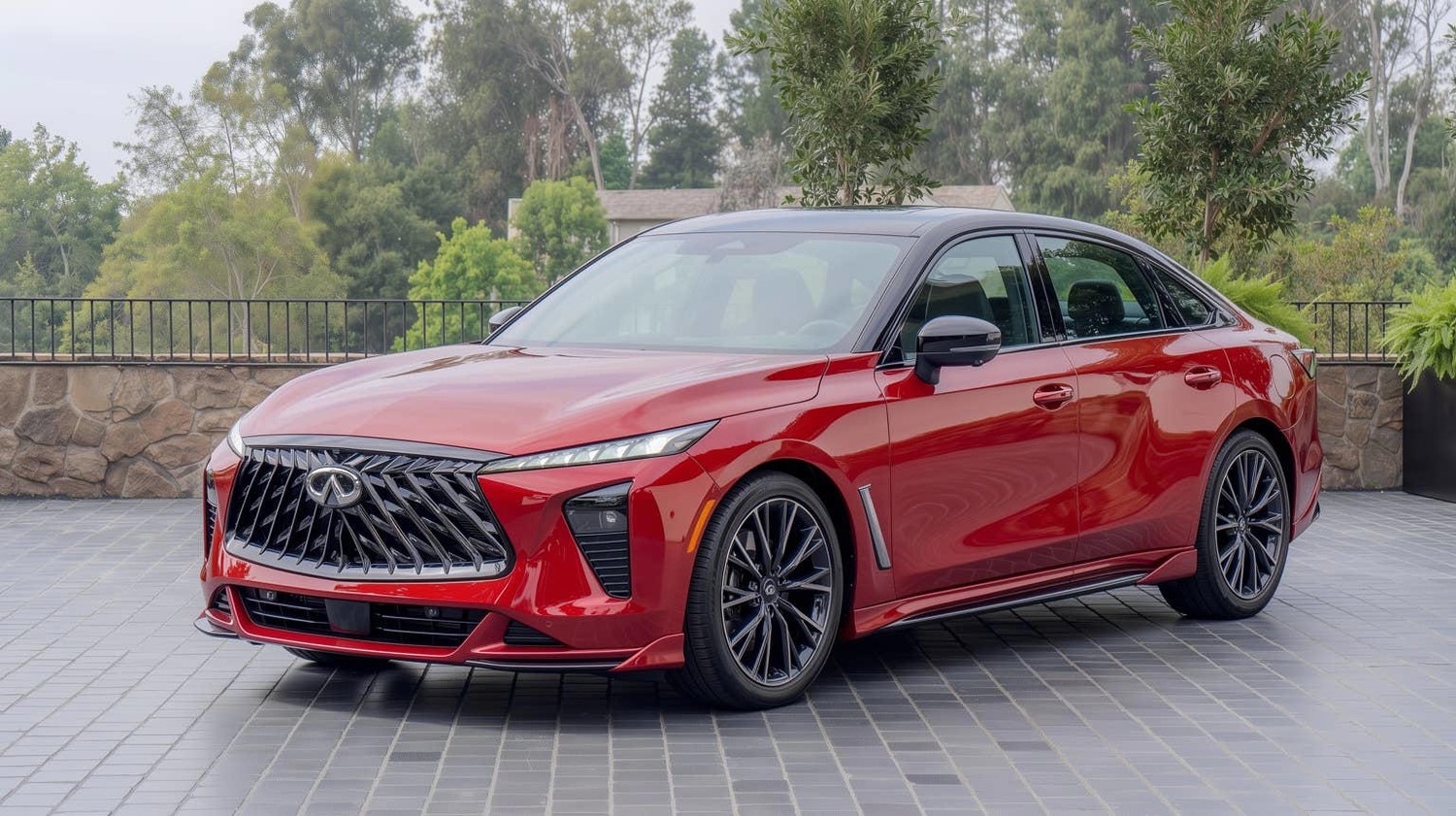
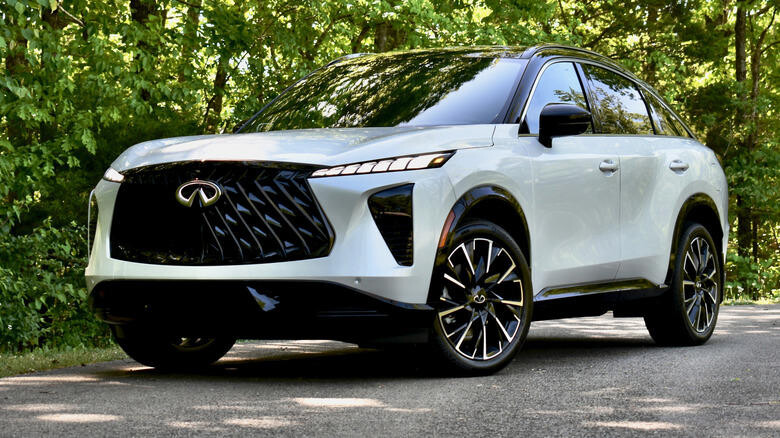
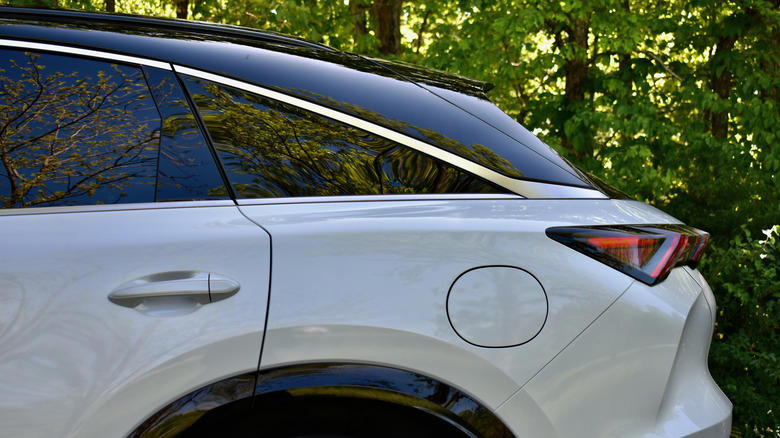
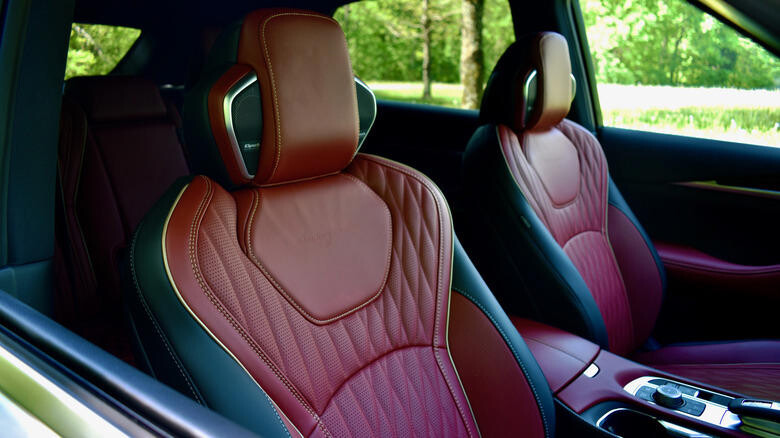
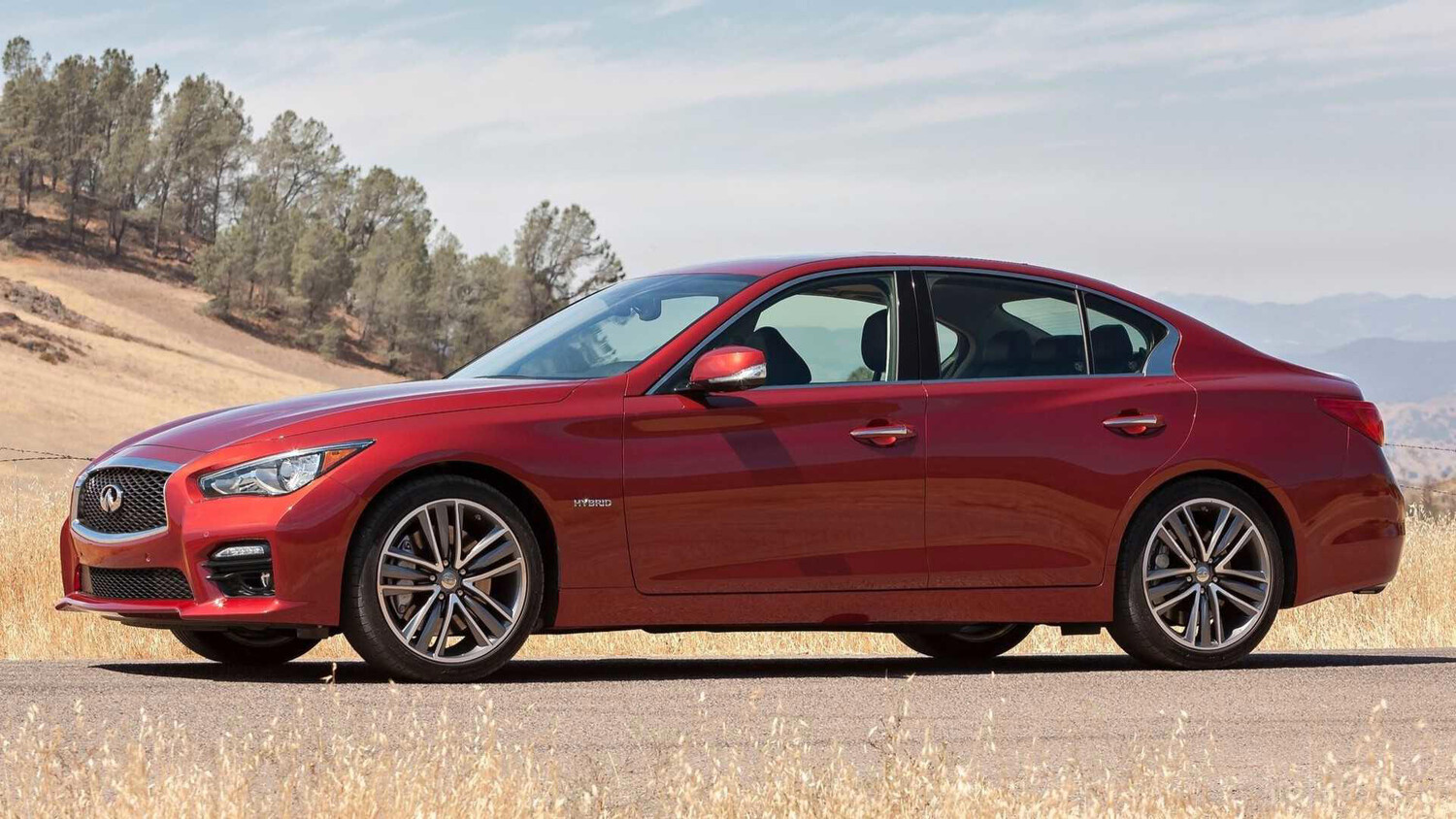
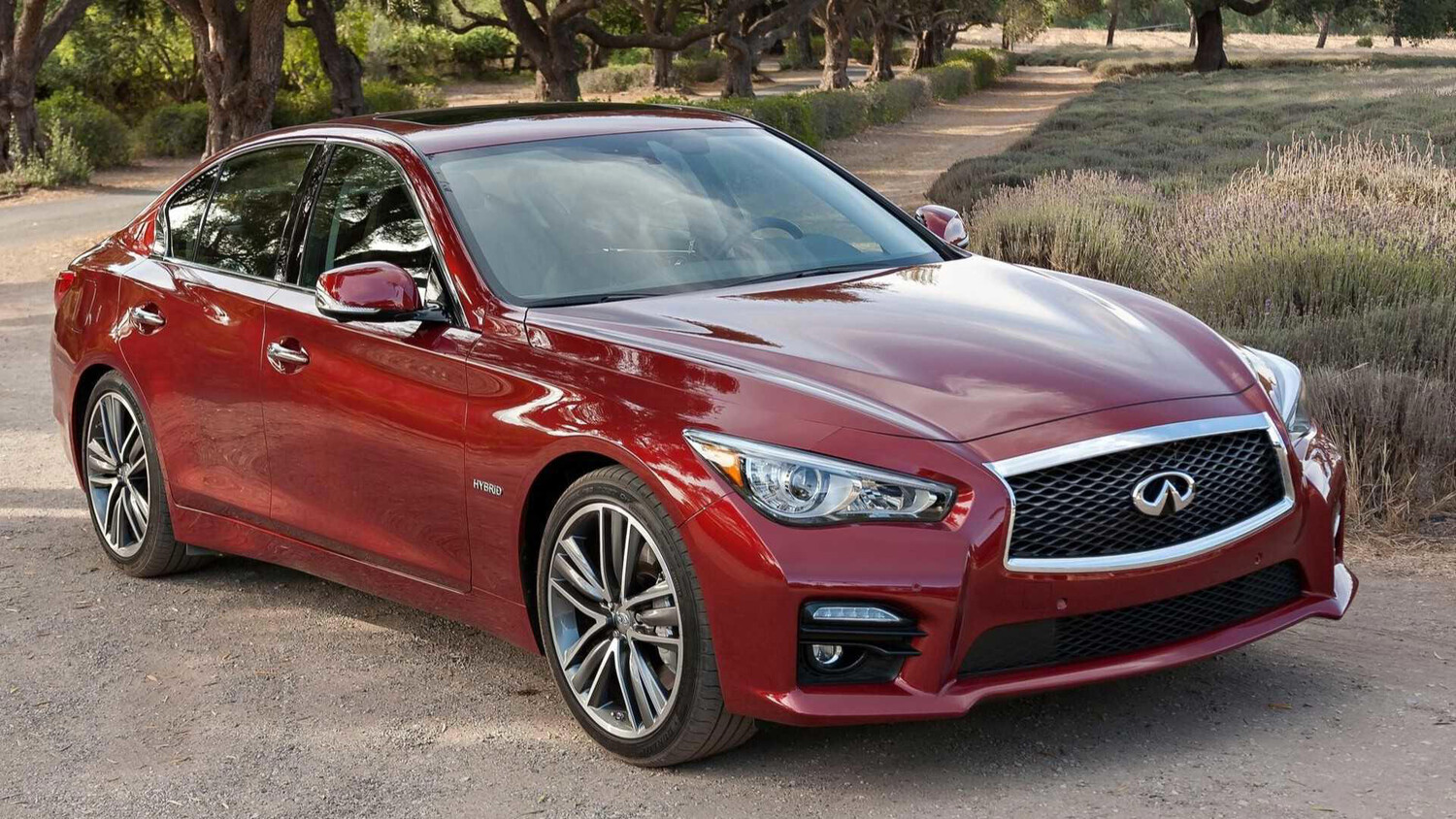
To Infiniti and Beyond… SUVs Infiniti is apparently getting back into the sports sedan business, and frankly, it’s about time. After discontinuing the Q50 following the 2024 model year, Nissan’s luxury division left itself without a single sedan in its American lineup. It’s the only premium brand that’s placed itself in this situation, unless you consider Buick at the same level. Now, a new generation of the Q50 is reportedly in development, potentially bringing rear-wheel drive, a twin-turbocharged V6, and a renewed emphasis on driving excitement. It’s welcome news for enthusiasts, but it also raises a much bigger question: Can one compelling sports sedan rescue a luxury brand struggling with its current three SUV model lineup? In 2026, Infiniti only sells the QX80, QX60, and the QX65. While that might not amount to a full-on identity crisis, the brand isn’t exactly at the top of buyers lists these days. Can the brand gain back what little premium sedan market share it had a few years ago amid all the challenges it’s facing now? The Return of the Q50 The original Q50 was pretty good sedan, but it couldn’t compete with the likes of BMW, Audi, Mercedes, and Lexus, its very targets. In fact, its available 400-horsepower twin-turbocharged V6 made the Red Sport 400 a genuinely quick alternative to the BMW 3 Series and Mercedes-Benz C-Class. Unfortunately, the Infiniti suffered from an aging platform, dated technology, and an interior that felt old when it debuted. That’s not a wholly convincing execution in a cutthroat segment. Amos Kwon using ChatGPT The next Q50 could address some of those shortcomings. Reports suggest Infiniti is planning a more enthusiast-focused sedan, possibly with a manual transmission and performance credentials inspired by the legendary Nissan Skyline. That’s a pretty intriguing proposition, especially as competitors embrace electrification and technology over traditional driving engagement. The swath of customers the new Q50 is going after isn’t exactly wide. It’s a more complex equation for sports sedans these days, and you can especially see it in BMW’s latest 3-Series with both gas and electric choices. Infiniti’s Problems Run Much Deeper Unfortunately, an exciting new sedan won’t solve Infiniti’s most pressing problems. The brand has struggled with declining sales, an inconsistent product strategy, and a shrinking lineup. The brand had six distinct models ten years ago, and now it’s down to half that. U.S. sales exceeded 150,000 vehicles in 2017 but fell to just 58,070 in 2024. That’s a staggering decline for a company once considered a serious Japanese luxury contender. Infiniti also suffers from a lack of clear differentiation. It has struggled to create a truly distinct flavor in the near luxury genre. Others have been far more successfu, as exhibite by deep and wide model lines. Lexus has built its reputation around reliability and refinement, while BMW emphasizes performance and Mercedes-Benz prioritizes luxury and technology. Genesis, meanwhile, has emerged as a formidable competitor with attractive designs, impressive interiors, and aggressive pricing. There’s also the issue of product development. Infiniti has repeatedly struggled to keep its vehicles technologically competitive, particularly when it comes to infotainment systems, powertrain efficiency, and interior sophistication. Its current but very small lineup shows promise, but the QX60, QX65, and QX80 have uphill battles against more distinct and more advanced competitors. Final Thoughts The return of the Q50 is promising news, but will its arrival be too late for the brand? Infiniti needs more than another performance sedan. It needs a coherent identity, competitive products, and a compelling reason for luxury buyers to visit its dealerships. One sporty sedan can’t fix all that in one fell swoop. Perhaps the new Q50 can recapture some of that magic. But unless Infiniti addresses its deeper problems, even an excellent sports sedan risks becoming another promising product trapped within a struggling brand.