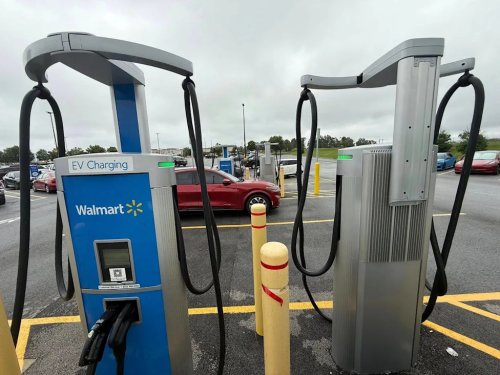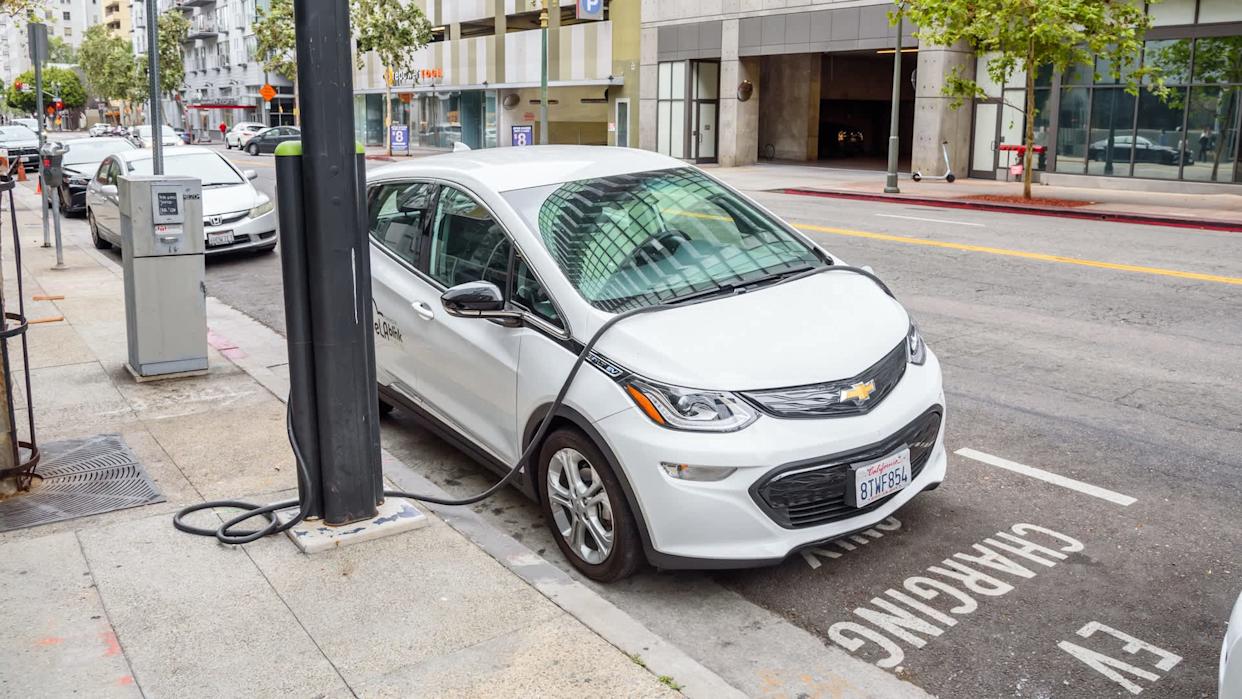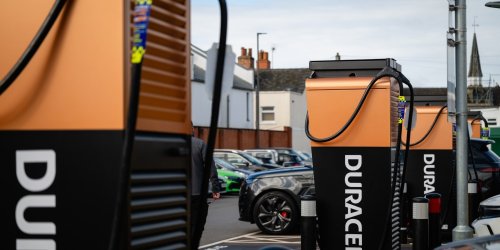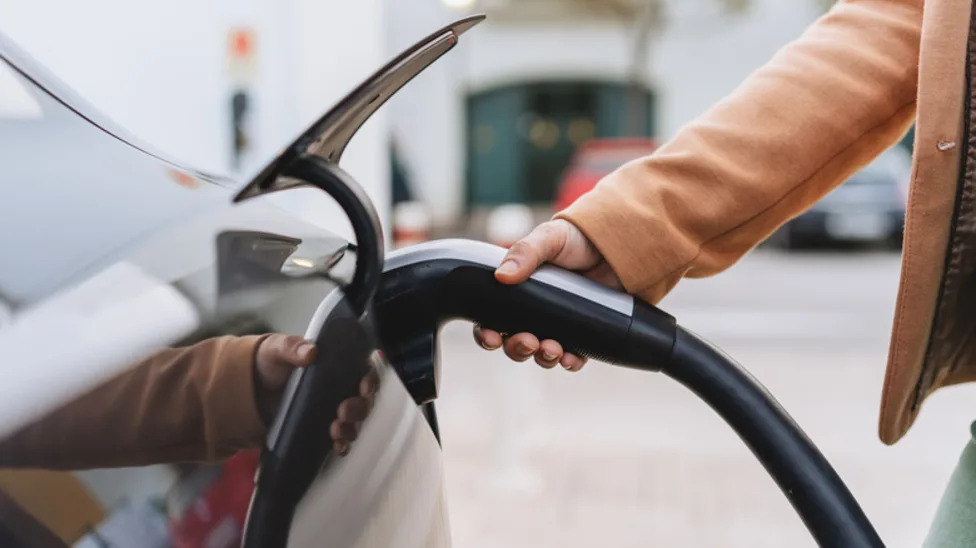
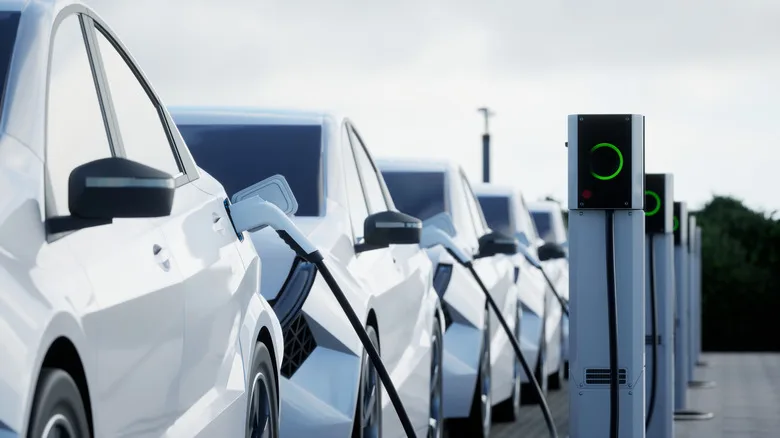
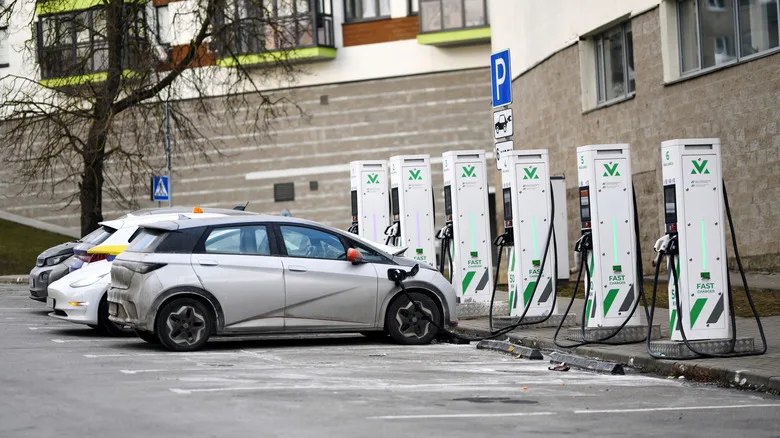



















An individual in a brown coat has their right hand on an electric vehicle charging unit as it is connected to an electric vehicle - Marti Rossello/ShutterstockNot all electric vehicle (EV) chargers are equal. Just like USB port types can vary, how an EV receives power can vary greatly depending on the type of charger being used. Considering the difference between these chargers can range from several days to less than an hour to fully juice a battery, EV owners should be aware of what's available and the impact each can have.There are essentially four different types of EV chargers, and their names are pretty easy to remember: Level 1, Level 2, Level 3, and Level 4 (though the last two also have alternate names). The major difference between the group (aside from power and charging speeds) is that Level 1 and Level 2 rely on an alternating current (AC), whereas Level 3 and Level 4 rely on direct current (DC). This impacts where the various types of chargers can be installed and by whom, among other things.Naturally, there are still some things to avoid when charging an EV battery, and it's still a good idea to keep one between 20% and 80% charged with daily use. This helps slow wear and tear and reduce voltage stress. Temperature also plays an important role in preserving your EV battery, so remember that several EV models allow you to keep it at an ideal temperature in varying weather conditions, a process known as preconditioning. AdvertisementAdvertisementRead more: Think Twice Before Plugging These 5 Devices Into A GeneratorThe first three levels of EV chargingA line of white electric vehicles are being charged by a row of outside EV chargers - 3alexd/Getty ImagesLevel 1 EV charging relies on 120V power, and they're usually found at homes. Relying on AC current, Level 1 charging provides EVs around 3 to 5 miles per hour, as it delivers anywhere between 1.2kW and 1.9kW of power. While useful, Level 1 can be slow, potentially taking multiple days to fully charge a vehicle, likely perpetuating the EV myth that charging is slow on all electric cars. Level 2 charging bumps things up a notch, as it needs a 208 to 240V circuit and requires 12 to 80 amps to run properly. Though a Level 2 charger can be installed in a home, you can also find them in public spaces. Good for overnight charging, Level 2 chargers can add 20 to 40 miles of range while delivering 6.2 kW to 11.5 kW of power at home, though they may require a specialist to install them, due to their high electrical output.Level 3 charging, often referred to as a Supercharger or DC Fast Charging (DCFC), won't be supported by every vehicle, as it requires a special connection port , such as the North American Charging Standard (NACS) or the SAE Combo CCS. Level 3 can add anywhere from 3 to 20 miles per minute and requires 480V or 1000V to deliver 50 kW to 350 kW. You're likely to find these only in areas that can handle these numbers, such as commercial or industrial sites. Level 4 charging and what's best for an EVA parking lot containing a row of six EV charging stations, multiple vehicles are taking advantage of the chargers - Tricky_Shark/ShutterstockThis brings us to Level 4, which is still emerging in the EV world. Also known as lightning-fast charging, it's only supported on vehicles with 800-volt architectures. Capable of delivering 1MW of power, this level can fill an EV battery in just 15 minutes. EV owners will likely find this level at select charging stations or charges for commercial fleets.AdvertisementAdvertisementWhile Level 3 requires a special port and Level 4 has limited availability, Level 2 can be the sweet spot for most users. Since it can offer EV owners reliable daily and overnight charging, it'll be good for most home use. Even though it may take up to eight hours for a full charge, Level 2 chargers can also have smart charging features. They can also have around 90% charging efficiency.Level 2 is good for anyone who has a long daily drive or needs to charge a vehicle at home frequently. As technology advances, Level 3 and Level 4 chargers may become more common, though users may still want to be careful about how often they use DC charging with a vehicle — it can increase battery degradation over time compared to AC fast-charging. Of course, there are always ways users can extend the range of their EV.Enjoyed this article? Sign up to BGR's free newsletter and add us as a preferred search source for the latest in tech and entertainment, plus tips and advice you'll actually use.Read the original article on BGR.