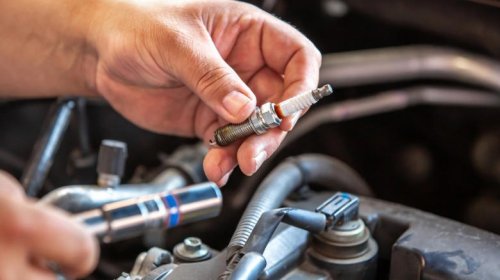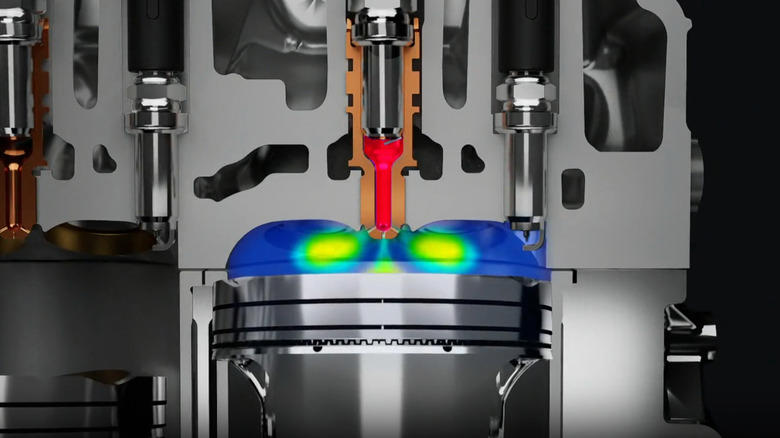
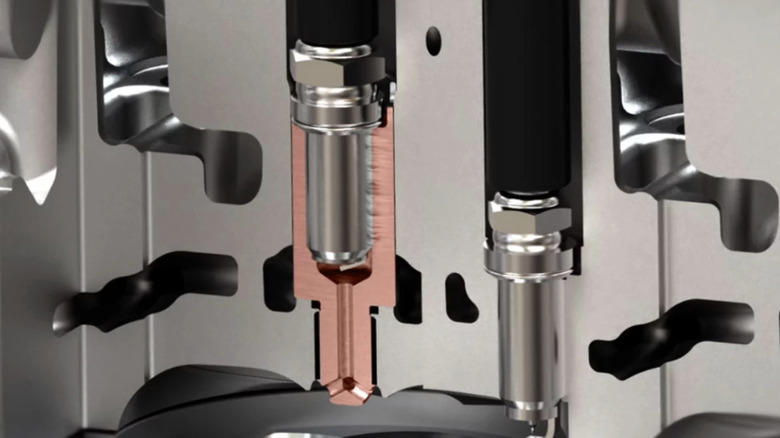

























Maserati This year, Jeep is introducing a new 2.0-liter Hurricane 4 engine option as an option on the Grand Cherokee, in addition to its Pentastar V6. Despite the modest displacement, the new four-cylinder Hurricane puts out an impressive 324 hp, but it also contains technology not found in most consumer vehicles: Turbulent Jet Ignition (TJI). This follows on the heels of another Stellantis brand, Maserati, which uses the same ignition system technology in the 3.0-liter Nettuno V6 engine. TJI manages combustion differently from conventional engines and spark plugs, but does not replace spark plugs themselves. In fact, Jeep's design uses two spark plugs per cylinder, which isn't all that uncommon. However, it uses that spark more efficiently. Additional hardware is added, which spreads out the ignition and causes combustion to happen faster than with a conventional spark plug. This reduces the chance of knocking, increases fuel efficiency, and reduces emissions, all at the same time. This technology isn't new. Engines in Formula 1 race cars have been built with TJI since the mid-2010s. This makes sense because competitors in professional racing have to squeeze out every bit of efficiency and power from an engine that they can. The idea was experimented with in the '50s and, in fact, was actually used in the Ricardo Dolphin engine in the early 20th century. But aside from its use in several Stellantis-owned brands, it hasn't quite caught on with mainstream consumer vehicles, yet. How turbulent jet ignition works vs. a conventional spark plug Maserati Imagine you'd like to start a campfire. You gather your kindling and maybe some smaller twigs and dry leaves and stack them in the fire pit. Then you strike a single match and hold it in the middle of all that to start your fire. That's basically how a conventional spark plug works. It creates a spark that causes ignition throughout the entire combustion chamber. Now imagine, instead of using just one match to start the campfire, you take multiple blow torches and point them at the kindling at the same time. No doubt, you'll have a fire much sooner than if you used the single match. That's sort of how turbulent jet ignition works. There is a pre-ignition chamber between the spark plug and the rest of the cylinder. This pre-ignition chamber contains about 3% of the total gas in the cylinder. Sometimes additional fuel is injected into this chamber. The spark ignites the gas in this smaller space, and jets of hot gas and flame are expelled through multiple openings into the cylinder, pushing all the way down to the piston. Because these hot gas and flame jets travel and ignite toward the sides of the cylinder in multiple directions, they ignite all the gas over a wide area and do it faster and in a more evenly distributed way than a conventional spark plug. The difference here is not really the spark plug, but the addition of a pre-ignition chamber between the spark plug and the rest of the piston. The advantages of turbulent jet ignition Jeep One of the main advantages of turbulent jet ignition is that it provides greater resistance against knocking, since it ignites the gas much faster. This also means a higher compression ratio, which translates to more power. Not only that, but increasing the compression ratio increases fuel efficiency, too. Jeep's Hurricane 4 engine, for example, can get a compression ratio of 12:1 using turbulent jet ignition, which is partly why the Hurricane 4 cranks out 20% more power while using 10% less fuel than the 2.0-liter DOHC inline-4 it replaces. This kind of ignition is a more efficient use of fuel. The even distribution of ignition throughout the whole cylinder results in more complete combustion, meaning less waste overall and more power output. Less waste also results because TJI has a very lean burn, using less fuel and producing fewer particulates and other pollutants, such as nitrogen oxides. And because ignition happens so quickly, there's less of a chance for combustion variability, which could mess up timing. So, why haven't we seen TJI being used in more vehicles? One of the main problems has been cost. With the extra hardware involved in building a more complex system, TJI is more expensive than a conventional setup. If engines are already hitting targets set by the government for fuel efficiency and emissions, there's little incentive for automakers to increase their manufacturing costs. But who knows? Maybe we'll see more automakers start to follow the example of Jeep and Maserati.