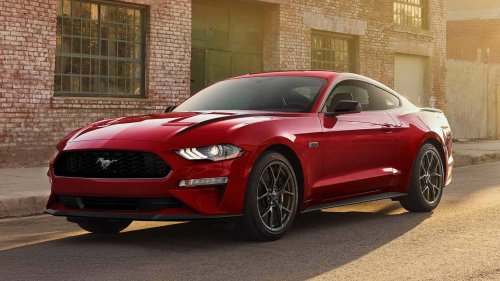
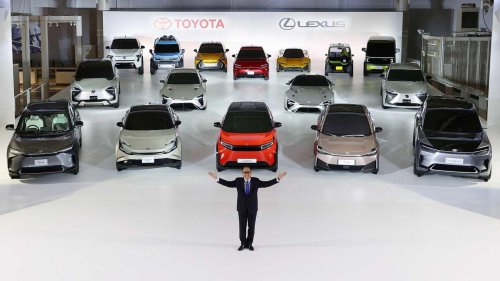
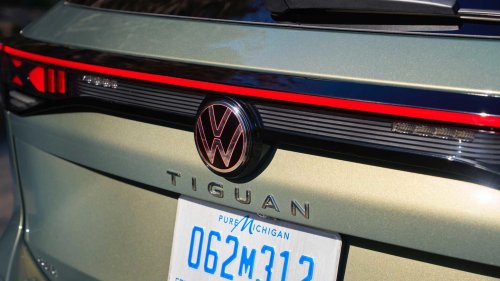
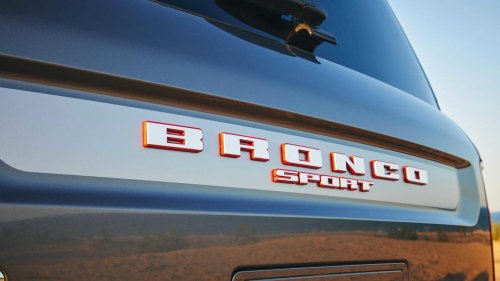
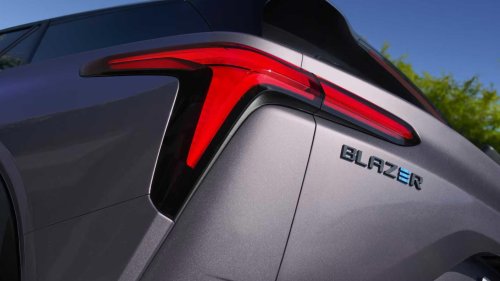
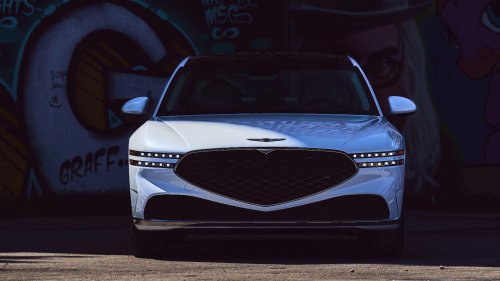
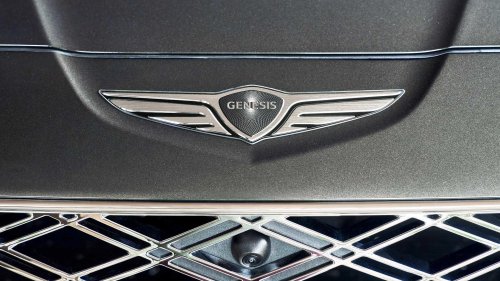
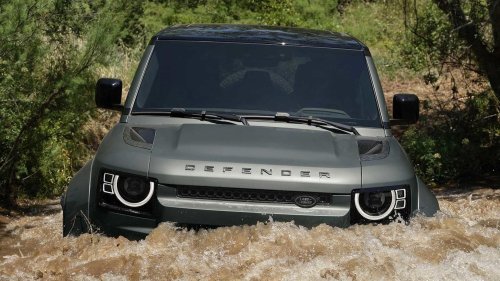
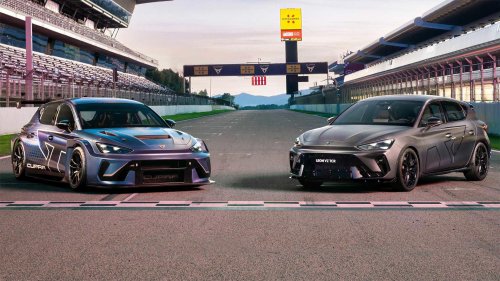
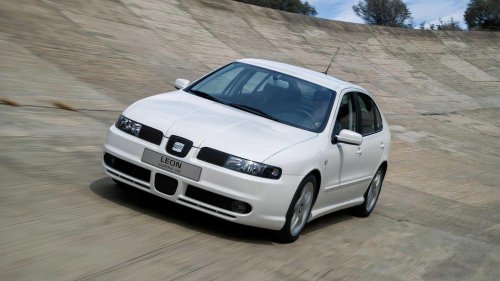



















Jump LinksWhat Is A Sub-brand?Model VariationsGenesis, A Car Or A Brand?Land Rover Goes From One Brand To ThreeFrom A Hot Hatch To A Full BrandBrands and model names are some of the most important decisions that an automaker makes. A good brand name or model name can make a car iconic - just think of the Mazda Miata, a name that rolls off the tongue - and a bad one can crush a car's dreams before they begin. While it may seem a bit arbitrary, there is more to car names than meets the eye. In this article, we will break down brand names, what they do and how they are created, do the same for model names, and then look at what happens when these rules are broken, and how new names are made. Surprisingly, new car brands come out more often than you think. What Is The Make Of A Car - And What Does That Actually Mean? Bring A Trailer Car brands and makes are the name given to the overall company that produces the cars, with all models within that brand falling into a set type of styling, engine configuration, or feature set that is unique to that brand. This is why people like the Germanic Mercedes, like the engines of Dodge, or the infotainment of Teslas. Imagine a world where all the cars on earth were just one-offs with different looks, engines and something that people forget: dealership networks. Brands put their names behind dealerships and service departments to give customers a sense of confidence in their products and vehicles.ToyotaCar brands usually fall into two origin stories in the US. The first is historic brands, started by specific people who put their names on the cars. Examples of this are the Dodge brothers with Dodge, Charles Rolls and Henry Royce coming together to create Rolls-Royce, or the most iconic, Henry Ford and the Ford Motor Company. For more modern car companies that have popped up in recent years, the name of the brand is meant to evoke something that the company stands for. The electric reference in Tesla, the Rivian nameplate, which is meant to evoke thoughts of the movement and flow of a river and adventure, or upcoming brand Slate, and its blank slate idea for car configuration. What Is A Sub-brand? Toyota/LexusSub-brands are the result of a company wanting to venture into a new segment of the market that its main brand may not have the ability to reach for a number of reasons. The most common version of this we see is when a mainstream brand wants to go upmarket but lacks the badge prestige to do so, so they will spin up a new, sleeker brand to occupy that space. The most famous examples of this are the three Japanese luxury brands that came to the US in the 1980s and 1990s, especially Lexus. Toyota saw that there were huge profits to be made in the luxury space, but also knew the Toyota brand was a mainstream success and luxury buyers wouldn't spring for a Toyota with the same cost as a Mercedes-Benz. Thus, it created Lexus, studying American luxury buyers, and advertising in new radical ways, such as the iconic champagne glass advertisement for the LS400. The rest is history, and Lexus is now one of the largest and best-selling luxury brands in the world.Another way to get a sub-brand is to simply buy one. The Volkswagen Group is famous for this, having a huge range of brands from the humble Škoda and Seat brands in Europe, all the way up to the luxury and performance brands of Bentley and Lamborghini. In Europe, French car company Renault bought the struggling ex-soviet carmaker Dacia, re-vamping it into one of the most successful cheap car brands on the continent. Then, What Is The Model And How Does It Relate? VolkswagenCar models are the names given to the specific cars that the brand makes. A model name is one of the most important stages in a car's development, as a bad car name can kill the vehicle before it has the chance to go on sale. Unlike brand names, every segment and car market seems to have its own name conventions that they stick to. German luxury brands, and the luxury market in general, name their models using letters and numbers to clearly distinguish where the model falls in the lineup.Think BMW 330i, Lexus RX450h, Mercedes-Benz S500 and Audi Q5 50 TFSI. It is very direct and clear. American carmakers like to use real words to evoke a feeling in their buyers. Examples include the Mustang, Charger, and Navigator. These are meant to channel the purpose of the car and what it stands for. The Japanese market brands like to create and meld words together to sound new and interesting to western buyers. Toyota famously names almost all its mainline models with something to do with the word crown. Nissan has a tendency to shorten words together to make its model names, like Versa, which is supposed to be a mash of the phrase versatile space, or Altima, which is an interpretation of the world 'altus,' which is Latin for 'higher.' Model Variations FordSometimes, a model will be so successful that the brand can spin off other models using the same name. Ford is the king of this at the moment, with the Bronco Sport cashing in on the Bronco nameplate, and the Mustang Mach E deriving its name from the muscle car it shares its styling with. Other instances where this can occur is when two cars that are close in segment position are sold under the same name to help buyers pool them together. For a while, Nissan sold the Rogue, its midsize SUV, Rogue Select, a continuation of the previous generation for a cheaper price, and Rogue Sport, the European market Nissan Qashqui sold in the US.Chevrolet These are all examples of marketing decisions meant to make it easier for a brand to sell cars. General Motors is a big fan of naming its EVs after established gas-powered models. The Blazer EV, Equinox EV and Silverado EV are not inventive, but you know what to expect as a buyer after hearing that model name. Exceptions To The Rule GenesisFor all the usual brands and model names, there are some that come from weird beginnings. We will look through a few brand names that come from odd backgrounds, or those that have just been announced to startled reception. Genesis, A Car Or A Brand? GenesisHyundai was going through its most revolutionary stage in the 2000s and 2010s, and like all up-and-coming brands, wanted a piece of the luxury market. Initially, Hyundai began selling the Hyundai Genesis sedan as a cheaper luxury alternative to the Lexus LS and Mercedes-Benz S-Class and then introduced the Genesis coupe as a two-door sports car, meant to compete with the Nissan 370Z and Ford Mustang. Both these Genesis models were sold as Hyundais first, with the model being Genesis rather than the make. In 2019, the decision was made to split the Genesis model name off into its own brand and the rest is history. Genesis now makes three sedans, three SUVs, and is working on its own performance model named Magma. They are extremely competitive cars that are only growing in popularity, and all owe their success to that big Hyundai sedan. Land Rover Goes From One Brand To Three Land Rover In a decision that can best be described as interesting, JLR, the owners of Jaguar and Land Rover, decided to split the Land Rover brand into three smaller brands to better distinguish the lineup. Currently, the Land Rover website splits the brands as such: Range Rover for the top of the line luxury, Defender for the off-road, work horse brand, and Discovery as the brand that splits the other two down the middle.The Range Rover brand currently produces the Full Size, Velar and Evoque, while Discovery offers the full-size Discovery and smaller Discovery Sport. Defender is expected to offer a smaller off-road model in the future to rival the baby G-Class that is on the way from Mercedes-Benz. It does muddy the water of what car falls under which sub-brand, but also allows the main brand to experiment more and focus each sub-brand into its own niche. From A Hot Hatch To A Full Brand CupraYou might not have heard of Cupra in the US, but you will. The brand is expected to launch in the US market by the end of the decade, and will offer a spicy edge to Volkswagen or Audi, who owns it. The origin of Cupra is a bit like Genesis, but unlike that case, Cupra wasn't even its own model. Through the 90s and 2000s, spanish brand Seat offered hot versions of its Leon hatchback as Leon Cupras. They were seen as even more insane versions of the Golf GTIs on which they were based, being fast, light and focused.Seat In the 2010s, Seat would continue to make Cupra versions of its Leon hatchback and Ateca crossover before it was finally decided that the Curpa brand would take over from Seat as the faster, younger brand in the VAG catalog of brands. Since then, Seat has begun to wind down its operations as Cupra has gone from strength to strength, with unique styling, a push for electric, and even a five-cylinder super crossover.Sources: Land Rover, Seat, Genesis, Hyundai, BMW, Lexus, Mercedes-Benz, Audi, VW