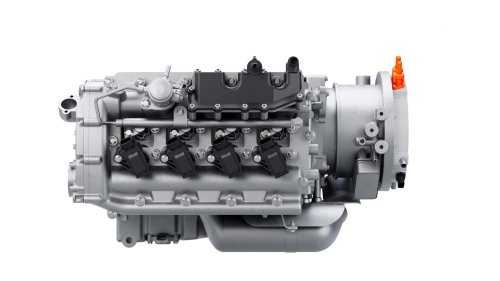
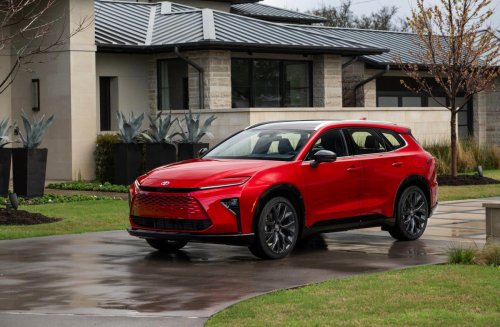
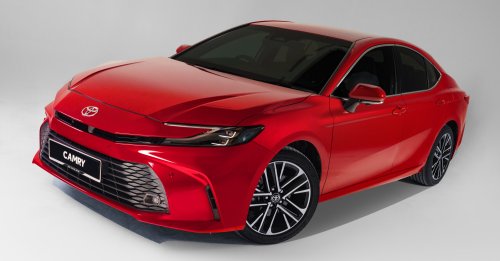
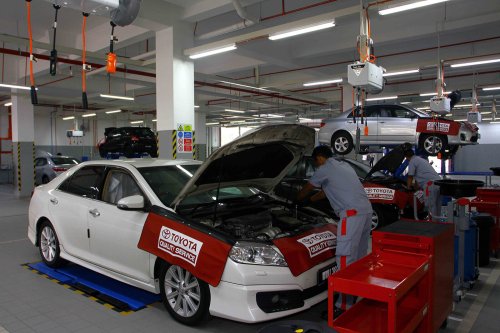
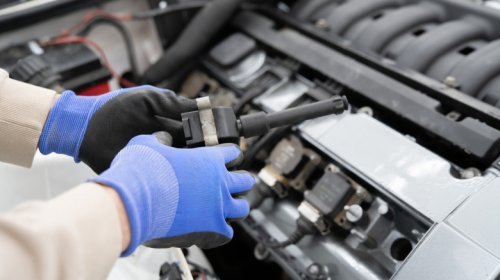
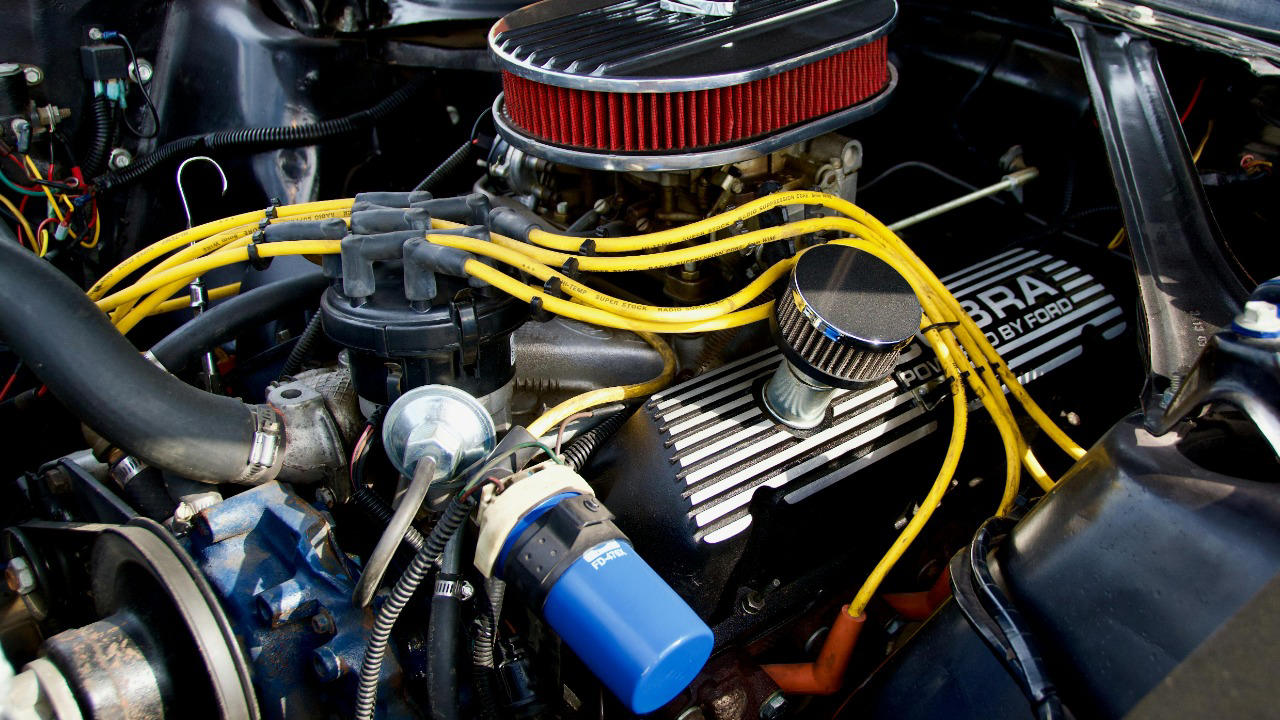
Ignition coils sit at the center of every gasoline engine’s spark, yet they usually stay invisible until something goes wrong. When a coil starts to fail, the symptoms can look like fuel problems, sensor glitches, or even transmission trouble, which is why understanding how coils work is the first step to a clean diagnosis. How an ignition coil works inside a modern engine Every ignition coil acts like a compact transformer that turns battery voltage into the high energy needed for a spark plug. I see it as the bridge between the 12 volt electrical system and the tens of thousands of volts that must jump the plug gap under compression. In a typical coil, a primary winding receives battery power, then a control module or engine control unit rapidly interrupts that current to induce a surge in the secondary winding. That surge then travels through the plug wire or coil boot to fire the plug at the exact moment the engine needs it, as explained in many detailed ignition coil guides. Modern engines often use a coil-on-plug layout instead of a single coil and distributor. I find that design reduces energy loss through long plug wires and gives the engine computer precise control over each cylinder. Many late model vehicles, including popular four-cylinder crossovers and V6 pickups, use one coil per plug or one coil per pair of plugs in a wasted spark system. Technical references on coil-on-plug systems describe how this setup improves spark energy, reduces misfire risk, and helps meet emissions standards by delivering a consistent spark even under heavy load. Common symptoms of a failing ignition coil Misfires usually provide the first clear sign that a coil is in trouble. I often see drivers report a rough idle, hesitation under acceleration, or a sudden loss of power on hills when one coil starts to break down. The engine control unit detects these incomplete combustion events and often stores misfire codes such as P0301 through P0308, depending on the affected cylinder. Diagnostic coverage of misfire trouble codes notes that weak spark from a failing coil ranks among the most frequent causes, especially when plugs and fuel delivery check out. Hard starting and stalling can also trace back to weak ignition coils. I notice that engines with marginal coils may crank longer before firing, particularly in damp weather or after a hot soak. Once running, the engine might stall at stoplights or when shifting into gear because the spark cannot stay strong at low rpm. Repair manuals and troubleshooting charts for ignition coil problems list extended cranking, intermittent stalling, and poor throttle response as classic symptoms, especially when combined with a check engine light and stored ignition related codes. How coil failures differ by design and vehicle type Photo by Tom Kowalsky / Pexels Single coil distributor systems tend to fail in a way that affects every cylinder at once. I have seen older trucks and sedans with a single coil suddenly lose spark entirely, leaving the engine cranking but not starting. In those layouts, a cracked coil housing or internal short can stop the high voltage output that the distributor needs to route to each plug. Technical overviews of traditional ignition coils highlight how heat and vibration can break down insulation over time, which explains why a complete no start often points to that single component. Coil-on-plug systems usually fail one cylinder at a time, which creates a different pattern of complaints. Drivers of vehicles like the Ford F-150 with modular V8 engines or Toyota Camry four cylinders often report a single cylinder misfire that appears only under load. In many cases, the engine runs smoothly at idle but stumbles during highway merges or steep climbs because one coil cannot maintain output under higher cylinder pressures. Service bulletins and diagnostic case studies on coil-on-plug misfires describe how swapping coils between cylinders can quickly confirm whether the coil or another component is at fault. Key causes that shorten ignition coil life Excessive heat ranks among the most common killers of ignition coils. I often see coils mounted directly on the valve cover or deep in the spark plug wells where engine bay temperatures stay high. Over time, that heat can degrade the epoxy or plastic housing and weaken the internal windings. Technical discussions of coil failure modes point out that thermal cycling, where components repeatedly heat and cool, can cause microcracks that eventually lead to arcing and internal shorts. Worn spark plugs and incorrect plug gaps also put extra stress on coils. I have watched coils overwork when they must generate higher voltage to jump a widened plug gap or fire through heavy carbon deposits. That extra demand can overheat the coil and shorten its life, even if the coil itself started in good condition. Maintenance guides for spark plug service emphasize that overdue plugs can damage coils, ignition modules, and even catalytic converters by increasing misfires and unburned fuel in the exhaust. Diagnostic steps to confirm a bad ignition coil Systematic diagnosis helps avoid replacing good parts when chasing misfires. I usually start by scanning for trouble codes, then checking live data for misfire counts on each cylinder. If one cylinder shows repeated misfires, moving that coil to another cylinder and watching whether the misfire follows can quickly isolate the problem. Many professional guides on testing ignition coils recommend this swap method because it uses the engine itself as a test bench without special tools. Electrical testing can provide further confirmation when swap tests are inconclusive. I often use a digital multimeter to measure primary and secondary resistance, comparing the readings to factory specifications. Some technicians also rely on an oscilloscope to view the coil’s waveform under load, which can reveal weak output or internal breakdown that static tests miss. Detailed procedures for coil resistance checks explain how out of range readings, combined with misfire symptoms, strongly indicate a failing coil rather than a fuel or compression issue. Repair options, replacement tips, and prevention Replacement strategy depends heavily on the vehicle and the pattern of failures. I often recommend replacing only the failed coil on newer vehicles when the others show no signs of trouble and have moderate mileage. On high mileage engines where several coils have already failed, replacing the full set can prevent repeat visits and labor costs, especially on engines where access requires removing intake manifolds. Parts comparisons for aftermarket ignition coils show a wide range of prices and warranties, which makes it important to balance cost with reliability rather than choosing the cheapest option. Preventive maintenance can significantly extend coil life and reduce the chance of sudden breakdowns. I always stress timely spark plug replacement using the correct heat range and gap, since healthy plugs keep coil demand within design limits. Keeping moisture out of plug wells, fixing oil leaks from valve cover gaskets, and ensuring solid battery voltage also help protect the ignition system. Maintenance schedules and reliability reports that track coil replacement trends consistently link regular tune ups and prompt leak repairs with fewer ignition failures over the life of the vehicle.



















 +74 others