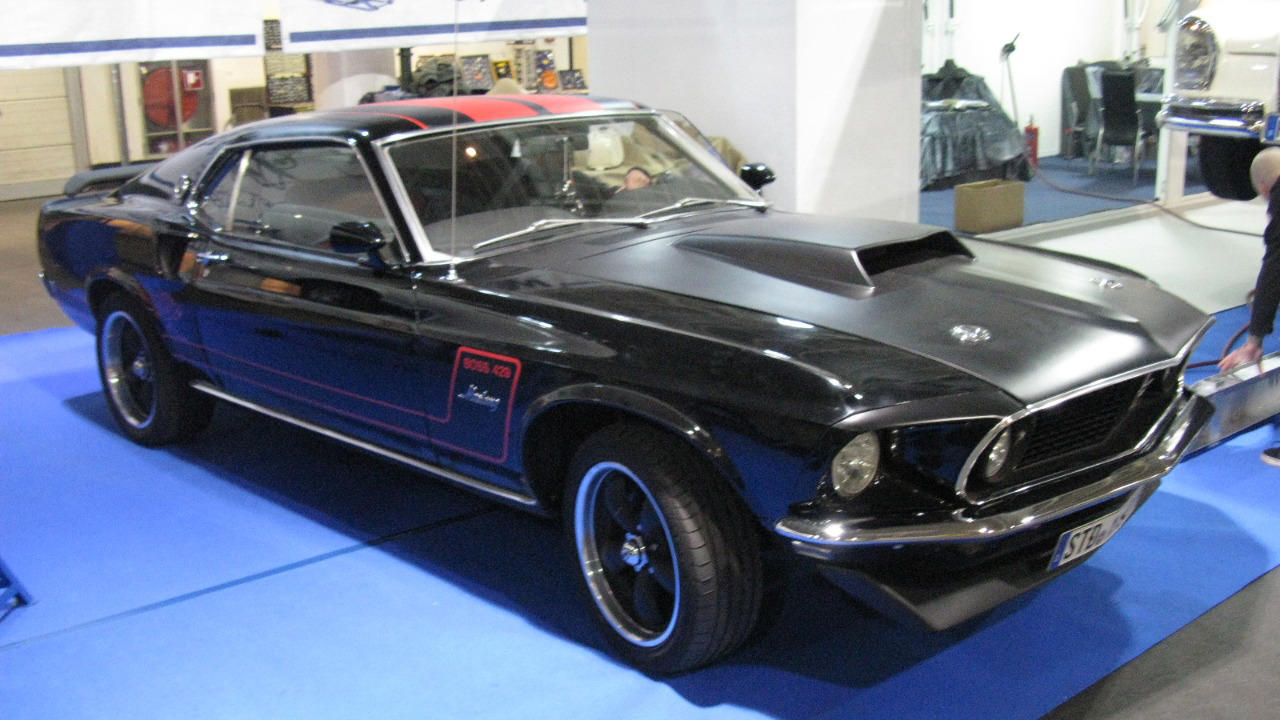
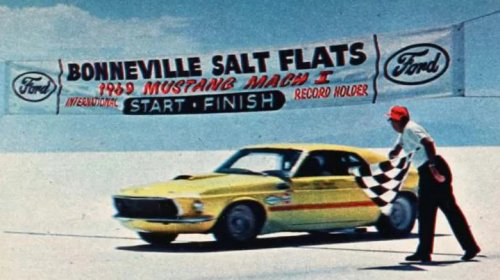
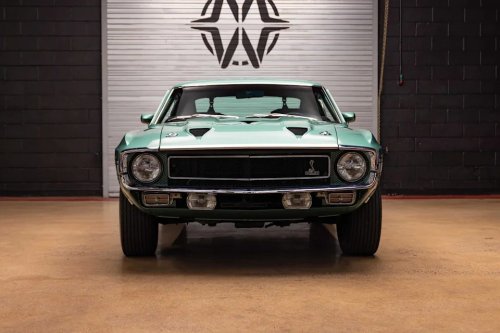
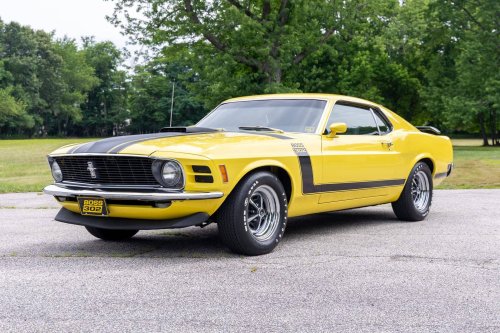
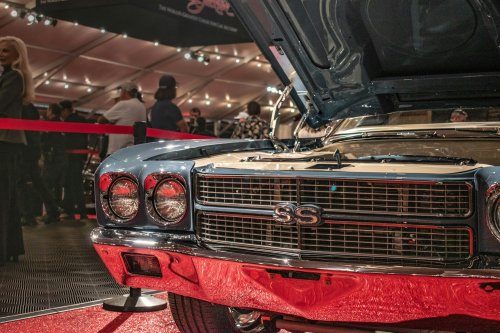
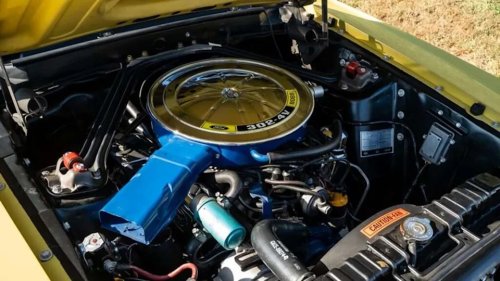
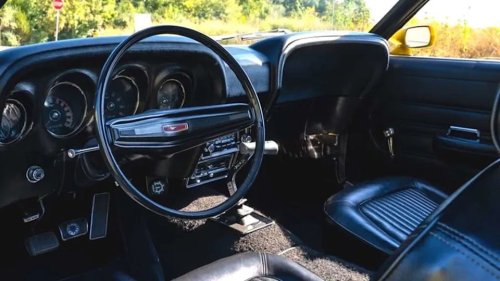
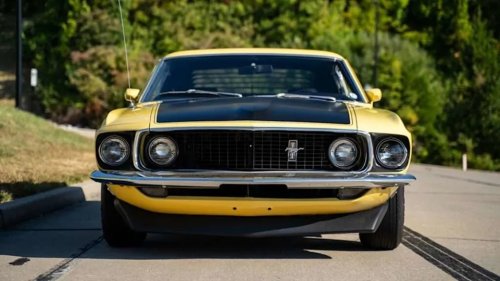
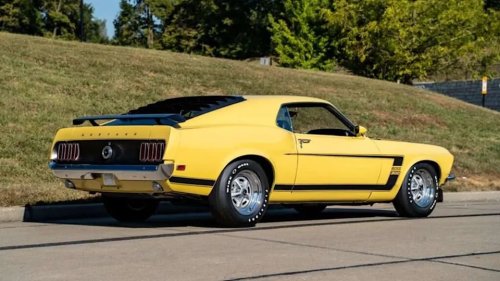
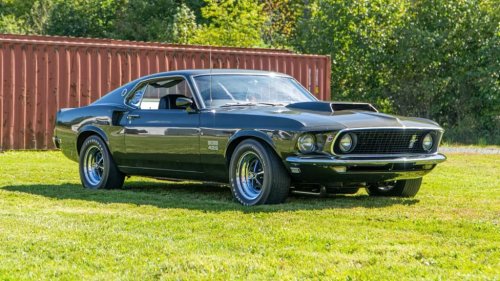
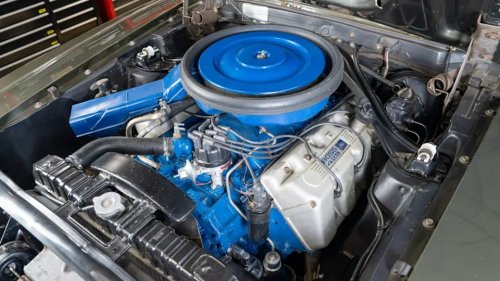
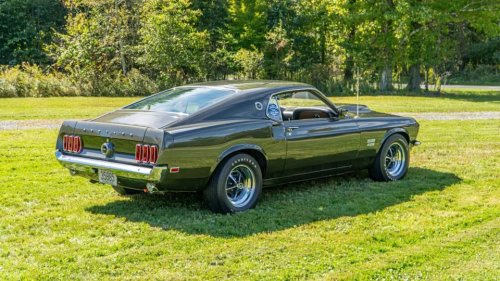
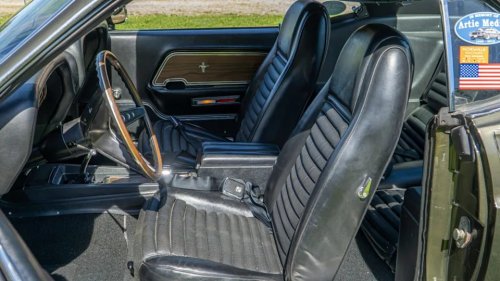
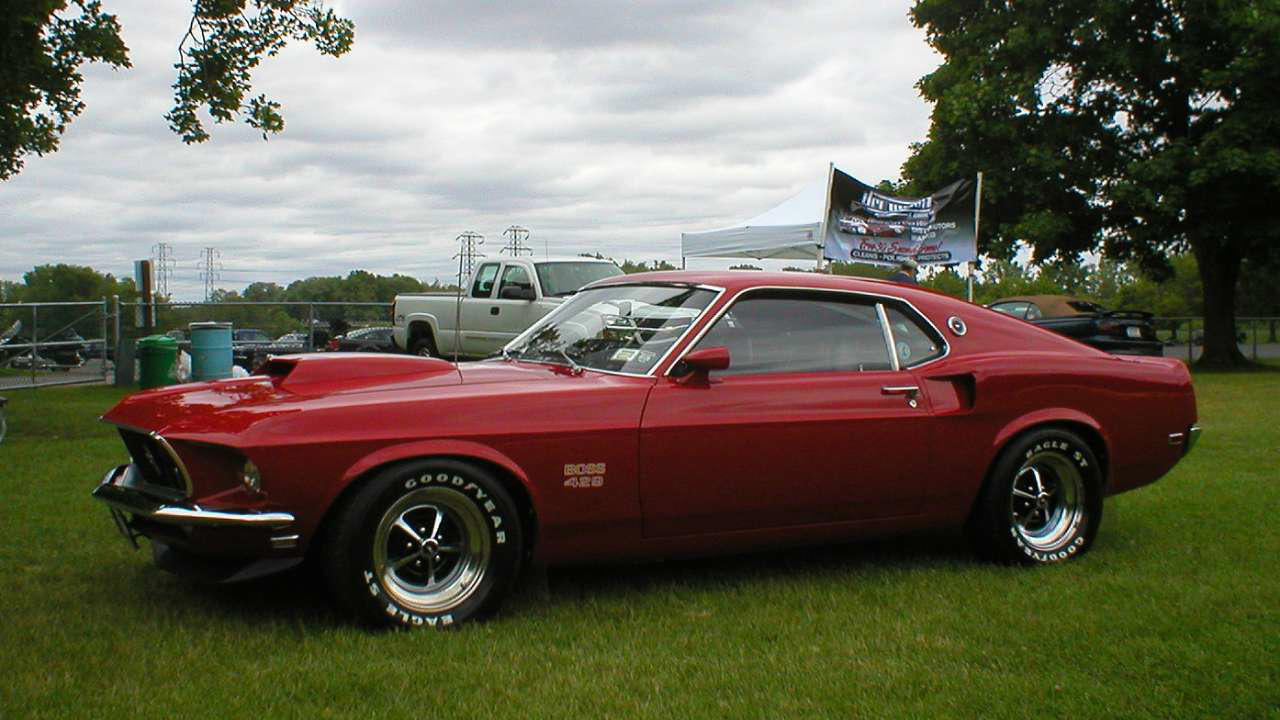
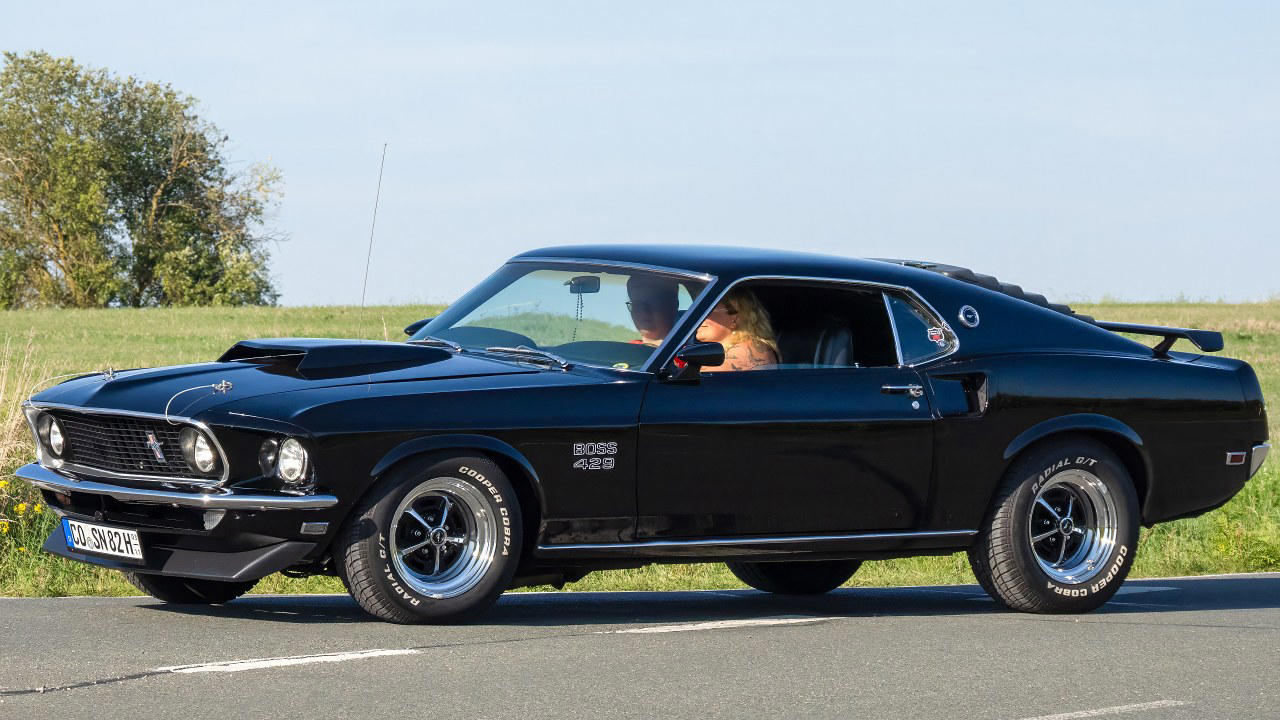
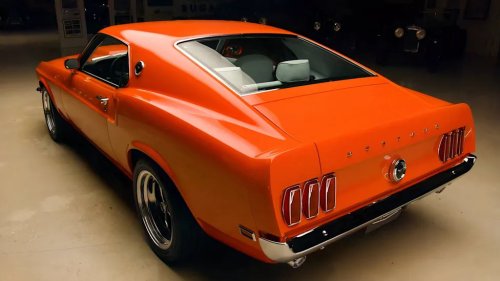
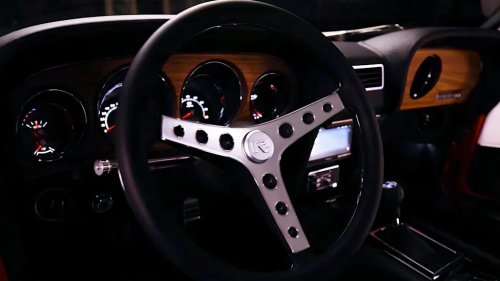
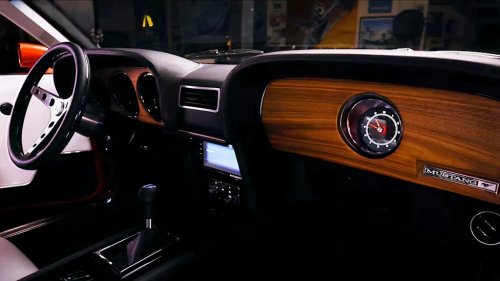
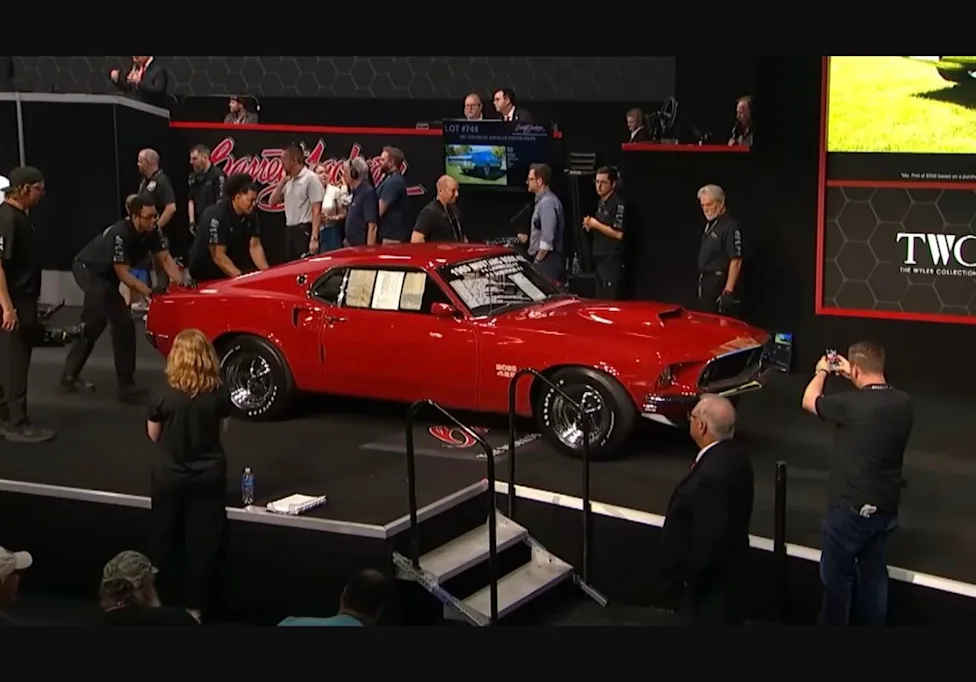
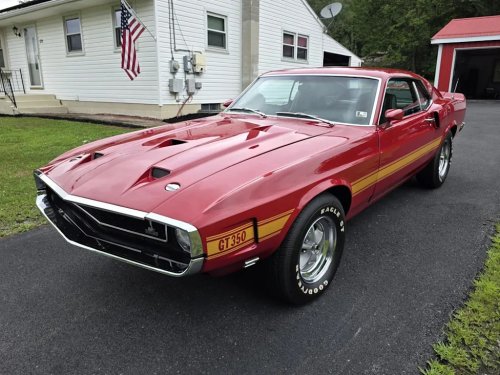
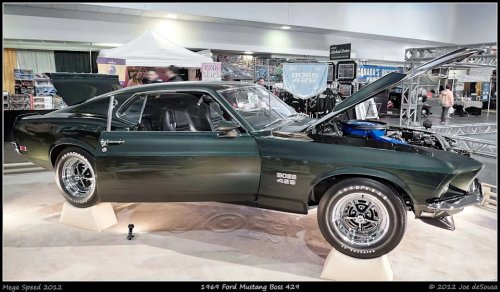
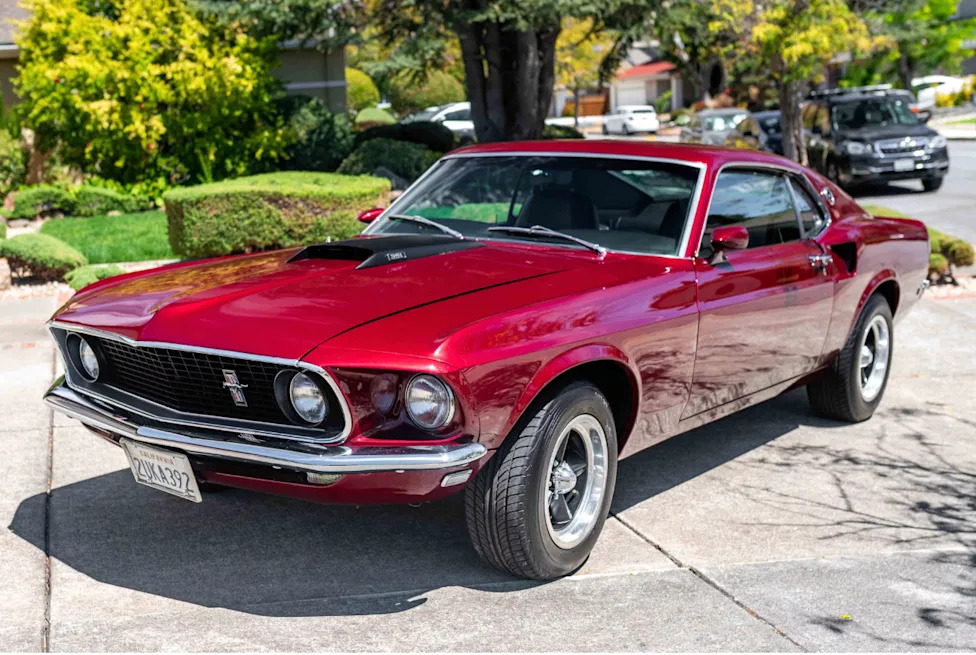
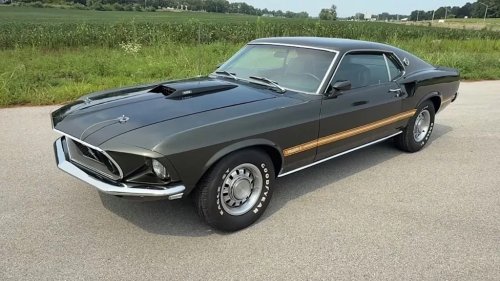
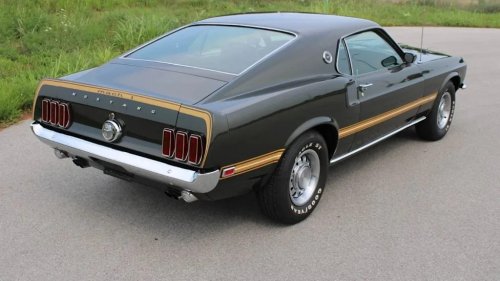
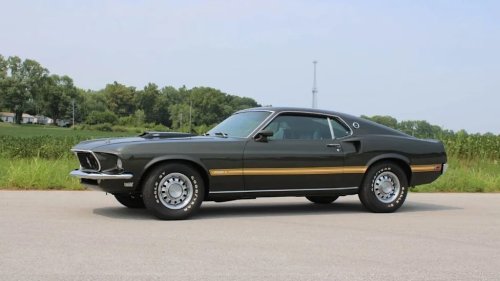
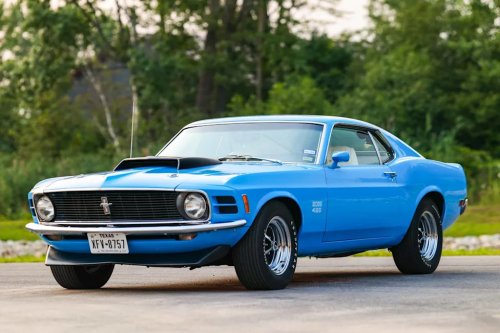
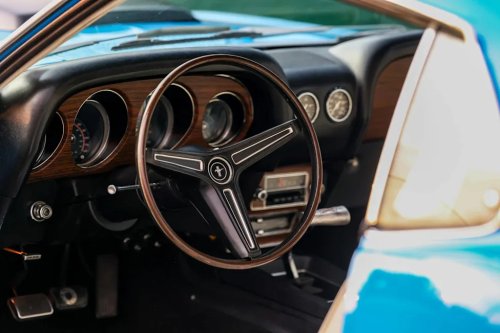
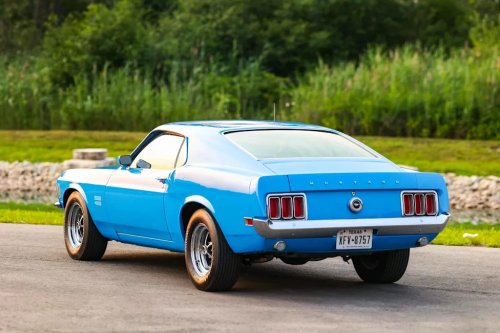
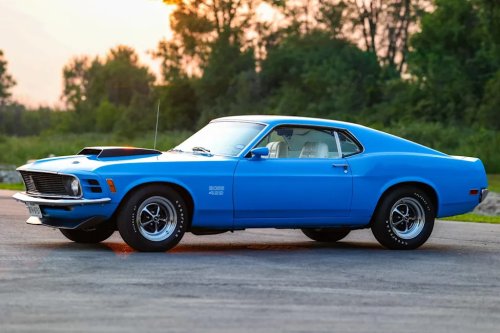
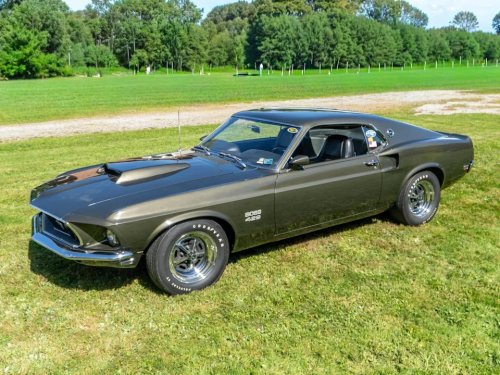
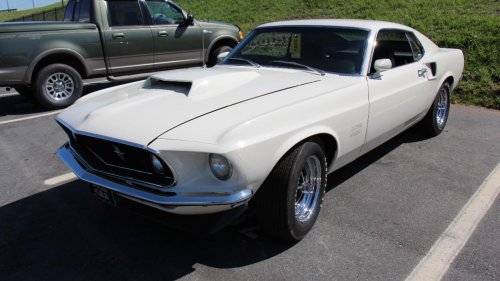
The 1969 Mustang Boss 429 was built for something most people never sawThe 1969 Mustang Boss 429 looked like a street brawler, but its real purpose lived far from traffic lights and boulevard cruises. Ford created this rare fastback as a thinly disguised racing tool, a way to sneak a radical engine into stock-car competition that most buyers would never witness firsthand. The result was a muscle car that spent its public life at stoplights and car shows while its true reason for existing played out at full throttle on oval tracks. Today the car is remembered as a blue-chip collectible and a symbol of Detroit excess, yet the story behind it is far more calculated. The Boss 429 program was built around a number, 429 cubic inches, and a sanctioning body rulebook that forced Ford to hide its ambitions in plain sight. The NASCAR problem that created a legend By the late 1960s, stock-car racing had become an arms race. In 1969 the NASCAR aero wars put radical shapes and big engines on superspeedways, with Dodge fielding the Charger Daytona while Ford countered with the Torino Talladega and the Merc Cyclone. To win, Ford needed a new big-block V8 that could breathe at high rpm and survive long races, not just a warmed-over street motor. NASCAR rules required that any engine used in competition be offered in a minimum number of production cars. That pushed Ford to find a showroom home for a purpose-built 429 cubic inch racing engine. Rather than stuffing it into the big Torino alone, the company decided to build a halo version of the Mustang that could satisfy the rulebook and burnish the pony car’s performance image at the same time. The result was the Ford Mustang Boss 429, often shortened in period material to Ford Mustang Boss 429 or simply Boss 429. The car existed first as a way to get that 7.0 liter V8 approved for competition, and only second as a road car for customers who could afford the experiment. Why the Mustang had to be rebuilt around the engine The 429 cubic inch semi-hemi V8 that Ford engineers created was not a casual fit. It used huge cylinder heads, canted valves and a wide block that simply did not slide into a standard Mustang engine bay. To make the project work, Ford contracted the specialty firm Kar Kraft to re-engineer the front of the car so the racing Engine could be installed without violating production rules. At the Kar Kraft facility, workers cut and reshaped the shock towers, relocated components and modified the front suspension to clear the massive Motor. The front track was altered, the battery moved to the trunk, and the car received unique front spindles and steering changes so the new geometry would still behave on the street. These were not minor tweaks. The 1969 Ford Mustang Boss 429 was essentially a hand-finished hybrid of factory Mustang unibody and race-shop packaging. Because of the complexity, production numbers stayed low. Various reports place the total at roughly 1,359 cars across the 1969 and 1970 model years, with 1969 models particularly prized. One discussion of the 1969 Ford Mustang Boss 429 describes it as one of the most revered and rare muscle cars ever built, a status earned precisely because the engine swap demanded so much specialized labor and cost. The engine built for a world most owners never saw The heart of the project was the 429 cubic inch semi-hemi racing engine that Ford created specifically for high speed oval work. In street trim the Ford Mustang Boss 429 was officially rated at 375 horsepower, a figure that kept insurance companies and regulators at bay but did not reflect the engine’s potential. The big 7.0 liter V8 was designed to spin hard on long straights, with large ports and valves that came directly from Ford’s stock-car ambitions. Contemporary descriptions of the Boss 429 motor emphasize its NASCAR pedigree. One detailed breakdown of the 1969 Ford Mustang Boss 429 calls it a NASCAR bred 429 cubic inch semihemi engine, underscoring that this powerplant was engineered first for race teams and only later adapted for street duty. In competition form, with higher compression and more aggressive camshafts, the same basic architecture powered Ford’s full-size stock cars that chased trophies on superspeedways. Most Boss 429 buyers never saw that side of the story. They experienced a lumpy idle, heavy clutch and a car that felt lazy at low rpm but came alive when revved hard. The real theater, the sight of nearly identical engines screaming down banked turns in Torino Talladega bodies, unfolded at NASCAR events that many street customers only followed in magazines or on grainy television broadcasts. Homologation in a pony car wrapper Ford could have homologated the 429 solely in its intermediate Torino, yet the company chose the Mustang as the halo. That decision connected the pony car directly to big-league stock-car racing. One period overview notes that Mustang enthusiasts the world over have Ford’s racing ambitions of the 1960s to thank for the existence of the Ford Mustang Boss 429, which was originally intended for the Ford Torino. The visual changes on the Boss 429 Mustang were relatively subtle compared with the engineering work underneath. The car gained a functional hood scoop, discreet badging and wider wheels, but it did not carry the wild spoilers or nose cones that defined some NASCAR homologation specials. From a distance, it looked like a tough but mostly ordinary fastback. That understatement is part of why the model has become a cult object. One enthusiast description calls the Mustang Boss 429 one of the most valued and sought after muscle cars, and another notes that The Mustang Boss 429 is one of the most legendary muscle cars ever made. The car combined low production, a competition-bred engine and a visual presence that did not scream about its origins, which made it feel like an insider’s machine. Built at Kar Kraft, sold at regular dealerships The path from concept to customer involved an unusual production flow. Ford shipped partially completed Mustangs to Kar Kraft, where technicians performed the structural modifications and engine installation. Only then did the cars return to Ford’s distribution network for sale through regular dealers. One summary of the 1969 Mustang Boss 429 describes it as a high performance muscle car built at the Kar Kraft facility, a reminder that this was less a conventional assembly line product and more a limited conversion program. The Facebook discussion that highlights this point also tags the car with phrases like NASCARLegend and MuscleCarRoyalty, reflecting how closely fans still link the model to its racing purpose. Dealers marketed the Boss 429 as the ultimate Mustang, often pairing it on showroom floors with the smaller but more agile Boss 302. Buyers who signed the papers received a car that was heavy, relatively spartan and not especially quick in quarter-mile terms compared with some cheaper big-block rivals. What they actually purchased was a share in Ford’s Total Performance strategy, the corporate push that tied showroom machines to high-profile racing campaigns. How the Boss 429 compares with other factory hot rods Contemporary muscle cars chased different targets. Some were drag-strip specials, others were affordable street bruisers. The Boss 429 sat in a stranger category. It was priced high, tuned for high speed stability rather than stoplight sprints and delivered its best work in a context that did not involve public roads at all. One enthusiast guide frames the Ford Mustang Boss 429 as the Ultimate Guide example of how racing programs shaped production Mustangs, pointing out that the 429 was intended for the Ford Torino stock car before being shoehorned into the pony car. That backstory sets it apart from more straightforward performance packages that simply added cubic inches and stripes. Compared with a 428 Cobra Jet Mustang or a Chevrolet Chevelle SS, the Boss 429 felt overbuilt and underdeveloped for daily use. The suspension revisions that Kar Kraft made to clear the engine also changed the car’s ride and steering, and the big semi-hemi needed rpm to shine. As a result, some period buyers saw it as a curious specialty car rather than the quickest option for street racing. From obscure homologation to auction star Over time, the market’s view of the Boss 429 shifted from niche curiosity to blue-chip collectible. Rarity, racing pedigree and the mystique of that 429 cubic inch engine combined to push values steadily upward. One modern analysis argues that the Ford Mustang Boss 429 Boasts Real Racing Pedigree and highlights how the 1969 Ford Mustang Boss 429, with its 7.0 liter V8 and 375 horsepower rating, has become one of the most valuable muscle cars. Survivor stories reinforce that aura. A recent feature on a 1969 Mustang Boss 429 that resurfaced after 50 years in hiding describes how The Mustang Boss 429 is one of the most legendary muscle cars ever made and now one of the most desirable for collectors. Cars that once sat neglected in barns or garages are now treated as investment-grade artifacts, restored with forensic attention to detail. Online communities amplify that reverence. In one enthusiast group, members discuss what made the 1969 Ford Mustang Boss 429 muscle car so special, trading photos and build details of the 429 m engines and the limited run of 429 equipped cars. Another fan page post describes the Ford Mustang Boss 429 as one of the most revered and rare muscle cars, underscoring how deeply the model has embedded itself in enthusiast culture. The modern reimagining of an old idea The Boss 429’s legend has grown enough that modern builders now create continuation or tribute cars that reinterpret the 1969 formula with updated engineering. A video feature titled The 1969 Ford Mustang Boss 429 Is Back And All-New! Sort Of presents a re-created Ford Mustang Boss 429 that blends period styling with contemporary performance parts. The narrator notes that Ford has made so many amazing versions of the Mustan over the years, yet the 429 concept still captures imaginations. These modern builds highlight how the original car’s appeal goes beyond nostalgia. The idea of a seemingly simple fastback wrapped around a race-bred 429 engine continues to resonate with enthusiasts who appreciate the mix of subtle styling and serious hardware. Even when the mechanical pieces differ from the original semi-hemi, the homage keeps the focus on that same tension between street legality and track intent. Why the Boss 429 still feels slightly secret Part of the Boss 429’s enduring charm lies in how much of its story remained invisible to casual observers. To someone seeing one parked at a curb in 1969, it looked like a cleanly optioned Mustang with a big scoop and tasteful badges. The connection to NASCAR, the Kar Kraft surgery and the homologation math that justified its existence were all hidden behind sheetmetal and marketing gloss. More from Fast Lane Only Unboxing the WWII Jeep in a Crate 15 rare Chevys collectors are quietly buying 10 underrated V8s still worth hunting down Police notice this before you even roll window down