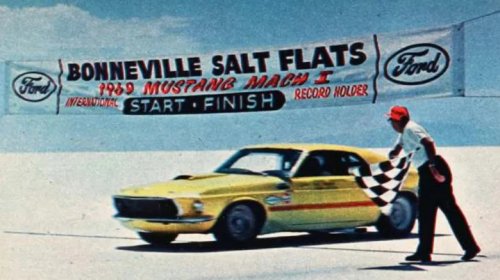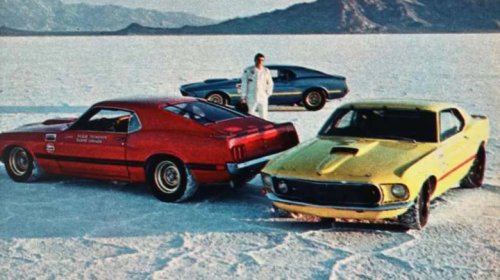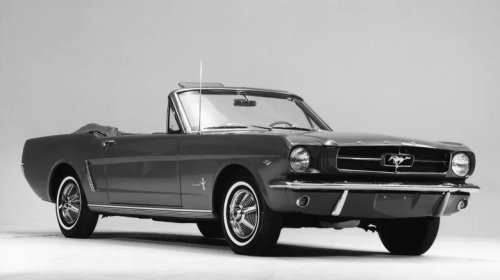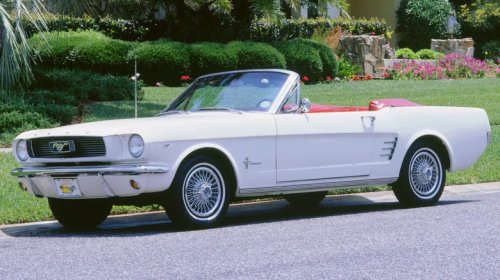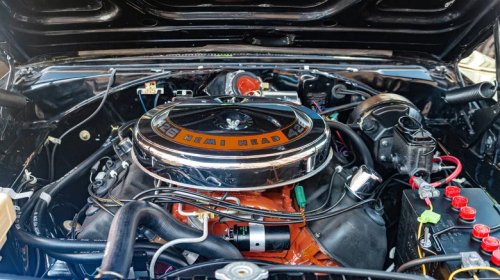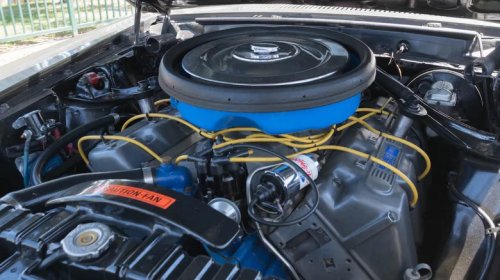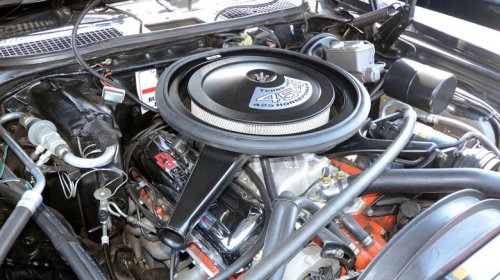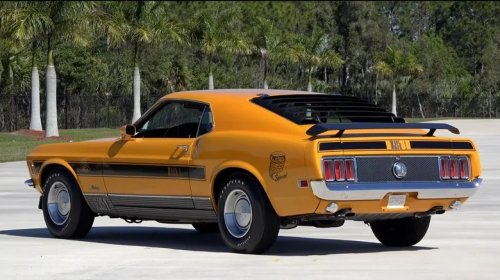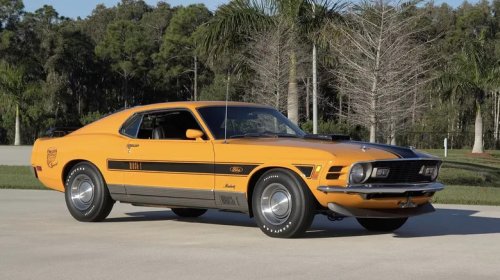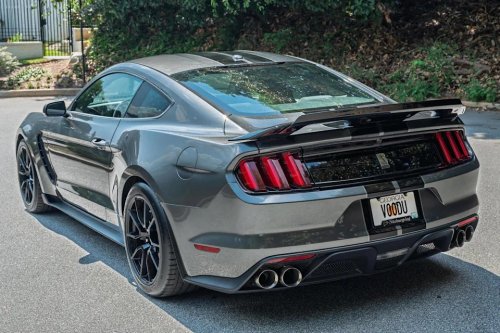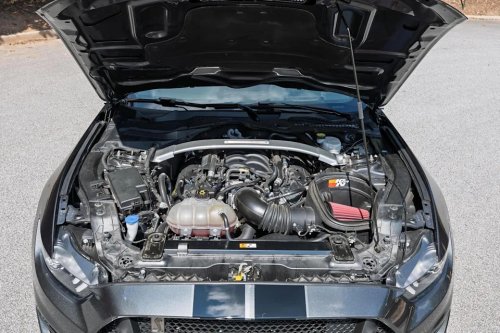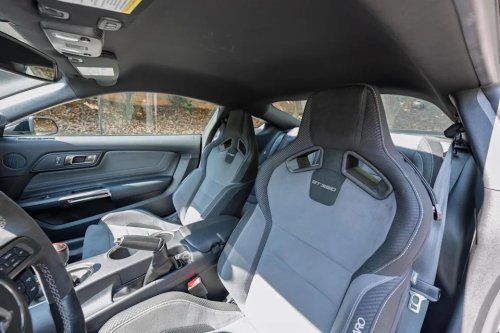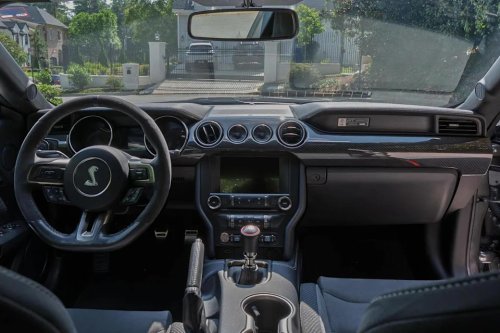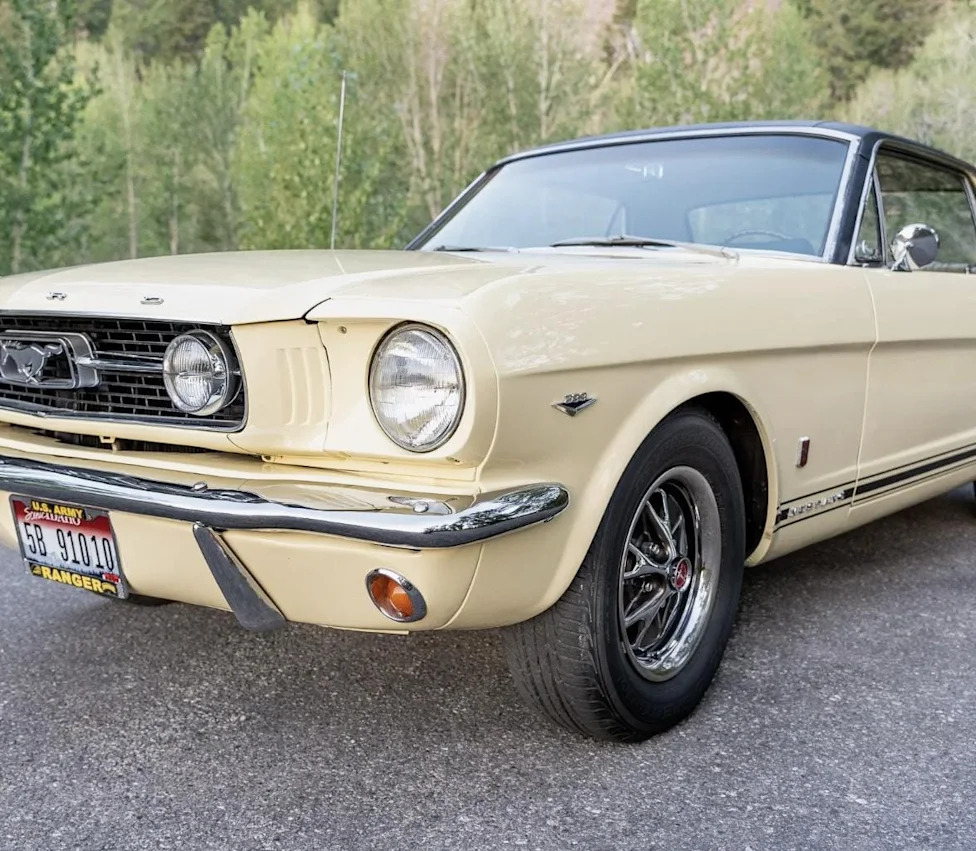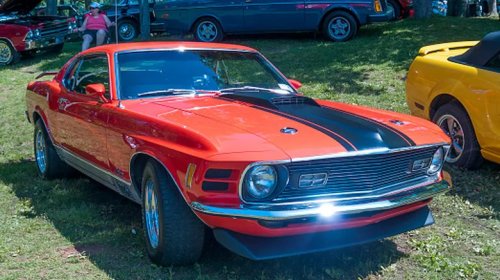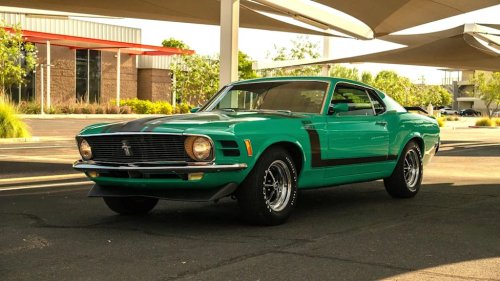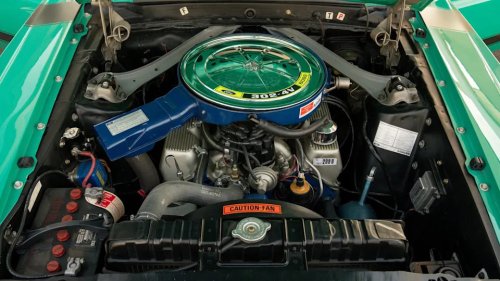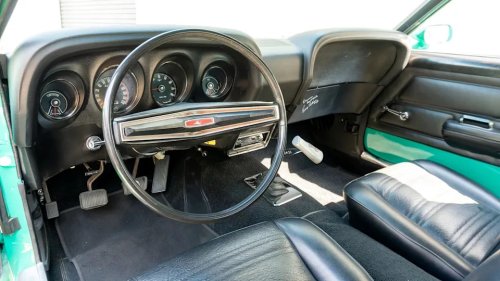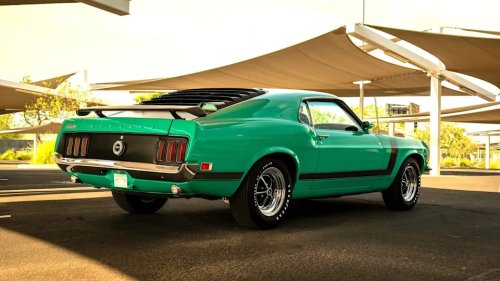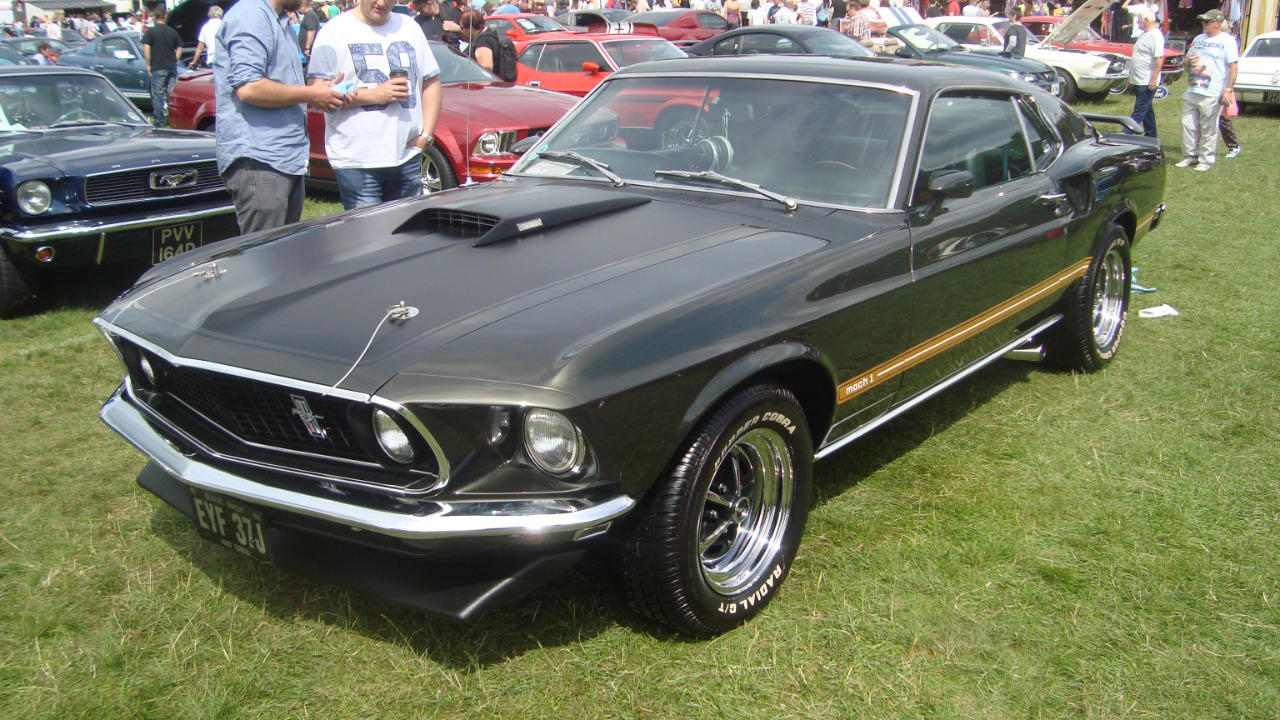



















The 1969 Ford Mustang Mach 1 gained popularity but struggled against rising insurance costsThe 1969 Ford Mustang Mach 1 arrived as a high-impact performance package that turned Ford’s pony car into a serious street and strip weapon. Buyers flocked to it, yet the same performance that made the Mach 1 so desirable also painted a target on its back with insurers. Within a few short years, rising premiums and changing market pressures were already squeezing the formula that had made the car a star. The Mach 1 arrives as Ford’s performance sweet spot Ford positioned the Mach 1 as a performance-oriented fastback that slotted above a basic Mustang but below the wildest track specials. As a factory package, it replaced the outgoing GT and was marketed as a mid-tier performance Mustang that came standard with visual upgrades and a tuned V8. Contemporary coverage describes how the car was introduced and how Mach branding signaled a clear step up from regular Mustang Sports trims. The strategy worked immediately. Out of a total of 299,824 M Mustangs sold for the 1969 model year, fully 24 percent of all Mustangs in 69 were Mach 1s, a share so large that the Mach 1 came close to the sub-300 thousand overall production mark on its own. That penetration rate confirmed that buyers wanted a Mustang that looked and felt more serious than a base coupe, even if they did not step all the way up to the most exotic engines. Styling helped seal the deal. Period descriptions and later historical guides from Classic Car Deals describe blackout hoods, hood pins, Mach 1 striping, and unique interior trim that elevated the model’s visual identity. The car looked like a racer even when ordered with one of the smaller V8s, which made it attractive to a broad slice of buyers who wanted the image as much as the outright speed. Real performance and the “335” horsepower story Under the hood, the Mach 1 could be ordered with a range of V8s, from relatively mild small blocks to the legendary 428 Cobra Jet. Ford rated some of these engines at figures that were already impressive on paper, but enthusiasts have long argued that the numbers were conservative. One enthusiast account tied to a period Mach 1 notes that Ford said 335 horsepower for certain big-block combinations and suggests that this figure was deliberately low, with the quarter-mile telling a different story, and Insurance companies watching closely. That suspicion fits with broader reporting on muscle car marketing. A technical feature on factory underrating describes how, in the late 1960s, manufacturers sometimes published modest horsepower figures, both to maintain a level playing field in sanctioned racing and to keep premiums manageable. The piece explains that while some observers are skeptical of every claimed under-rating, there is clear evidence that engines were capable of more power than the brochures admitted, especially once owners tuned them with period speed parts. For Mach 1 buyers, the result was a car that could legitimately run with the era’s heavy hitters. Visual histories of the Mach lineage note that the 1969 and 1970 cars represented the performance peak, with later models losing edge as regulations and market forces shifted. The early Mach 1, therefore, occupies a special place among American muscle cars: it delivered real-world acceleration that often exceeded its official ratings, yet it was still sold as a relatively accessible Mustang rather than an exotic limited-run special. Why did the Mach 1 sell so well in 1969 The Mach 1’s sales success came from a blend of performance, price, and everyday usability. Buyers could choose from several engines and option packages, which meant a Mach 1 could be tailored as a comfortable highway cruiser or a near drag-strip-ready machine. A detailed buyer’s guide explains that the car’s mix of features, from upgraded suspensions to unique interiors, made it more than just a stripe-and-badge package and helped justify the price premium over a base Mustang. Market data from collector valuation specialists shows how that positioning continues to matter. Price guides for the 1969 Ford Mustang track different body styles and performance options, with Mach 1 examples often commanding higher prices than standard coupes or convertibles in comparable condition. That spread reflects how the original buyers’ preference for the Mach 1 has carried through into the collector era, reinforcing the idea that 1969 was a breakout year for the package. Enthusiast commentary also emphasizes the car’s cultural pull. A widely shared social media post calls the 1969 Ford Mustang Mach 1 one of the most legendary and desirable American muscle cars, highlighting how the Ford Mustang Mach name still resonates with fans of Mustang Sports models decades later. That reputation began in 1969, when the car’s visual drama and strong performance made it a centerpiece of Ford showrooms. Insurance companies start to push back As performance cars like the Mach 1 proliferated, insurers began to see a pattern of higher claims on fast vehicles driven by young owners. Internal industry concerns soon translated into concrete pricing changes. A period report describes how State Farm Mutual of Bloom, Ill. announced a 25 per cent surcharge for fast-car rates, a move that signaled a broader shift among large insurers toward charging more for high-performance models. The report frames State Farm Mutual of Bloom, Ill, as the largest auto insurer in the country at the time, which meant its actions carried significant weight. Enthusiasts looking back on the era often point to these decisions as a turning point. One discussion of muscle car history notes that skyrocketing premiums helped end the 1960s and early 1970s performance craze, with participants asking whether the same pattern could repeat as modern insurance costs rise. The thread explicitly states that skyrocketing insurance premiums helped end the muscle car boom and asks, Will the current surge in rates have similar effects on present-day performance cars. Industry retrospectives on classic Ford performance models echo that assessment. One analysis of several high-powered Fords explains that Production ended in 1971 as insurance rates soared and buyers shifted toward safer, more economical alternatives. The piece connects the end of certain performance lines directly to the cost of coverage, arguing that high premiums made it difficult for younger drivers to justify owning cars that insurers classified as high risk. Today, the same article notes that finding a clean survivor of those models has become more difficult, which has pushed values up. How rising premiums narrowed the Mach 1’s window The Mach 1 itself did not vanish overnight, but the environment around it changed quickly. Visual histories of the model point out that by 1971, the Mach 1’s performance began to slow down, with heavier bodies and detuned engines eroding the raw acceleration that had defined the 1969 and 1970 cars. At the same time, owners were facing higher insurance bills that were often tied to engine size, horsepower ratings, and the car’s reputation among underwriters. Commentary on the broader muscle car decline adds more context. A detailed answer on the mid-1970s downturn explains that it was not just insurance that hurt performance cars. The first energy crisis in 1973, tightening emissions standards, and changing consumer tastes all played roles. The writer notes that fuel had been cheap, which encouraged bigger and heavier cars, but that dynamic reversed as gas prices and regulatory pressure increased. Insurance costs were one more headwind in a period when the market was turning away from thirsty high-output V8s. For the Mach 1, these forces meant that the formula that had worked so well in 1969 became harder to sustain. The car’s image as a fast, youth-oriented performance model made it particularly vulnerable to surcharges and higher base rates. Owners who had once stretched to afford a Mach 1 payment suddenly had to factor in a steep increase in insurance premiums, which in some cases could rival or exceed the monthly cost of the car itself. From showroom icon to collectible with a price tag Half a century later, the 1969 Mach 1 has traded its role as a mass-market performance car for that of a coveted collectible. Market analyses of classic Mustangs stress that, generally, Mustangs from the first generation are not cheap in solid condition, and the Mach 1 sits near the top of that hierarchy. A detailed pricing piece explains that generally, Mustangs with strong originality and desirable options command significant money, with the most valuable examples featuring big-block engines and documented histories. Specialist valuation tools show similar patterns. The same guide that tracks 1969 Mustang values by body style and engine combination indicates that Mach 1s, especially those with 428 engines, are priced well above standard coupes. Condition and provenance matter, but the Mach 1 badge itself carries a premium that reflects its historical status and the limited number of surviving cars that retain original drivetrains and interiors. On the ground, the car still draws crowds. A video from the Auto Crusade Car Show in Coming Georgia, highlights a restored 1969 Ford Mustang Mach on display, with spectators lingering over the engine bay and period-correct details. The scene underscores how the Mach 1’s styling and presence still resonate, even in a field full of newer performance machines that can easily outrun it in objective terms. Insurance pressures return for collectors Ironically, the same kind of insurance tension that once squeezed new Mach 1 buyers is now resurfacing for collectors. A recent analysis titled Collector Car Owners Are Disproportionately Impacted by Rising Auto Insurance Costs explains that specialty owners are feeling the sting of higher premiums, even as Some Good News for Classic and collectible vehicle policies helps mitigate the worst increases. The piece notes that agreed-value coverage and usage-based pricing can protect owners of rare cars, but it also warns that rising costs are starting to influence buying decisions again. Individual owners echo that mixed experience. In a discussion about coverage for a 1969 Mach, one enthusiast reports using Hagerty for both Mach cars and describes the premiums as reasonable so far, while adding that they have not yet filed a claim. That kind of anecdote suggests that specialty insurers can still offer manageable rates for limited-use classics, but the broader trend of rising auto insurance costs looms over the hobby. The broader car community has also started to connect these modern pressures with the historical experience of muscle cars. Enthusiast sites that compare iconic muscle machines with ordinary modern cars that can outrun them often point out that contemporary hot hatches and electric vehicles deliver performance without triggering the same kind of insurance surcharges that older V8 coupes once did. That contrast underscores how much of the Mach 1’s insurance problem stemmed from its image and risk profile, not just its raw speed. More from Fast Lane Only Unboxing the WWII Jeep in a Crate 15 rare Chevys collectors are quietly buying 10 underrated V8s still worth hunting down Police notice this before you even roll window down