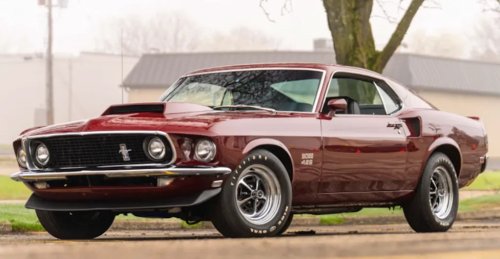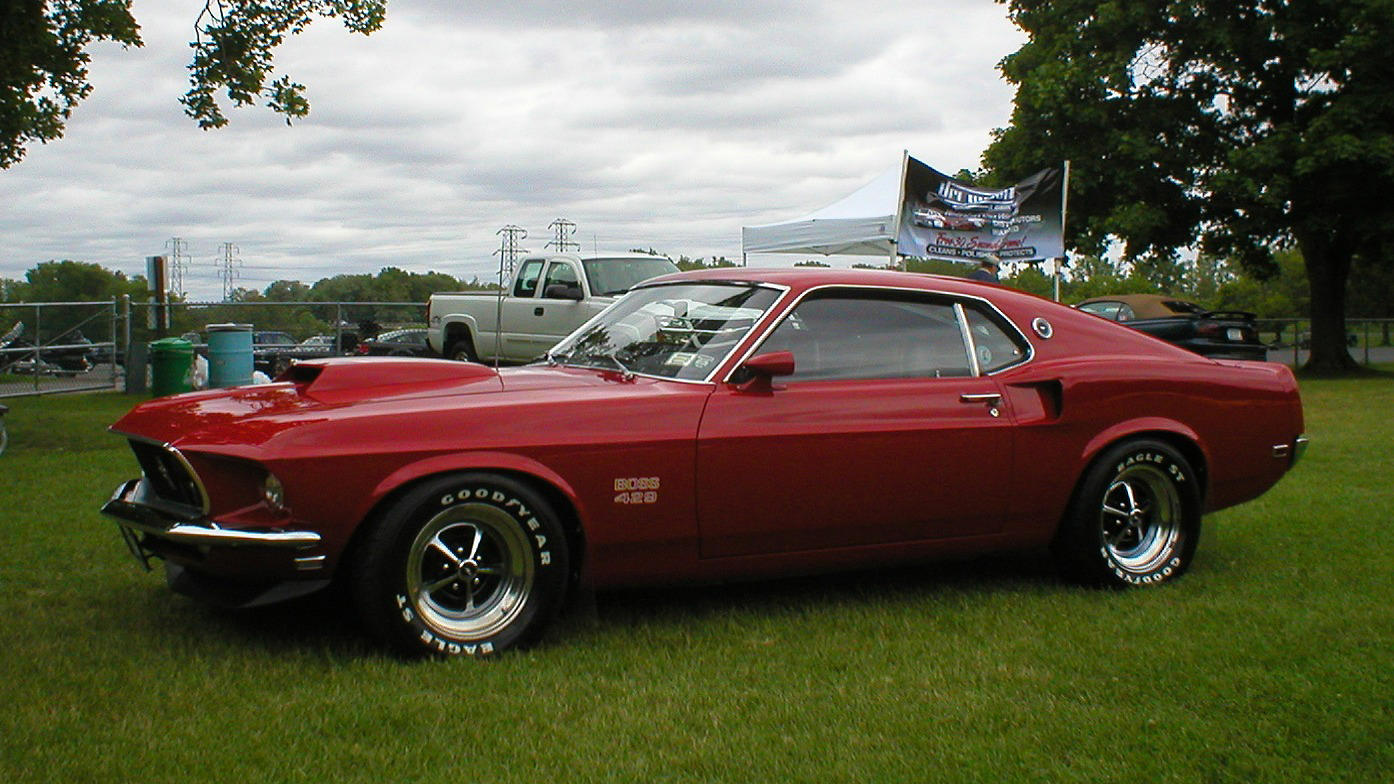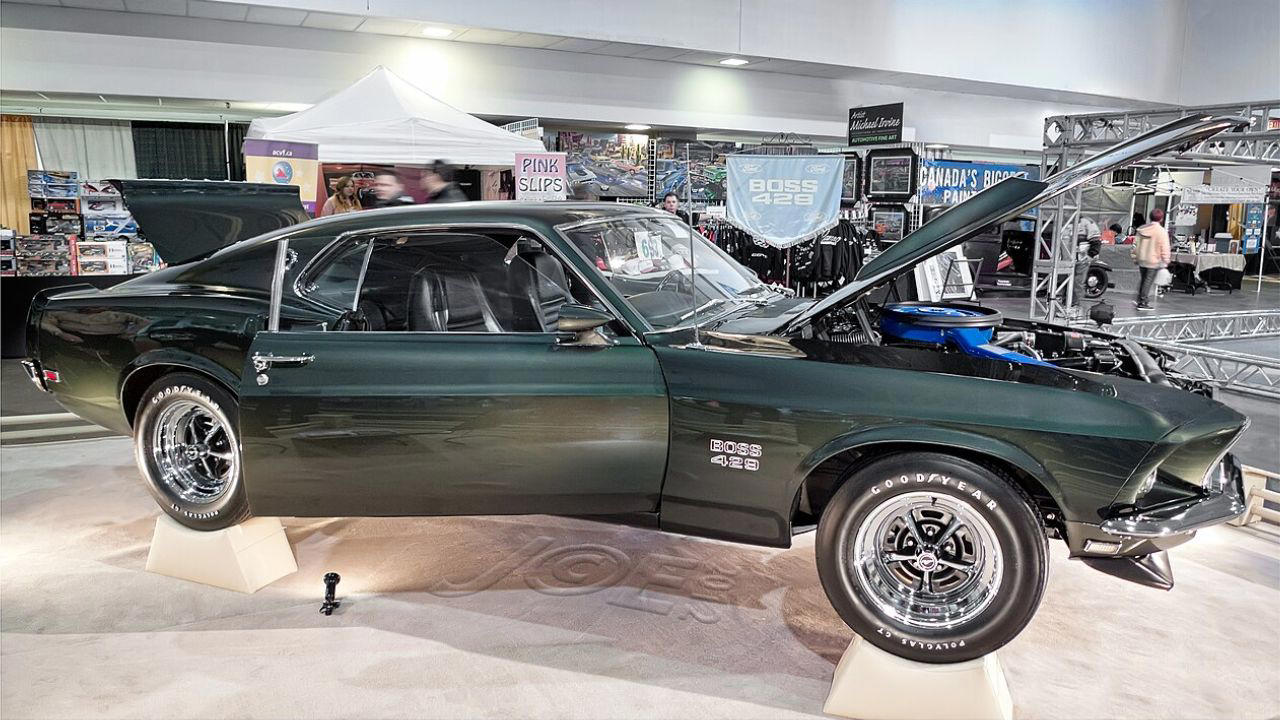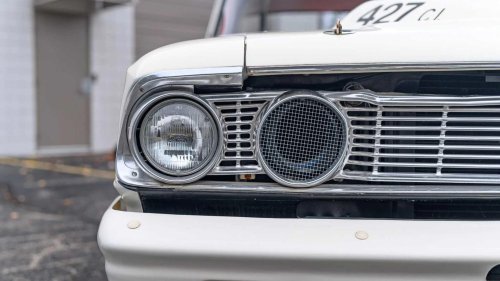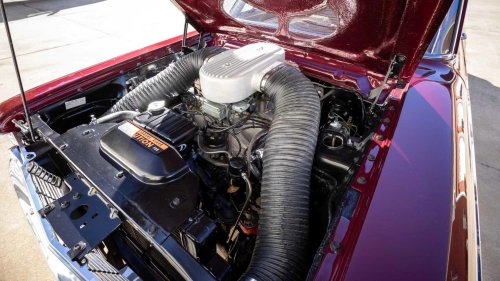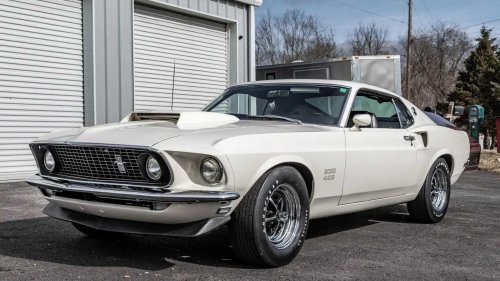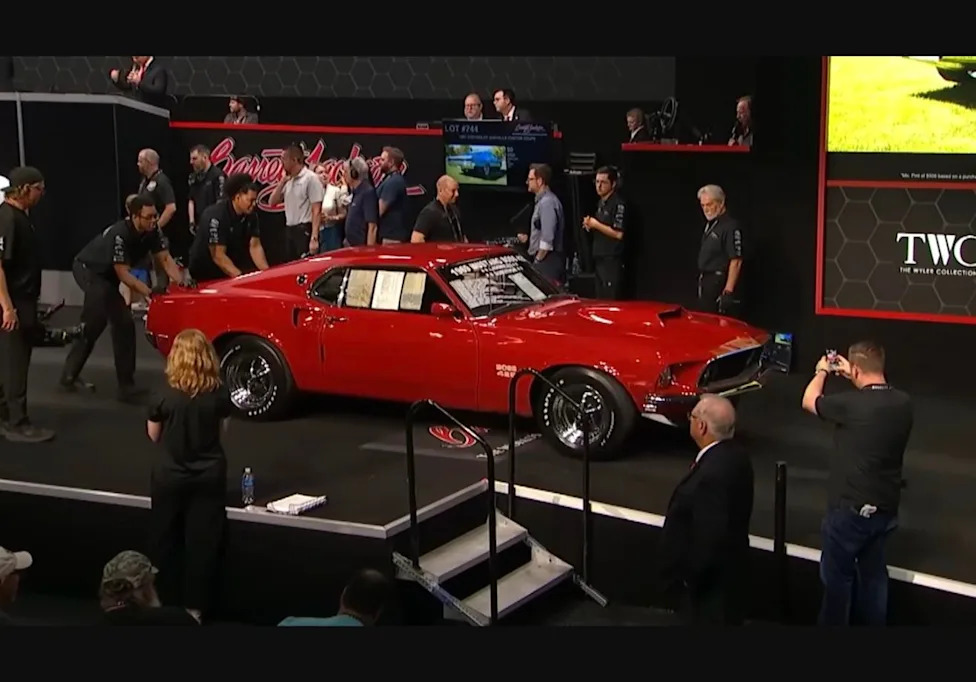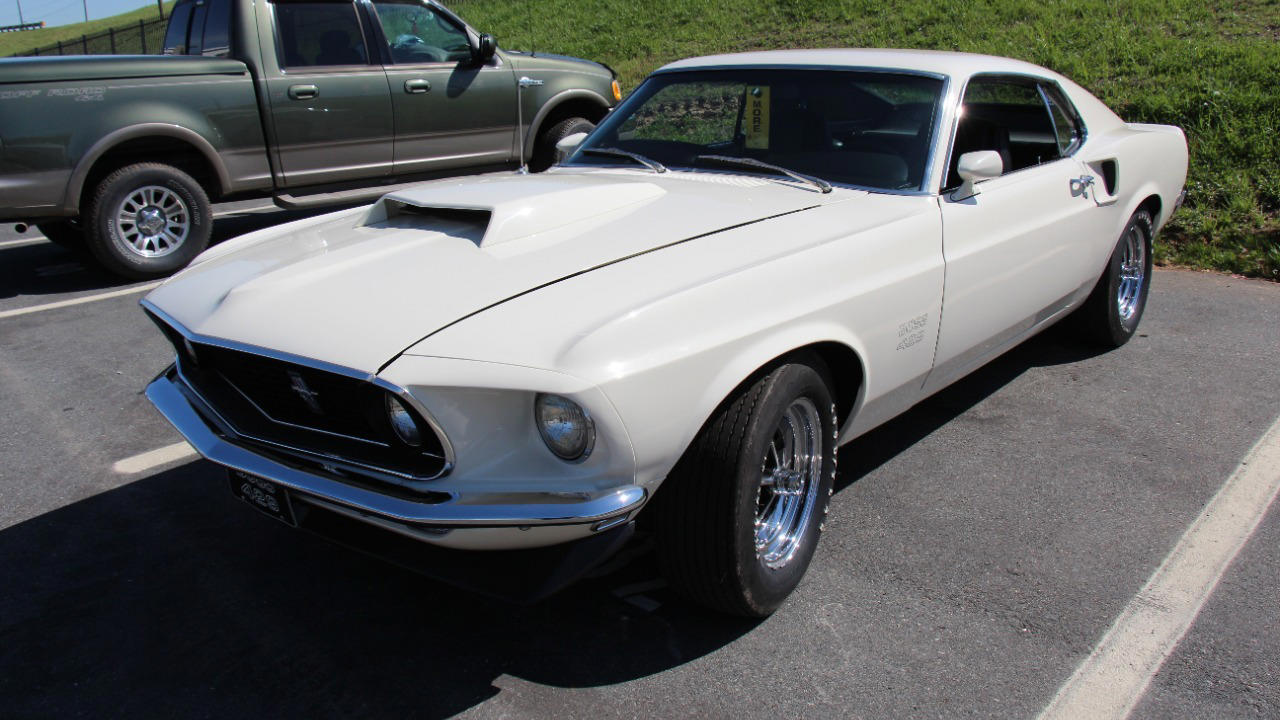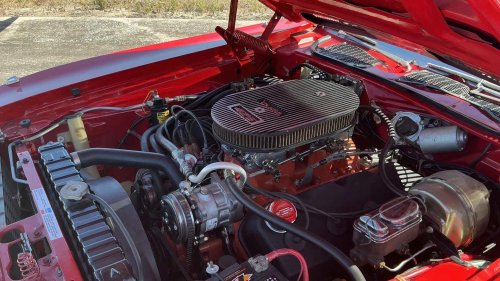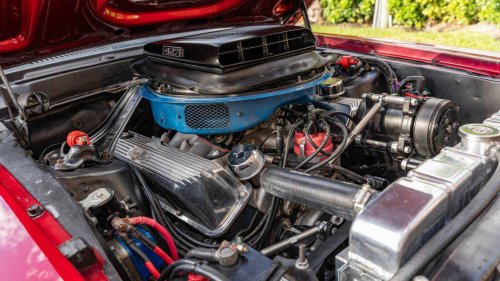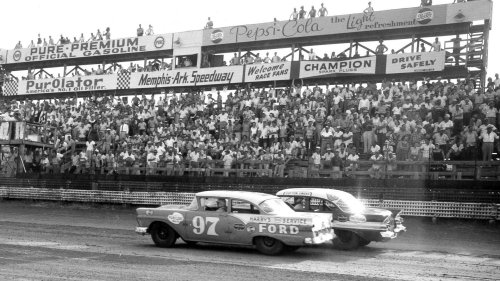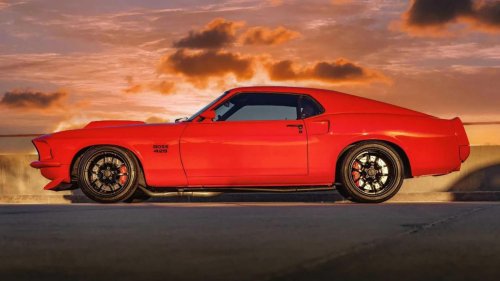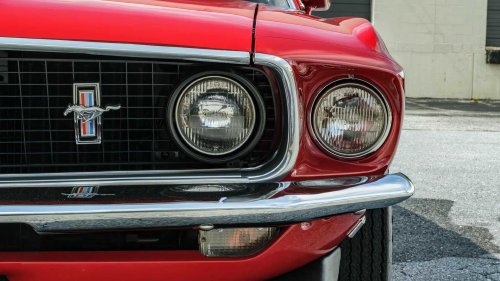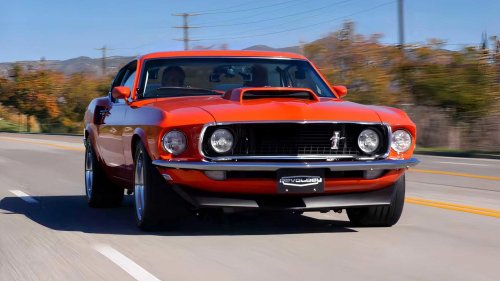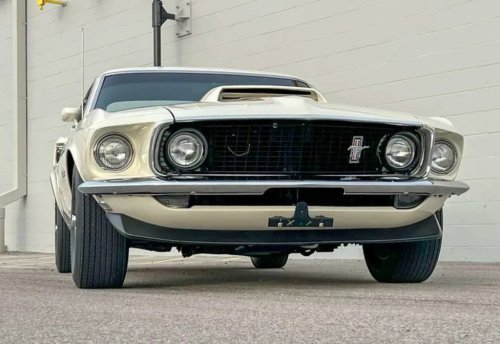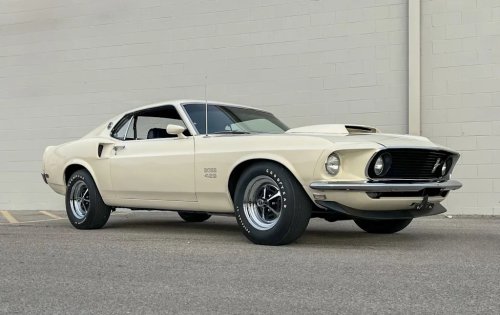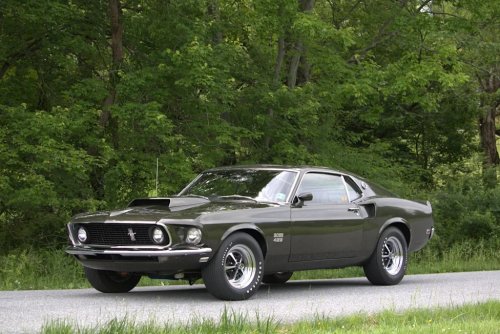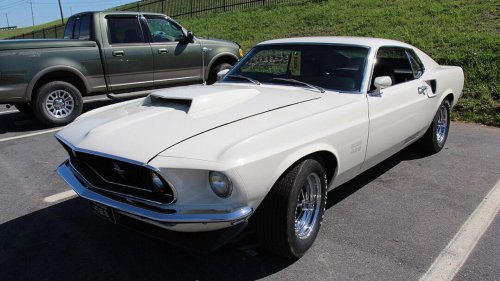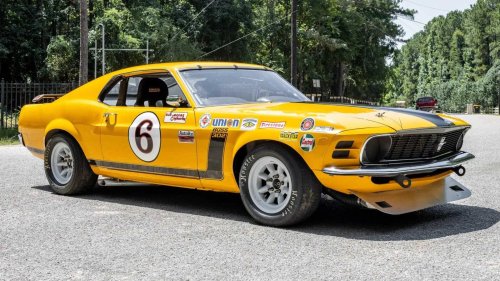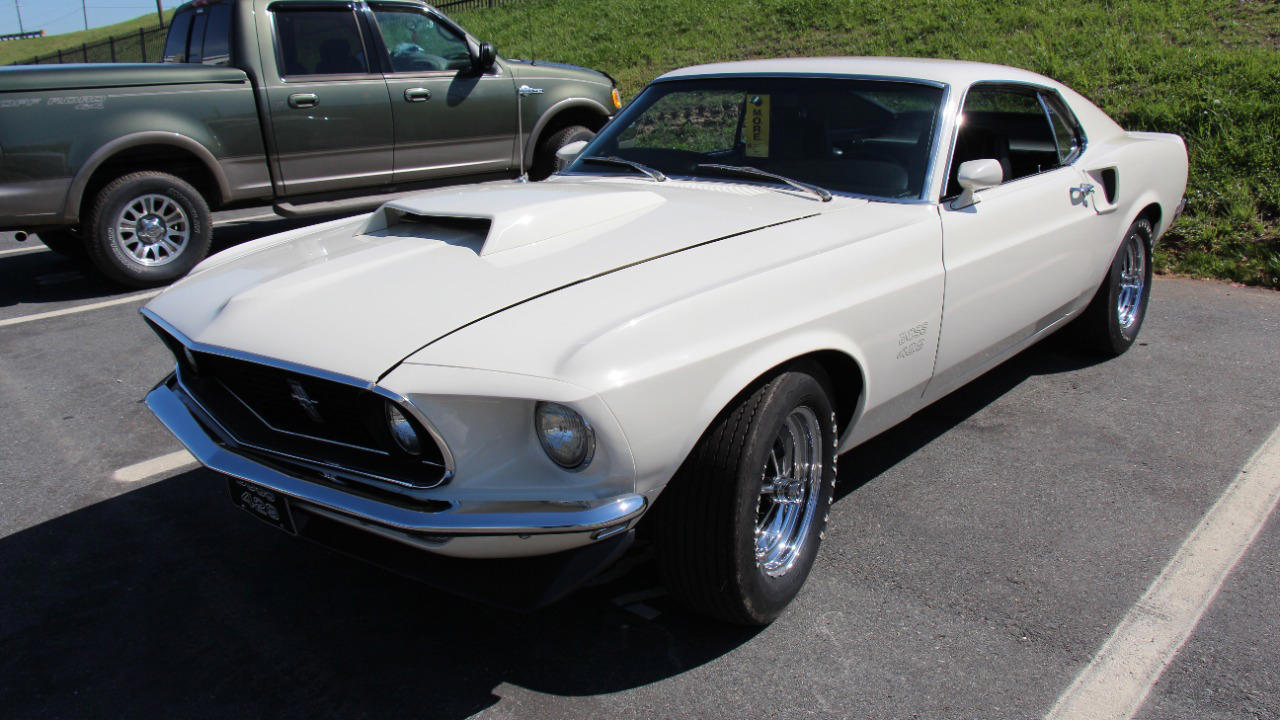



















The Boss 429 existed only because of a rule most people never hear aboutThe Boss 429 Mustang has the aura of a moonshot project, a car that looks like a street machine but was really a legal document on wheels. It existed because of a competition rulebook that said a race engine could not turn a lap in anger unless a few hundred ordinary buyers could park a version of it in their driveway. That obscure requirement, rather than pure marketing whim, is what pushed Ford to stuff a gigantic racing V8 into a pony car shell and send it to showrooms. To understand why collectors obsess over the Mustang Boss 429 today, it helps to see it the way Ford’s racing department did in the late 1960s: as a loophole, a compliance exercise, and a weapon built to satisfy officials before it ever set out to satisfy customers. The rule that forced a legend into existence In American stock car racing, the guiding philosophy in the 1960s was simple: the cars on track had to resemble the cars on the street. That idea hardened into homologation rules that required manufacturers to sell a minimum number of road cars equipped with the same basic engines they wanted to run in competition. For Ford, that meant the only way a new big block could go racing was if it first went on sale. Reporting on the program makes clear that Ford’s Boss 429 engine was created to satisfy NASCAR homologation rules that linked race eligibility to showroom reality. The sanctioning body demanded that any engine used on Sunday be available in a production car, and that it be produced in enough examples to qualify as more than a one-off racing special. Without that requirement, there would have been little incentive to put such an exotic V8 into a street Mustang at all. Those rules did not just shape the engine. They dictated the entire existence of the Mustang Boss 429 as a model line. The car was not conceived as a trim package or a styling exercise. It was a compliance tool that happened to become one of the most coveted muscle cars of its era. Why Ford needed a new 429 in the first place By the late 1960s, Ford was losing ground in stock car competition to rivals with more advanced big blocks. The company responded by developing a new semi-hemispherical cylinder head design for its 429 cubic inch V8, a configuration aimed squarely at high rpm power and sustained running at oval track speeds. The 429 engine was part of Ford’s 385 series, which also included the 460, and its initial purpose was clearly described as NASCAR homologation. Ford engineers were not chasing boulevard bragging rights when they drew up this engine. They wanted a powerplant that could survive the punishment of superspeedway racing, where sustained full-throttle running exposed any weakness in design or materials. The semi-hemispherical layout promised better breathing than the wedge engines Ford had relied on earlier, which made it attractive for long straights and high banking. To get that 429 into competition, however, Ford had to bolt it into a production car and sell it to the public. The Mustang, already a performance icon and a marketing centerpiece, became the obvious host. That decision tied the fortunes of the pony car directly to the demands of the stock car rulebook. Turning a race engine into a showroom Mustang The specific car at the center of this story is the 1969 Ford Mustang Boss 429. Coverage of the model describes how the 1969 Ford Mustang Boss 429 was created as a street car that carried a racing mission, a machine whose identity was shaped by the need to get a 429 into the hands of regular buyers. The car is often described as the one collectors have hunted from the 1960s onward, precisely because it was built in limited numbers to satisfy that narrow purpose. Accounts of the development process explain that the Boss 429 model was created by Larry Shinoda for homologation purposes, a requirement set by official motorsport sanctioning entities that controlled which engines could compete. Shinoda, already a key figure in Ford performance styling, had to adapt the Mustang body to house an engine that was never meant for such a tight bay. That meant rethinking the front structure, the suspension, and even the inner fenders. One detailed history notes that Larry Shinoda for The Boss 429 m project had to work within the constraints of a unibody pony car while meeting the technical demands of a racing V8. The result was a Mustang that looked familiar at a glance but was heavily reworked under the skin, with modifications that served the engine first and styling second. How many cars does it take to make the 429 legal NASCAR’s homologation rules did not just require that a specific engine be sold to the public. They also set a floor for how many copies had to be built. To meet racing rules, at least several hundred cars needed to carry the same basic powerplant that would appear on track. For Ford, that meant committing to a production run of Boss 429 Mustangs, even if the company knew from the start that the car was a niche proposition. Enthusiast retrospectives describe how Ford developed the Mustang Boss 429 to qualify the massive 429 cubic inch (7.0L) semi-hemispherical engine for NASCAR, and that to meet racing rules, at least a specific number of examples had to be produced. One celebratory look back on the model notes that Ford created the Mustang Boss 429 so the big block would be legal on the oval, and that the car produced in 1969 and 1970 epitomizes the company’s NASCAR focus in that era. That same reflection on the model’s significance refers to the way the Mustang BOSS 429, produced in 1969 and 1970, became a symbol of Ford’s NASCAR ambitions. It highlights how the 429 engine, more than any styling cue, defined the car’s identity and justified its existence. The emphasis is on the engine as a racing tool that happened to be wrapped in a street body. One anniversary piece even frames the celebration around “Happy 429 Day,” calling out how Ford developed the car to qualify the 429 cubic inch engine for NASCAR, and how the production run was tailored to satisfy those racing rules. That same look back on the Mustang BOSS 429, produced in 1969 and 1970, underlines how the model still stands as a reminder of the lengths manufacturers would go to meet a sanctioning body’s requirements. In that context, the Boss 429 was not a volume seller. It was a homologation batch, a carefully counted series of cars built to clear a regulatory hurdle and unlock the engine’s competitive potential. Inside the Boss 429 Mustang package On paper, the Boss 429 Mustang looked like just another high-performance variant in a crowded muscle car market. In reality, it was a street-legal NASCAR beast with a chassis and body heavily revised to cope with an engine that barely fit. Historical overviews explain that the Boss 429 was produced in limited numbers in 1969 and 1970, and that its origin is twofold: it allowed Ford to homologate a new 429 for competition, and it gave the Mustang lineup a halo model with serious performance credentials. That same overview of The Boss 429 program notes that its development was driven by Ford’s desire to make the 429 a legal option in top-level stock car racing. The car’s suspension, engine bay, and even front structure were altered to accommodate the big block, which sat so wide that the shock towers had to be reworked. The result was a Mustang that looked relatively understated but carried a racing heart. Collectors and historians often point out that the Boss 429 Mustang was not the quickest street car Ford ever sold in a straight line. The engine was under-tuned for durability and emissions, and the car’s weight and gearing were not optimized for drag strip glory. Yet the model still commands intense interest because of what the engine was capable of in race trim, and because of the direct link between the showroom car and the NASCAR program. From showroom oddity to collector obsession At the time, many buyers saw the Boss 429 as an expensive, somewhat mysterious option compared with more straightforward performance packages. It lacked the flashy stripes of some rivals and did not dominate stoplight drag races in stock form. Over time, however, its rarity and racing connection have turned it into one of the most hunted muscle cars of its era. Enthusiast coverage that focuses on the 1969 Mustang Boss 429 and its racing mission describes how the car became the center of a long-running search among collectors, who value its direct link to NASCAR and its limited production. Those same accounts highlight the way the Ford Mustang Boss 429 combined understated styling with a purpose-built engine that was clearly designed with competition in mind. Another retrospective on the car’s legacy calls the 1969 Ford Mustang Boss 429 a street-legal NASCAR beast, describing it as a machine built for one purpose: domination in top-tier stock car racing. That piece emphasizes how the Ford Mustang Boss 429 carried a 429 under its hood that was closely related to the engines used on the oval, and how the car’s value today reflects that heritage as much as its performance numbers. Collectors also point to the involvement of specialist contractors who helped Ford adapt the Mustang body for the 429, and to the way each car was effectively hand-finished to accommodate the big engine. That combination of low-volume production, specialized assembly, and direct racing lineage has made the Boss 429 a benchmark for serious Ford enthusiasts. How the Boss 429 actually performed on track Homologation only matters if the race car that follows is competitive. In the case of the Boss 429, the engine that started as a compliance project for the Mustang went on to become a powerhouse in stock car racing. Accounts of the era describe how, on the NASCAR circuit, the Boss 429s were the most successful and, at their first outing, won their first race. The same coverage notes that the Boss engines were so dominant that they went on to win 26 of 27 races and the championship. Those numbers underline why Ford was willing to go to such lengths to satisfy the rulebook. The investment in engineering a new 429, reworking the Mustang to fit it, and building a limited run of street cars paid off when the race versions proved nearly unbeatable. The homologation special in the showroom was the visible tip of a much larger competitive strategy that played out on high-speed ovals. More from Fast Lane Only Unboxing the WWII Jeep in a Crate 15 rare Chevys collectors are quietly buying 10 underrated V8s still worth hunting down Police notice this before you even roll window down The post The Boss 429 existed only because of a rule most people never hear about appeared first on FAST LANE ONLY.