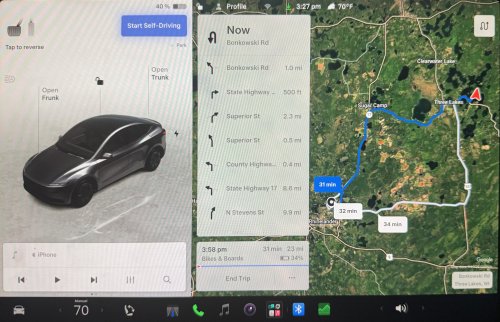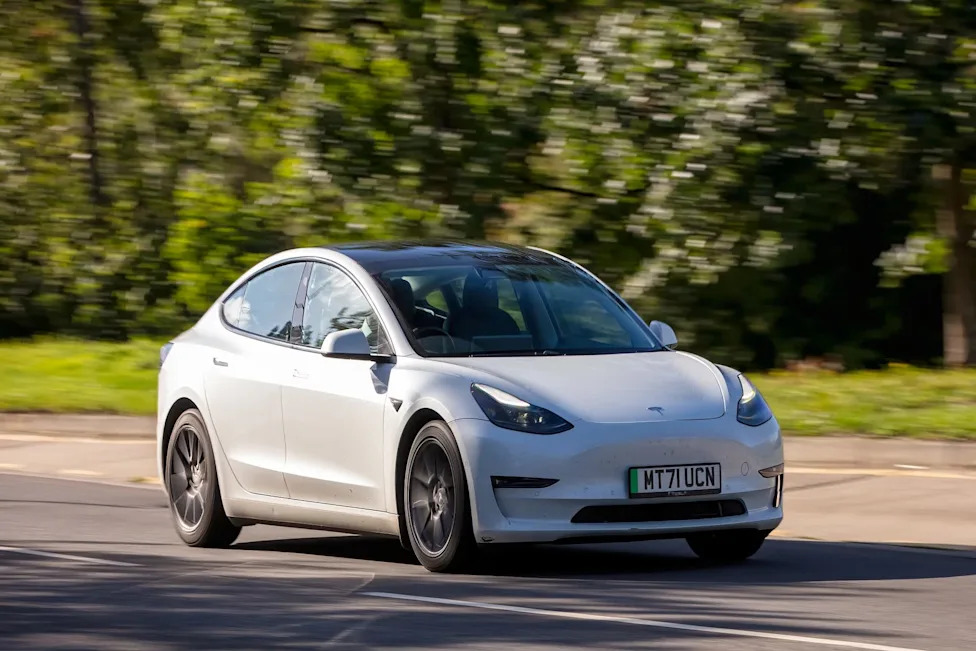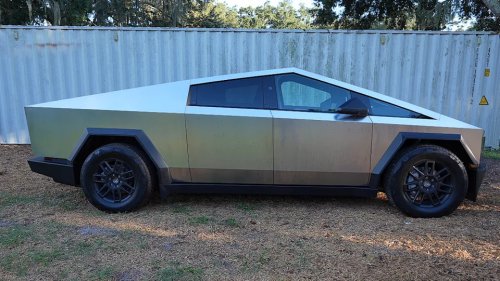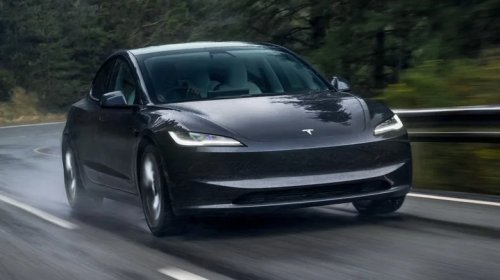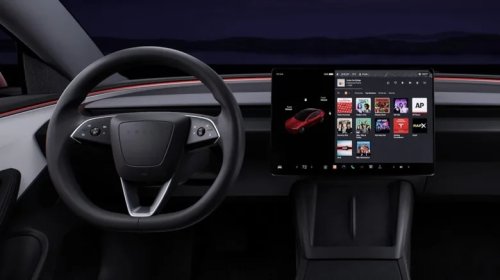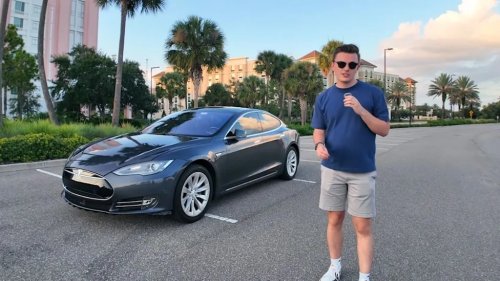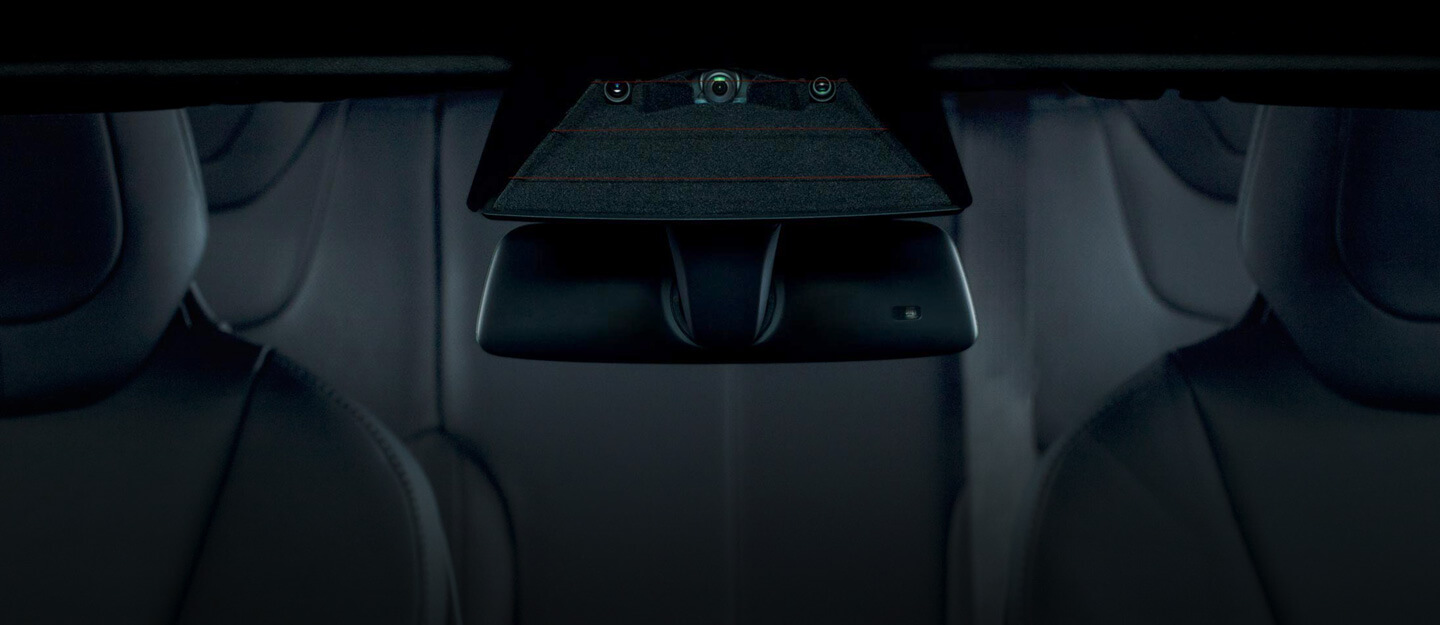


















Tesla is recalling 218,868 vehicles in US over rear-view camera problems. Various 2017-23 sedans and SUVs are caught up in the safety issue. Most of the affected cars have already been fixed via an OTA update. Tesla is currently trying to get its Full Self-Driving system homologated in Europe, but back in the US, it’s struggling with a far less advanced bit of technology that’s vital to navigating North American roads and traffic. We’re talking about the rear-view camera, which is proving glitchy in a wide range of cars over an even wider range of model years. As a result, Tesla has been forced to recall nearly 220,000 vehicles in the US. Related: Americans Pay $37K For The Cheapest Tesla, Canada Got A Chinese One For $29K The problem centers on the rear camera software, which often prevents the correct image, or any image at all on certain examples of the Tesla Model 3, Tesla Model Y, Tesla Model S, and Tesla Model X built between 2017 and 2023. According to safety documents, the issue appears when the vehicle is powered up and immediately shifted into reverse. In that moment, the camera feed may fail to display, leaving the screen blank for up to 11 seconds. That’s not exactly what you want when backing out of a driveway or parking space, or worse still, when picking your kids up from school. That delay might not sound like much, but besides being inconvenient and obviously dangerous, it’s enough to fall foul of federal safety rules. Without a rearview image, drivers lose a key piece of visibility, which regulators say increases the risk of a crash. Affected Tesla Models ModelModel YearsUnits AffectedModel 32017-202368,311Model S2021-202320,231Model X2021-202317,616Model Y2020-2023112,710 SWIPE So far, the impact appears limited. The company has logged a handful of warranty claims and field reports, but there have been no confirmed accidents or injuries linked to the problem. While this is officially a recall, it’s not the traditional kind that requires you to reacquaint yourself with the staff at the nearest service center. Unlike the Cybertruck drivers whose wheels are at risk of falling off, most owners in this case won’t need to visit a dealer at all because the fix comes in the form of a software update which has already been pushed to the vast majority of affected vehicles. In fact, Tesla says more than 99.9 percent of cars have already received the update, meaning the issue has effectively been resolved before many owners even knew about it. Tesla