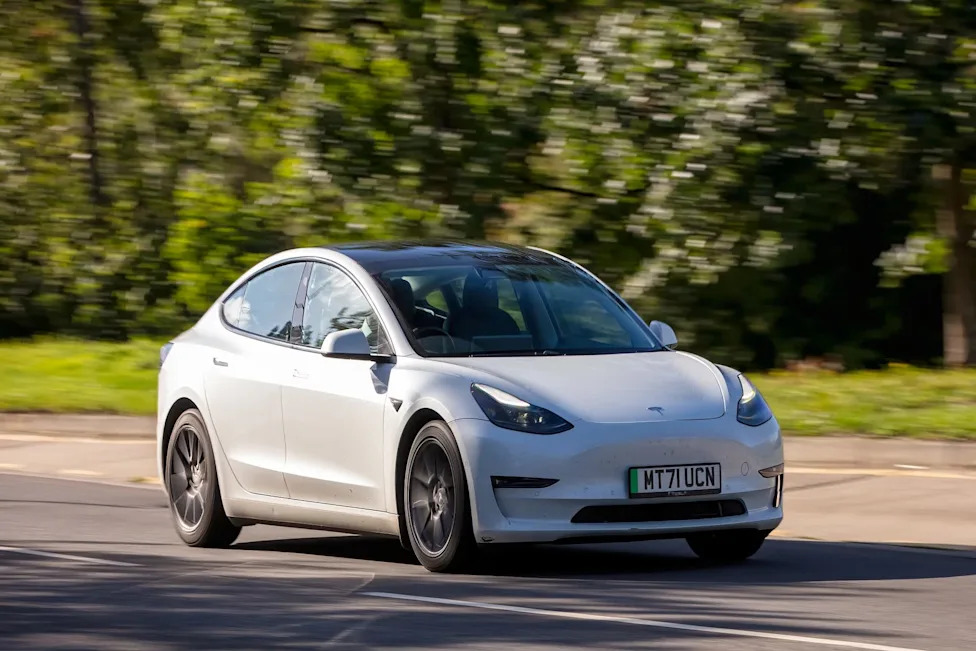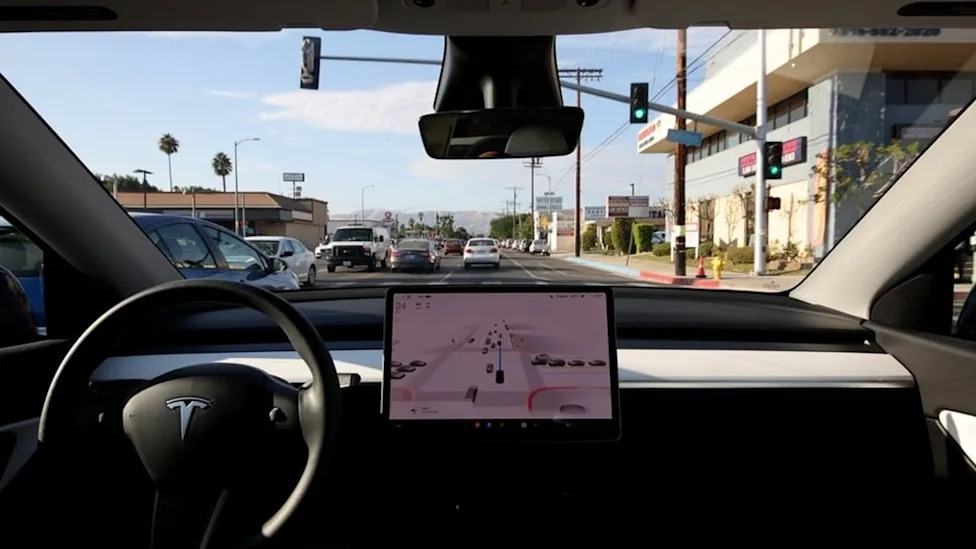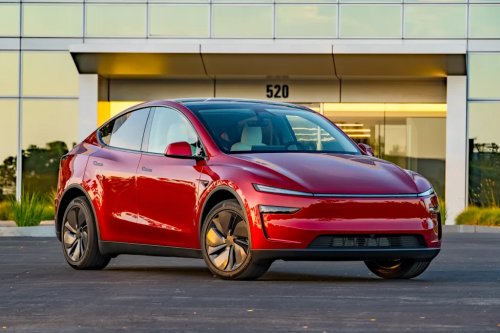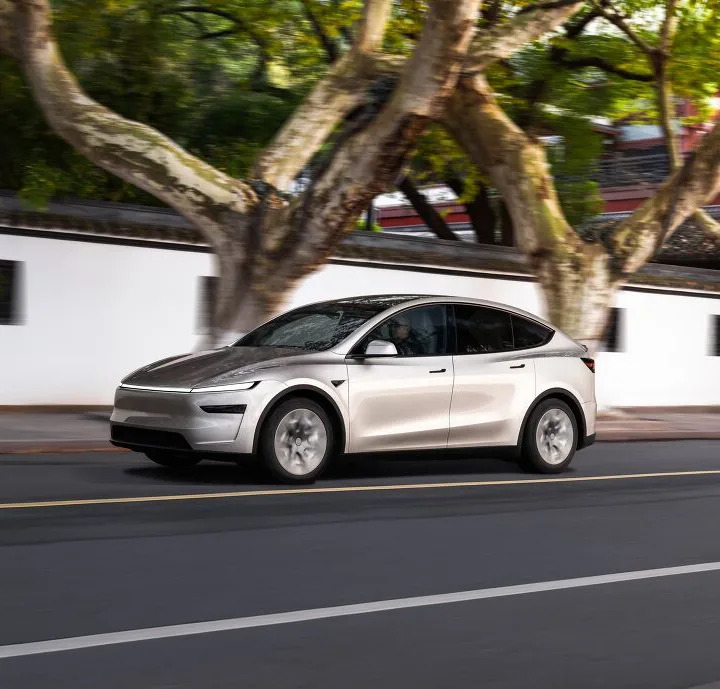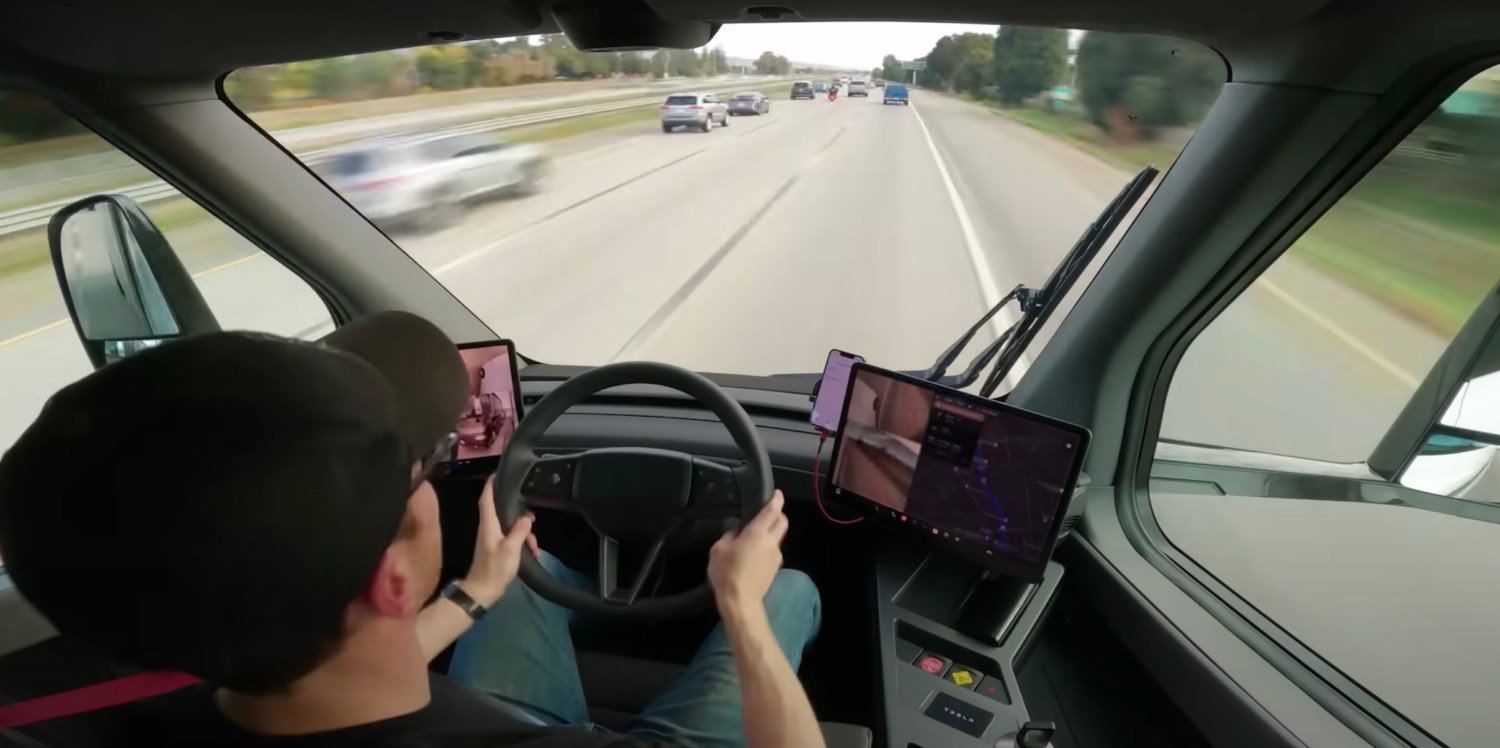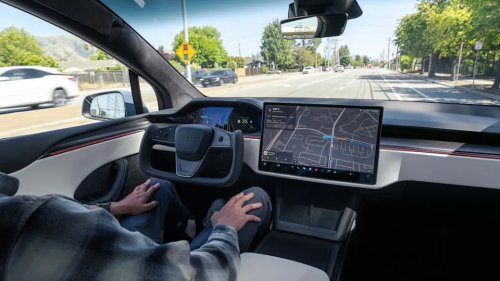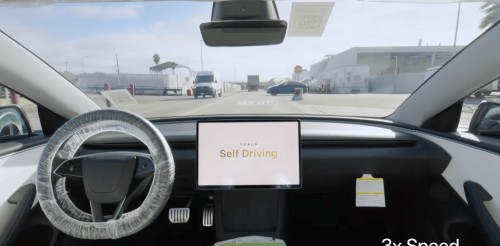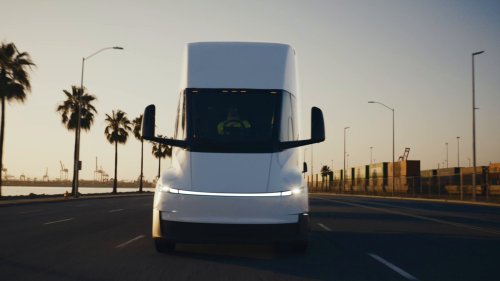
















Photo Credit: iStockTesla has released new details about 17 previously redacted crash reports tied to its self-driving taxi testing in Austin, Texas — and some of the newly public accounts are raising fresh questions about whether the technology is ready.According to a report from Electrek, the filings show that many of the incidents involved other drivers hitting stopped Tesla vehicles. But several others describe Tesla cars, or remote operators controlling them, striking fences, barricades, chains, poles, and curbs.What happened?According to Electrek's summary of Tesla's crash narratives filed with the National Highway Traffic Safety Administration, these 17 incidents took place from July 2025 to March 2026. Electrek said each case involved a 2026 Model Y using Tesla's autonomous driving system with a safety monitor in the vehicle.AdvertisementAdvertisementTesla had previously been the only autonomous driving company to fully redact all of its crash reports, marking them confidential. At the time, Tesla argued that releasing the details publicly could cause "financial harm." The company has now updated those filings and removed the redactions.The newly visible reports paint a mixed picture. As Electrek summarized, 13 of the 17 crashes were property-damage-only, two listed no injuries, one involved a minor injury without hospitalization, and one involved a minor injury requiring hospitalization.Several incidents appear to have been caused by other road users rather than Tesla's system. Several crashes involved a stopped Tesla at a light, stop sign, or in traffic being rear-ended or sideswiped by another road user. One stopped Tesla was hit by a pedicab, and another was sideswiped by a turning city bus.Some of the most notable reports, however, involved Tesla's own systems or remote backup operators. AdvertisementAdvertisementOne July 2025 incident involved a safety monitor requesting assistance after the vehicle stopped moving. A teleoperator then remotely took control of the car and drove it "up a curb and into a metal fence" at 8 miles per hour, as Electrek described. In another case, in January 2026, a teleoperator reportedly took control and drove into a construction barricade at 9 mph.Other reports suggest possible trouble detecting smaller or awkwardly positioned objects. In one instance, a self-driving Tesla hit a metal chain while entering a parking lot, another clipped a dump trailer hitch jutting into the street, and separate reversing incidents involved a wooden electrical pole and a curb.Why is Tesla's robotaxi crash data concerning?The central issue is not just the crashes themselves, but what they may signal for riders, customers, and public confidence.AdvertisementAdvertisementTesla has promoted advanced driving technology as a key part of its long-term future. Reports revealing testing crashes could make would-be riders and buyers question how safe the system is in real-world conditions. For customers, that can translate into concerns about injury risk, repair bills, insurance rates, and how dependable the company's most advanced features actually are.The delay in releasing these narratives also matters, as it has the potential to skew the broader public conversation around safety.There is also a broader transportation issue. EVs can help reduce pollution from gas-powered cars, but highly publicized autonomous driving problems can undermine confidence in EVs more generally, even though battery-powered vehicles and self-driving software are not the same thing.What's being done about Tesla's robotaxi crash concerns?One meaningful step is already visible here: more transparency. Tesla's newly unredacted filings give regulators, researchers, and the public a clearer look at what happened in these incidents. NHTSA's reporting requirements for autonomous driving crashes are intended to create exactly that kind of accountability.AdvertisementAdvertisementThe reports also show that Tesla was still using in-vehicle safety monitors during these tests, suggesting that some layers of oversight were in place. Going forward, stronger public reporting, independent safety reviews, and careful limits on where and when autonomous systems operate could help reduce risk as the technology develops.For consumers, one practical takeaway is to separate the benefits of EVs from claims about self-driving technology. Buying an EV does not mean relying on robotaxi-style features, and many drivers can lower fuel costs and reduce tailpipe pollution without using advanced autonomy at all.Get TCD's free newsletters for easy tips, smart advice, and a chance to earn $5,000 toward home upgrades. To see more stories like this one, change your Google preferences here.