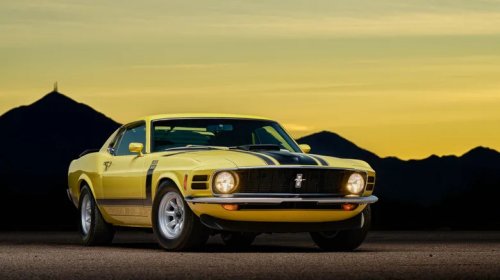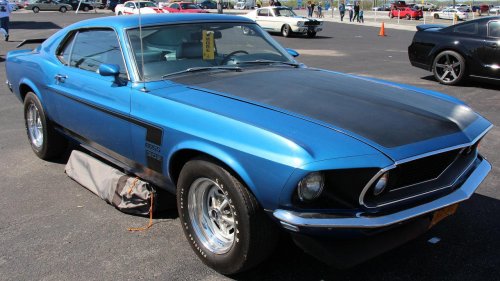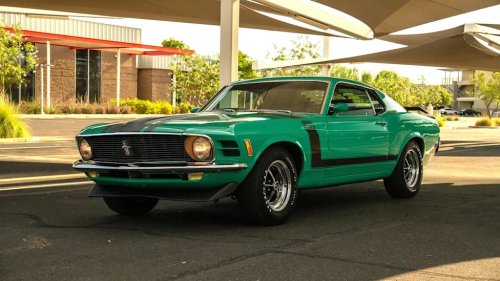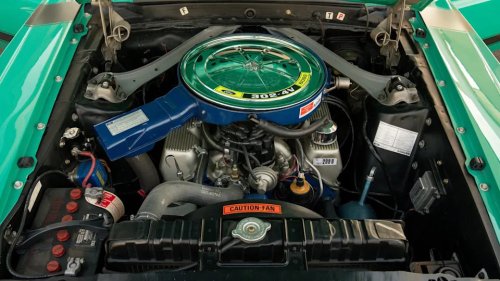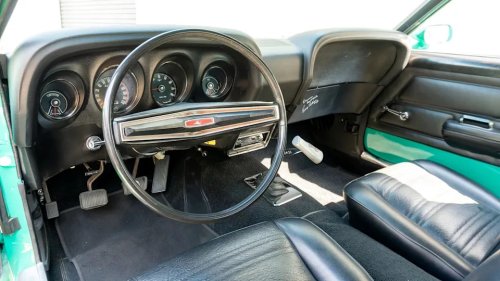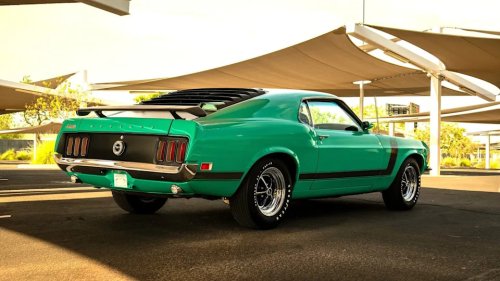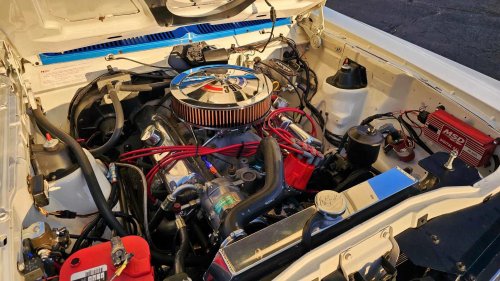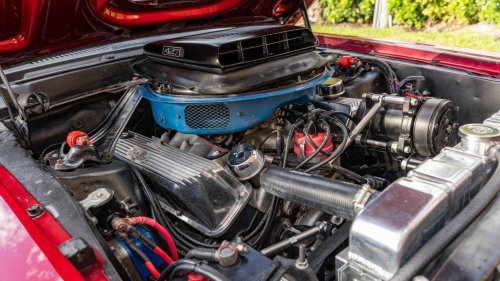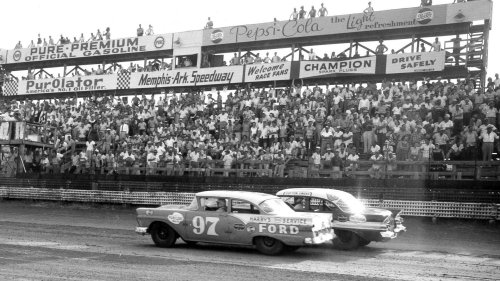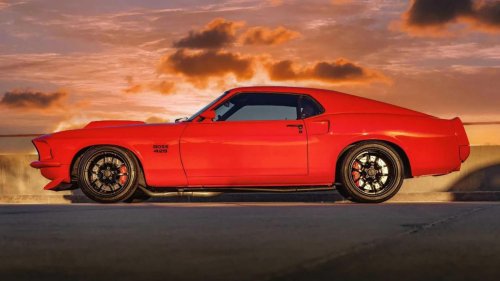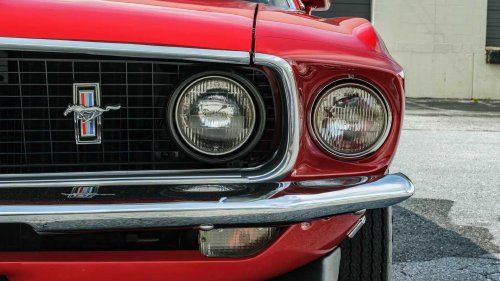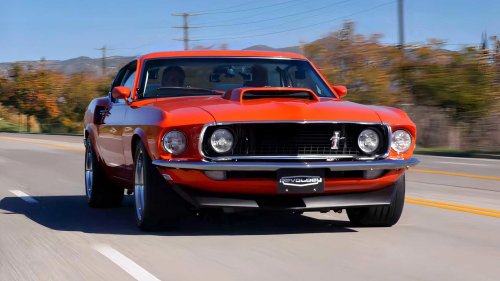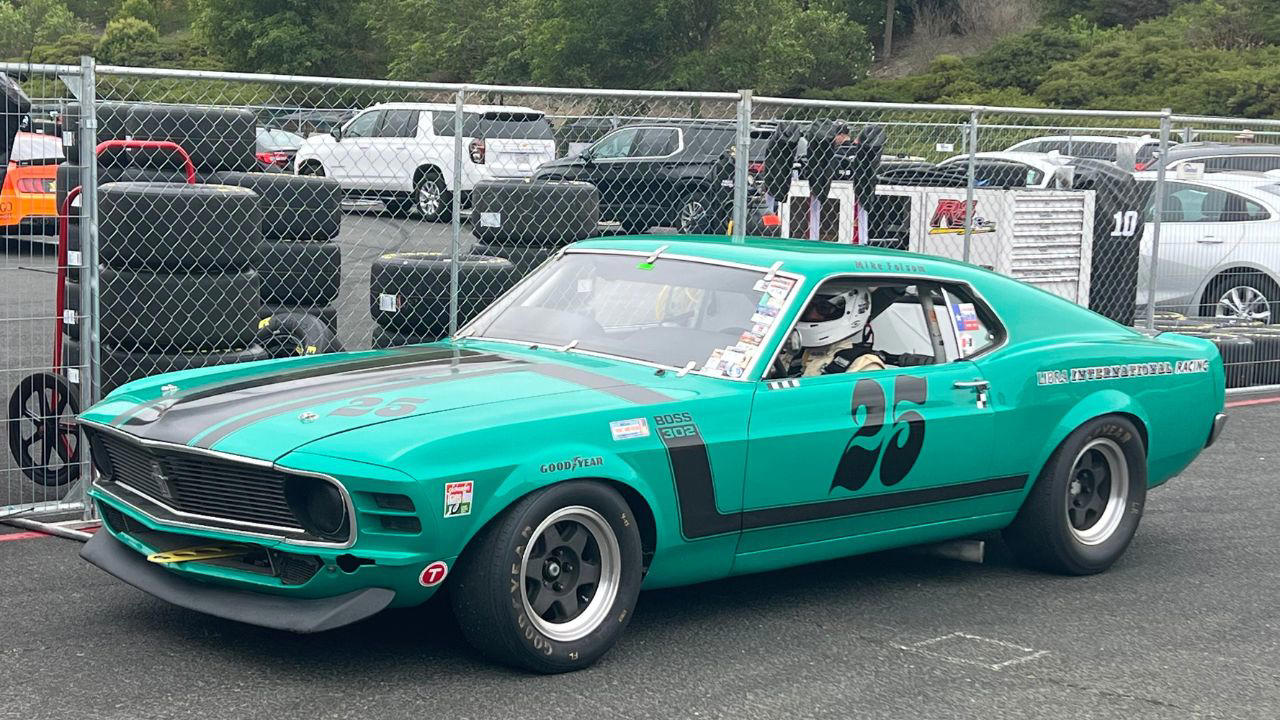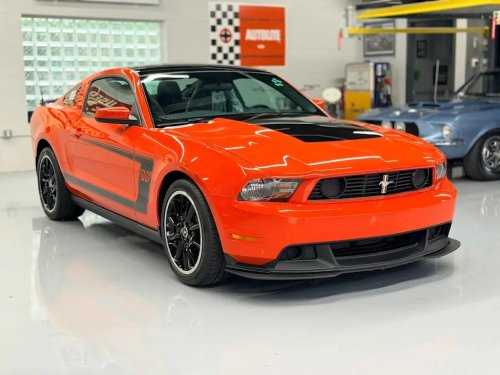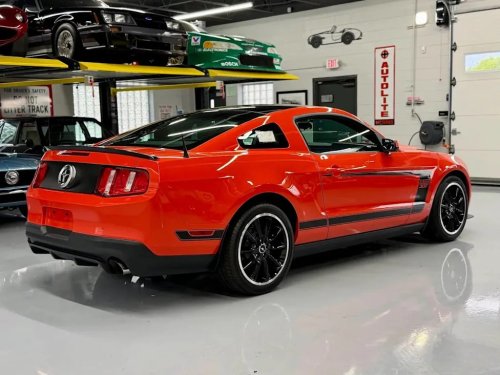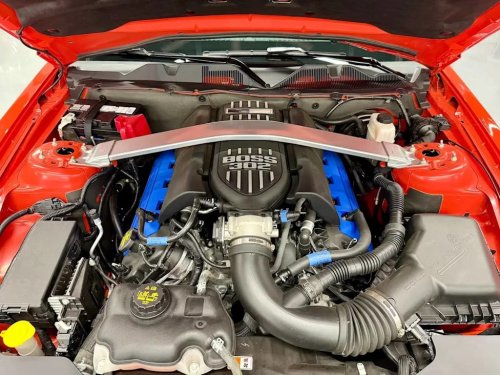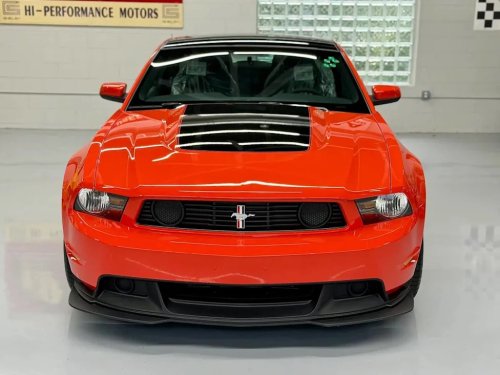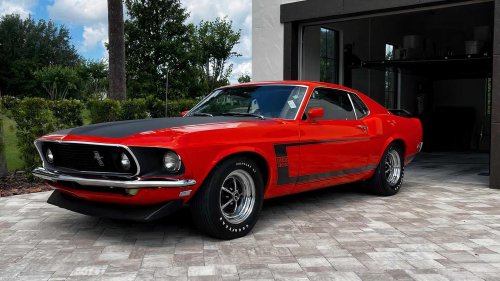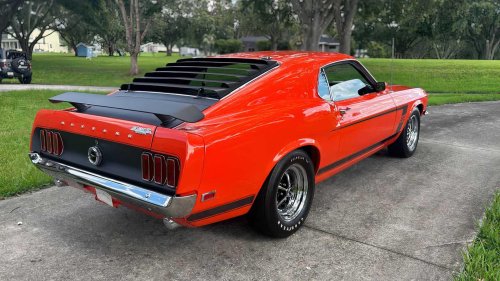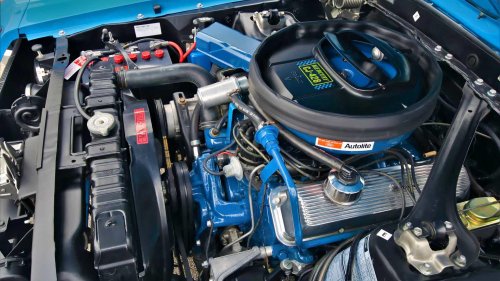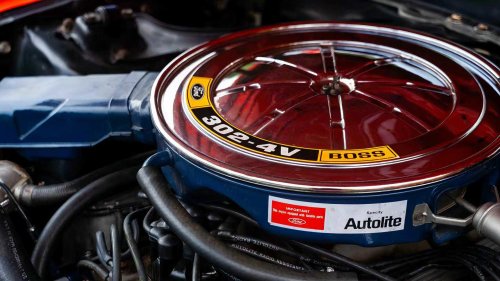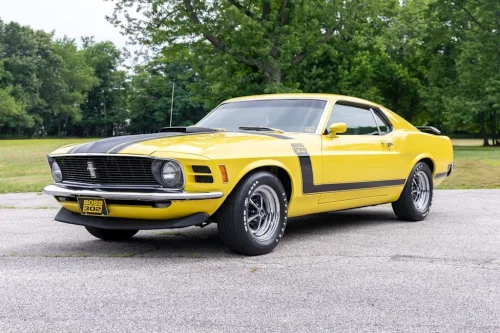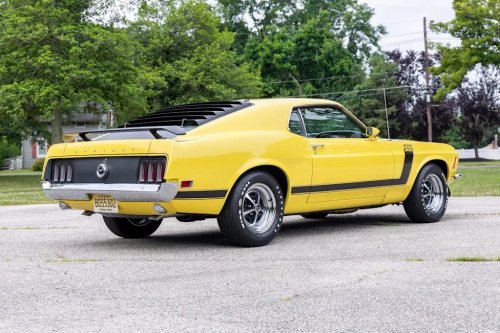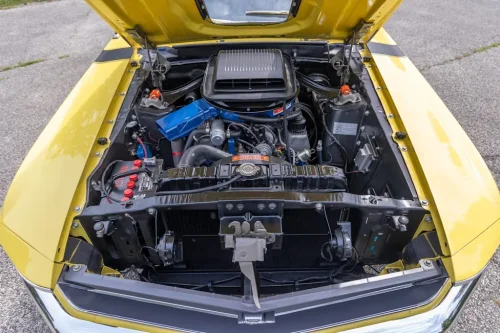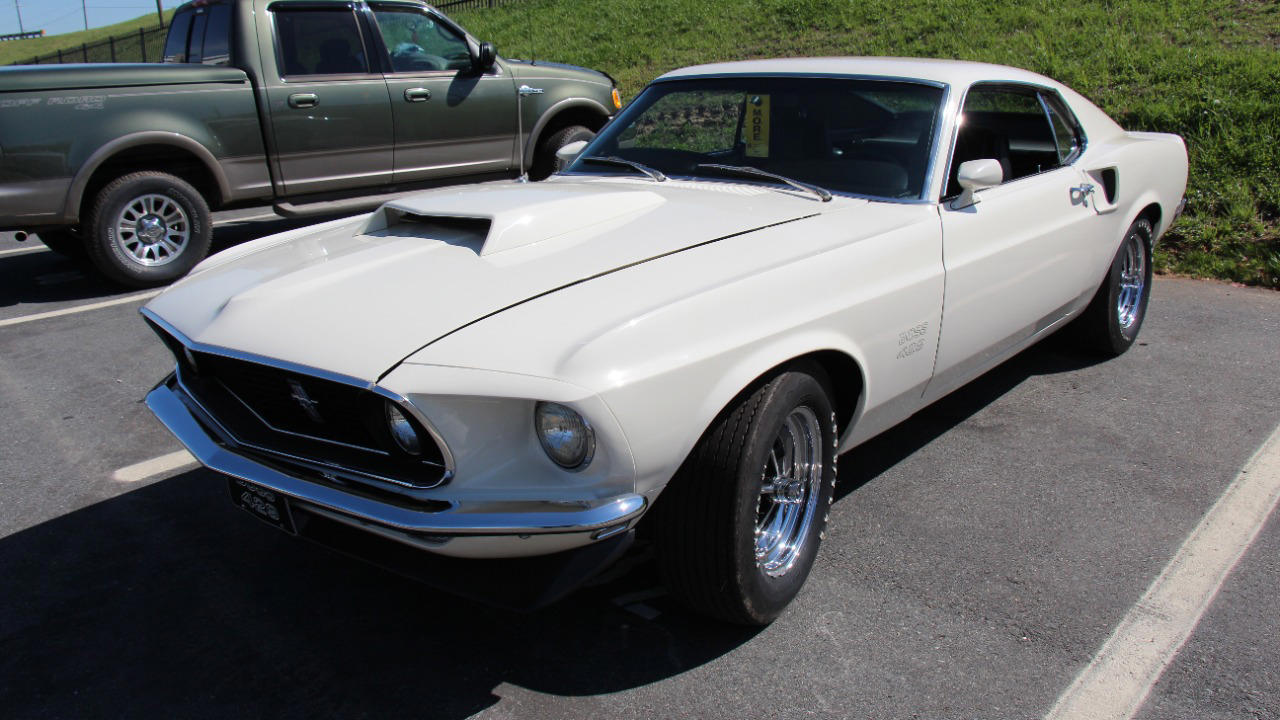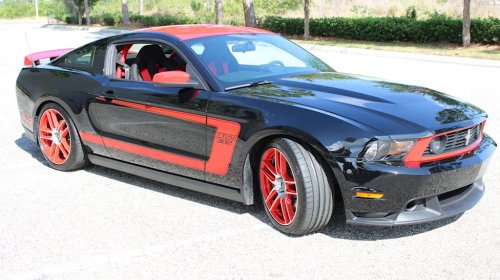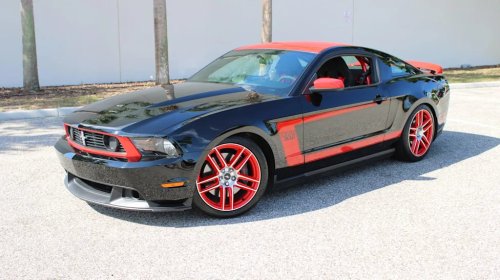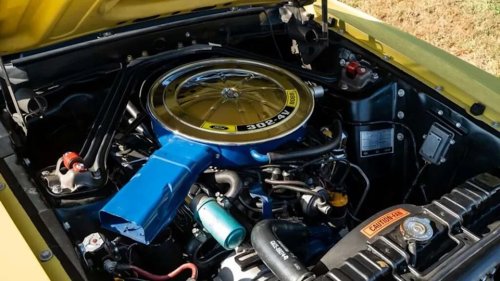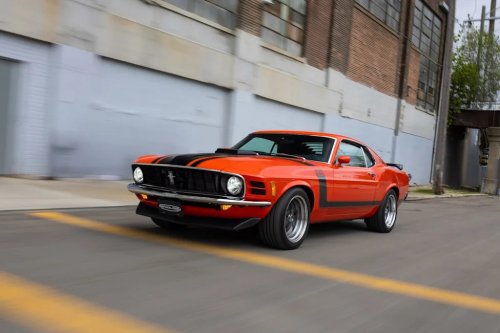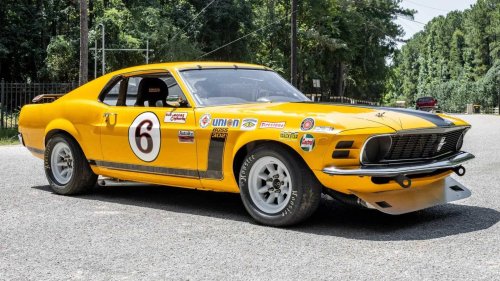
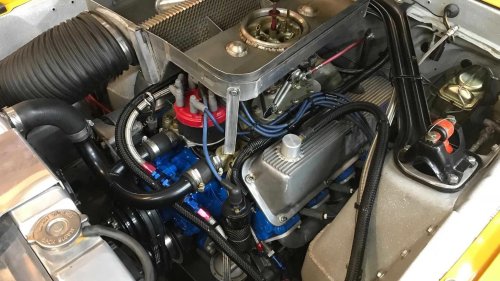
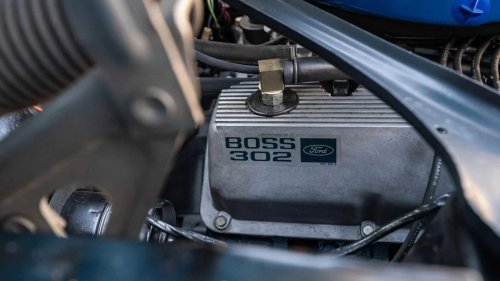
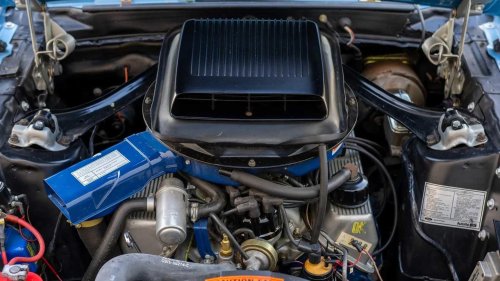
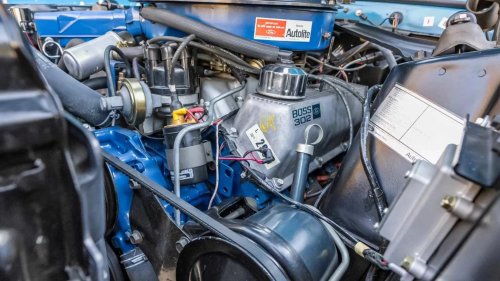
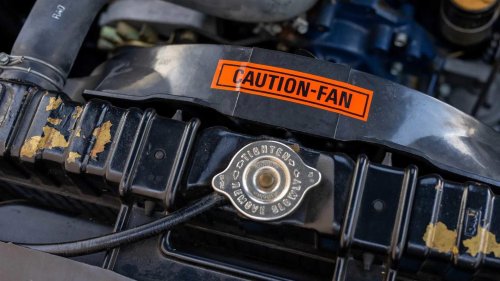
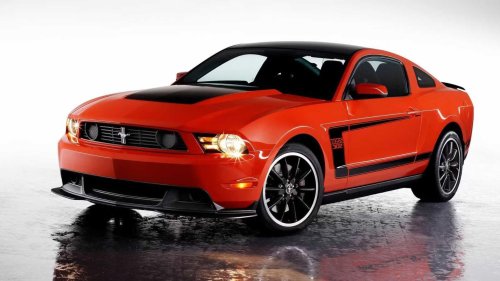
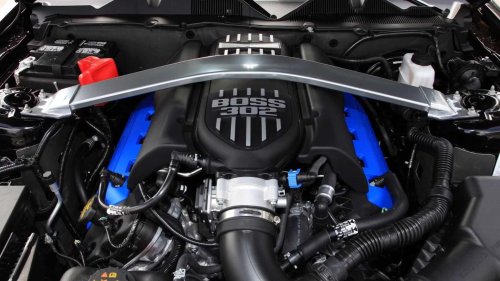



















Jump LinksBorn Of Necessity And Intended For Trans Am VictoryWhy The Boss 302 V8 Was So SpecialBroken PistonsCylinder Head CrackingIgnition ProblemsCooling System WeaknessesLegacy And Modern RelevanceThe Boss was no regular Ford 302 V8 engine. This ferocious Camaro-hunting V8 was designed when the new Z/28 and its powerful DZ 302 engine were dominating the Trans Am race circuit. A carefully put-together hybrid that borrowed its heads from the 351 Cleveland, the Boss 302 motor was a high-revving, race-focused eight-cylinder, with the Camaro in its crosshairs. This engine thrust Ford back into victory lane on the track and made the Ford Boss 302 a legend on the street as well. The high-performance DNA of the Boss 302 can still be experienced in the current Ford Mustang. But what really separated the Ford Boss engine from the rest?CarBuzz does not condone street racing in any form; always obey local laws. Any and all automotive racing should be done on a closed course intended for racing purposes. The Ford Boss 302 Engine Born Of Necessity And Intended For Trans Am Victory Bring A Trailer In the 1960s, Ford was heavily involved in racing. By now, we have all heard the amazing story of Ford, with the help of Carroll Shelby, making history at LeMans with the legendary GT40. The partnership between Ford, Carroll Shelby, and Shelby-American was also instrumental in Ford's success in the Sports Car Club of America (SCCA), with the Ford Mustang. As the muscle car era was highly competitive, GM saw the need for a pony car of its own, and introduced the Camaro for the 1967 model year.The Camaro saw quick success in the Trans Am racing series, winning the championship in 1968. For the Mustang, it was a dismal year. At this time, the Ford Mustang was using a new engine called the "Tunnel Port" 302 V8. It had potential, but it made its peak power at a dangerously high rpm, leading to catastrophic engine failures on the track. The Tunnel Port took the blame for a lackluster racing season, and sent Ford back to the drawing board.Bring A Trailer The Tunnel Port didn't have it all wrong, though. Its stellar block design was well fortified and, with some slight modifications, it made a great foundation for the new Boss 302 project. Bill Barr, Chief Engineer of the Boss 302 engine program, realized that the cylinder bore spacing and bolt patterns for both the block and heads of the 289, 302, 351 Windsor, and the new 351 Cleveland, were identical. After extensive research, Bill modified the Cleveland heads to work with the "wet" intake manifold of the 302. This pairing of the 302 block with heads from the new 351 Cleveland yielded wonderful results.This modified 302 would see peak horsepower at 5,800 rpm, making it a viable competitor for GMs DZ 302, and solidifying this marriage as the new Boss 302 engine. Once the new heads and pistons were officially dialed in, Barr was able to achieve 290 horsepower from the Boss 302 engine, with some Boss 302 horsepower outputs at over 300. The next step was adapting this new engine for street use to meet homologation rules put forth by the SCCA. The Mustang could now start putting the Camaro in its rearview mirror - both on and off the track. Boss 302 Internals Why The Boss 302 V8 Was So Special Bring A Trailer The Boss 302 engine was a massive success for Ford until the automaker pulled the plug when the muscle car era died due to high insurance premiums and the oil crisis, among other reasons. For a couple of years, the Boss 302 let everyone know that Ford was serious about performance.Looking at the internal workings, the Boss 302 had a similar block to the "Tunnel Port" 302, with some modifications including thicker webbing around the main bearing locations. Oversquare, the 302 had a four-inch cylinder bore and utilized a unique thin-wall design with a high nickel content for added strength. The block had four bolt main bearing caps and threaded, rather than pressed in freeze plugs to handle the additional internal pressures in the block. The deck was thicker while the specially designed dual-plane intake manifold was taller to accommodate the heads.These high-performance, high-flowing heads had 62cc combustion chambers and canted valves. The canted valve arrangement allowed for exceptionally large 2.23-inch intake valves and 1.71-inch exhaust valves. Additionally, the exhaust valves were sodium-filled to help with cooling. The rockers were adjustable, as they needed to be, thanks to the solid lifters used in the Boss 302. The Boss 302 also shared the 5.155 inch connecting rods from the high-performance 289 cubic inch V8 that has already proven to be a formidable power plant. Aided by beefier fasteners and larger bearing caps, these connecting rods were capable of 8,000 rpm. The crankshaft was forged from high-strength steel, with cross-drilled and hollow crank throws, offering a piston stroke of three inches. However, due to some reliability issues, cross-drilling was eliminated for 1970. The camshaft was a high lift variety with 0.477 inches of lift and 290 degrees of duration. To achieve the high 10.5:1 compression ratio, the Boss 302 eventually used unique pop-up-style forged aluminum pistons co-developed by TRW. Did The Boss 302 Have An Achilles Heel? Bring A Trailer Broken Pistons Despite the major improvements to performance made by the Boss 302, it still had one major weak point that made it through to final production. At around 20,000 miles of street use, issues with piston skirts either cracking or completely breaking off were experienced by owners. This would lead to various degrees of internal engine damage. The problem was solved through a joint effort by Ford and TRW, with a new forged aluminum piston that featured two reinforcing ribs on each skirt. Cylinder Head Cracking Bring A Trailer Although the utilization of the larger and high-flowing 351 Cleveland heads made vast performance improvements for the 302, they were prone to cracking in between the seats of the large valves. This generally wasn't a problem unless the engine was overheated or poorly maintained. Ignition Problems The Boss 302 used a dual point distributor. These distributors were effective from a performance standpoint. However, they were finicky and required frequent adjustments to maintain optimum performance. Additionally, the high rpm that the distributor was subject to caused the points to wear out prematurely. Cooling System Weaknesses Bring A Trailer The Boss 302 is a high-revving performance V8, and for homologation, it was released on the street. The high rpm and high compression of this race engine had the ability to create a significant amount of heat. For cars on the racetrack that were constantly moving at a high rate of speed, and equipped with larger radiators, overheating wasn't generally a problem. For the street-driven Boss 302s, this turned out to be more of an issue. The stock radiator often couldn't keep up with the heat produced by the high-performance Boss 302 V8, and this problem was exacerbated in high traffic or stop-and-go traffic situations. The Legendary Boss 302 Lives On Legacy And Modern Relevance Ford The Mustang Boss 302 was produced from 1969 to 1970, with 8,252 units leaving the factory. Designed by Larry Shinoda, the Mustang Boss 302 had a menacing look and some unique performance upgrades that made it a serious competitor on the track, but also dominating on the street. Reclaiming the SCCA Trans Am championship in 1970 with a Boss 302 powered Mustang driven by Parnelli Jones, Ford did what they intended to do, beat the Chevrolet Camaro Z/28. The Mustang Boss 302 was canceled for the 1971 model year, as the heat of the muscle car era was cooling down.Ford In 2012, the Boss Mustang made a triumphant return. This second-generation Boss 302 was more than merely an appearance package, boasting a forged crankshaft, CNC ported heads, revised performance camshafts, and a high-flowing intake manifold. These performance upgrades yielded 444 horsepower and 380 pound feet of torque. The new Boss 302 produced 32 horsepower more than the standard 2012 Mustang GT model, and it came with the iconic Boss 'C' striping and decals that are reminiscent of the 1969 Boss 302 Mustang. Just like the first-generation Boss 302 that was in production for only two years, Ford only offered the second-gen for two years. Currently, Ford still offers a Boss 302 crate engine. Hopefully, at some point in the future, we will yet again see a reemergence of Ford's revered muscle car icon, the Mustang Boss 302 in the model lineup.