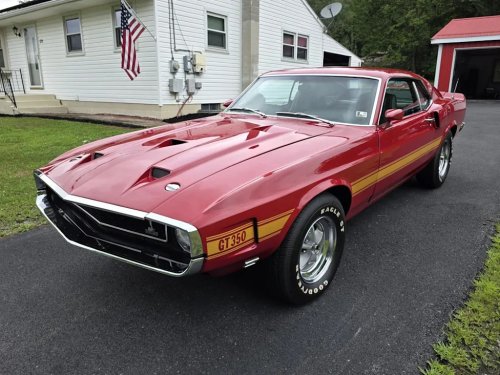
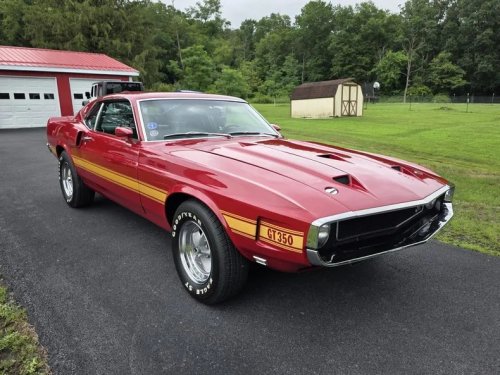
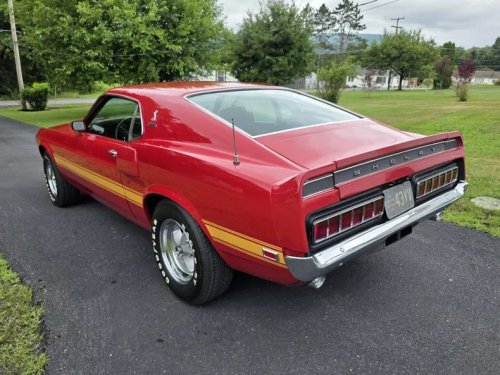
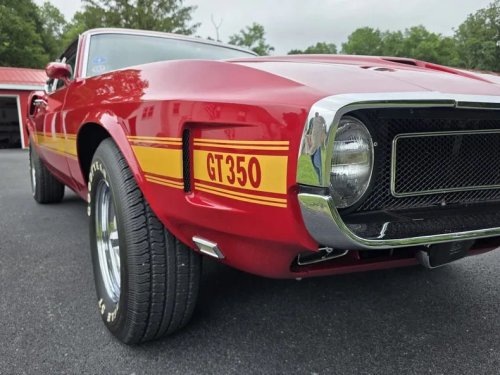
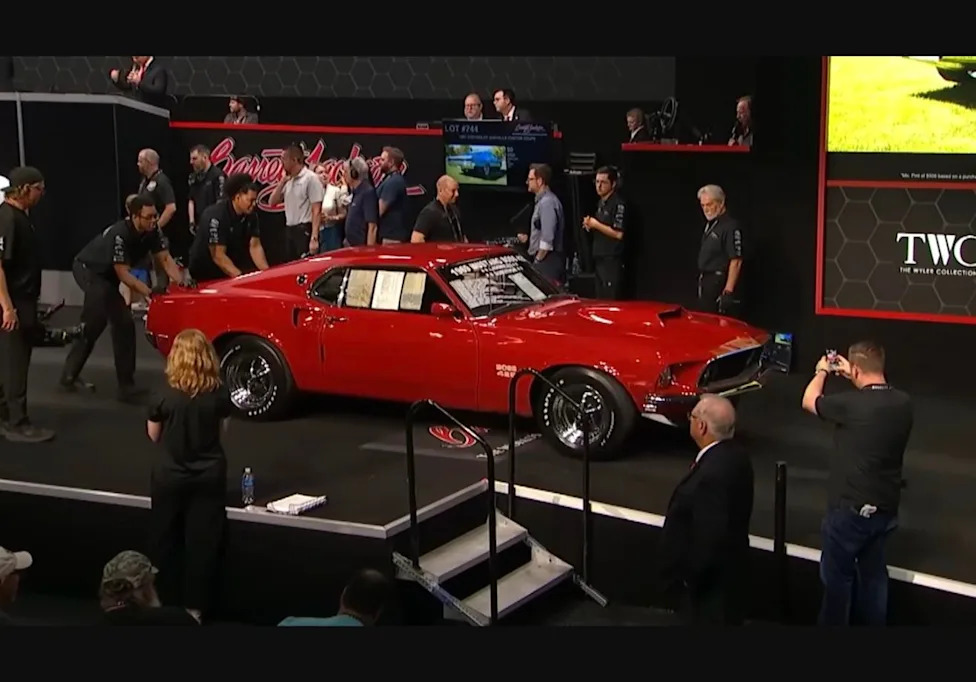
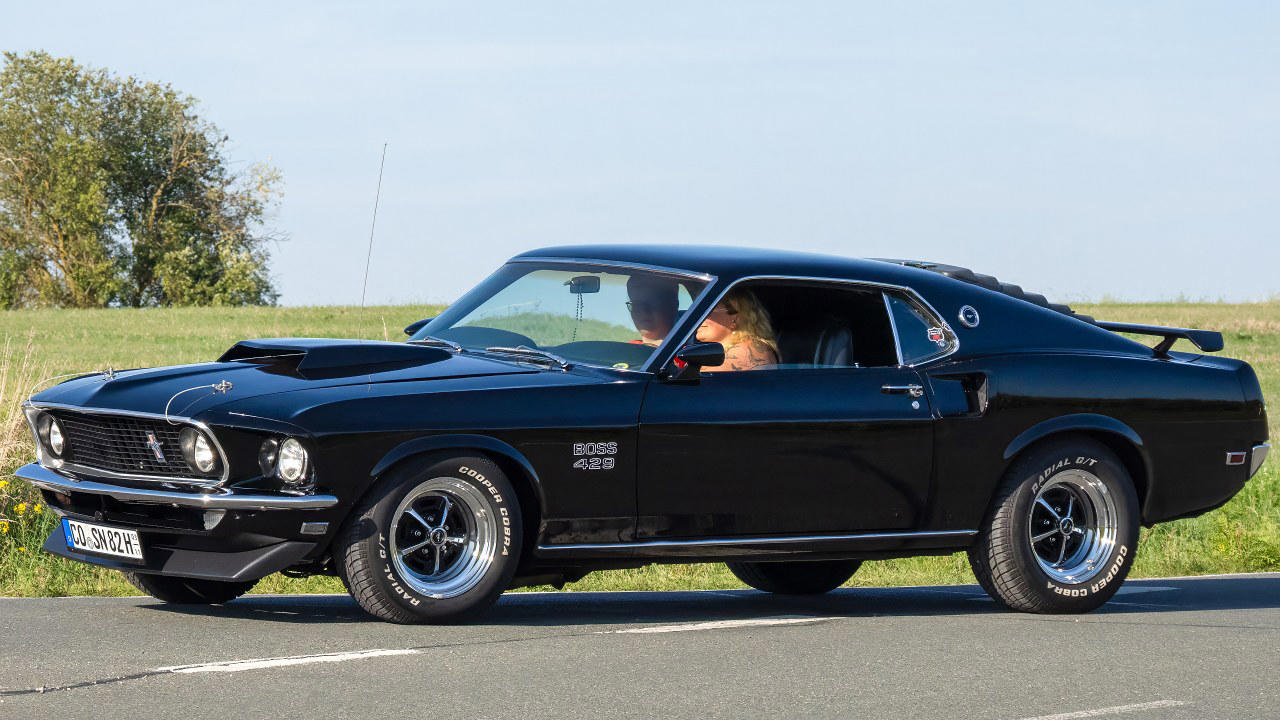
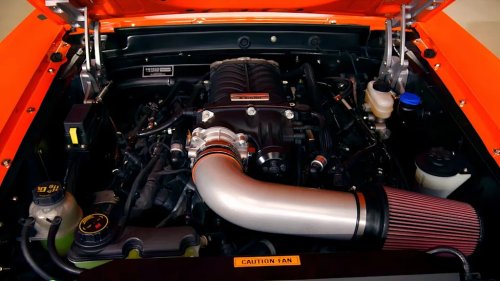
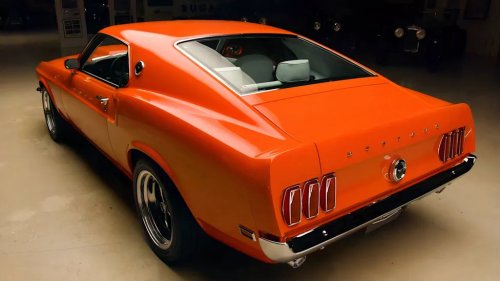
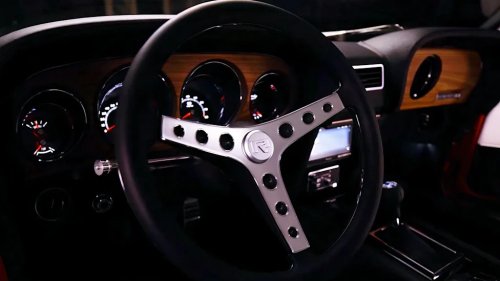
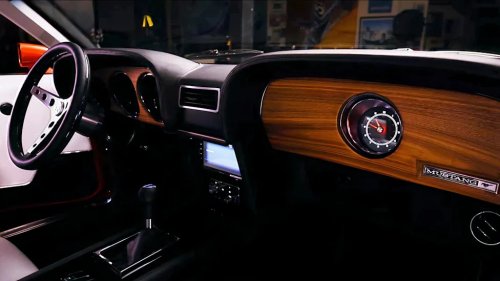
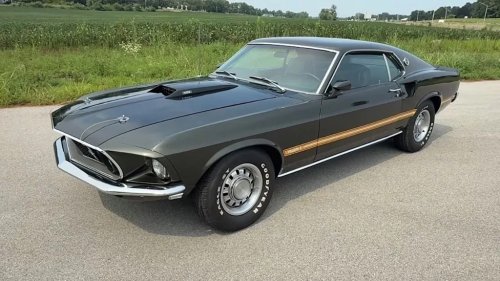
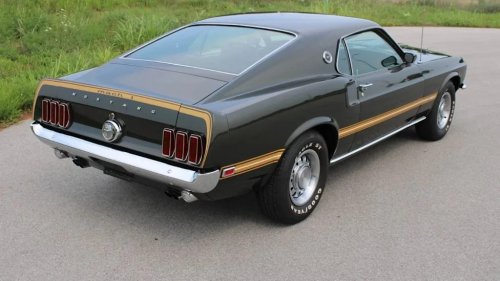
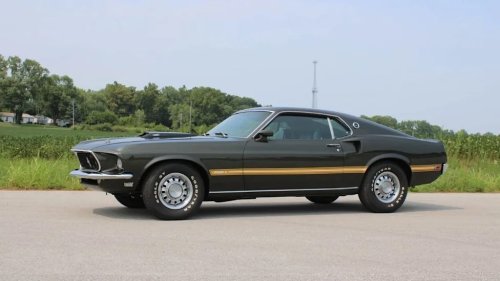
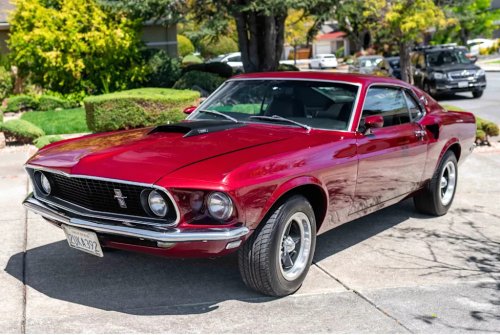
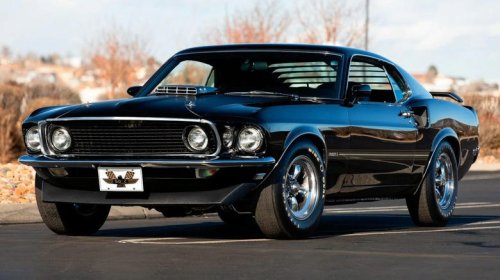
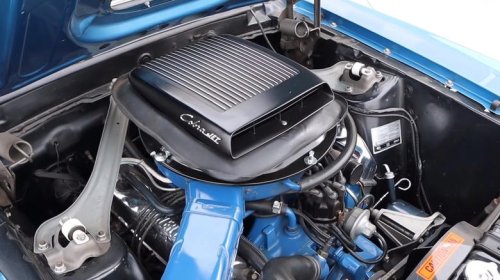
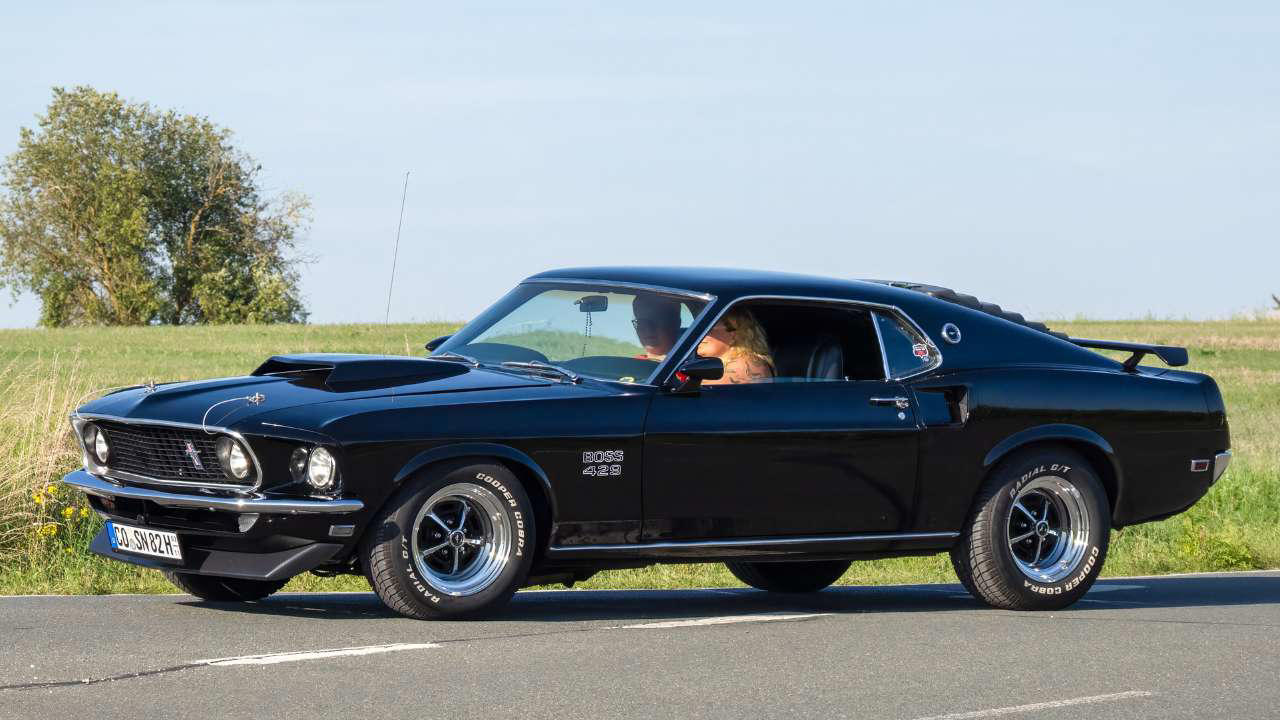
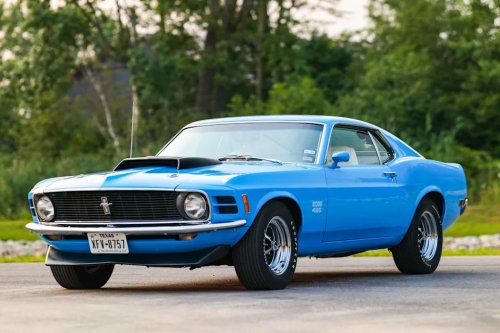
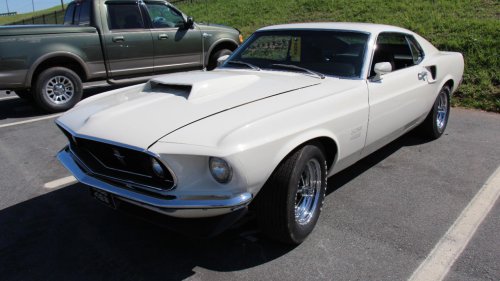
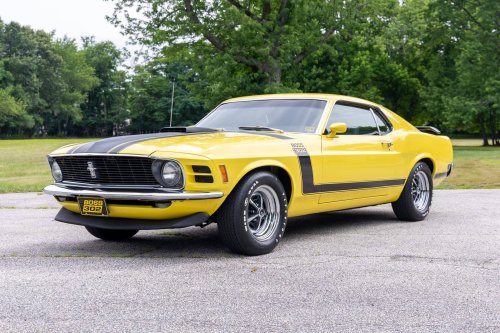
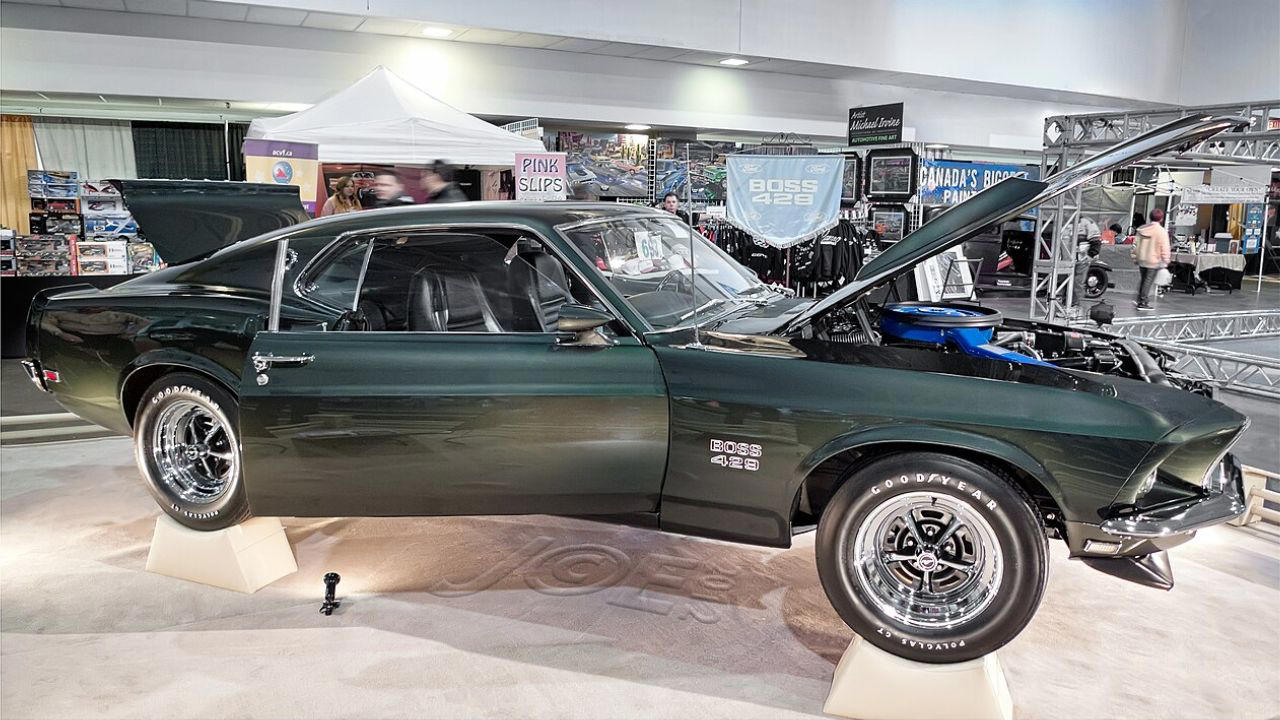
The Mustang Boss 429 has the swagger of a street legend, but its existence traces back to an obscure racing regulation rather than a marketing brainstorm. Ford built this brutish pony car so a very specific big block engine could legally thunder around high-speed ovals, and that bureaucratic requirement quietly shaped one of the most coveted American performance cars ever sold to the public. To understand why the 1969 Mustang Boss 429 exists at all, it helps to start not with the car, but with a number stamped on its fender and cast into its block: 429. That figure, and the NASCAR rulebook behind it, forced Ford to cram a purpose-built race engine into a street Mustang and send a few hundred barely tamed versions to showrooms. The obscure rule that birthed a legend In the late 1960s, stock car racing officials were trying to keep competition honest. NASCAR required manufacturers to sell a minimum number of production cars with any engine they wanted to run on Sundays, a process the sport and automakers called homologation. To race a 429 cubic inch V8, Ford first had to build it for the street. That engine, known inside the company as part of the 385 series that also included the 460, was created with one goal: satisfy NASCAR homologation so Ford could fight at the front of the pack. The 429 featured big ports, a semi-hemispherical combustion chamber and high-flow heads that were meant for sustained high-rpm use on long ovals, not for idling in traffic. Rather than build a special sedan or a big coupe around the new motor, Ford decided to install it in the Mustang. The company wanted its pony car to project racing credibility at a time when Detroit lived by the simple mantra often summarized as Win on Sunday, sell on Monday. The result was a street machine that existed primarily so a race engine could legally take a green flag. Why the Mustang became the 429’s unlikely home Choosing the Mustang as the host for the 429 was not the obvious engineering answer. The engine was physically huge, and the Mustang’s engine bay was never designed for such a wide cylinder head and tall deck height. Yet Ford executives wanted the brand’s youth-oriented coupe to wear the same number that its NASCAR teams would run, so the car division committed to a complex conversion. To make the package feasible, Ford turned to Kar Kraft, a specialty contractor that already handled difficult racing projects. At Kar Kraft’s facility, workers converted regular Mustangs into what enthusiasts now know as the Ford Mustang Boss. The process involved cutting and reshaping the front shock towers, revising the suspension and relocating components simply to make room for the massive heads and intake. The Mustang’s role in this story was partly symbolic. By 1969 the pony car wars had become intense, with every major manufacturer fielding hotter versions of their compact coupes. Dropping a race-bred 429 into Ford’s sporty two-door allowed the company to connect its NASCAR ambitions directly to the car that teenagers and young families saw in dealer windows. From homologation special to street brute The resulting Boss 429 was not a typical showroom Mustang. It was a purpose-built homologation special with a hand-modified chassis and a racing-derived powerplant that just happened to carry license plates. Contemporary accounts and later owner recollections describe a car that felt more like a detuned stock car than a boulevard cruiser. To keep the engine manageable on the street, Ford rated the big block at a relatively modest output and paired it with a heavy-duty four-speed and stout rear axle. Underneath, the front suspension geometry and spring rates were altered to accommodate the weight and width of the 429, while the car sat slightly lower and wider than a standard model. The combination gave the Boss a distinctive stance that matched its mechanical aggression. Although the Boss 429 shared its basic body shell with other Mustangs, the modifications ran deep enough that production could not happen on the normal assembly line. Each car therefore started as a regular Mustang before being shipped to Kar Kraft for its transformation into a purpose built NASCAR car. Production numbers and rarity Homologation rules did not require massive volume, and Ford treated the Boss 429 as a limited project. Reports from owners and enthusiasts consistently point to just 859 examples produced for the 1969 model year. One discussion of the 1969 ford mustang boss 429 performance car notes that with only 859 examples produced, the model quickly became one of the most coveted among collectors. Other sources describe the broader production run across both 1969 and 1970 as totaling just 1,359 units. One analysis of why The Ford Mustang Boss 429 Is One Of The Rarest Muscle Cars Of All Time calls out that a paltry 1,359 Ford Mustang are all that ever left the factory. Either way, the numbers are tiny by Detroit standards. For comparison, other Mustang variants from the period reached into the tens of thousands. The Boss 429 was never intended as a mass-market trim level. It was a box that Ford had to tick in the NASCAR rulebook, and that limited scope kept the car rare from the moment the last one left Kar Kraft. How NASCAR shaped the car’s character The NASCAR connection did more than dictate production volume. It also defined the way the Boss 429 drove and felt. The engine’s design priorities were high-rpm durability and airflow, not low-speed smoothness. That meant big ports, aggressive valve sizes and a bottom end that could live at sustained speeds that ordinary street cars never see. Because the 429 was part of the 385 series that also spawned the 460, it shared some architecture with other Ford big blocks, but its heads and internals were tailored for racing. The block and heads were engineered so that teams running NASCAR competition could extract serious horsepower once the engines were blueprinted and tuned for the track. On the street, that focus meant the Boss 429 could feel a little lazy at low rpm compared with some smaller, more responsive V8s. Owners and testers learned that the car came alive as revs climbed, which made sense for a powerplant created so Ford could run at high speed in sanctioned races. The homologation rule had effectively forced Ford to sell a car whose personality was shaped by oval racing rather than boulevard cruising. Collector obsession and the hunt for surviving cars Over the decades, the Boss 429’s unusual origin story and limited production have turned it into a prize for collectors. Enthusiasts describe it as one of the most legendary American muscle cars ever built, and the chase for original cars has become a hobby in itself. One report on The Elusive Ford Muscle Car Collectors Have Been Searching describes how the 1969 Ford Mustang Boss 429 and its racing mission have made owning one today about more than just nostalgia, since it stands among the most desirable American muscle cars ever produced. Specialist auctions reinforce that reputation. A feature on FROM HOMOLOGATION TO HISTORY: The Boss 429 Mustang notes that the Boss 429 model was represented by LOT #749 and highlights how the car’s innovative features and timeless appeal keep bidders engaged. The same narrative stresses how the Boss 429 moved from short-run homologation project to blue-chip collectible, with well-documented examples commanding strong prices. Online communities dedicated to classic Fords echo that reverence. Enthusiast posts describe the 1969 Ford Mustang Boss 429 as one of the rarest and most legendary muscle cars ever built, and they emphasize how the car was created by Ford as a homologation special for top-level racing. Another group discussion calls the Ford Mustang Boss 429 pure legend and one of the most intimidating Mustangs ever assembled, born in 1969 to satisfy racing rules that required manufacturers to install competition engines in production cars. Why the Boss 429 still matters Beyond its collector value, the Boss 429 represents a moment when the boundary between race car and road car was unusually thin. In the 1960s, Detroit manufacturers treated stock car racing as a proving ground, and the phrase Win on Sunday, sell on Monday captured the idea that success on the track translated directly into showroom traffic. One analysis of how Ford built a NASCAR level car for regular buyers in the 60s explains that in the Detroit performance scene, that mindset led Ford to engineer a homologation special and then sell it to regular buyers who wanted a piece of the racing program. The Boss 429 also illustrates how a single line in a rulebook can shape automotive history. If NASCAR had not required manufacturers to sell a certain number of production cars with their race engines, Ford would have had little reason to build a street Mustang around the 429. The company might have chosen a different body style, or perhaps a different engine configuration altogether, and the specific combination that enthusiasts now celebrate would never have appeared. Instead, the requirement forced Ford to create a car that blended a relatively understated exterior with a competition-bred heart. Period photos and more recent auction descriptions show that the Boss 429 did not rely on wild graphics or exaggerated bodywork. Its identity came from the discreet fender script, the functional hood scoop and the knowledge that under that sheet metal sat an engine designed for high-speed ovals. A homologation footnote that became an icon Seen from today’s perspective, the 1969 Mustang Boss 429 looks like an inevitable icon, a car that any manufacturer would proudly market as a flagship. The historical record tells a different story. It began as a compliance exercise, a way for Ford to tick a box in the NASCAR regulations. The company had to build a certain number of street cars with the 429, so it chose the Mustang as the delivery vehicle and handed the conversion work to Kar Kraft. From there, the car’s legend grew slowly. Owners discovered that the Boss 429 demanded respect and rewarded commitment, especially when its engine was allowed to breathe and rev in a way that echoed its racing purpose. Collectors realized that with only hundreds built in 1969 and roughly a thousand more across the short production span, the car would always be scarce. Today, descriptions of the 1969 Ford Mustang Boss 429 muscle car highlight how it was built to homologate Ford’s racing engine and how it now commands high values among collectors. One enthusiast summary of the 1969 Ford Mustang Boss 429 notes that this muscle car, created to homologate Ford’s big block for competition, has become an American icon that continues to attract attention whenever it appears at auction or on the street. A post focused on the 1969 Ford Mustang emphasizes how that origin in homologation has translated into commanding high values among collectors. More from Fast Lane Only Unboxing the WWII Jeep in a Crate 15 rare Chevys collectors are quietly buying 10 underrated V8s still worth hunting down Police notice this before you even roll window down The post The 1969 Mustang Boss 429 only existed because of a rule most people never hear about appeared first on FAST LANE ONLY.



















 +45 others