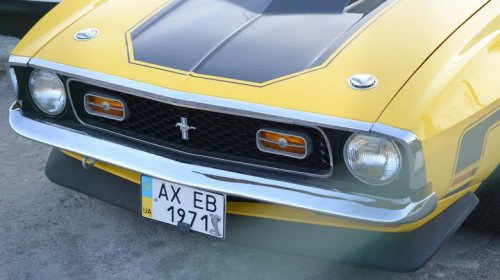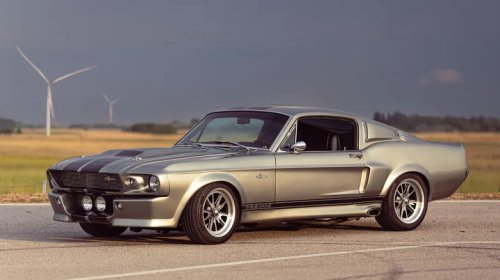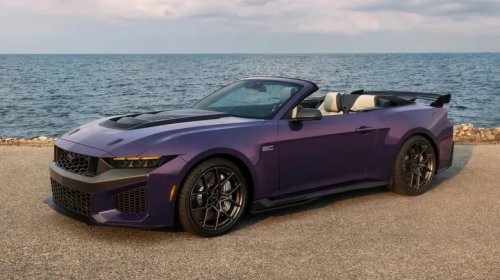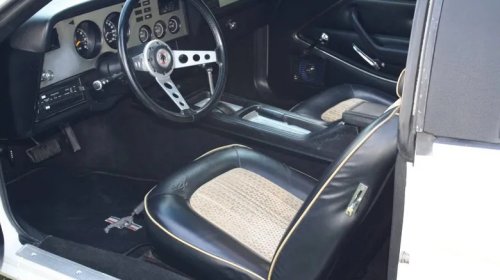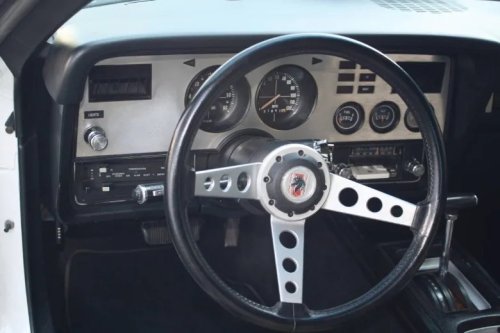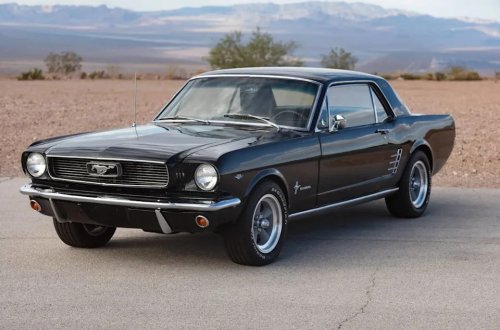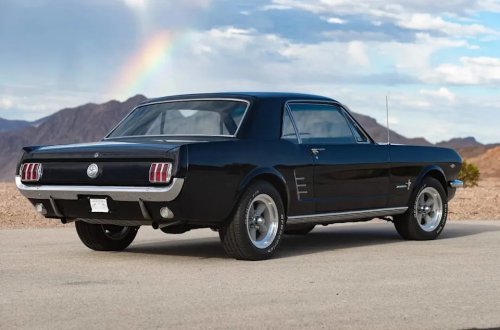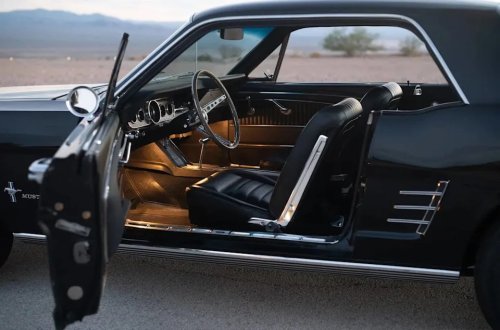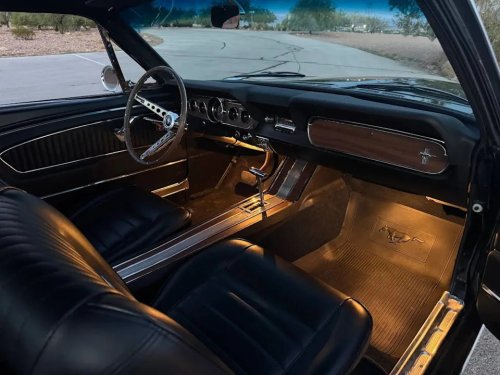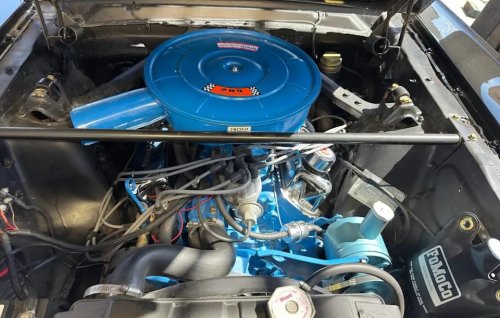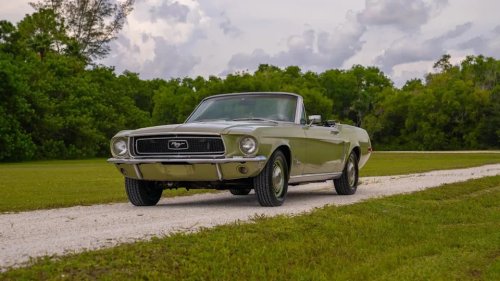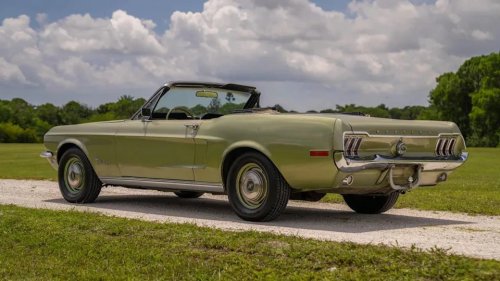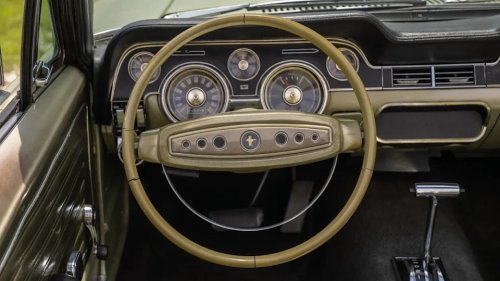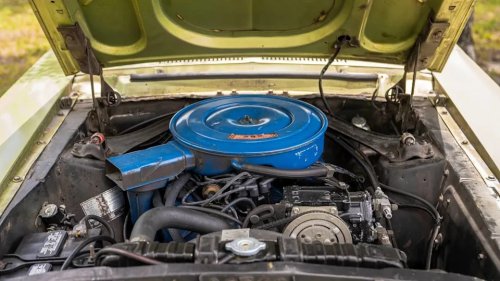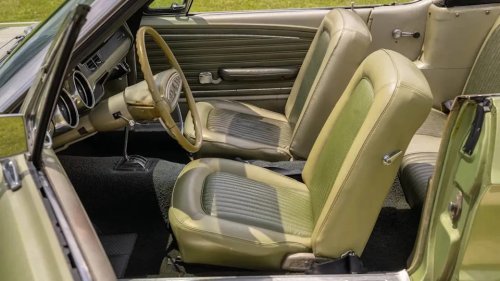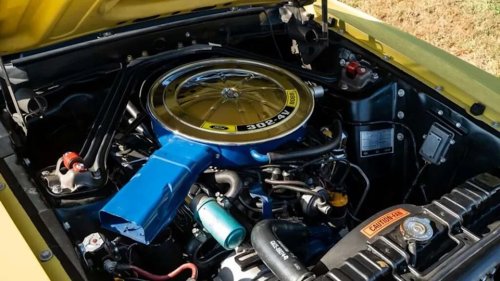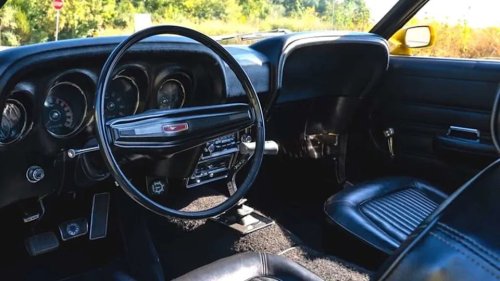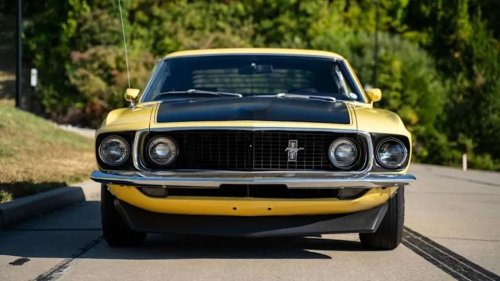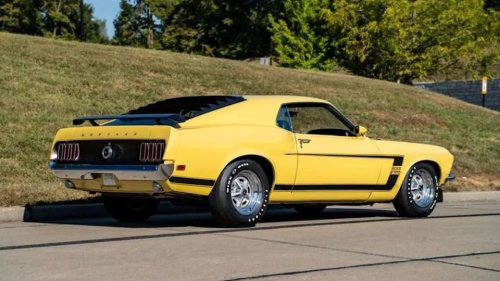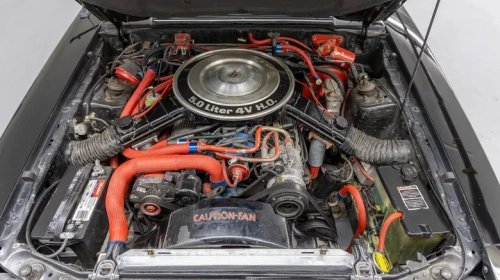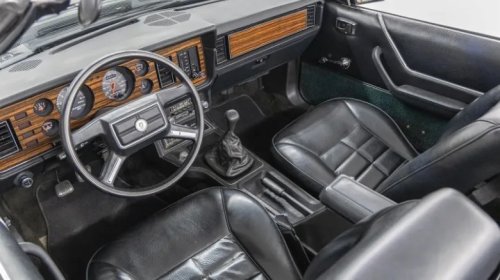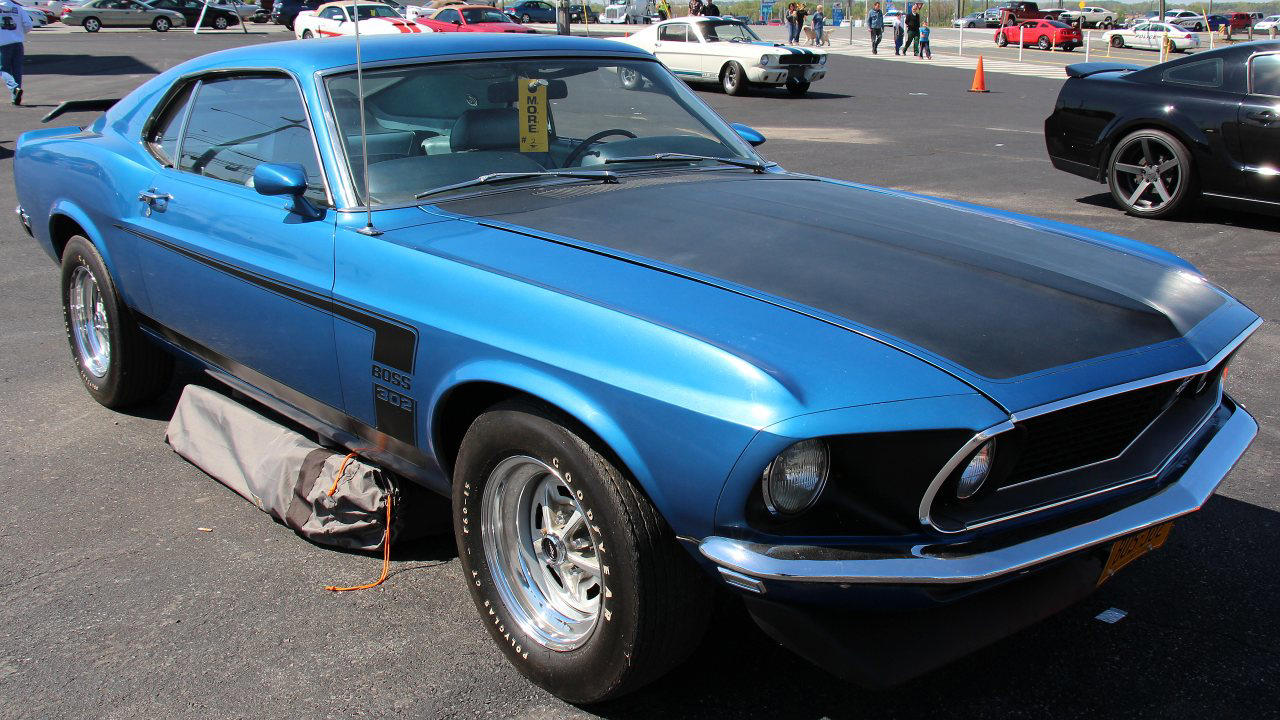



















The 1969 Ford Mustang Boss 302 created a driving experience that still stands out todayThe 1969 Ford Mustang Boss 302 is not just a car; it’s a legendary piece of automotive history that continues to evoke passion among enthusiasts. Its unique combination of performance, design, and innovation has created a driving experience that remains unparalleled today. The Birth of the Boss 302 The Ford Mustang debuted in 1964, quickly becoming a symbol of American muscle and freedom. By the late 1960s, the competition in the muscle car market was heating up, and Ford recognized the need for a vehicle that could dominate on the racetrack. Enter the Boss 302, introduced in 1969 as a performance-oriented variant of the Mustang. This car was not only designed for the street but also aimed at competing in the SCCA Trans-Am racing series, where lightweight, nimble cars had a distinct advantage. Key figures played a crucial role in the Boss 302’s development. Carroll Shelby, known for his work with the Cobra and Mustang variants, contributed valuable insights into performance tuning. Larry Shinoda, the chief designer, was instrumental in crafting the iconic look of the Boss 302, ensuring it stood out from its competitors. The vision was clear: create a Mustang that embodied speed, style, and track-ready performance. Engineering Marvels At the heart of the Boss 302 was its powerful engine. The 302 cubic-inch V8 produced an impressive 290 horsepower and 290 lb-ft of torque, offering exhilarating acceleration and a thrilling exhaust note. The engine featured a unique high-revving design, allowing it to reach its peak performance at a higher RPM than many of its rivals. This was complemented by a lightweight construction, which included a fiberglass hood and other weight-saving measures, making it one of the more agile muscle cars of its time. When compared to other muscle cars from the era, such as the Chevrolet Camaro and Pontiac GTO, the Boss 302’s handling and performance stood out. While many competitors relied heavily on raw power, the Boss 302 offered a balanced driving experience with superior cornering abilities. The addition of heavy-duty suspension components and a limited-slip differential enhanced its performance on both the street and the racetrack. Design and Aesthetics The design of the Boss 302 is one of its most celebrated aspects. It features a distinctive front grille, bold side stripes, and an aggressive stance that commands attention. The car was available in several eye-catching color options, including the iconic Grabber Orange and Bright Blue, which were complemented by graphic packages that highlighted its sporty nature. These design elements not only improved its aesthetics but also contributed to its aerodynamic profile. The significance of the “BOSS” badge cannot be understated. It represented power and performance, distinguishing the Boss 302 from its more sedate Mustang siblings. The design team wanted the car to embody a sense of excitement and speed, successfully creating a visual identity that resonated with both enthusiasts and casual observers alike. This strong branding helped solidify the Boss 302’s place in automotive history. The Driving Experience Driving the Boss 302 is an experience unlike any other. The car’s handling and responsiveness are often cited by enthusiasts as some of its most appealing traits. Thanks to thoughtful suspension tuning and a well-balanced weight distribution, the Boss 302 feels agile and connected to the road. Whether navigating tight corners or cruising on the highway, the car delivers a driving experience that excites and engages. Many owners have shared personal anecdotes about their time behind the wheel. One enthusiast recalls the adrenaline rush of taking their Boss 302 to a local track day, feeling the rush of acceleration as they pushed the car to its limits. Others mention the thrill of driving through winding roads, where the car’s handling capabilities truly shine. These stories highlight the emotional connection that drivers have with the Boss 302, further enhancing its legendary status. Racing Heritage The Boss 302 wasn’t just a street car; it was a formidable contender in the world of racing. It made its mark in the SCCA Trans-Am series, where it competed against other iconic vehicles like the Chevrolet Camaro and Dodge Challenger. Notable drivers such as Parnelli Jones and the Bud Moore team campaigned the Boss 302, achieving significant success on the track. Their victories solidified the Boss 302’s reputation as a serious performance machine. Racing success played a vital role in the Boss 302’s legacy. It not only showcased the car’s capabilities but also contributed to its desirability among collectors and enthusiasts. The connection between the Boss 302 and its racing pedigree is a testament to Ford’s commitment to performance and engineering excellence, further enhancing its allure in the automotive community. Cultural Impact The Boss 302 has left an indelible mark on popular culture, appearing in various films and media that celebrate the spirit of American muscle cars. From classic movies to contemporary television shows, the Boss 302 has become a symbol of freedom and rebellion. Its iconic status is often invoked in discussions about classic cars, cementing its place in automotive history. Owners and collectors frequently regard the Boss 302 as more than just a car; it’s a representation of a lifestyle and a love for driving. Many testimonials highlight how the car embodies a sense of adventure and individuality, making it a cherished possession for those fortunate enough to own one. The ongoing influence of the Boss 302 can also be seen in modern automotive design, where elements of its styling and performance ethos continue to inspire new generations of vehicles. Collectibility and Value The market for vintage Mustangs, and specifically the Boss 302, has seen a significant rise in desirability among collectors. Factors that determine the value of these classic cars include their condition, originality, and documentation of ownership history. Well-preserved models with low mileage can command impressive prices at auctions, often attracting bids from passionate enthusiasts eager to add a piece of automotive history to their collections. When comparing the Boss 302 to other classic muscle cars, such as the Chevrolet Corvette and Pontiac GTO, it continues to hold its own in terms of investment potential. The combination of performance, design, and racing heritage makes the Boss 302 a sought-after vehicle, appealing to collectors who appreciate not just its beauty but also its storied past. As the market for classic cars evolves, the Boss 302 remains a standout investment opportunity for those looking to enter the world of vintage automobiles. Modern-Day Comparisons In an era of advanced technology and performance enhancements, it’s fascinating to compare the driving experience of the Boss 302 with modern performance cars. Many contemporary vehicles, such as the Ford Mustang GT350 or GT500, offer impressive power and handling capabilities, but do they capture the raw driving emotion of the original Boss 302? While modern cars boast superior technology, including advanced suspension systems and electronic aids, they often lack the visceral connection that defines the classic muscle car experience. The resurgence of retro styling in today’s automotive market also evokes the spirit of the Boss 302. Manufacturers are incorporating design elements reminiscent of classic muscle cars, appealing to enthusiasts who appreciate both modern performance and nostalgic aesthetics. However, there remains a debate about whether these modern vehicles can truly replicate the essence of the original Boss 302, which was built with a focus on driver engagement and pure performance. Legacy and Community The community surrounding the Boss 302 is a testament to its lasting impact. Enthusiasts and clubs dedicated to preserving the history and spirit of the Boss 302 play a crucial role in keeping its legacy alive. Events and gatherings often celebrate this iconic vehicle, bringing together like-minded individuals who share a passion for classic Mustangs and their stories. These gatherings not only foster camaraderie among enthusiasts but also promote awareness of the Boss 302’s significance in automotive history. Preserving the stories and experiences of Boss 302 owners is essential for future generations. The rich history behind this legendary car continues to inspire new enthusiasts, ensuring that the Boss 302 will be remembered not only as a remarkable piece of machinery but also as a symbol of American automotive culture. As the community grows, so too does the appreciation for the Boss 302, solidifying its place in the hearts of car lovers everywhere. More from Fast Lane OnlyUnboxing the WWII Jeep in a Crate15 rare Chevys collectors are quietly buying10 underrated V8s still worth hunting downPolice notice this before you even roll window down The post The 1969 Ford Mustang Boss 302 created a driving experience that still stands out today appeared first on FAST LANE ONLY.