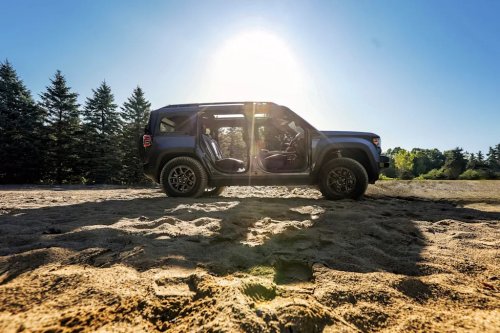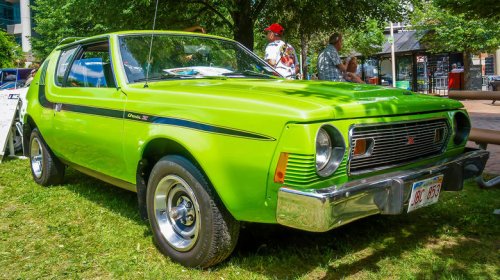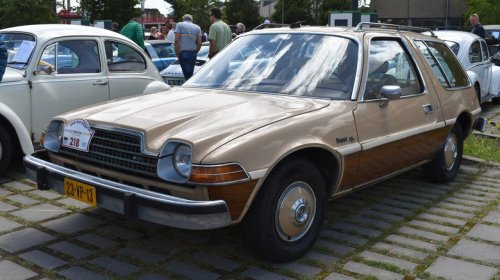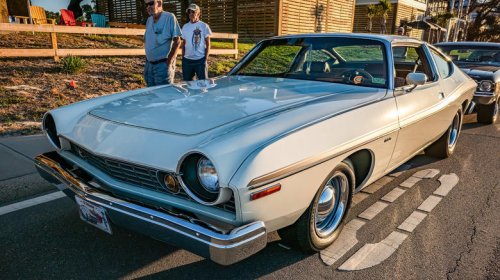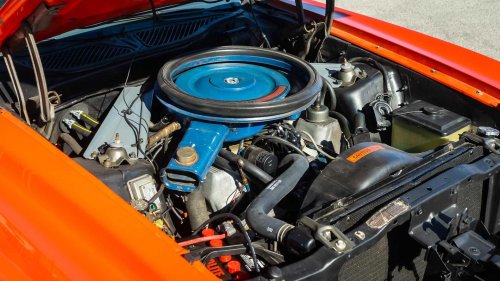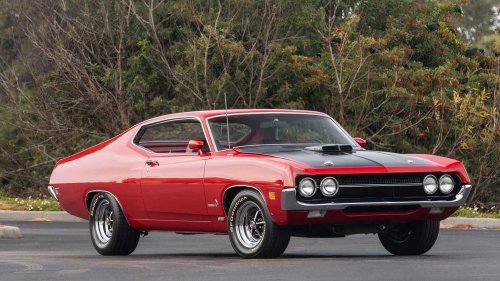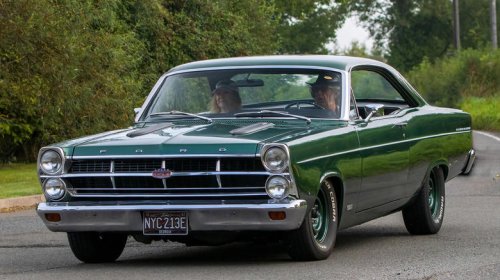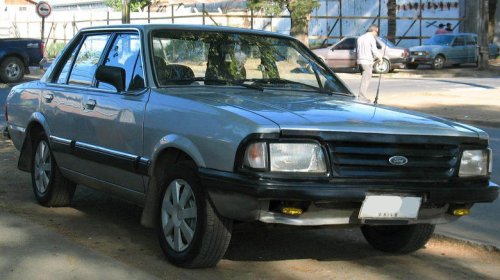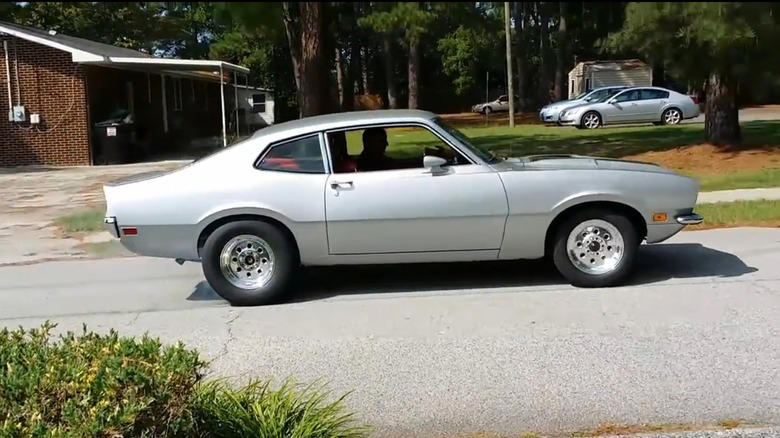
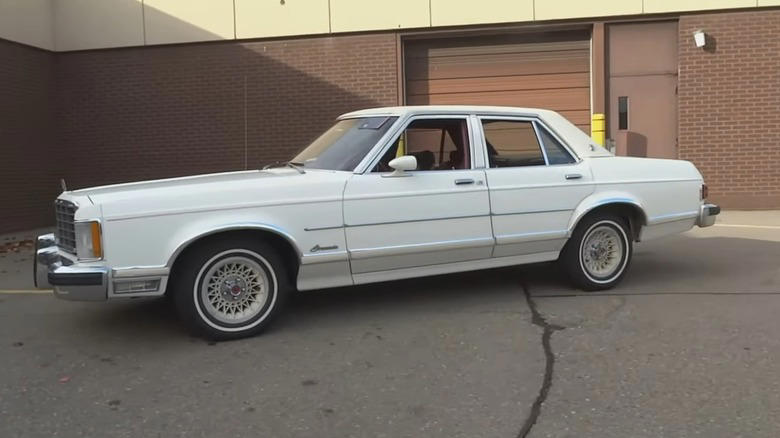
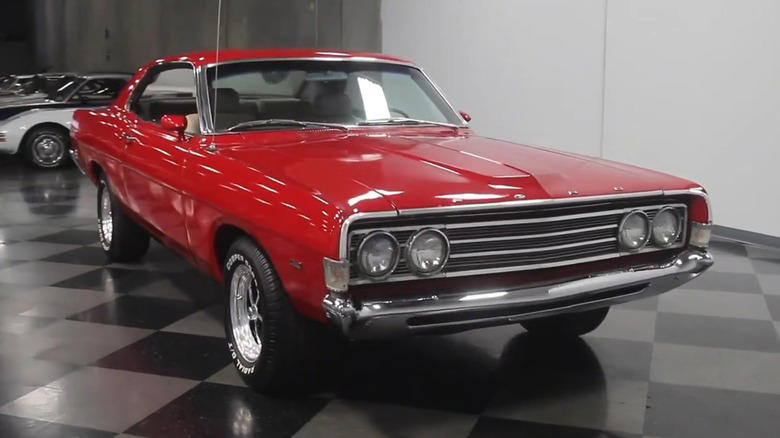



















Ford Maverick (1971-1977)The Ford Maverick is often overshadowed by its beefy siblings, like the Mustang and Torino GT. However, with the introduction of the small block 302 to the Maverick in 1971, the compact car grew into its muscular looks and cemented a position for itself in the annals of automotive history.Originally intended to compete with imports like Volkswagen, Toyota, and Datsun, the Ford Maverick began its life as a compact two- or four-door sedan. It featured a muscle car body and even outsold Ford's iconic Mustang in its first year of production. From 1971 onward, the Maverick was offered with the 302 V8. Between the middle of the 1970 production year and 1976, drivers could opt for the performance-oriented Grabber package, which featured a beefier look and several upgrades, like a spoiler, custom graphics, and larger tires. At its peak, the 302-powered Maverick was capable of producing around 210 horsepower. However, with the advent of emissions control devices in the following years, the Maverick, too, saw its power levels decrease. Regardless, it became a classic for the Blue Oval, thanks in large part to its muscular looks, and it even returned to the Ford lineup in 2022 in modernized truck form.Ford Granada (1975-1980)People don't often think of the Granada when picturing classic Ford vehicles. But the compact luxury car deserves recognition for its interior comfort, futuristic features, and, yes, its small block 302 engine option.Consumers could choose between the base model Granada or its more luxurious older sibling, the Granada Ghia. Both versions were available as two- or four-door sedans. The vehicle was designed to compete with the leading luxury cars of the day, specifically Mercedes, and it included many features inspired by the German brand. The Granada featured a large, square body, accented by a chrome bumper and grille. Its interior was ahead of its time. Drivers could choose between six different color schemes, while standard features included air conditioning, a digital clock, an AM/FM radio complete with four speakers, an electric moonroof, and more. The Granada was available with the small block 302 under the hood. However, by the mid-1970s, the 302 V8 had been all but stripped of its former glory. Despite its poor power output, the Granada was a popular car that remains a shining example of Ford's innovation of the time.Ford Fairlane (1968-1970)The Ford Fairlane was created in homage to the company's founder. Its name comes from the road in Michigan where Henry Ford lived with his wife, Fair Lane. But the car is notable for more than just its name. Produced between 1955 and 1970, the Ford Fairlane saw seven generations and several changes throughout its production. Starting with the sixth generation and remaining until the end of its production period, the small block 302 was available under the Fairlane's hood.With a muscular build and many new features, the sixth-gen Fairlane combined the best aspects of '60s muscle and full-size style. It was available as a convertible, hardtop, sedan, and two-door coupe. In terms of power, the Fairlane got into the 302 game just in time to make the most of the small block's potential. The 1969 302-powered Fairlane was capable of producing 210 horsepower and 295 lb-ft of torque, while the following year's model increased its power output to 220 horsepower and 310 lb-ft of torque. The 302 began decreasing in power after the 1970 model year. However, by that time, Ford had phased out the Fairlane, sparing it the steady decline in performance that its other 302 V8 vehicles faced.