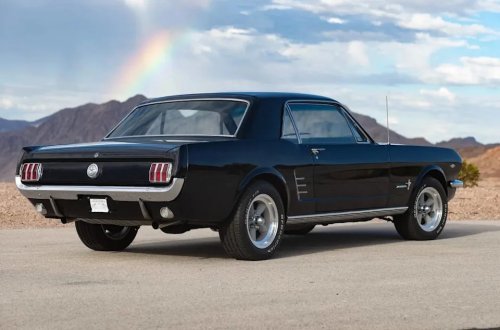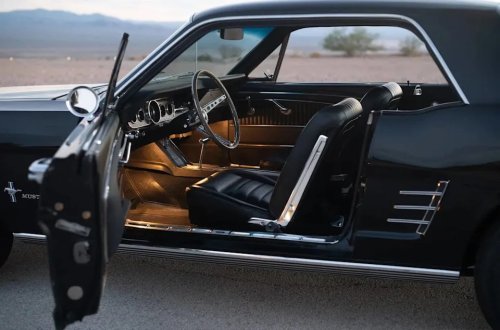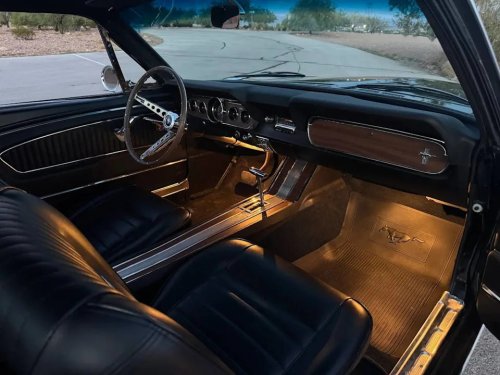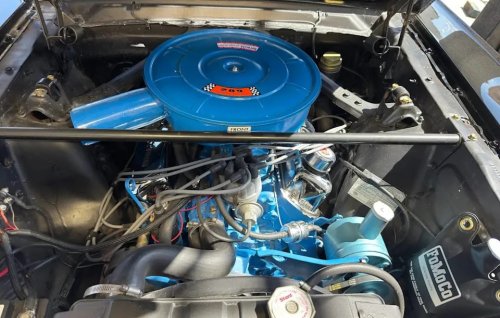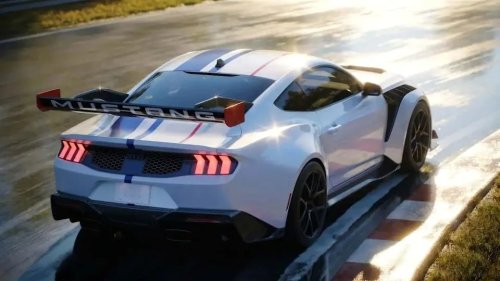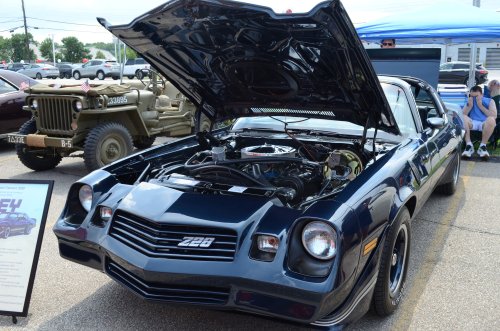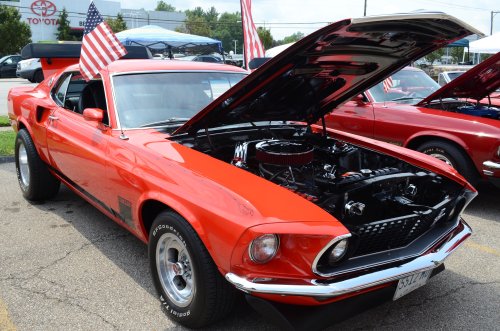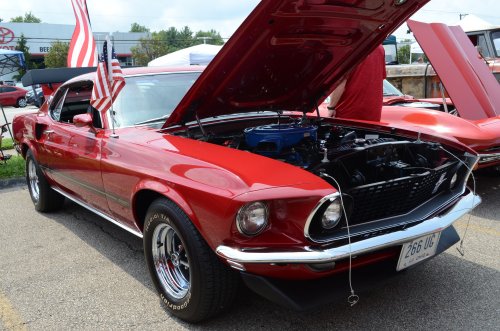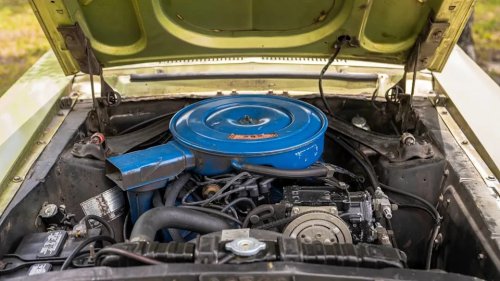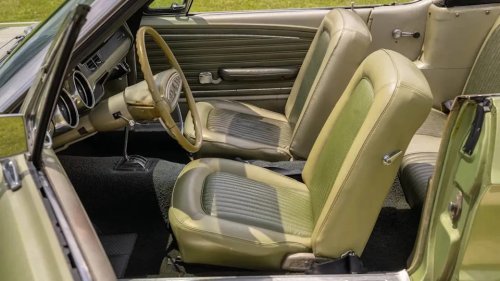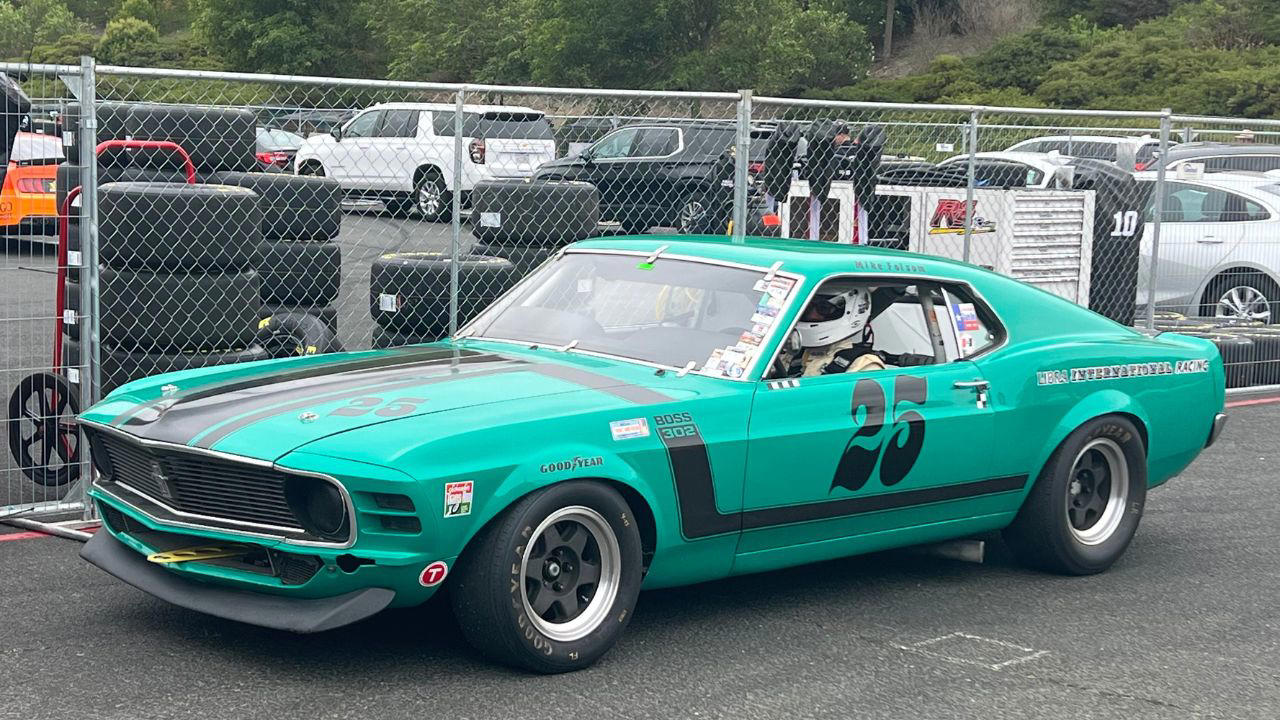



















Ford built the Boss 302 to win races and it did exactly thatThe Boss 302 Mustang was not a styling exercise or a marketing brainstorm. It was a weapon, conceived inside Ford with a single objective: to dominate Trans Am road racing and turn that success into showroom traffic. Built around a special 302 cubic inch V8 and a tightly focused chassis package, it met its brief so completely that its short production run still defines how a factory race car for the street should feel. That purpose-built edge explains why the Boss 302 remains one of the most studied Mustangs of all. From the way its engine was homologated to the championships it secured and the legends who drove it, the car’s story is a case study in how racing pressure can sharpen every decision in a performance program. Homologation pressure and the birth of the Boss Inside Ford, the project that became the Boss 302 started as a response to a rulebook. The Sports Car Club of America required manufacturers to sell road cars that matched their Trans Am machines closely enough for homologation. To compete for the title, Ford needed a Mustang with a 5.0-liter V8, which translated directly to 302 cubic inches, and the company needed to build it in meaningful numbers. The Mustang Boss 302 was created as part of Ford’s homologation efforts, which allowed Ford to certify the race hardware by selling it to regular customers. That meant the engine, suspension, and even bodywork had to be available on the production line, not just in the pits. Stylist Larry Shinoda gave the project its name and much of its attitude. According to descriptions of the Mustang Boss, Shinoda adapted bold side graphics inspired by the Ford Mk IV’s C-shaped racing stripes and combined them with a functional front spoiler and rear deck spoiler. He is also credited with attaching the slang term “Boss” to the car and pairing it with the 302 displacement to create the full Boss 302 identity. The engine that defined a class The heart of the program was the Ford Boss 302 engine, a small block V8 designed specifically for high rpm road racing. Engineers combined a 302 Windsor block with cylinder heads derived from the larger 351 Cleveland, a configuration that gave the compact block big breathing capacity and helped it pull hard at race speeds. A period description of the Ford Boss unit calls it a small block V8 built for one purpose, to win races, introduced in 1969, and based on that Windsor architecture. The engine’s name and its link to the car’s image were intertwined. The label “Boss” attached to the Mustang by Larry Shinoda was a popular 1960s slang for something excellent, and it migrated from the car to the engine in common usage. As the Boss engine entry notes, that nickname became more familiar than the formal designation. For the street, the Mustang Boss 302 used a high-performance 302 cubic inch (4.9 liter) V8 that delivered strong midrange torque and a willingness to rev. Descriptions of the Mustang Boss road car emphasize that the 4.9-liter H.O. V8 is the defining feature of the package. For Trans Am, the race teams took the same basic architecture and pushed it harder, but the core block and head combination remained shared with the cars sitting in Ford showrooms. Chassis, body, and the look of intent Under the skin, the Boss 302’s chassis was tuned with the same priority on lap time over comfort. Ford engineers stiffened springs, upgraded shock absorbers, and specified heavy-duty components that could survive the punishment of a road course. From the outset, as internal directives framed it, the goal was to make the best handling car in its class, not simply the most powerful. Visually, the car carried cues that were both dramatic and functional. A front spoiler reduced lift at speed, while a rear deck spoiler added stability. The graphics package, including the side stripes that referenced the Ford Mk IV, made the Boss 302 instantly recognizable. A period overview of Boss Mustangs highlights how the model also deleted side scoops that appeared on other fastback Mustangs, a subtle difference that enthusiasts still use to identify genuine cars. Within Ford, the Boss program was treated as a focused effort rather than a broad trim level. The car was sold in limited configurations, typically with a four-speed manual transmission and performance-oriented final drive ratios. Comfort options were available, but the core identity of the package remained that of a factory-built track car that happened to wear license plates. Trans Am: the championship that justified the project The real test of the Boss 302 came in the SCCA Trans Am series, where American pony cars fought for supremacy in front of packed grandstands. The Boss 302 was created to homologate the engine for this arena, which had a 5.0-liter displacement limit that matched the 302 cubic inch capacity. A detailed account of The Boss program notes that Bud Moore Engineering was responsible for Ford’s victory in the 1970 Trans Am season, underscoring how closely the factory and race shop worked together. In 1970, Parnelli Jones drove a Ford Mustang Boss 302 prepared by Bud Moore to the Trans Am Championship. A tribute from the series itself recalls how Parnelli Jones used the Bud Moore-prepared car to secure the title, with Team Penske among the rivals on the grid. The championship validated Ford’s investment in the homologation program and turned the Boss 302 into a hero car for fans who watched the series. Individual races reinforced that image. At Mid Ohio Trans Am events, the Boss 302 Mustang with a 4942 cc (302 CID) V8 appeared as a consistent front runner. A period race report describes a Mid-Ohio Trans-Am Mustang Boss 302 winner entered and owned by Bud Moore, with Parnelli Jones at the wheel, characterizing his drive as an uneventful cruise to victory. That kind of dominance on a technical circuit showed that the car’s handling and endurance matched its straight-line speed. Global reach: from America to Australian Touring Cars The Boss 302 story did not stop at American road courses. The same basic platform proved effective in other series, including Australian touring car racing. In that arena, Canadian-born driver Allan Moffat became closely associated with the car. A profile of Allan Moffat recounts how he drove the Boss with considerable success in Australian Touring Car competition, turning the car into a crowd favorite on the other side of the world. That international reach is echoed in the broader history of The Boss Mustang. The platform’s racing exploits included Allan Moffat driving a Boss 302 Mustang at Sandown in 1972, a vivid example of how the car remained competitive even as newer machinery arrived. The combination of a taut chassis and a high-revving 302 M V8 made it adaptable to different circuits and regulations. The Camaro rivalry and the Trans Am arms race None of this happened in a vacuum. The Boss 302 existed because Ford needed an answer to Chevrolet’s Z28 Camaro in the same Trans Am class. Contemporary commentary on the Camaro program notes that when someone saw a Z28 badge on the grille, they knew it was a car built for racing and homologated for Trans Am. Ford’s response had to be at least as serious. The resulting arms race pushed both manufacturers to sharpen their engineering. Ford’s focus on the 302 cubic inch limit and the use of the Windsor block with high flow heads mirrored Chevrolet’s approach of tailoring its small block V8 to the same constraints. The rivalry ensured that each upgrade on one side would provoke a response from the other, and fans benefited from a rapid pace of development in what were still recognizably production-based cars. That competition also shaped how the cars were marketed. Ford emphasized that the Mustang Boss 302 was not just a stripe package but a direct beneficiary of Trans Am development. Period advertising and later enthusiast histories stress that the car’s suspension geometry, engine tuning, and even aerodynamics were informed by what worked on the track against the Camaro. From race paddock to street legend The homologation rules that created the Boss 302 had an unintended side effect. They required Ford to sell a car that ordinary buyers could drive to work, even though it contained hardware aimed squarely at beating professional rivals. That tension between everyday usability and race-bred focus is part of what makes the car so compelling decades later. Modern owners often celebrate that dual personality. In enthusiast communities, builds of the 302 engine are shared in detail. One example describes a screaming unit assembled for a 1970 Boss by Randy Curtis and, with Robert Angel posting about it in an Engine Masters group connected to David Freiburger. The enthusiasm around that engine reflects how the original design still inspires builders who want a free-revving small block with period character. On the styling side, the car’s graphics and stance have aged into icons. A detailed retrospective from a Ford heritage group recalls how the Mustang, specifically the Ford Mustang Boss 302, drew on the Ford Mustang’s earlier success and then carved out its own legend. That account credits Bunkie Knudsen’s directive to make the car the best handling Mustang and Shinoda’s decision to borrow visual cues from the Ford Mk IV and Pontiac’s Judge, all wrapped into the Boss identity. Modern perspective on a focused machine Contemporary commentators continue to measure new performance Mustangs against the original Boss 302 template. A modern comparison that asks whether a later Boss is a worthy successor argues that a catchy name, great looks, and a fancy list of parts do not matter if the car is not genuinely effective. The writer concludes that, beyond being a great street car, the benchmark Boss had to be truly capable on track, setting a high bar for any revival that follows. That standard comes directly from the original car’s record. The Boss 302 was created to win races, and it did so in a way that left little room for excuses. It’s Trans Am Championship with Parnelli Jones, its success in Australian Touring Car racing with Allan Moffat, and its ongoing presence in vintage events all reinforce the idea that the package worked as intended. The legacy also lives on in the way enthusiasts talk about the engine itself. Period and modern descriptions of the 302 cubic inch small block emphasize its willingness to rev and its durability under race conditions. Builders who recreate or modify these engines today often aim to capture that same character, whether they are preparing a car for historic Trans Am grids or for spirited road use. More from Fast Lane Only Unboxing the WWII Jeep in a Crate 15 rare Chevys collectors are quietly buying 10 underrated V8s still worth hunting down Police notice this before you even roll window down