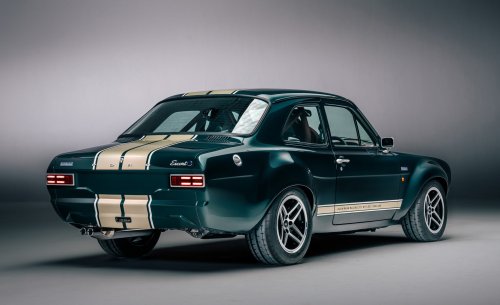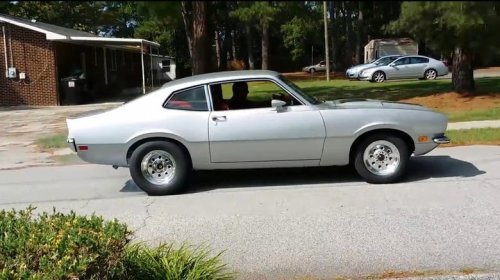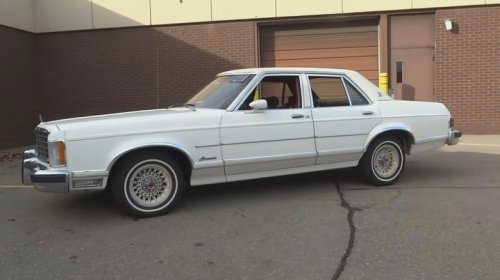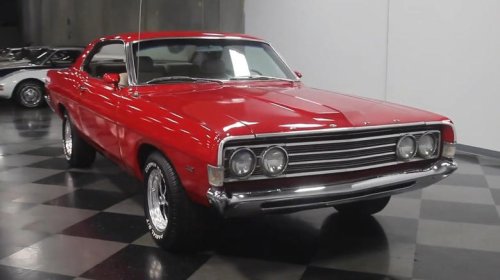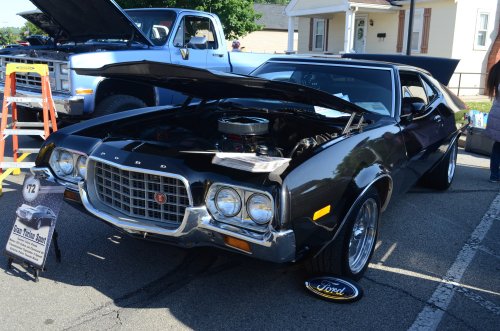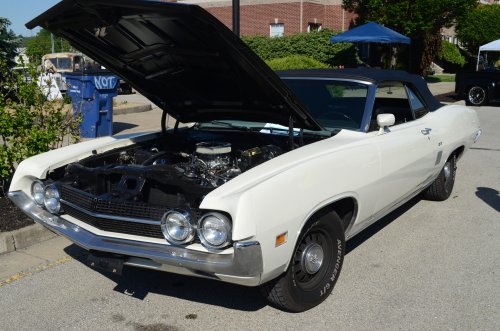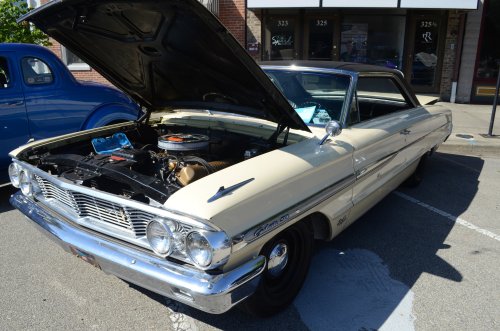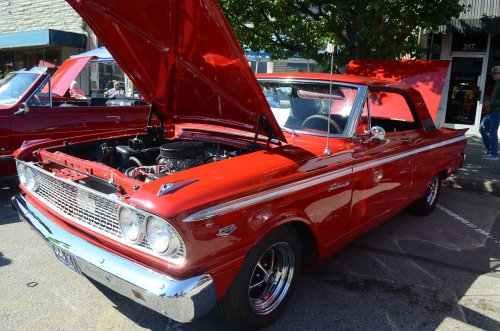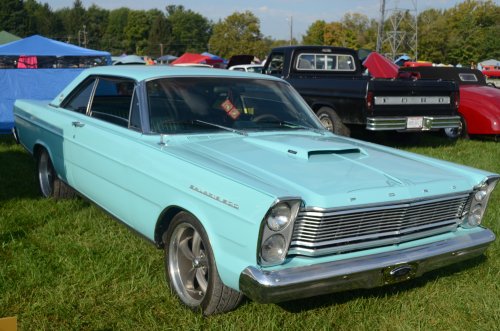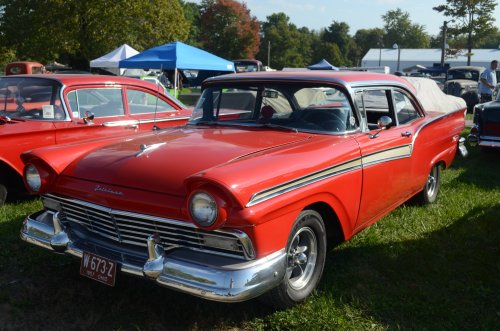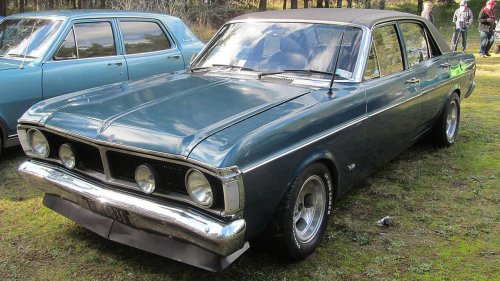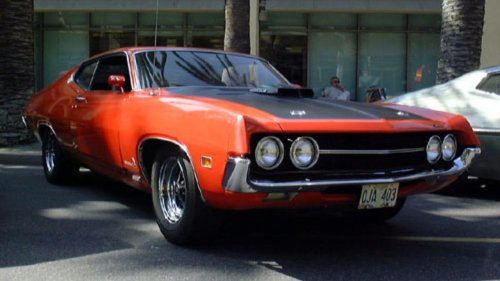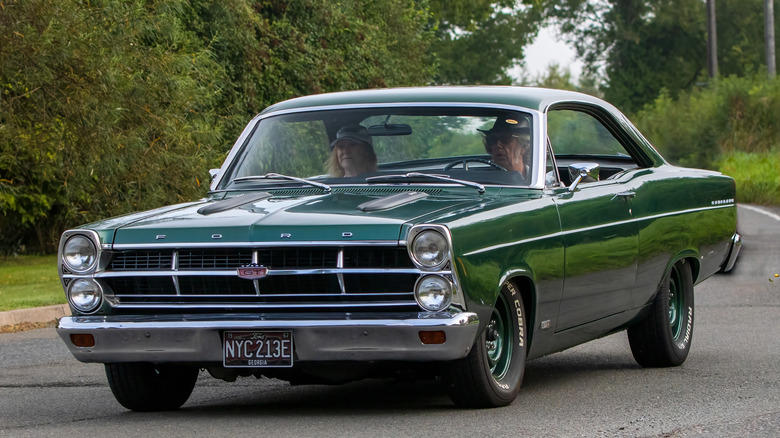
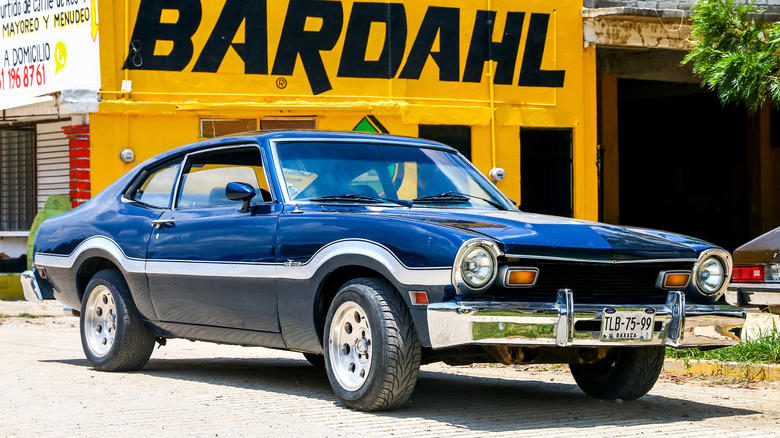



















Ford FairlaneIf you're considering fixing an old car, don't overlook the Ford Fairlane, especially from the 1960s to the 1970s. This car got its name from Henry Ford's big house, and over 15 years, it came in many shapes like convertibles, sedans, and wagons.The Ford Fairlane's engine options in the 60s can get super powerful, like the 390 Thunderbird Special V8 and later the 427 "side-oiler." Getting your hands on the limited-edition 1964 Thunderbolt is often a restorer's dream, especially considering the car's racing legacy. In any case, the spacious engine bay of later models offers ample room for modern upgrades, such as swapping the original engine for a more powerful V8.What's great about the Fairlane is it's not as expensive as other cars like the Mustang when you're buying one for a restoration project, but market value after restorations is another story. Sure, it depends on factors like model year, condition, and authenticity of restoration. Still, the increasing rarity of these vehicles in good condition also increases their appeal and value among collectors and restorers.The Fairlane is not as underrated as other cars on this list and has its benefits. Parts and ideas for restoring a Fairlane are plentiful, thanks to a dedicated community of enthusiasts and specialists in classic Ford components and performance upgrades. In making the Fairlane eco-friendly, you can update the engine and exhaust systems for better efficiency and lower emissions.Ford MaverickBack in the 1970s, when Ford introduced the Maverick amidst a fuel crisis and an American appetite for smaller, more economical vehicles, it had one job — to stand out in the wave of imported compact cars dominating the market.Only a handful of compact cars were raising eyebrows regarding the excitement factor then, and the Maverick became one of them. The Maverick's looks are one reason enthusiasts fancy this car for restorations — Ford designed it with an eye-catching two-door fastback style like that of the Mustang. With options for wood veneer interiors, vinyl roofs, and trims, including the sporty Grabber and the luxurious LDO, the Maverick could be as simple or flashy as you like.And in the same spirit that made it look like the Mustang, the Maverick was a compact car with the heart of a muscle car, especially in its Grabber variant. The base models started with average inline-six engines, but by 1973, Ford had answered the call for more power by offering a 302 cu V8 engine. This move elevated the Maverick from a practical compact to a bona fide muscle car contender. This mix of practicality and performance made the Maverick especially great for those looking for American speed without the hefty price tag of a traditional muscle car.Another reason restoration enthusiasts find the Maverick a compelling project is its rarity and the increasing market value of well-maintained examples, which can reach the low to mid $20,000s.