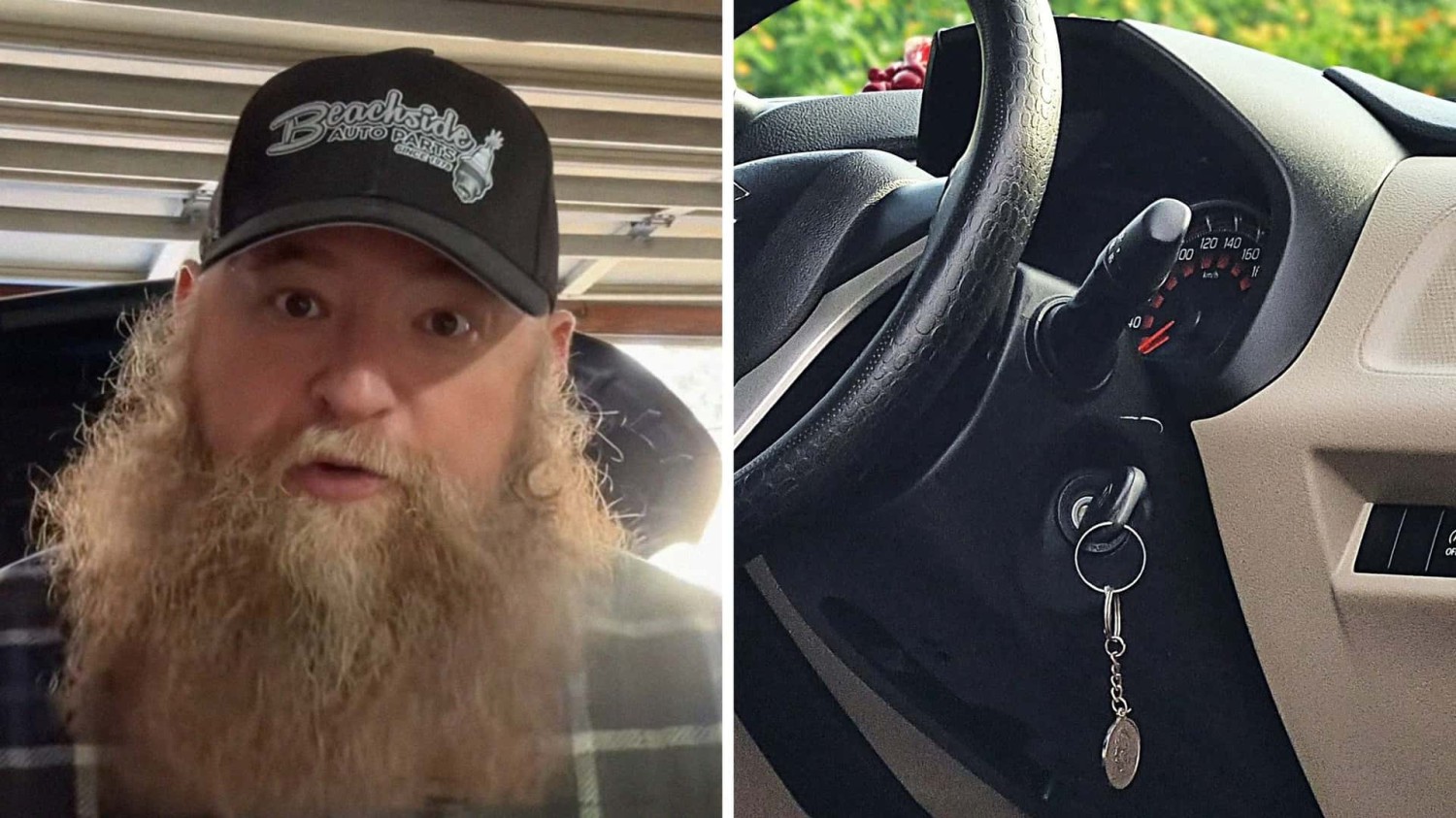



















This car expert reveals why it’s unnecessary to let modern cars idle in order to warm them up. In a TikTok, car expert Chris (@chrisfrombeachside) shares that this applies to any car that was built in the last 25 years and shares exactly why. The TikTok has generated over 43,000 views as of this writing. ‘The Car Idling Is For Your Comfort, Not The Engine’s’ Chris believes that most modern cars do not need to "warm up" anymore, as this routine is for the driver's comfort. The TikTok begins with Chris saying, "If your car is less than about 25 years old, just know this: When you let it idle to warm up, that is for your comfort, not the engine. That advice made sense in the 90s; it doesn’t now." He explains why this is unnecessary for modern cars. "Modern engines are fuel-injected, computer-controlled, and they protect themselves immediately on startup. They don’t need to wake up; they already know that it’s cold," he shares. "Idling heats up the engine unevenly. The combustion chamber warms up, but the oil stays cold and thick. Cold oil doesn’t protect as well. Idling just keeps the engine stuck in that high wear zone longer," he mentions. "While it’s sitting in your driveway, you’re not warming up the transmission or the differential at all. Those fluids don’t move until you drive," he shares. Chris then reveals you should drive gently, as this will bring the entire system up to operating temperature. "Here’s what actually works: Start the car. Let the idle drop—usually 15 to 30 seconds—then drive gently until warm," he says. "So if you are idling because it’s cold and you wanna be comfortable, I get it. Just understand you’re warming yourself—not the engine, and definitely not the drivetrain," he advises. In a statement to Motor1, Chris added, "I think that people believe they still need to warm up because in the past that was true with carbureted engines, they would stumble if not warmed up properly. But with today’s engineering and everything electronically controlled it’s just not the case anymore. Now there are sensors all over and real time fuel mapping that the ecu can adjust instantly." He explained that when a modern car is idling, "Engines [take] longer to warm compared to light driving. Fuel mixtures run rich during cold idling which can wash down cylinder walls. This can lead to increased fuel dilution in the oil which decreases its performance. The catalytic converter takes longer to reach optimal temperature." Rather than letting your car idle, he recommended starting the car, letting oil pressure stabilize (which should take 10–30 seconds), and then driving gently. "No heavy throttle, no high RPM, until coolant and oil reach operating temperature," he said. This warms up modern engines faster and more evenly than idling. Regarding winter weather, he added, "When talking about extreme cold temps, a little while longer may be necessary to defrost windows for [safety] and [visibility]. Otherwise mechanically, long extended idling is unnecessary in modern vehicles." Not Everyone Is Buying Into The Advice While some viewers were thankful for the tip, not everyone was buying it. "I’ve been warming up my vehicles for almost 40 years and have never had engine issues over it. (I drive it when the temperature gauge comes off its rest point. )," one TikTok commenter shared. "My old diesel disagrees with this information," a second replied. "It's not true," another said. "It all depends on the ambient temperature. There is such a thing as thermal gaps in the engine, and until they return to normal, any load on the engine reduces its resource. In my opinion, everything should be balanced. Without fanaticism, but warming up the engine for 3-4 minutes at low temperatures is a good-looking rule." Additional viewers reminded the TikToker that cold weather conditions play into this. "You should come up to Canada. It takes 10 minutes, just to get the frost off your windows . This idle fear stuff is getting out of control. they came with remote starts. I’m using them," one shared. "I only remote start it for 5 mins in the winter," another added. Does The ‘Drive Gently’ Advice Check Out? According to J.D. Power, letting the car briefly idle right after startup, then proceeding to gentle driving, is the way to go. This gets the engine fully up to operating temperature and is the healthiest approach. When drivers take this approach, the oil and coolant get to the right temperature. This will lead to proper circulation around the engine with no issues. This avoids adding extra stress to the engine beyond normal wear. Idling the car for long periods causes unnecessary wear and tear on the engine. When the vehicle sits idle, more heat is generated, as oil and coolant flow less. This activates and engages cooling fans and the electric water pumps, taking a toll on the vehicle's catalytic converter. The U.S. Department of Energy also agrees that modern cars don’t need to idle. In recent years, more government rules against idling have been enacted. "Idling reduces your vehicle’s fuel economy, costs you money, and creates pollution. Idling for more than 10 seconds uses more fuel and produces more emissions that contribute to smog and climate change than stopping and restarting your engine does," the U.S. Department of Energy states. With the advancements in automotive technology, it’s never been easier to avoid idling. The report shares how driving will get the engine to proper operating temperature faster than idling. This is because the catalytic converter operates more quickly when driven compared to when sitting idle. The catalytic converter also helps reduce emissions. "Most manufacturers recommend avoiding idling and driving off gently after running the vehicle for about 30 seconds," the U.S. Department of Energy shares. This applies even on winter days. For the people saying they do this to warm up the interior, the interior actually warms up faster when your car is being driven than when it’s idle. With all things considered, the driving gently tip does check out. While there are anecdotal stories countering this take, it’s best to follow what the experts say. We want your opinion! What would you like to see on Motor1.com? Take our 3 minute survey. - The Motor1.com Team