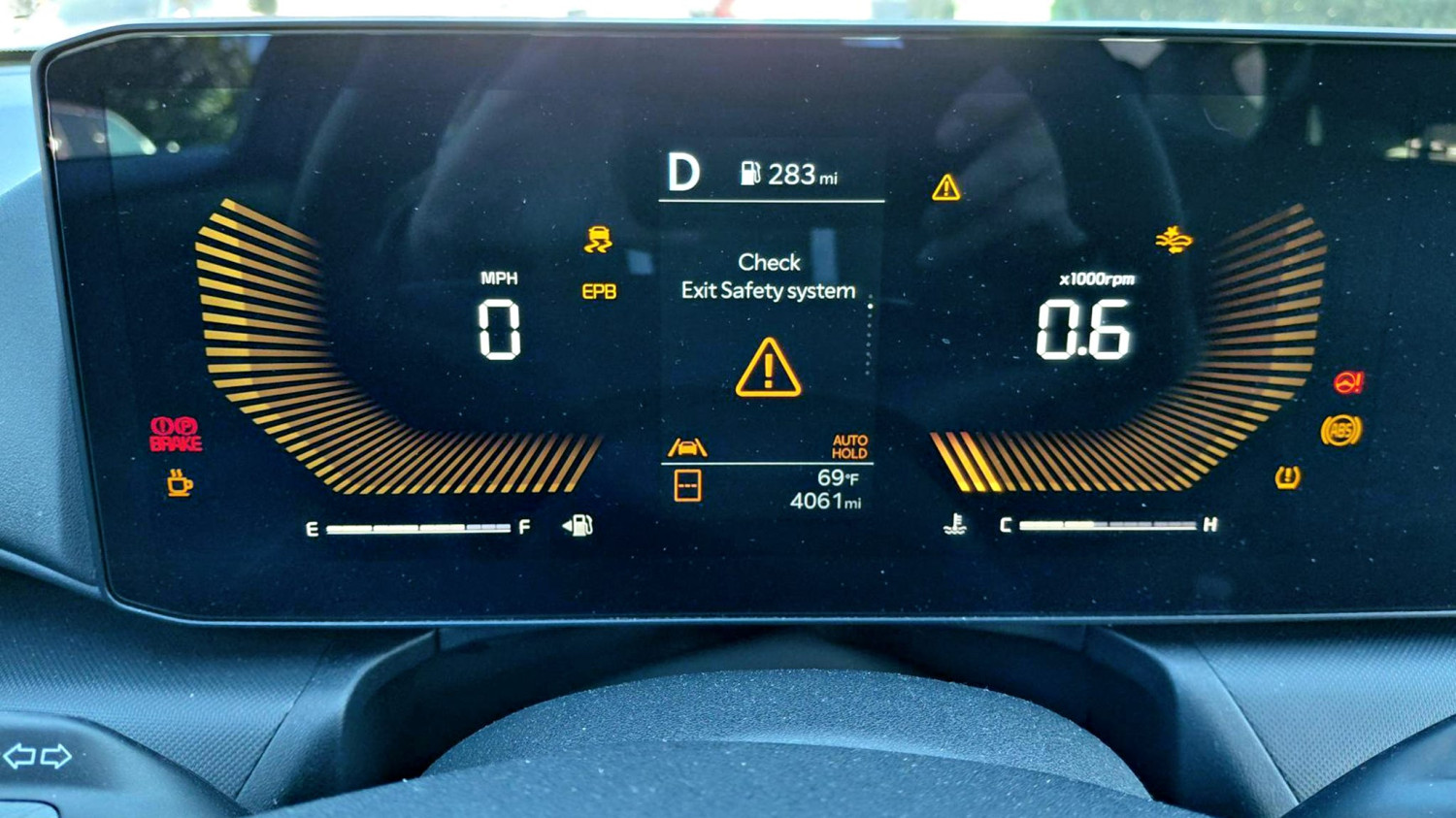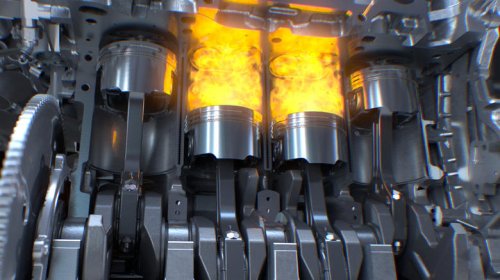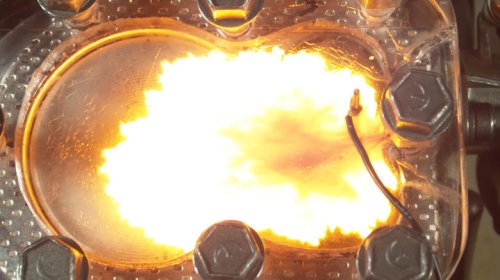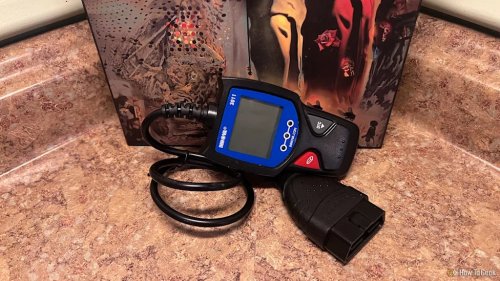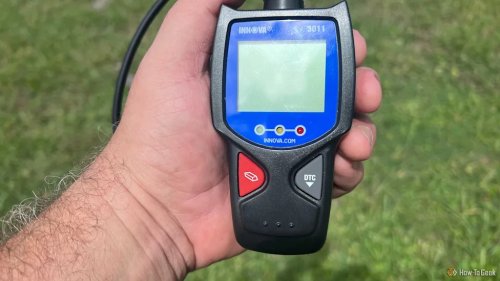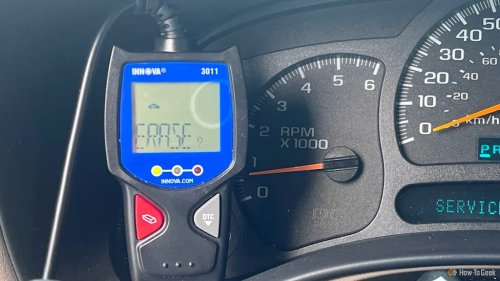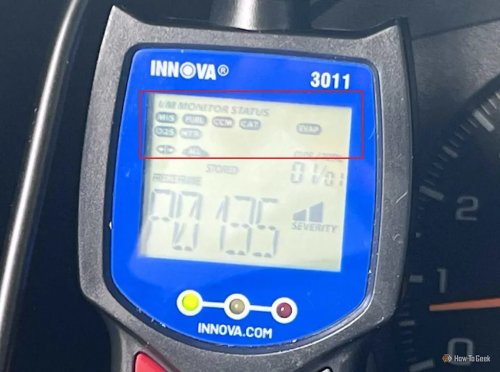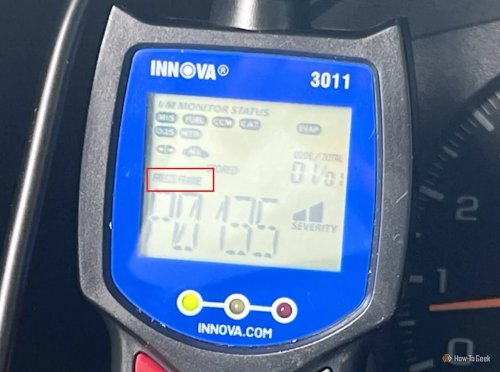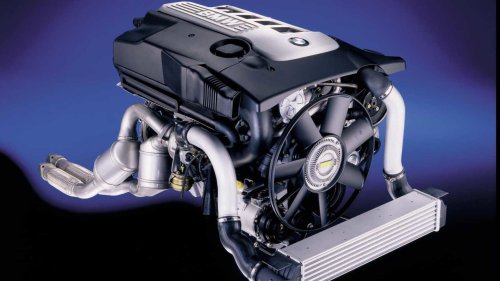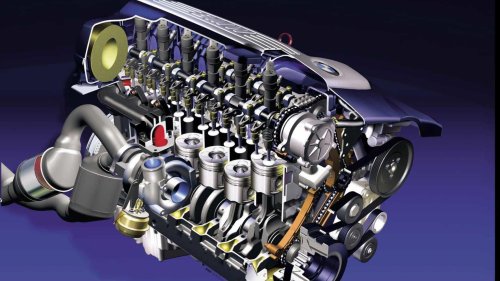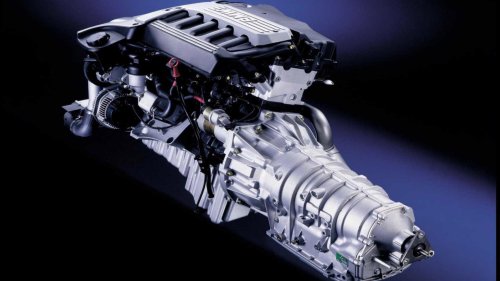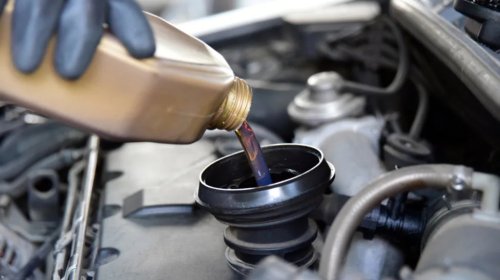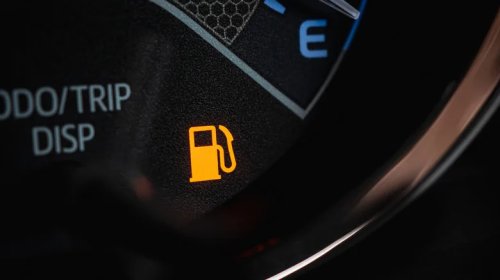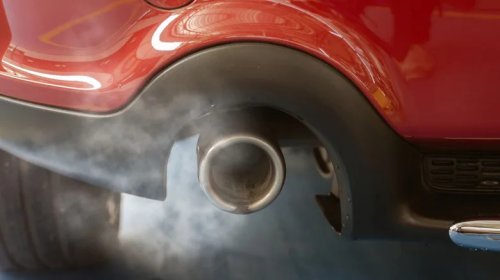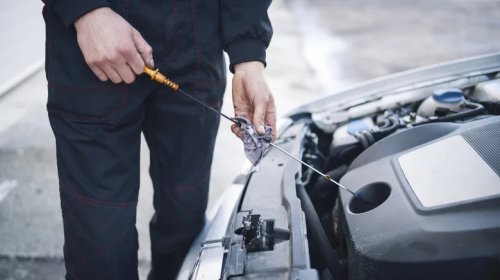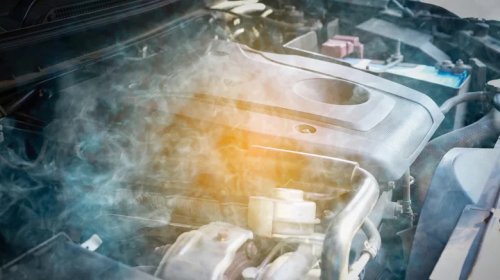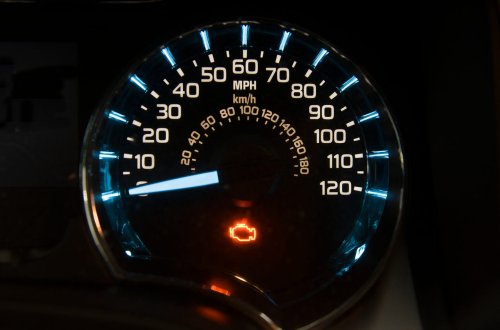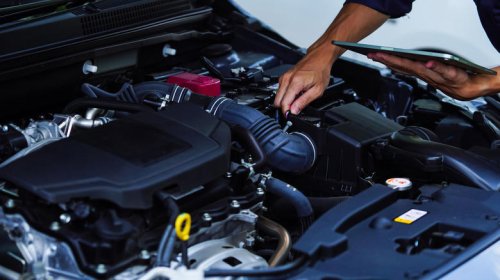
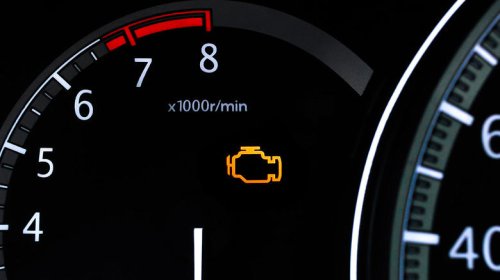


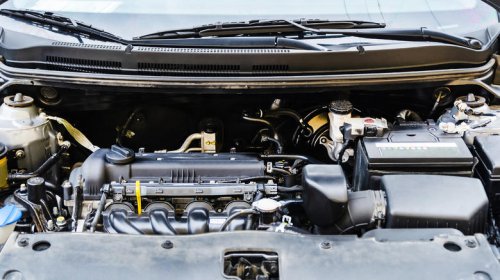



















Auto mechanic hands holding a tablet while inspecting an engineAs long as you keep on top of your car's routine needs, you can always expect a modern car engine to comfortably last well over 200,000 miles without issues. But even though there are a handful of super reliable engines that exceed 300,000 miles, we've seen others give up much sooner. This is primarily because of things like poor driving habits, using the cheapest fuel to save a few bucks, or something as simple as skipping an oil change.And since the engine is the heart of all diesel and gasoline-powered engines, if it starts acting up or fails, you'll definitely be worried. After all, in the event your car's engine malfunctions, your car may struggle to accelerate, produce weird noises, or shut off unexpectedly. In the worst-case scenario, your engine might finally give out, leading to a very expensive fix.The good news is that before your engine completely fails, it will start to exhibit unusual, concerning behaviours that you'll easily notice if you keep your nose, ears, and eyes open. Think of strange smells, grinding sounds, warning lights, and so much more. And if you consider the fact that a small engine problem can quickly escalate to a costly issue if you wait for too long, you'll want to get yourself to a mechanic as soon as you spot these warning signs of a failing engine. 1. Check engine lightCloseup of a car dashboard with an illuminated check engine lightYou've probably experienced it at one time or another: you start your car, and instead of the illuminated symbols that appear on your dashboard disappearing, one or more remain lit. It can be quite frustrating, as it typically means something is in the danger zone, and you need to fix the issue either on your own or by taking it to a pro. A check engine light, in particular, is something that you should always pay special attention to.But the truth is that it's one of the most ignored and neglected dashboard warning lights. Why? A check engine light is relatively imprecise; it could indicate many different mechanical and electrical flaws under the hood. Some of the issues an illuminated check engine light could indicate include faulty spark plugs, a broken or loose gas cap, damaged sensors, and a busted catalytic converter.Given all of this, if you want to quickly determine what's setting off your check engine light, you'll want to invest in and know how to use a code reader. Well, you don't always have to buy professional-tier scan tools, as cheap diagnostic tools like an OBDII scanner can generally work as well as pricey ones. If you don't have a scanner on hand, however, visiting your garage to run a diagnostic is the smarter move. This way, you'll catch problems early and solve them before they become bigger and more expensive to repair. 2. Unusual exhaust smokeCar Exhaust Pipe Emitting thick white SmokeIt goes without saying that a colorful exhaust smoke can mean a few different things, none of which is good. If the fumes are completely colorless, that's a good indicator that your car's engine is well-maintained. If the smoke is black, it could indicate your engine is not burning fuel properly or burning too much, and it could point to a clogged air filter, damaged fuel injectors, or sludge buildup in the engine.White smoke, on the other hand, is a clear sign that your engine is burning coolant or there's excess water (or water vapor) in the combustion chamber. In some cases, a little wisp of white smoke in chilly weather is no big deal, since it's just condensation burning off. If the white smoke persists even after the engine warms up, you'll want to visit your mechanic; that's a warning sign of a blown head gasket, a cracked engine block, or a damaged cylinder head.And if you see a puff of blue smoke, it means your engine is burning oil, likely due to damaged valve seals or worn-out piston rings. In fact, if this is followed by a burning oil smell, you'll want to pull over, wait for the engine to cool down, and check the oil level. Driving with low engine oil levels is one of the bad habits that can stealthily destroy your diesel engine. 3. Unusual smellsA driver holding his nose from a car bad smellIf you're a daily driver, you've probably experienced some fairly unsettling smells at some point or another. Perhaps your AC smells like vinegar, your cabin is filled with a gas aroma, or your car's heater emits a burning smell. Irrespective of the reason your car smells, you should never ignore the situation or mask the unpleasant odors with air fresheners. After all, a foul odor is one of your car's ways of alerting you to an issue, plus it's not quite healthy to breathe in some fumes.A burning smell, in particular, could indicate that your engine has some minor or major issues. A strong, acrid smell of burning oil may indicate worn gaskets and damaged bearings. This normally happens when oil slips out and drips onto your hot exhaust manifold, engine, or catalytic converter. If you smell burning rubber, that's probably the belts and pulleys under your hood throwing a superheated tantrum.And if your car smells like rotten eggs or plasticky, you will want to check your catalytic converter; it might be on its last legs or not functioning properly. It's worth noting that this scent is often linked with hydrogen sulfide, which, if inhaled in high concentrations and for an extended period, can be fatal. So, if you detect the smell of rotten eggs in your car, open the windows and call for backup. 4. Strange noises from the engine bayClose up of car parts under the hoodCars always make different kinds of noises, and once you've driven yours for long enough, you should be accustomed to its normal sounds. However, your car can sometimes make weird noises, signaling an issue that requires urgent attention. Unusual noises that emanate from your engine bay, in particular, are something that you should never ignore, as that's a sign that something is amiss with your engine.If you hear a high-pitched squealing or chirping noise, especially when you start your engine, for instance, chances are you have a bad serpentine belt. Sometimes, these sounds can also indicate issues with the accessory pulleys or belt tensioner, and when you hear them, you'll want to schedule a garage inspection. After all, ignoring them for long could probably lead to a costly repair bill.Given that the engine is home to several components like the power steering pump, radiator, alternator, battery, and others, if one of the components malfunctions or wears out, you'll probably start hearing whirring, grinding, tapping, chattering, or clunking noises. When this happens, it's wise that you visit a mechanic, as diagnosing these sounds isn't always a walk in the park. Want the latest in tech and auto trends? Subscribe to our free newsletter for the latest headlines, expert guides, and how-to tips, one email at a time. You can also add us as a preferred search source on Google.