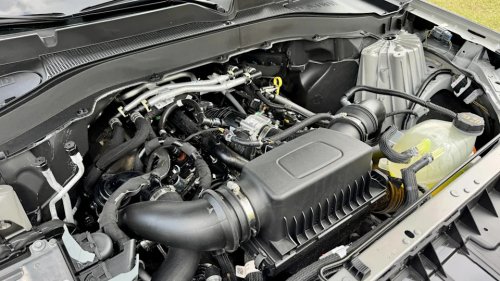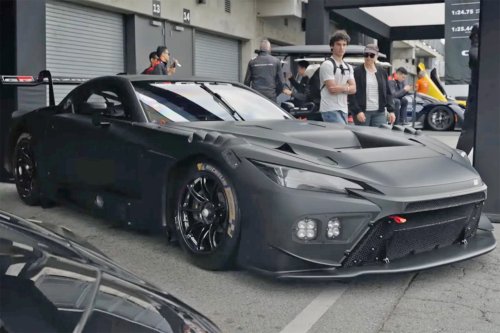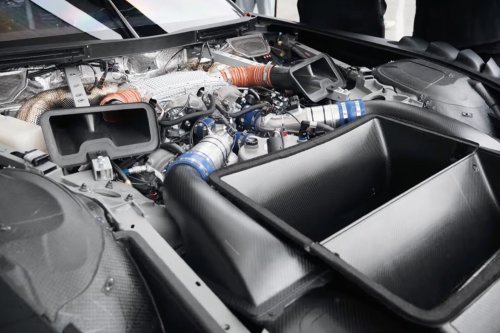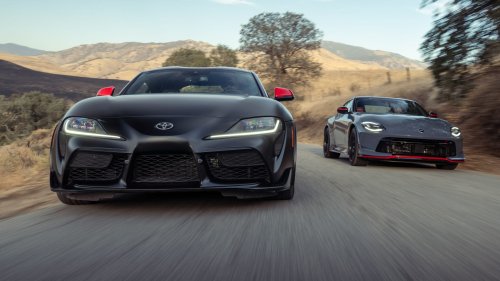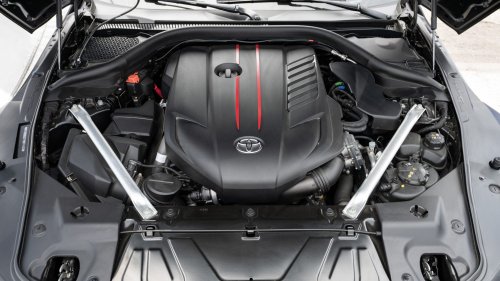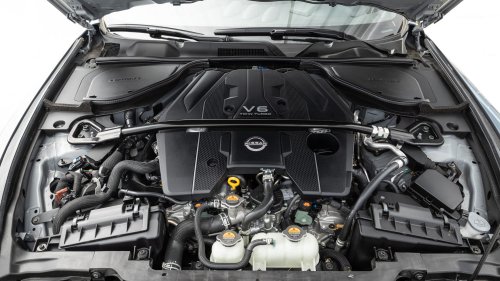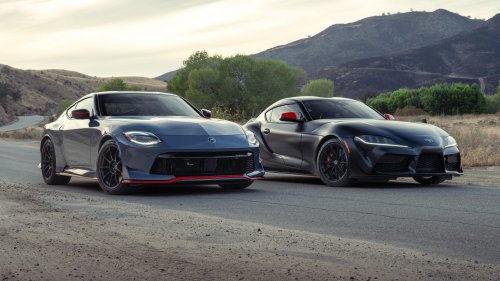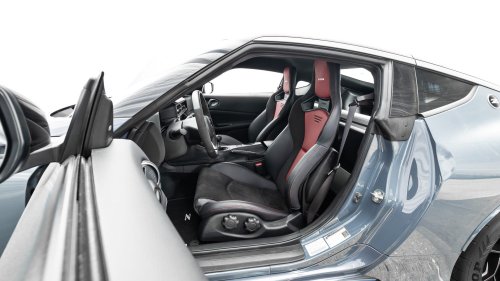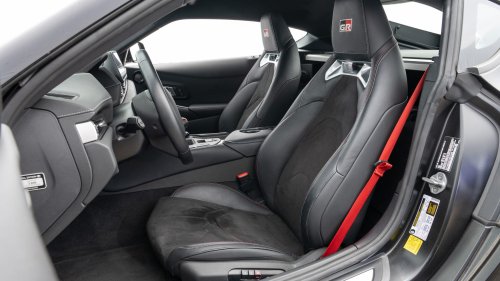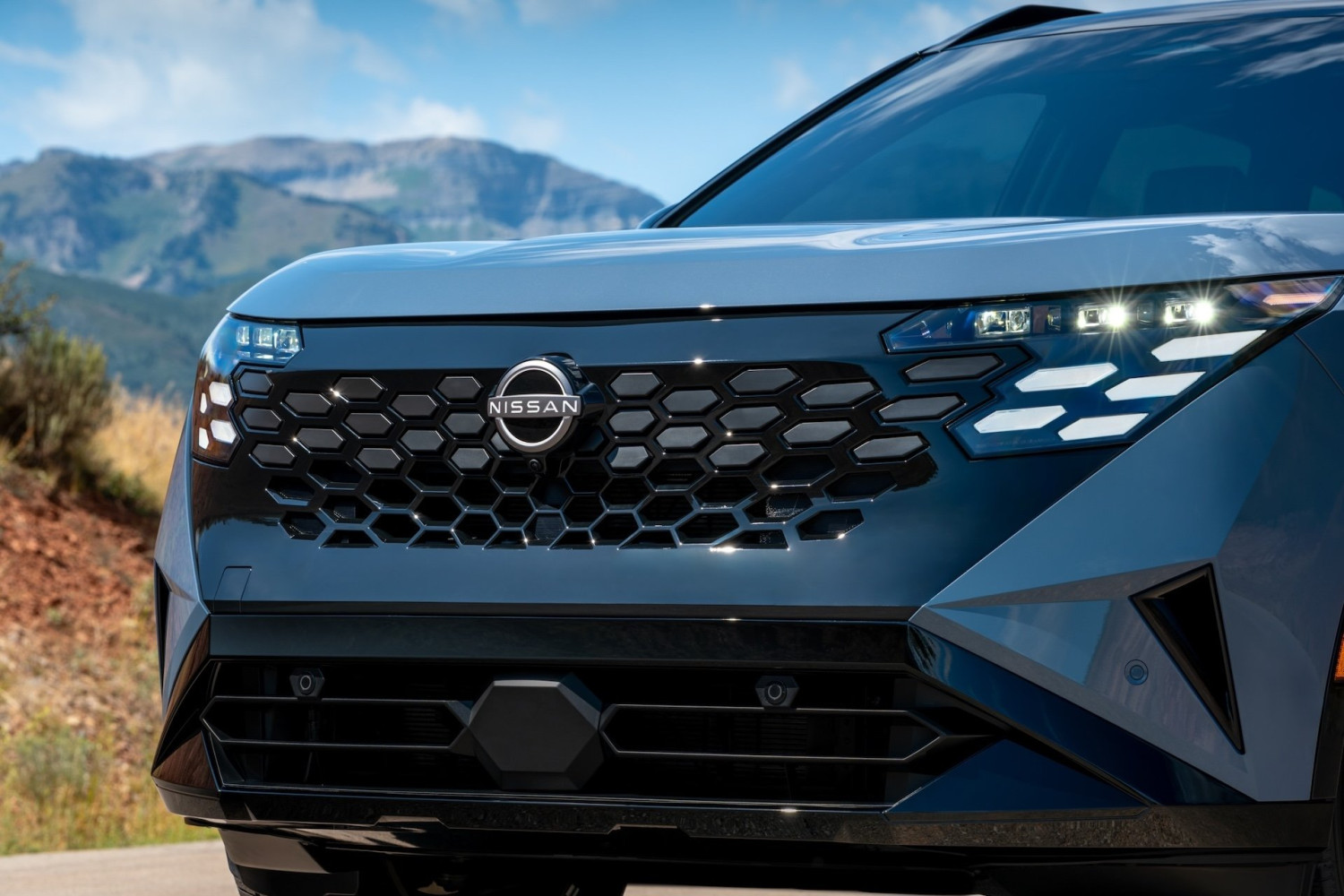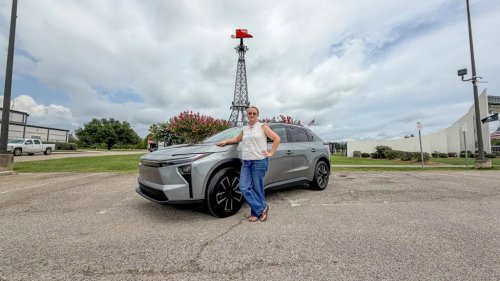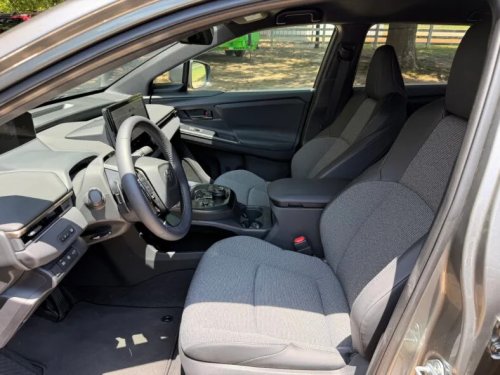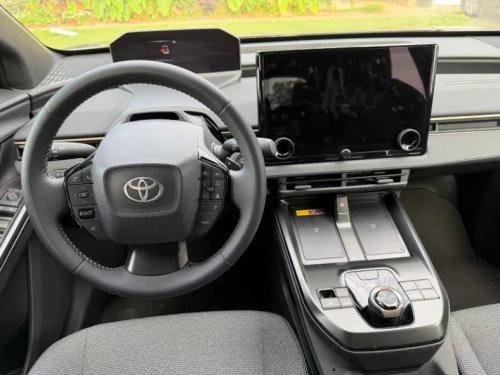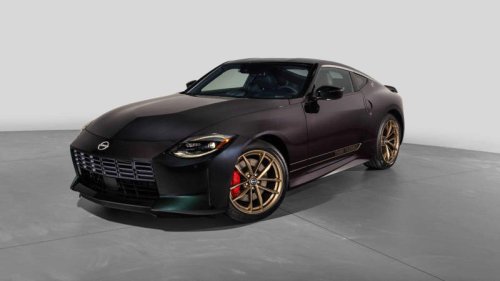
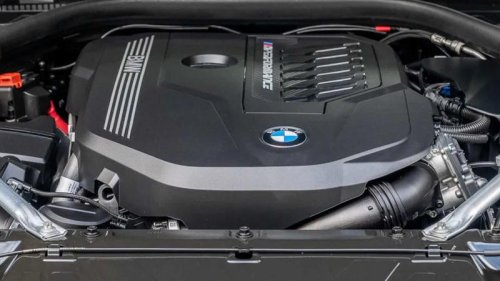
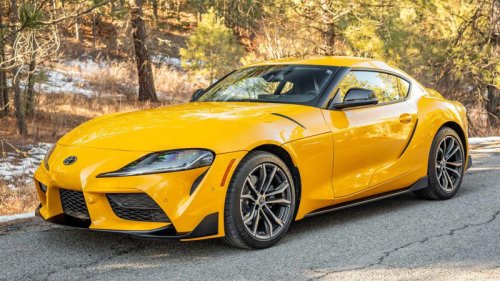
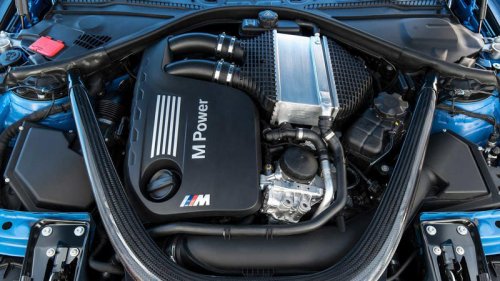
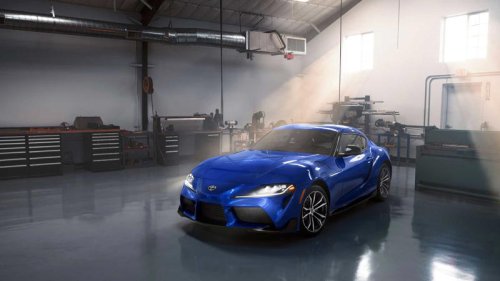


















Both the Toyota B58 and the Nissan VR30DDTT are modern turbocharged engines. They both use the same displacement, but the Toyota has a straight-six engine, while the Nissan has a V6. The B58 benefits from a partnership between BMW and Toyota, while the VR30DDTT comes out of Nissan’s performance division, with both vehicles sitting close to the top of Japan’s sports performance divisions.The Toyota B58's straight-six turbocharged engine is generally considered the superior overall engine of the two due to its robust closed-deck design, higher tuning ceiling, and broader torque delivery, while the Nissan VR30DDTT offers higher factory peak power in some trims and aggressive twin-turbo response. The problem is that it faces more frequent hardware limitations, such as belt issues and turbo longevity, at higher mileages than the B58. Let's dig into the raw specs of each engine, their real-world driving dynamics, tuning potential, and long-term ownership, before delivering a clear, reasoned verdict on the question: "Is the Toyota B58 or Nissan VR30DDTT better?" The VR30DDTT Wins On Paper — Why That's Only Half the Story NissanThe Toyota B58 is a 3.0-liter turbocharged inline-six engine sourced from BMW and used in the Toyota GR Supra. This engine produces 382 horsepower of peak power at 5,800 rpm, and 368 pound-feet of peak torque at 1,800 rpm. On the other hand, the Nissan VR30DDTT used in Nissan's Z trims and the Infiniti Q50 RS and Q60 Red Sport 400 is a 3.0-liter twin-turbocharged V6 producing 400 horsepower of peak power at 6,400 rpm and 350 pound-feet of torque at 1,600 rpm.The B58 is a single twin-scroll turbo engine, producing a flatter torque curve and continuing to go steadily even at high RPMs, while the VR30DDTT is a true twin-turbo V6 producing strong low-end torque, and known to run out of steam quicker. On paper, the Nissan VR30DDTT wins the peak horsepower debate with a peak of 400 horsepower, but it achieves this at 6,400 rpm, much later than the B58 hits peak horsepower. Additionally, although the B58 hits peak torque 200 rpm later than the VR30DDTT, its peak torque is 18 pound-feet higher than the Nissan's and maintains that torque over a wider RPM range. On the street, you'd prefer the vehicle with the most torque for quicker overtaking and for getting out of sticky situations. Single Twin-Scroll Vs Parallel Twin Turbos Via: Bring a TrailerAlthough the Toyota B58 is commonly classified as a twin-turbo engine,it actually runs on a twin-scroll turbo setup, which is essentially a single turbo setup. In this setup, the exhaust manifold is split into two separate paths called scrolls, with three cylinders feeding into each scroll. This setup keeps exhaust pulses from interfering with each other, making the turbo spin up to high speeds much faster than a traditional single turbo. This setup is simpler and saves more weight than a traditional twin-turbo system while still mimicking the low-end response of a twin-turbo setup. Its fewer moving parts and less complex plumbing make it generally more reliable.On the other hand, the Nissan VR30DDTT is a true twin-turbo setup in a parallel configuration. This system has two identical turbochargers working simultaneously. The six cylinders in the V6 are split into two banks, with each bank of three cylinders fed into each turbocharger. Both turbochargers work together at the same time. Because the system uses two small turbochargers, they have very low rotational inertia, allowing them to spool almost instantly for aggressive throttle response. This works perfectly for the V-engine layout, keeping piping for the exhaust short and efficient. The trade-offs for both systems are: on the B58, if the housing isn't sized perfectly, you can experience significant turbo lag and high backpressure, while the presence of two turbochargers on the VR30DDTT means dealing with twice the actuators, oil lines, and heat management issues. The Quarter-Mile Numbers That Actually Win Arguments Via: Bring a TrailerThe B58 in the Toyota Supra always outperforms the VR30DDTT in the Nissan Z and Infiniti Q50 in acceleration and the quarter-mile, even with its lower factory horsepower rating. Both cars happen to have electronically limited top speed numbers of 155 mph, but that’s where the equality ends. The B58 in the Supra rockets to 60 mph from a standing start in 3.9 seconds with the automatic transmission, while the VR30DDTT in the Nissan Z achieves the same feat in 4.3 seconds. On the manual transmission, the B58 does it in 4.3 seconds, while the VR30DDTT does it in 4.5 seconds. It takes the GR Supra between 12.1 and 12.4 seconds to complete a quarter-mile race, while the Nissan Z trails behind with 12.3 to 12.8 seconds. On the track, every millisecond matters. The VR30DDTT in the Infiniti Q50 Red Sport 400 does it in 12.7 to 13.0 seconds. Much of this is helped by the lighter weight of B58 cars, with an average B58 vehicle weighing under 3,400 pounds compared to the VR’s 3,600 pounds. However, without electronic limiting, the Infiniti QR Red Sport is known to hit speeds of 183 mph. Why the B58's Aftermarket Ceiling Leaves The VR30 Behind BMW One major advantage the B58 has over the VR in the aftermarket is the closed-deck design. With the cylinder bores surrounded by more metal at the top, the engine can withstand significantly higher boost levels and combustion pressures without the cylinder walls cracking or distorting. This system provides more high-pressure reinforcement than the open-deck design used by the VR. The VR’s system is excellent for cooling if the vehicle is mainly used as a daily driver, but under extreme boost, it becomes more susceptible to cylinder failure.The B58 is one of the most widely used high-performance engines in the world, appearing in about 41 different models across BMW and Toyota lineups. Across all models running on the B58, from BMW’s M vehicles to Toyota’s Supra, the sheer volume of aftermarket modifications available is enormous. The strength of the internals of the B58 engine makes it possible for tuners to achieve peak power of up to 500 horsepower with just a downpipe and a flash tune off the shelf. In addition to this, the engine bay of the VR30DDTT’s twin-turbocharged V6 is a lot tighter than that of the B58’s due to the presence of a large V6 and two turbochargers, making aftermarket modifications trickier. The single-turbo system of the B58 is cheaper and easier to upgrade with a single Big Turbo kit or a quick tune over your smartphone from platforms like MHD Tuning and Bootmod3. High Miles, Low Drama: Which Engine Will Still Be Running Strong at 150,000 Miles? Toyota The closed-deck block design used on the B58 is notably stronger than the system used on previous BMW inline-6 generations. Although this system trades a small amount of cooling surface at the top of the block for massive structural reinforcement, its rigidity has successfully resisted the fatigue issues that high-mileage turbocharged engines suffer from. The closed-deck block around the cylinders keeps them from wiggling at high pressure, preventing uneven wear in the piston rings and keeping them from losing compression. It also helps better clamp down the head gasket, making sure it doesn’t flex under load.The B58TU fuel injection system used in the Toyota Supra uses ultra-high pressure to create a finer fuel mist, achieving more complete combustion with fewer soot deposits on the piston tops and valves. On the other hand, the VR30's direct injection-only setup uses lower pressure, which results in larger fuel droplets and higher carbon buildup over more miles. Also, BMW’s complex cyclonic oil separator is integrated into the valve cover. Unlike the VR30’s more traditional oil management system, which sends oil vapor back into the intake tract, the B58’s system strips oil vapors out of the air much better before recirculating into the intake, significantly delaying the carbon buildup in the intake valves.Although both engines are well-engineered, the B58 in the Toyota Supra also benefits from Toyota's reputation for reliability, which means it's generally expected to reach 150,000 miles with fewer significant mechanical issues than the VR30DDTT.