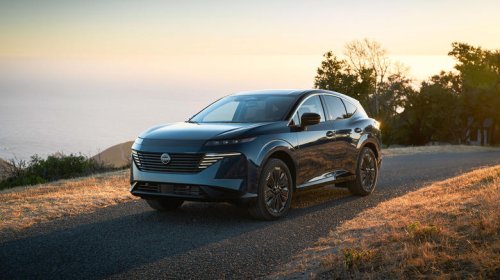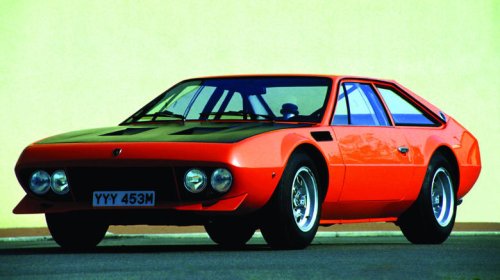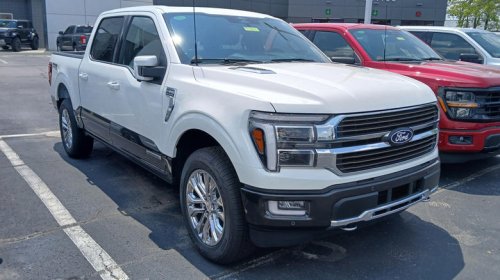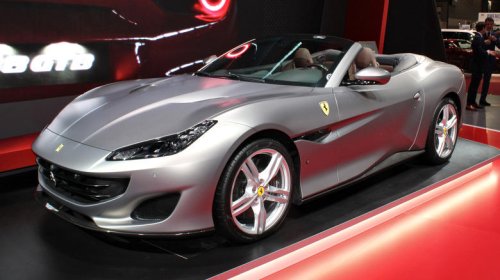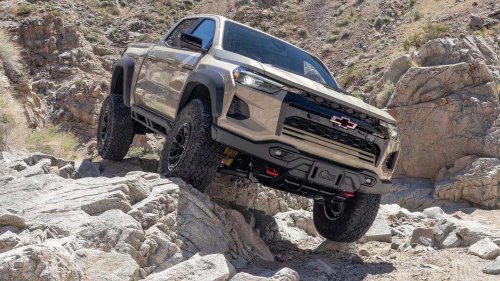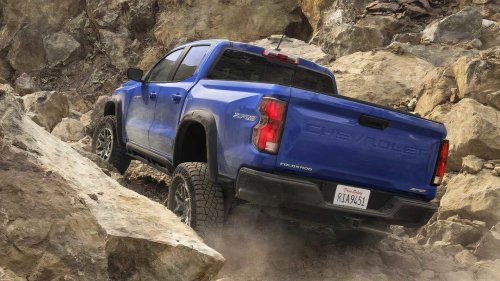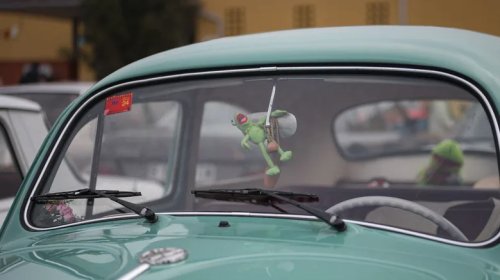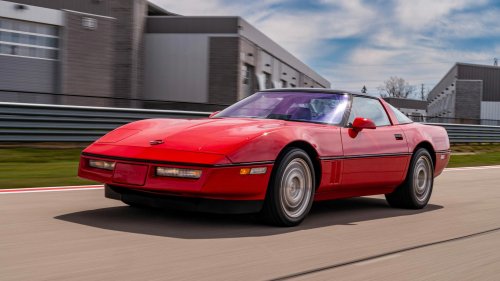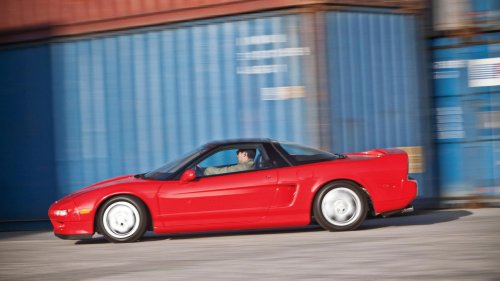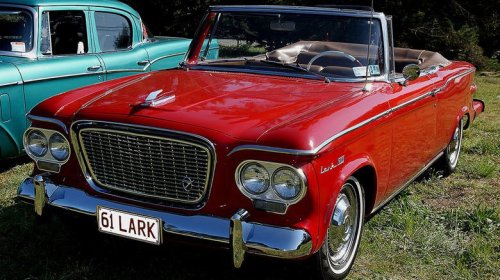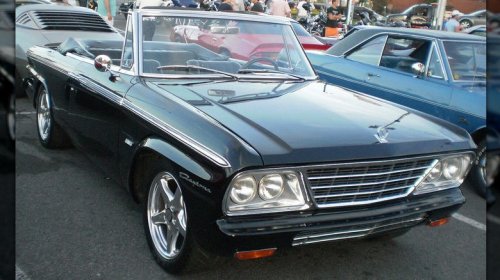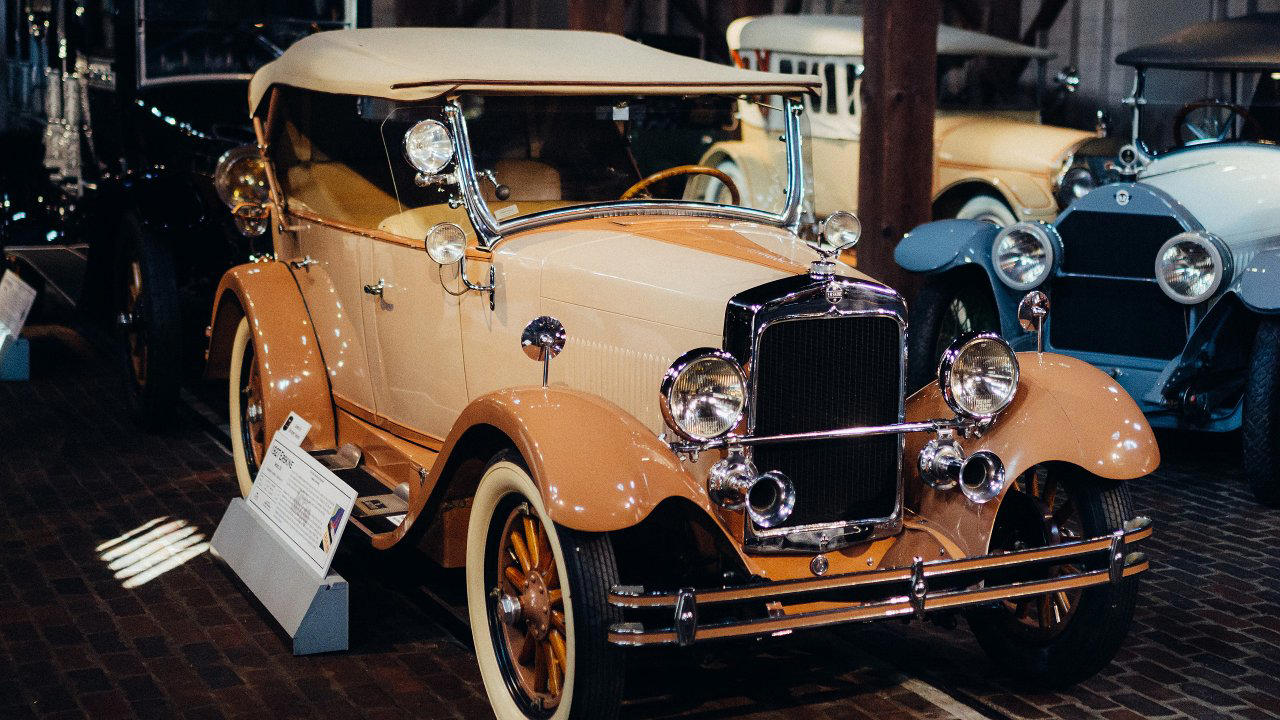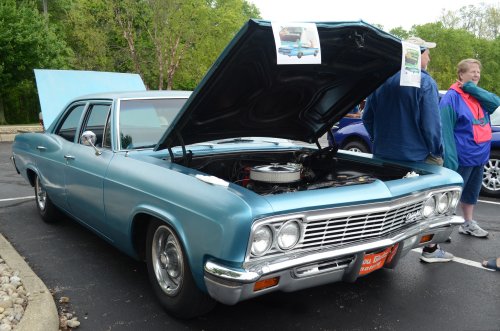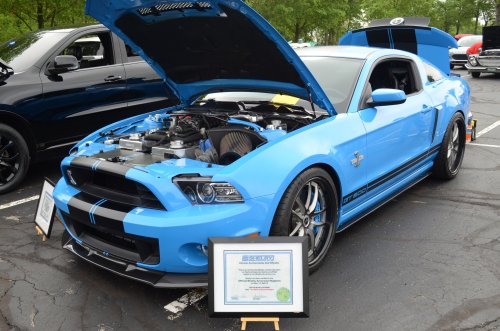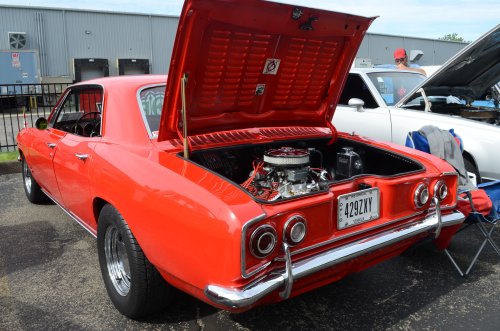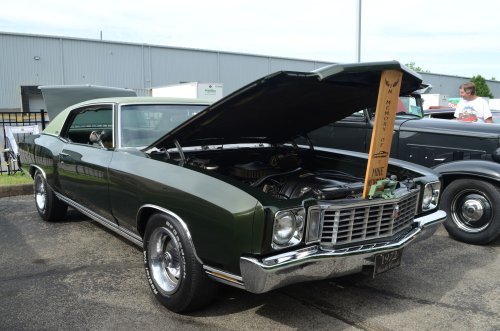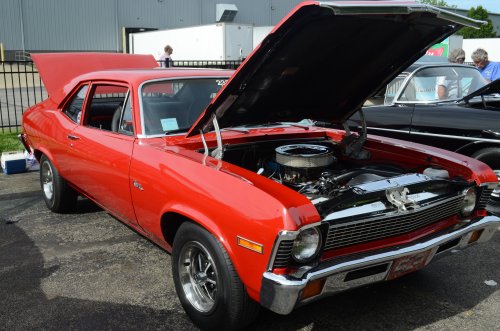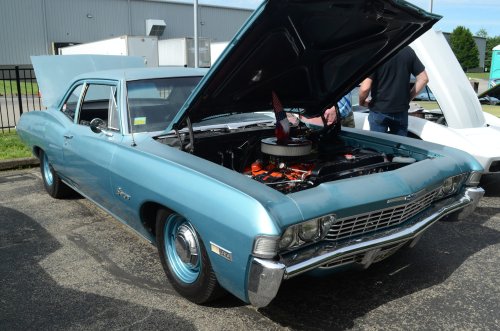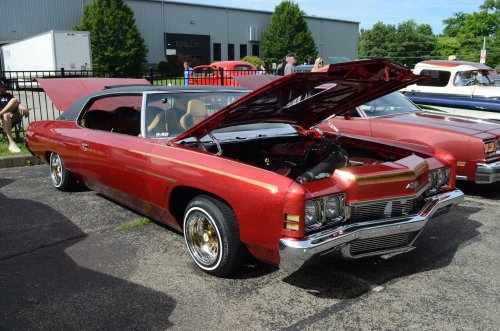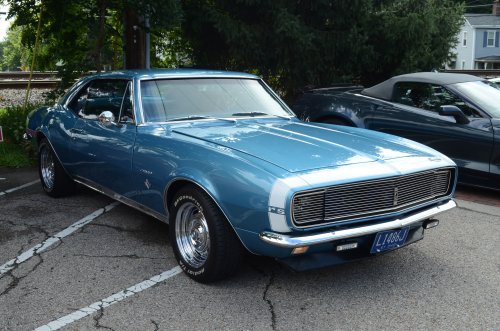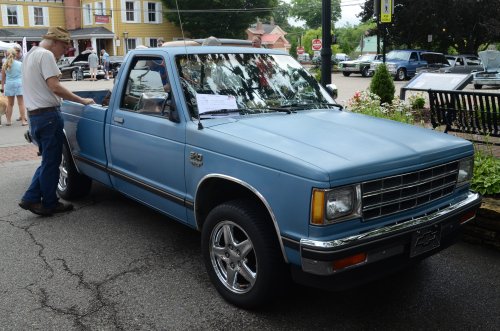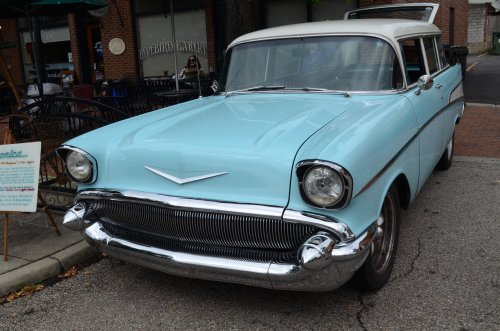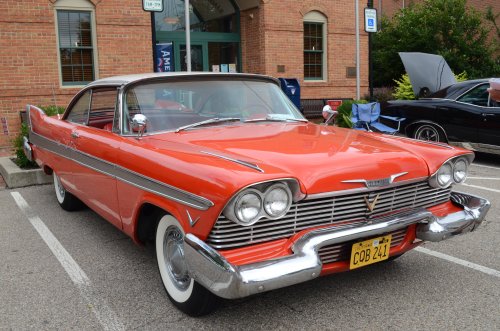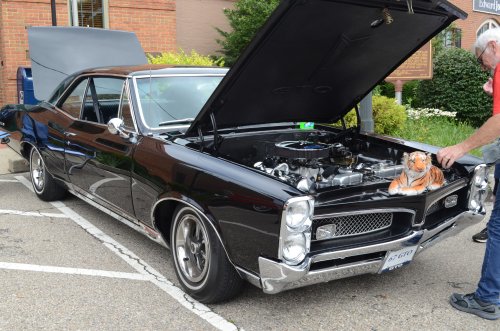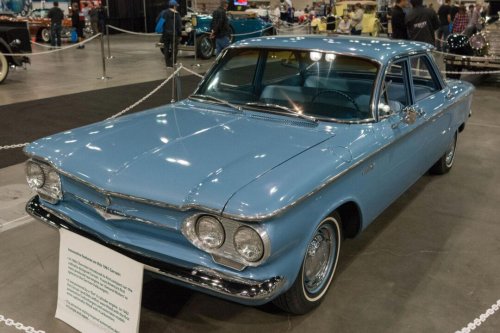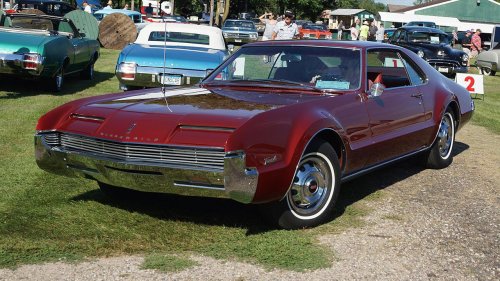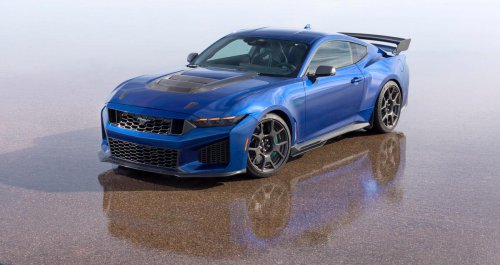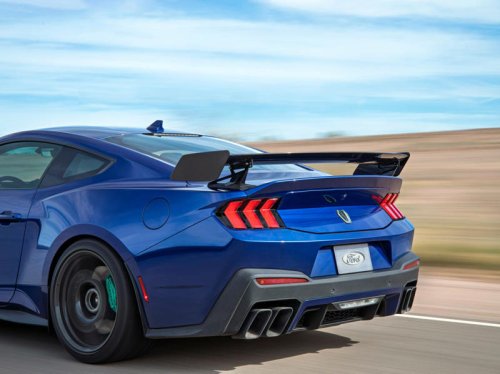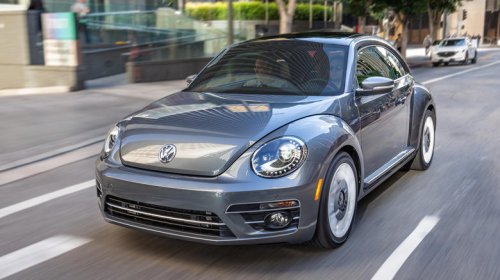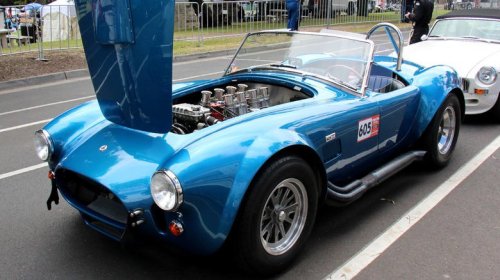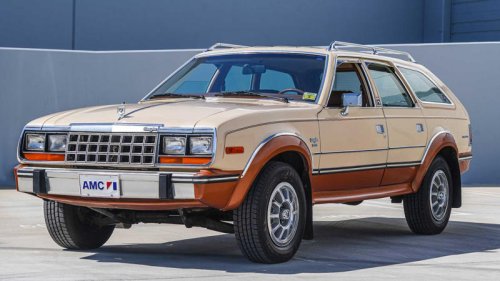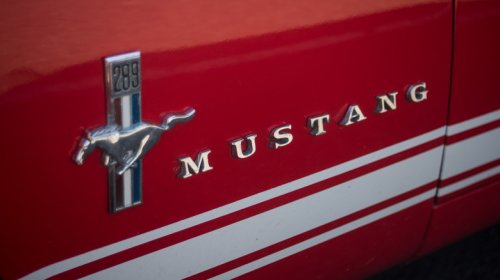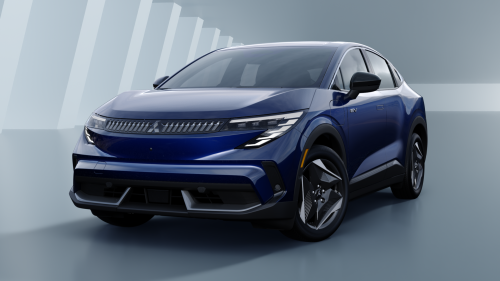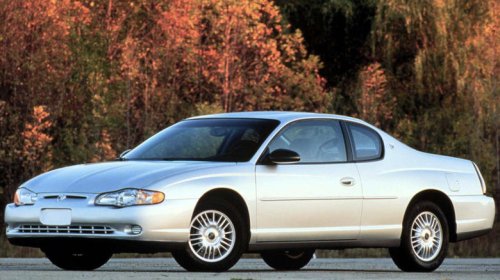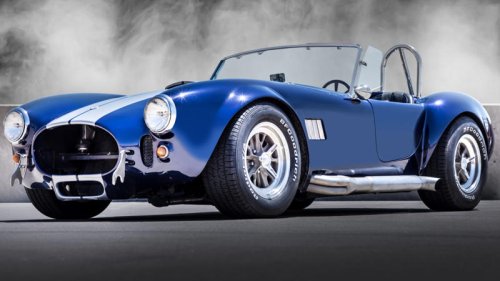
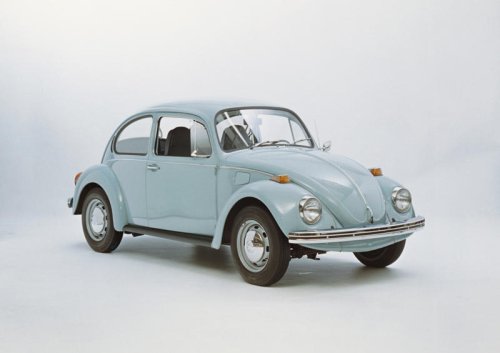
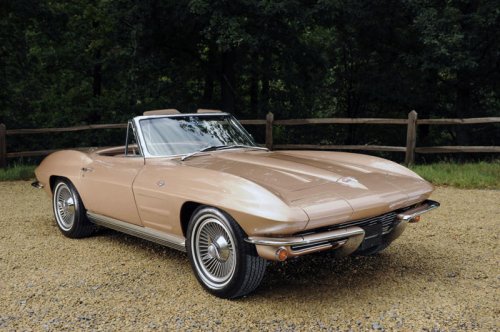
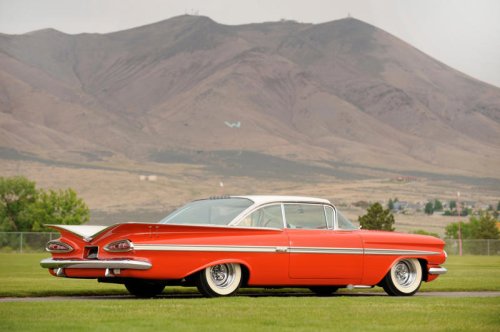
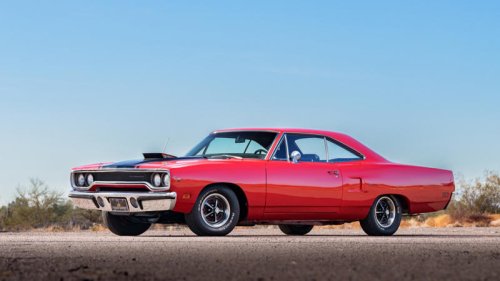
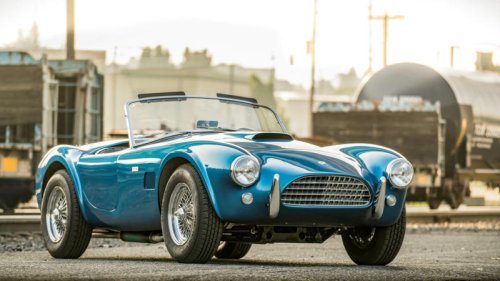
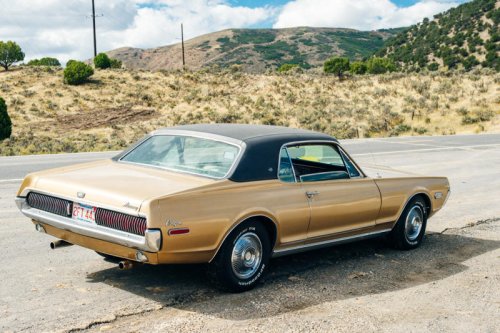
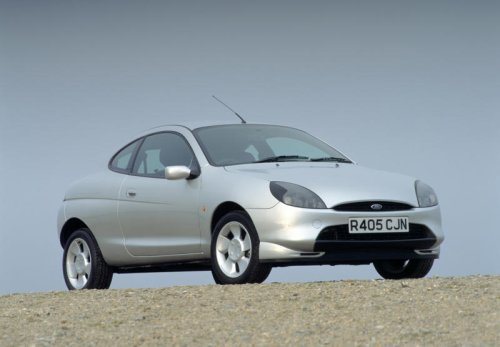
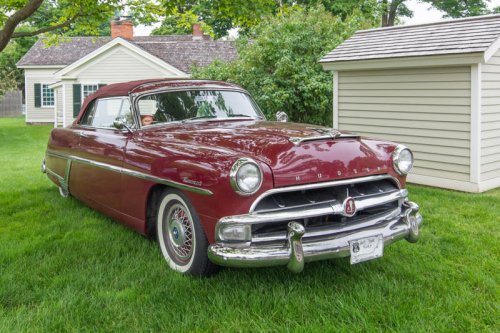
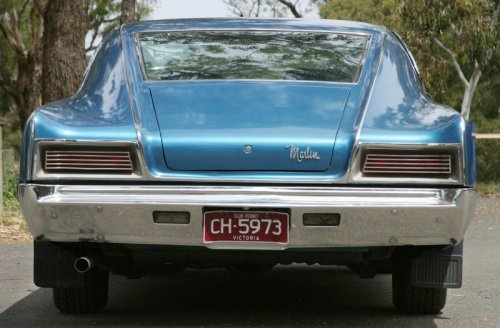
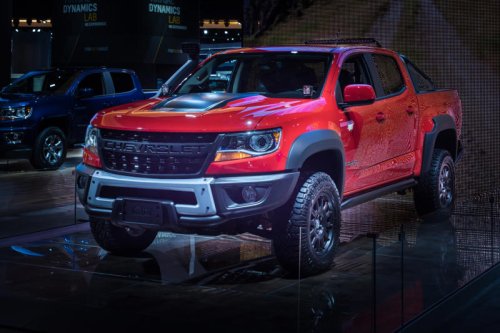
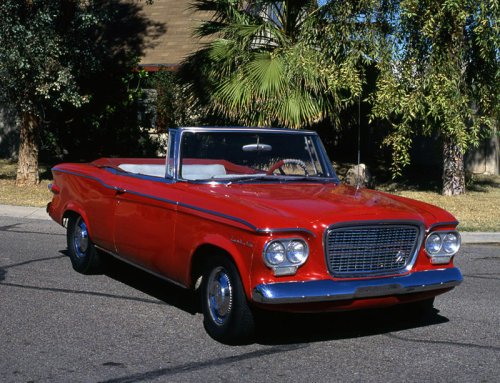
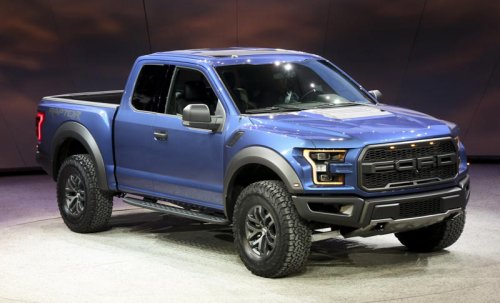
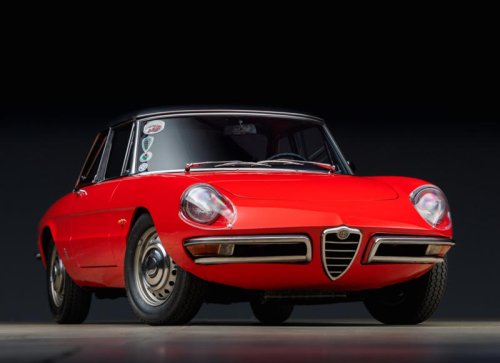



















Classic automobiles named after wildlifeAutomakers have been naming cars after wildlife for generations. Animal-inspired names can lend vehicles a sense of power and strength, or grace and elegance. But it's not just about branding. Automobile manufacturers have long recognized how the names of certain animals can capture our imagination. A car named after a big cat, a tiger or cheetah for example, or a sleek, streamlined aquatic creature such as a stingray, can evoke images of speed and freedom, and instill in drivers a spirit of independence.In this gallery, we take a look at some of the most iconic vehicles named after wildlife. Click on and hit the road!Volkswagen BeetleOne of the most iconic cars in automotive history, the Volkswagen Type 1 was nicknamed "Beetle" for its bug-like shape shortly after production started in 1938. Volkswagen only officially adopted the name Beetle in 1968.Chevrolet Corvette StingrayMarketed by General Motors under the Chevrolet marque since 1953, the Chevrolet Corvette Stingray is regarded as one of Chevrolet's flagship automobiles. The car's sleek, aerodynamic design and rapid acceleration inspired the name "Stingray" after the the swift and equally streamlined tropical fish.Chevrolet ImpalaThe Impala was one of Chevrolet's flagship automobiles of the 1950s, and one of the best-selling American-made automobiles in the United States. It was named for the impala, an antelope native to Africa renowned for its grace, speed, and agility. Plymouth Road RunnerA muscle car introduced by Chrysler in the United States in 1968, the Plymouth Road Runner was named after the popular Warner Bros. 'Looney Tunes' cartoon character, itself inspired by the roadrunner, a bird that, while capable of flight, generally runs away from predators. Plymouth marketed the vehicle as matching the speed of the feisty bird.Shelby CobraThe Cheetah was in fact developed as a competitor to American designer Carroll Shelby's Cobra. Produced between 1962 and 1967, the Cobra, one of the most famous models in racing history, was named by Shelby as such because he needed a name that reflected its dangerous, striking performance.Mercury CougarMercury was a brand of medium-priced automobiles produced by the Ford Motor Company between the 1939 and 2011. The Mercury Cougar rolled off the production line in 1967 and was named after the powerful big cat that roams the Americas. Production of the Mercury Cougar ended in 2002.Ford PumaNamed Car of the Year in 2020 by What Car? magazine, the Ford Puma takes its name from the big cat distributed across much of western and southern North America and throughout South America. The large feline is agile, athletic, and swift.Hudson HornetManufactured by Hudson Motor Car Company of Detroit from 1951 until 1954 and later by the American Motors Corporation (AMC), the Hudson Hornet was a stylish and streamlined automobile that was named for its high performance and speed and for the "stinging" agility and power its racing models brought to the track.Rambler MarlinProduced by AMC in the mid-1960s, the Rambler Marlin was a two-door fastback the design of which was based on the compact Ramber American. The Marlin was sleeker and faster and evoked the image of a swordfish-like marine creature, hence the name Marlin.Chevrolet BisonChevrolet's powerful off-road, all-terrain truck is named Bison after North America's largest mammal. It was chosen because it evokes the raw strength, grit, and rugged, untamed nature of one of the most iconic creatures of the Great Plains.Studebaker LarkLarks are small to medium-sized birds with distinctive songs and flights, and which are widely found across the world. The compact Studebaker Lark was produced between 1959 and 1966, and was named after the tiny passerine because it sounded fresh, youthful, and light.Ford RaptorA high performance off-road vehicle manufactured by Ford, the Raptor is a beast but is named for birds of prey, species like eagles and falcons—fast, dominant, and highly maneuverable.Alfa Romeo SpiderThe name Spider, or Spyder, has its origins in the horse-drawn carriages of the 1880s, the so-called "spider phaetons"—lightweight, open-top, two-seater carriages with small bodies and large wheels with thin spokes that resembled the legs of an arachnid. An early spider was the classic Alfa Romeo Spider, which first appeared in 1966.