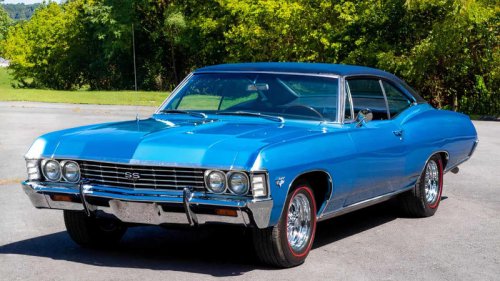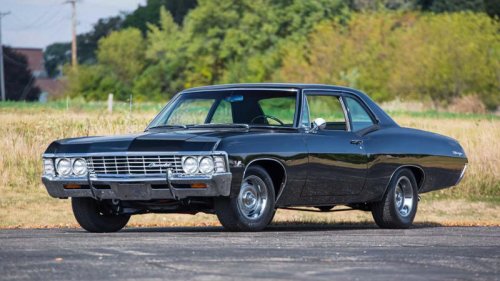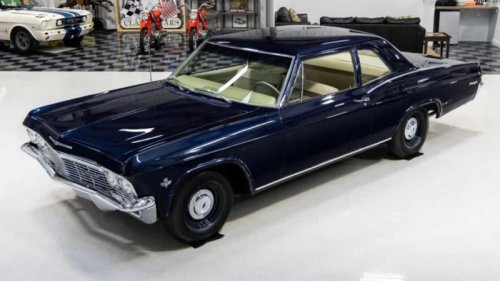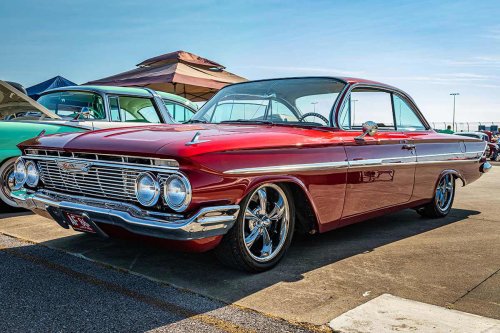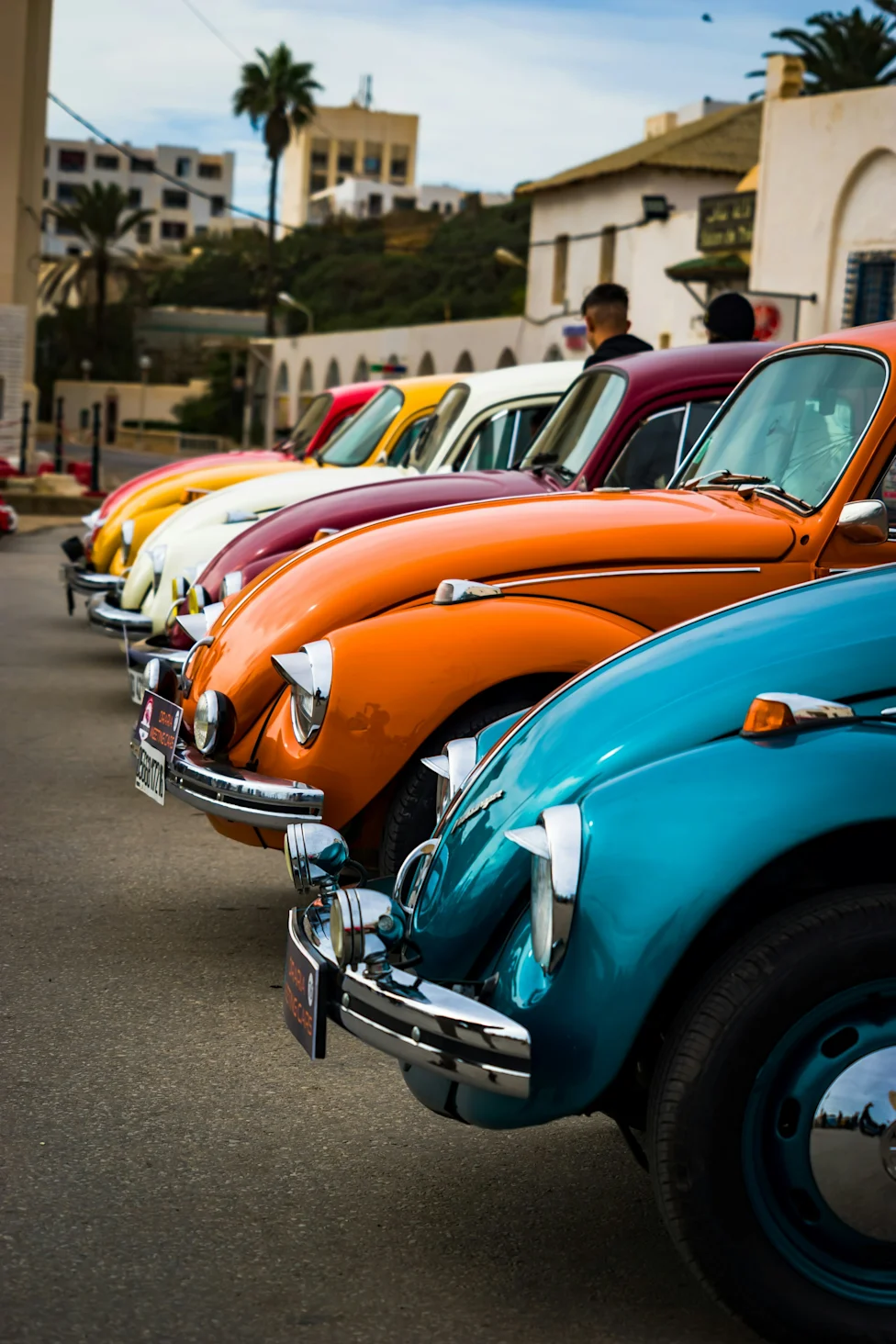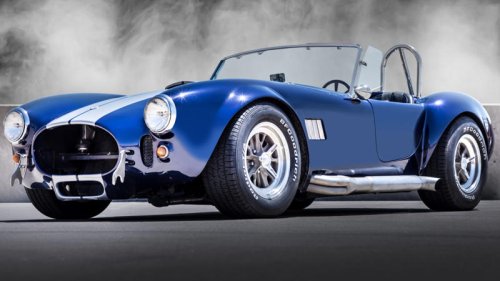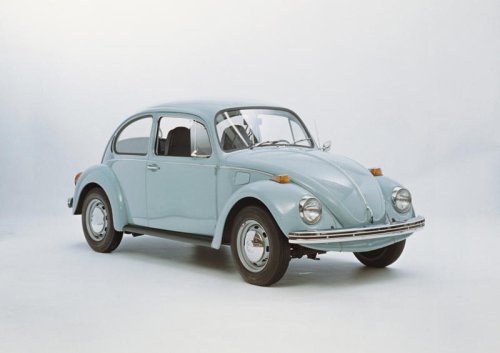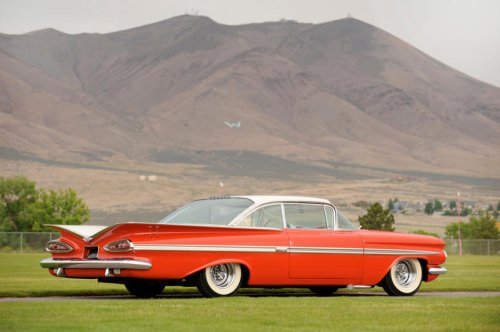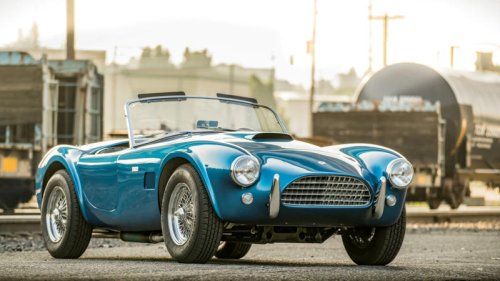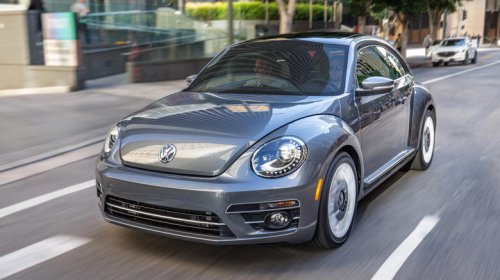
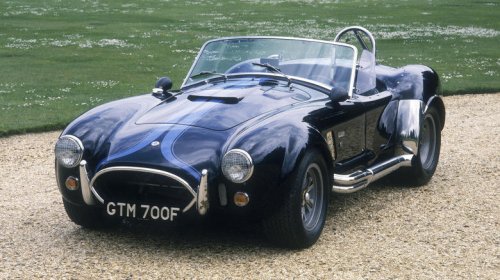
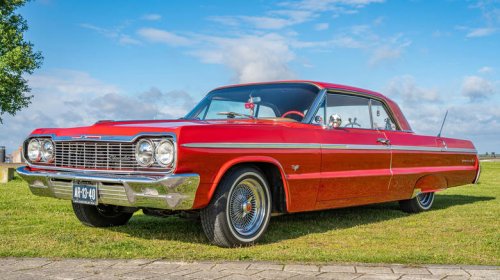
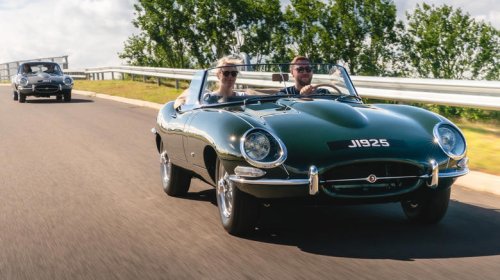
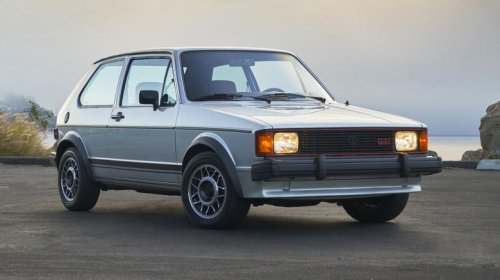


















VW BeetleIt's known by many names around the world, but the one that has stuck the most for the original Volkswagen is the Beetle. Initially built in WWII-era Germany, the car was first designated simply the Volkswagen, or "people's car." It was designed by Ferdinand Porsche under a government directive, with three different Series VW 3 prototypes trialled in 1936. These evolved into the Series 38 prototypes in 1938, with production planned to start over the following years. The declaration of war in 1939 saw those production plans halted, and over the following six years, a mere 630 examples of the Volkswagen had been built.Taking over leadership of Germany in 1945, Allied forces saw the potential in the idea, and allowed the factory to scale up production. The first large order for the Volkswagen came from the British military, and soon civilian production also began. By the end of the decade, the first examples of the car had already been exported, and 50,000 examples had been built.The car's unusual looks and bug-like design quickly earned it the nickname of the beetle in some of those export countries. In English-speaking countries, it was the beetle or the bug, but in other languages it was the käfer, coccinelle, or maggiolino, all referring to the same animal. By 1972, it had become the best selling car in history, but production eventually ended in 2019 with the Final Edition, pictured above.Shelby CobraSome carmakers spend weeks or months deliberating on the perfect name for a new car, taking suggestions from a team of designers, engineers, and marketing folk and then putting the top picks through focus groups until one name emerges victorious. Carroll Shelby didn't have time for any of that, and reportedly picked the Cobra name because he'd come up with it in a dream. In fact, the whole Cobra project was put together remarkably quickly, with Shelby only retiring from racing in 1960 and forming a new venture to build the car in 1962, having sourced body shells from AC Cars and V8 engines from Ford.The Cobra was Shelby's primary consideration for a few years, as by 1965, he'd been hired by Ford to give the brand's freshly-introduced Mustang a high performance makeover. Buyer demand for the Cobra was also beginning to slow down, and revised FIA homologation rules meant that the Cobra had to compete directly against the Ford GT40 on the track. Since the GT40 was Ford's official race car, and was also under the development direction of Shelby, the decision was made to discontinue the Cobra. Various continuations have since been built, but none match the value of the originals, some of which have sold for $5,000,000 or more.Chevrolet ImpalaA promotional film at GM's annual Motorama show in 1956 offered a glimpse into what the company thought the future of automobile travel might look like. It transported the car's occupants to a futuristic 1976, where self-driving cars, highway control towers, and jet-like vehicles ruled the roads. Of course, all those predictions proved to be far from reality, but across the floor at the same show sat a concept with a name that car owners in the real 1976 would come to love. It was the Impala, named after the agile African animal found roaming the savannas of Africa.The original concept car was a larger, five-seat version of the Corvette, but when the first production Impala arrived for 1958, it was notably different. The name was used for Chevy's range-topping Bel Air, being the most upscale variant in the brand's full-size range. It was launched as a model in its own right the following year, and would remain popular throughout the following decades. So popular, in fact, that when 1976 rolled around, the Impala was the second bestselling car in the U.S. after the Oldsmobile Cutlass, with around 470,000 examples sold.Jaguar E-TypeEvery car enthusiast has heard the story about Enzo Ferrari calling the E-Type the most beautiful car in the world. However, fewer know the origins of the name of its maker. Unlike Mr. Ferrari, the creator of the Jaguar brand didn't name his company after himself. Jaguar originally evolved out of founder William Lyons' original business, Swallow Sidecar Company, which made motorcycle sidecars. Although the exact origins are unclear, the Swallow name probably refers to the common British bird known for its graceful flight.Eventually, the company branched out into making automobiles based on an Austin Seven chassis. By 1930, Lyons had changed the name of the company to SS. The exact reasons for the name change are unknown, but it's been suggested that it was short for Standard Swallow, with the former name being the engine maker that Lyons had a contract with at the time.The new carmaker quickly gained fame in Britain, launching the SS Jaguar sedan that undercut its rivals on price without compromising on luxury or refinement. The famous leaping cat logo was later designed for the car, reportedly because Lyons saw a customer add their own Jaguar emblem as an aftermarket piece. He thought it looked awful, and so enlisted his designers to create a proper one. The SS name became problematic in Britain during the mid-1930s thanks to its association with a German military organization, and so it was eventually dropped, with the entire company rebranded under the name of its bestselling Jaguar sedan.VW RabbitWhile most of the world knows Volkswagen's pioneering front-engine, front-wheel drive economy car as the Golf, in America it was originally called the Rabbit. There have been several theories as to why the Golf name was originally picked, either because it literally represented the sport or because it was derived from the German word for gulf stream, an ocean current. However, VW has said that the most likely origin of the Golf name was that it was borrowed from a horse owned by a company manager. Either way, it was deemed inappropriate for use in America, where golf was considered an exclusive sport for the wealthy. The car was to be marketed as an affordable, inclusive, and welcoming vehicle, so a new, friendly-sounding name was picked: the Rabbit.VW also took the opportunity to change the Rabbit to cater better to what it deemed to be American tastes, but in the process, it lost a bit of what made the Golf special. The Rabbit was never a sales hit from when it launched in 1975 to when it was discontinued in favor of the Golf nameplate in 1984, but that didn't stop VW from bringing it back again in 2006. Sales once again proved slow, and the Rabbit name was axed in 2009, this time, it seems, for good.