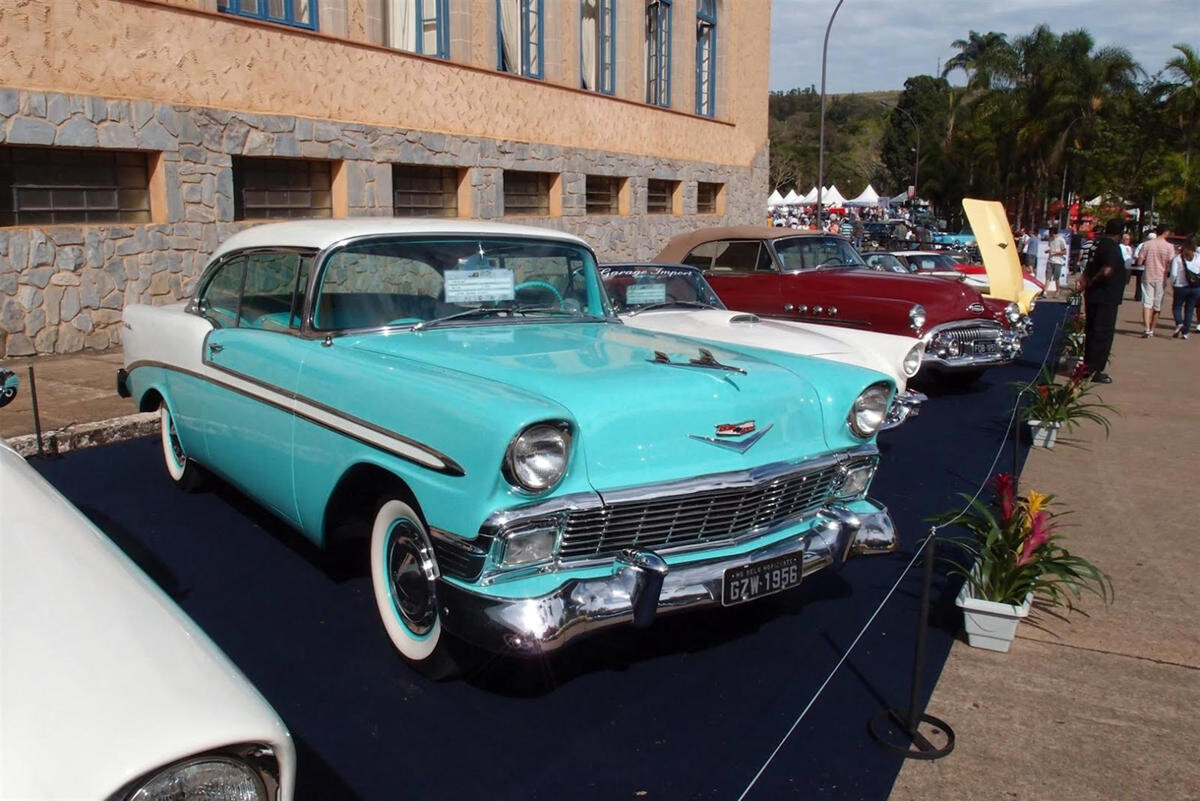
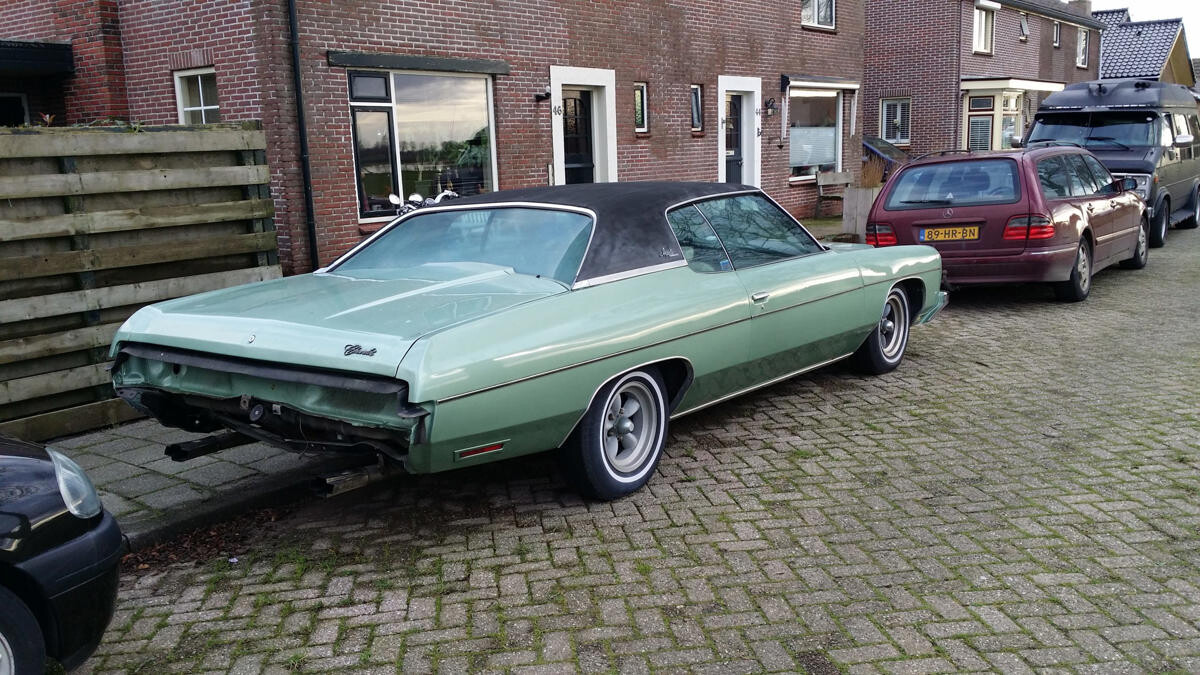
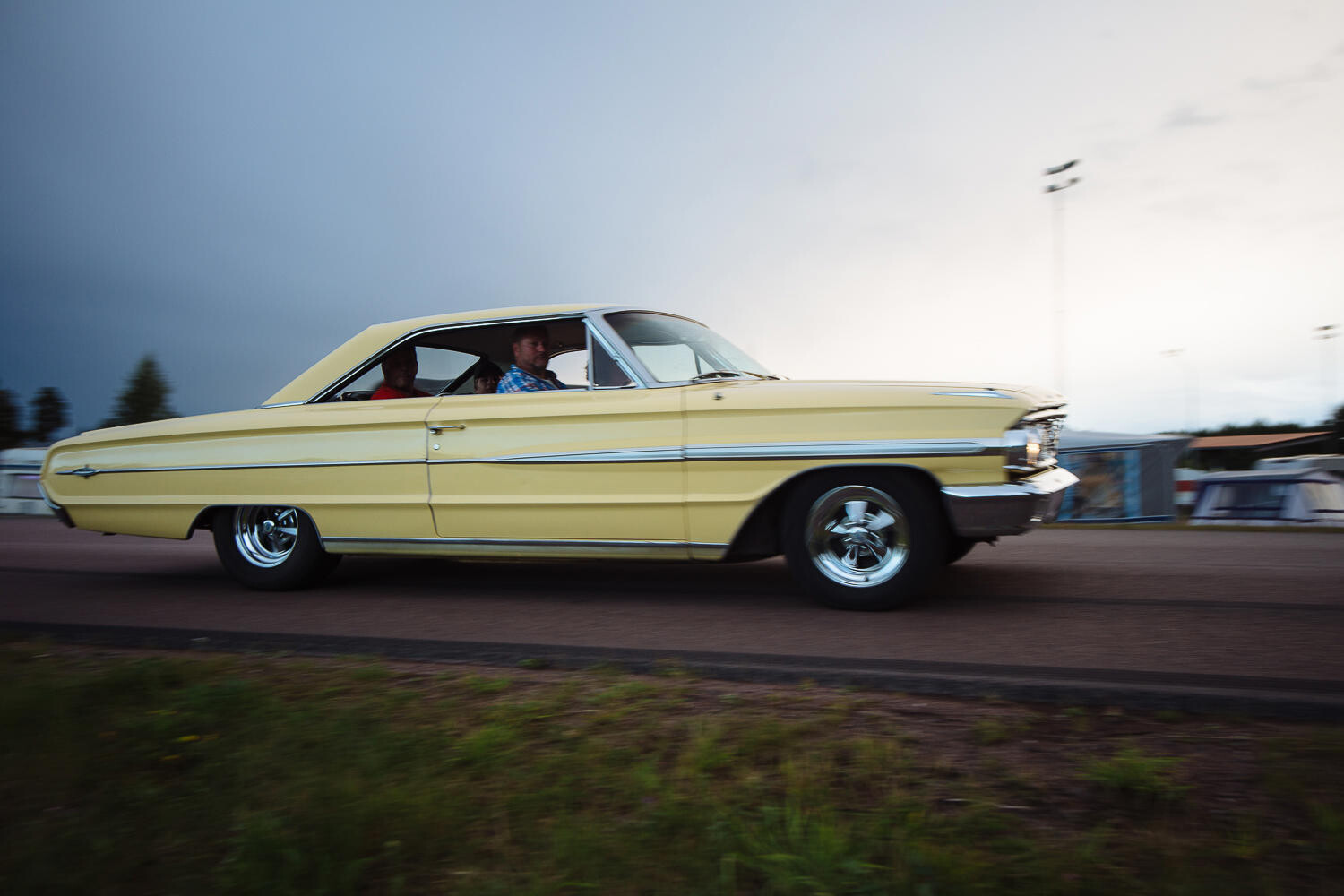
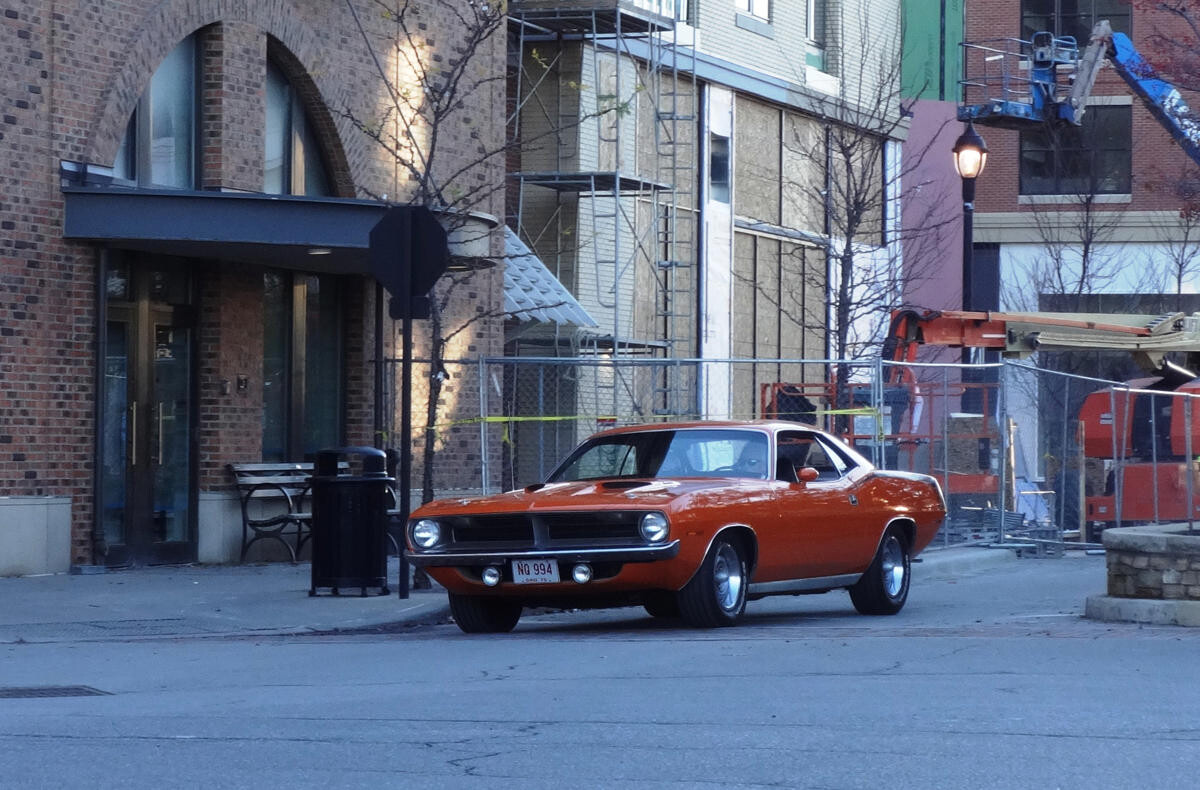
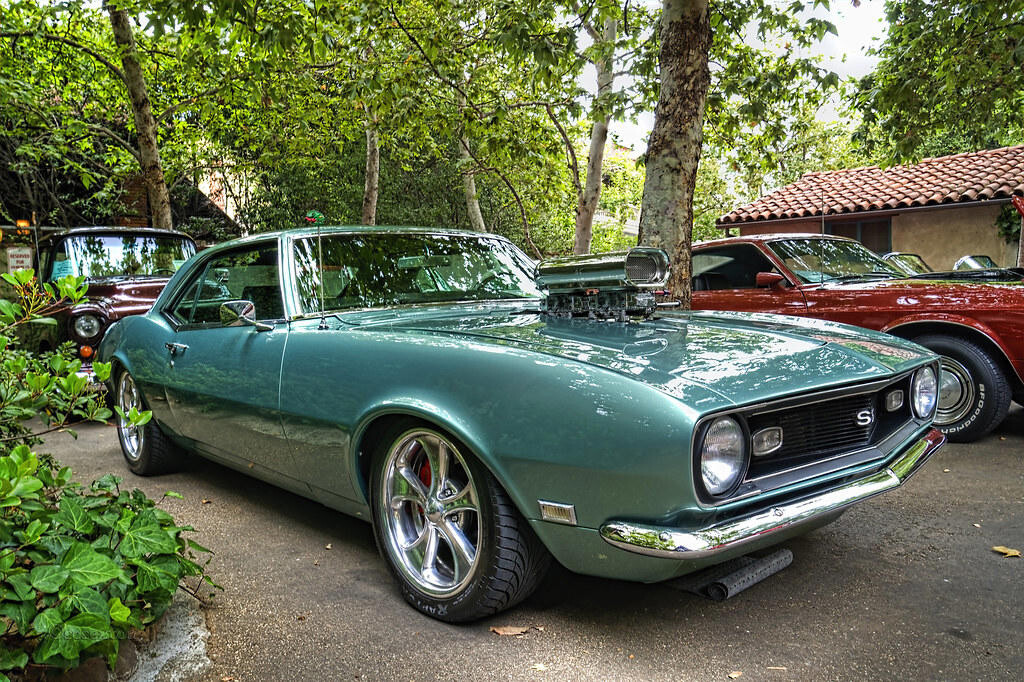
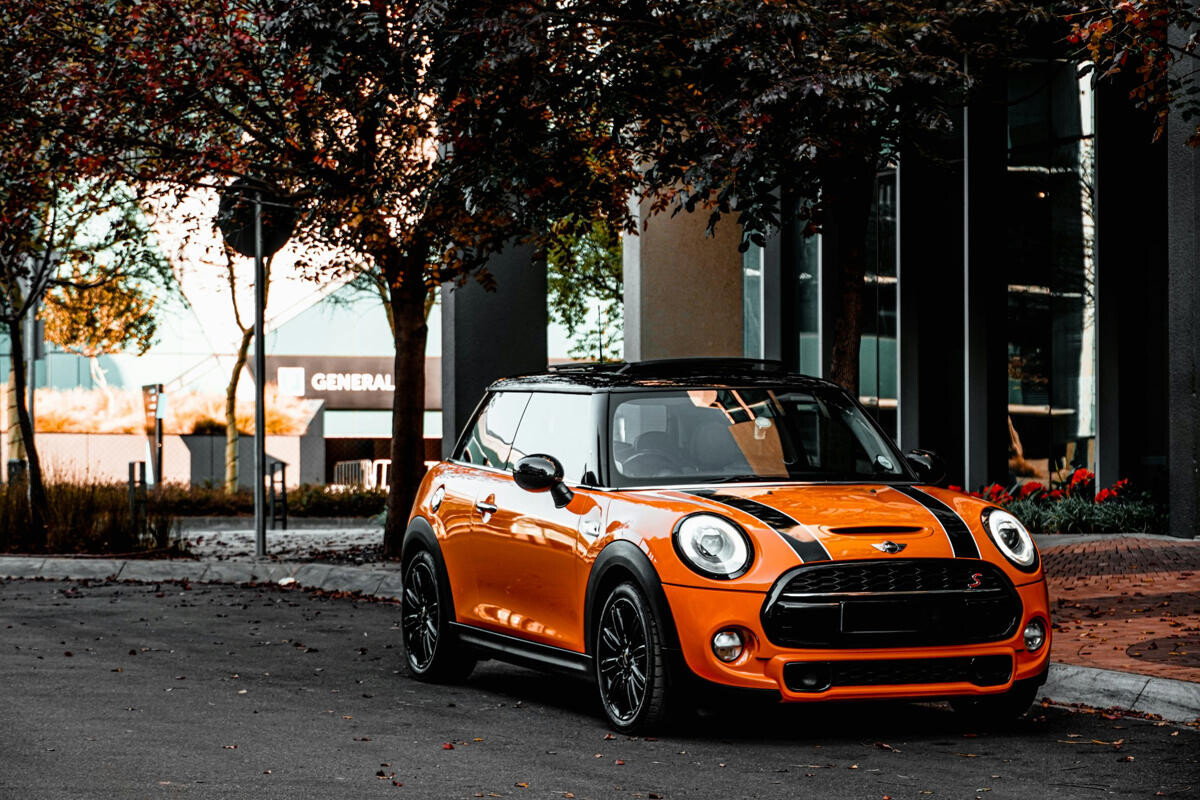
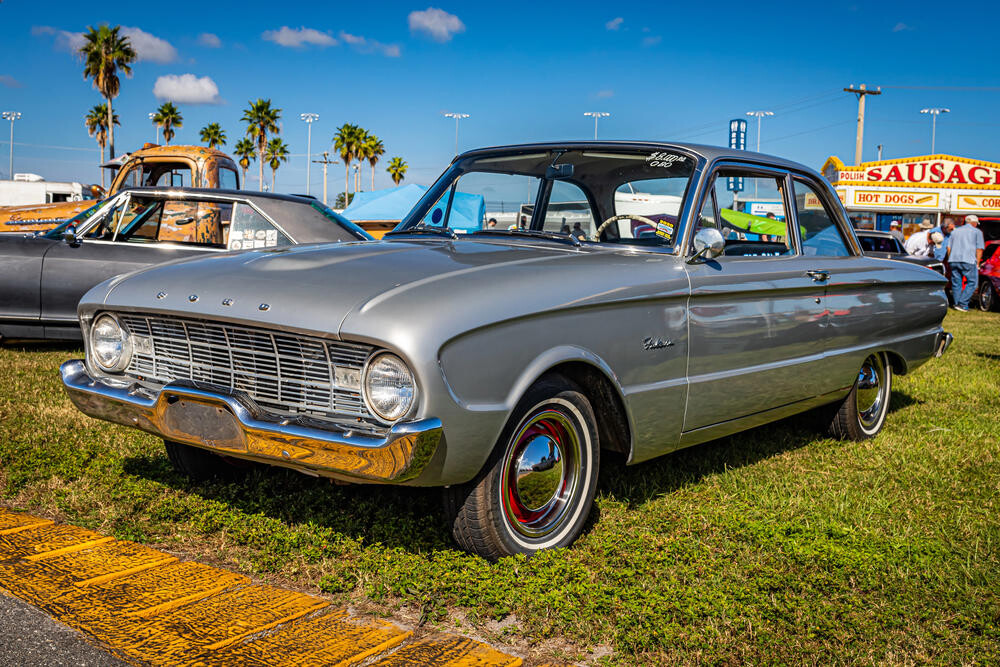
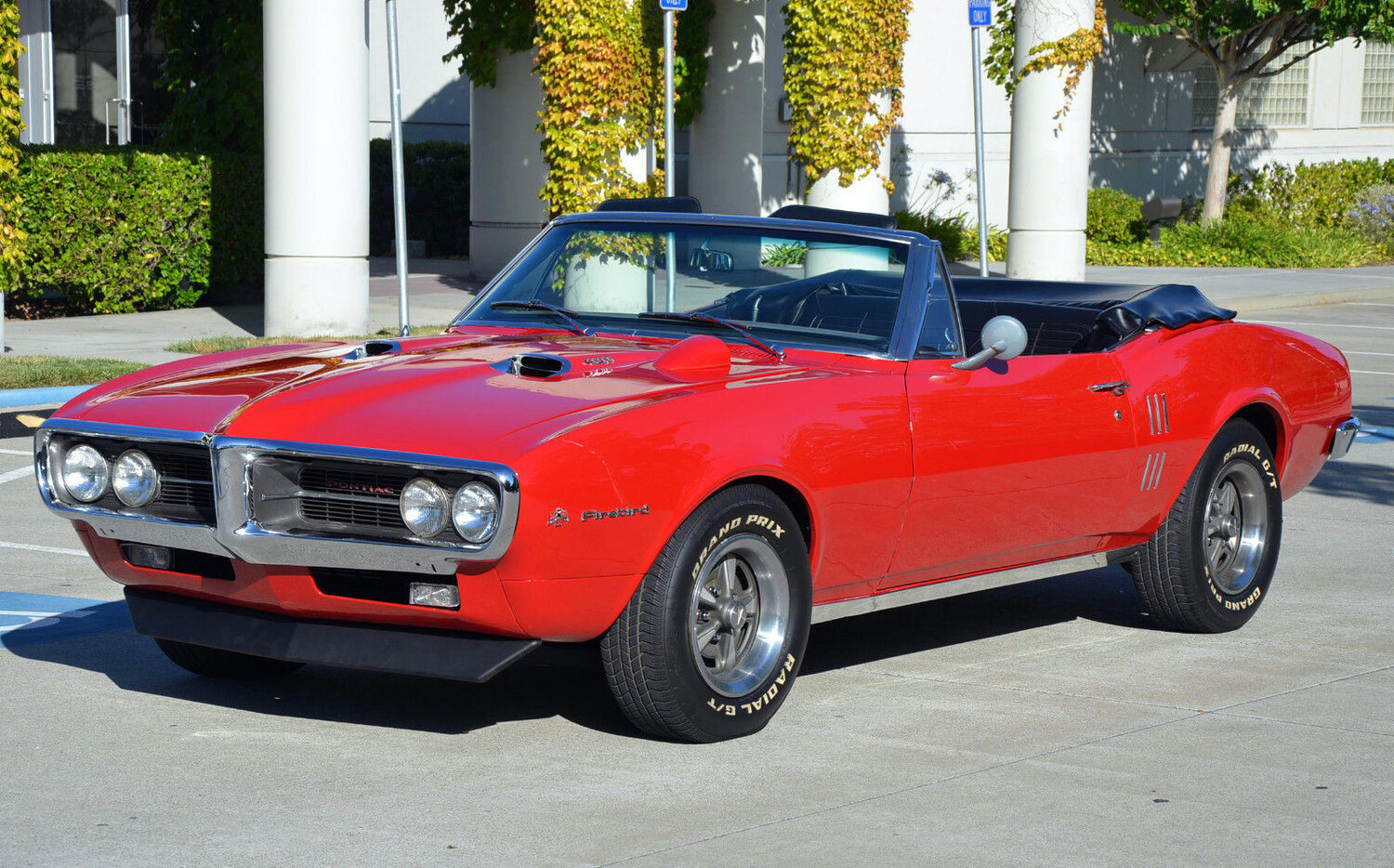
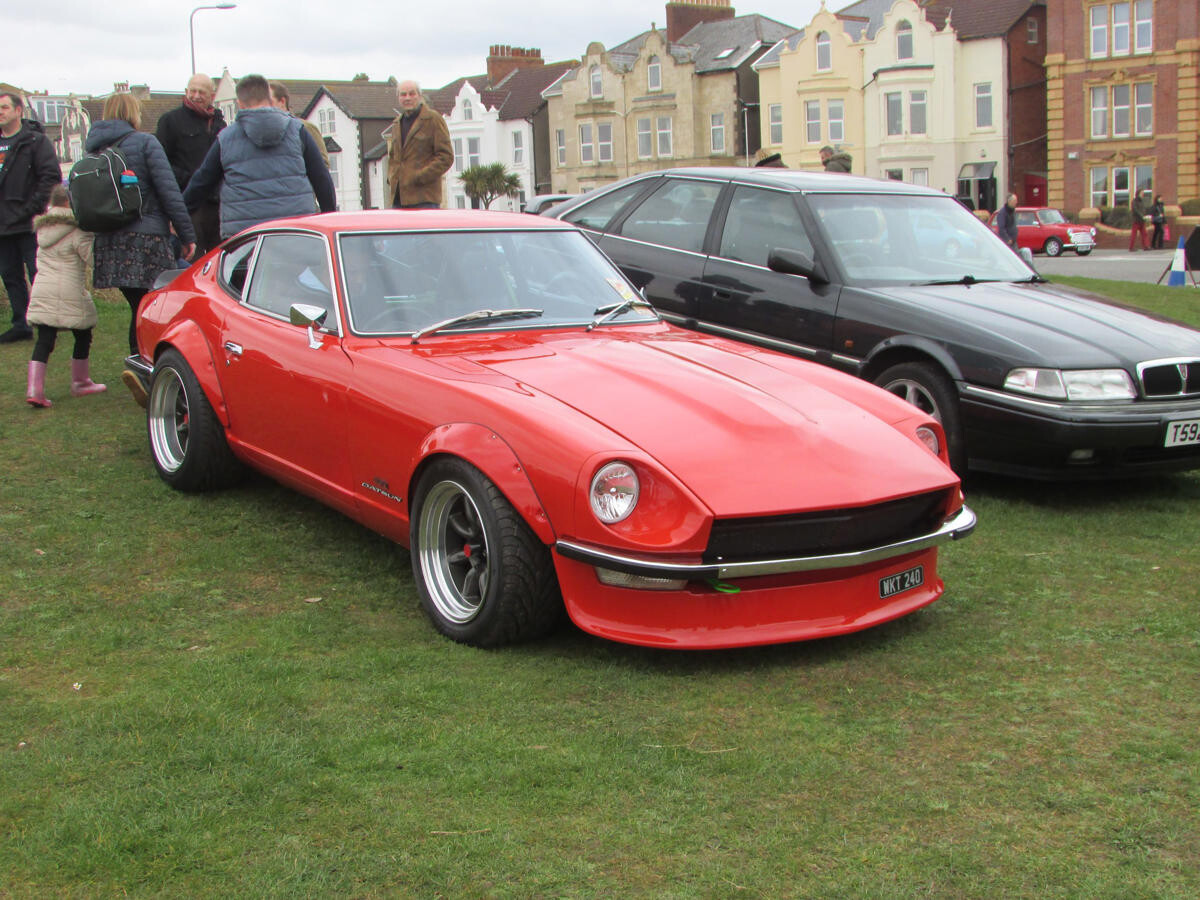
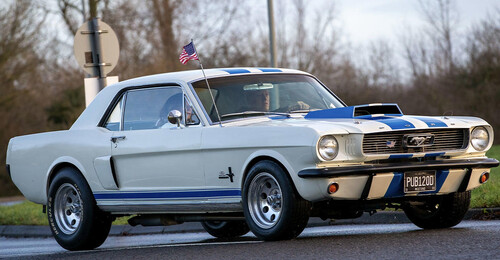
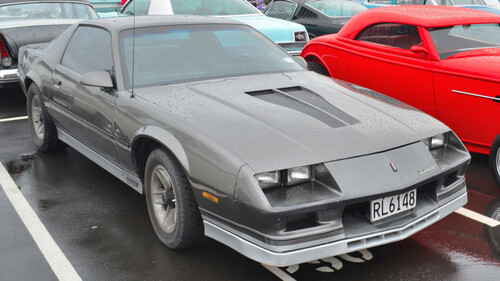
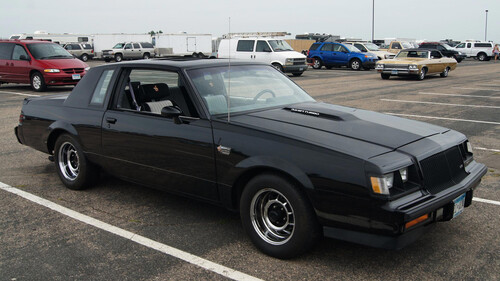
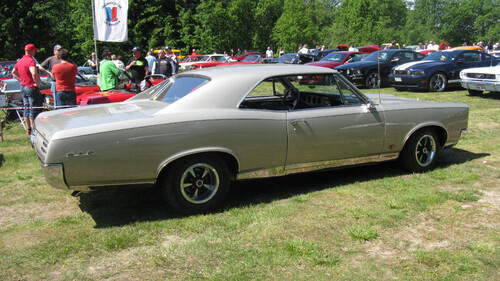
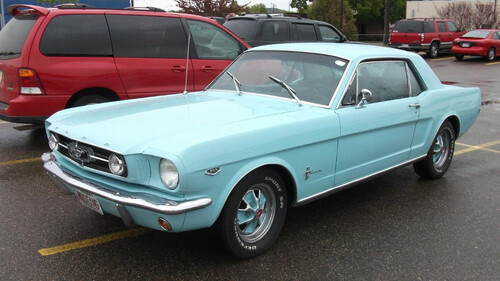
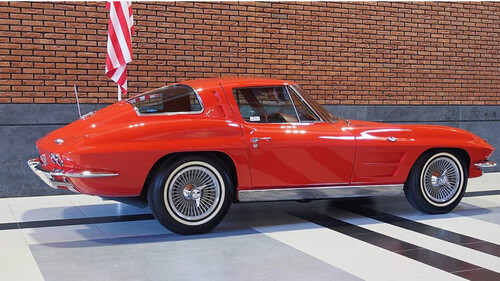
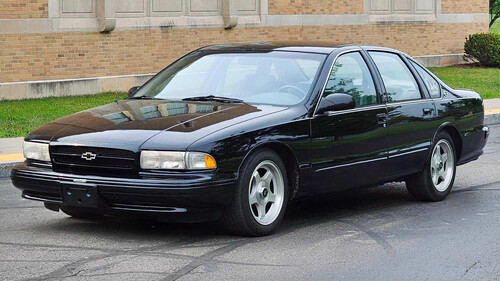
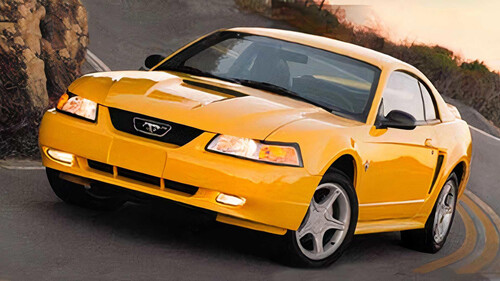
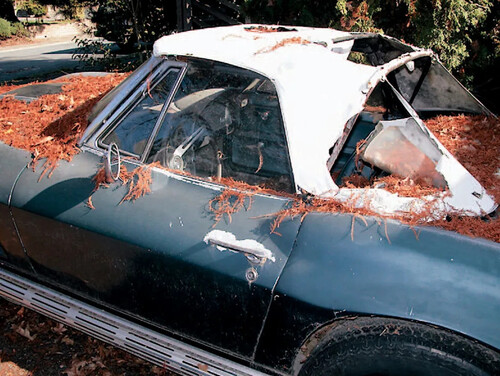
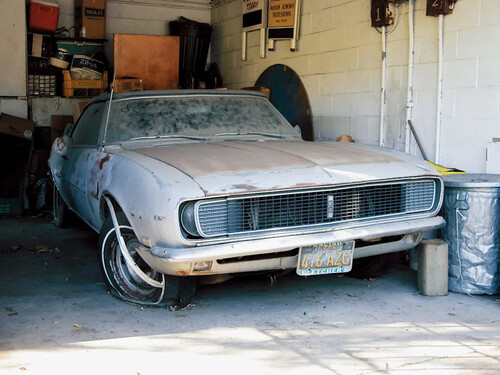
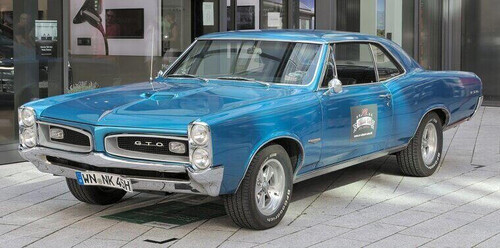
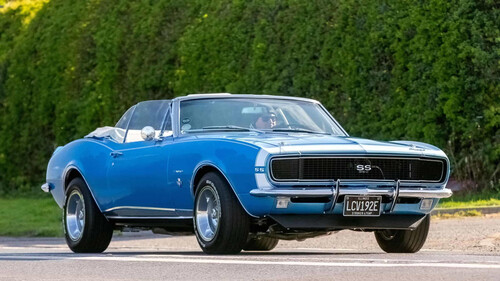
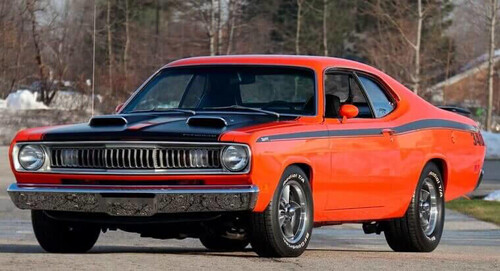
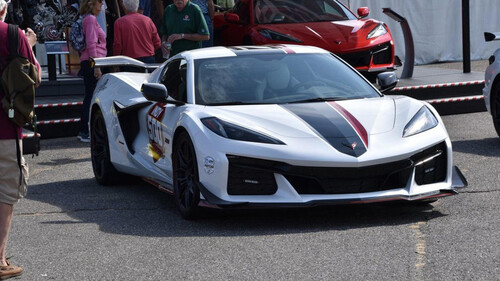
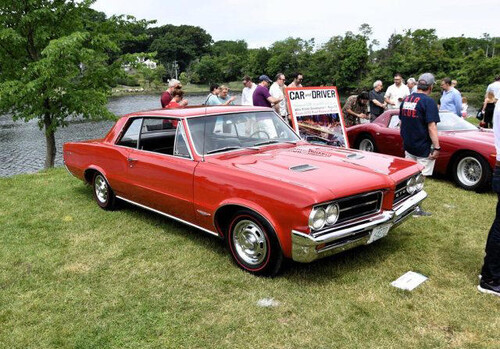
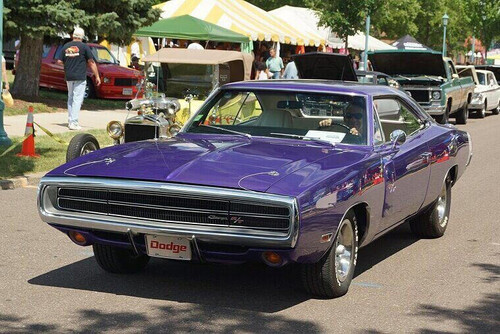
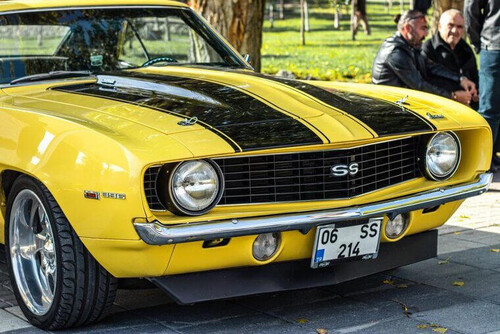
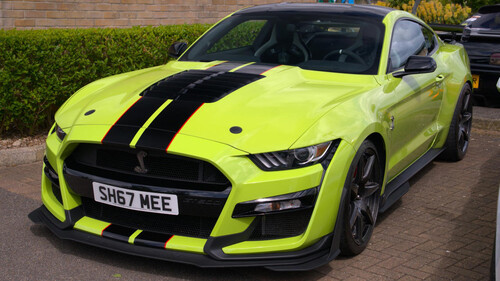
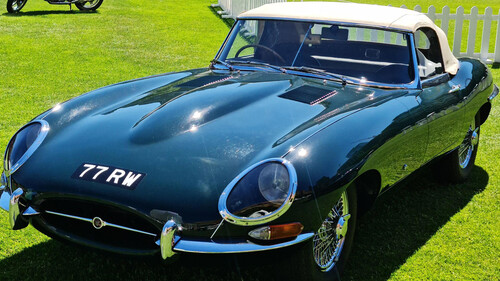
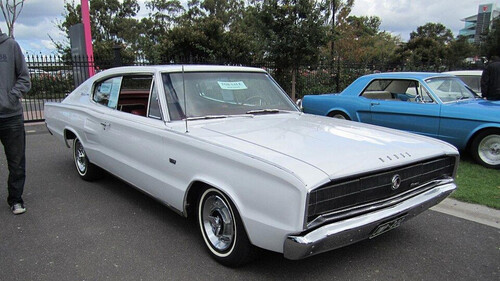
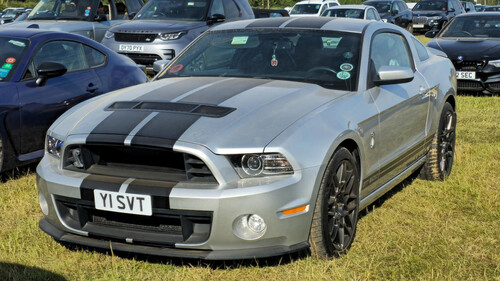
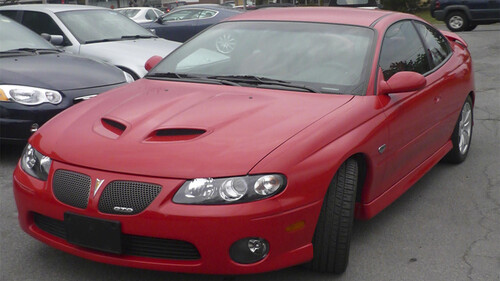
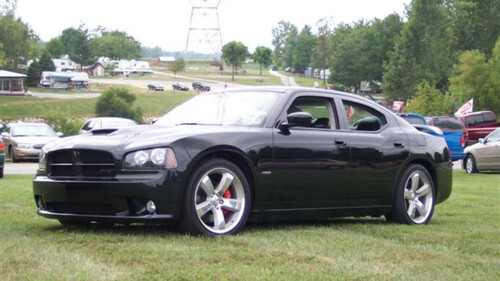
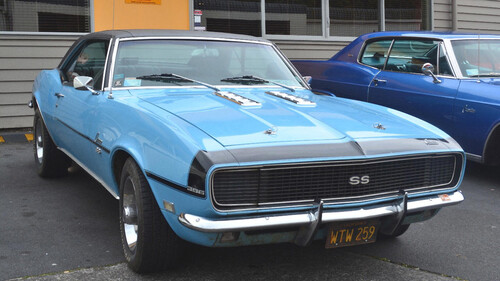
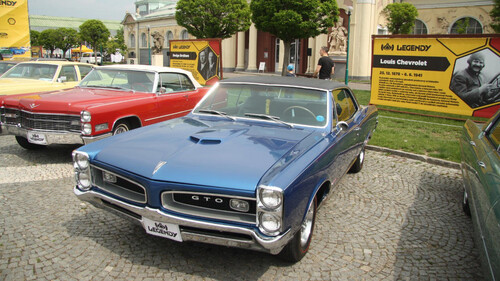
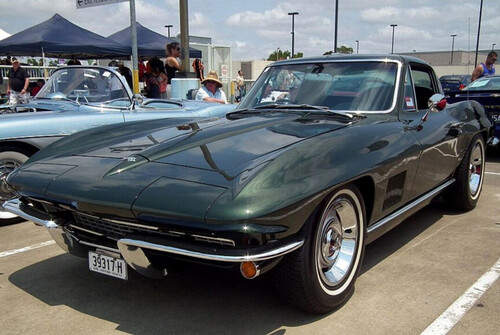
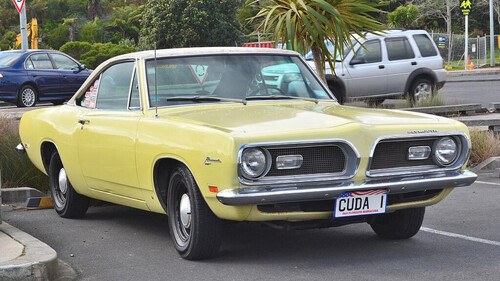
20 Most Popular Cars of the 50s-70sThe three decades between 1950 and 1979 produced some of the most recognizable vehicles ever built. These were the years when the automobile stopped being a practical appliance and became something closer to a cultural statement. Chrome fins stretched longer. Engines grew bigger. The open road felt genuinely open, and the car you drove said something about who you were or who you wanted to be. Some of the machines from this era were elegant. Some were excessive. A few were both at the same time. All of them sold in enormous numbers and left marks on popular culture that have never quite faded.Chevrolet Bel AirThe Bel Air defined American automotive aspiration through most of the 1950s. It arrived in 1950 as a trim level of the Chevrolet Styleline and became its own model in 1953, quickly establishing itself as the car middle-class America wanted in its driveway. The 1957 model — with its prominent tail fins, chrome grille, and two-tone paint options — became the most iconic version and remains one of the most photographed American cars of any era. It sold in the hundreds of thousands annually throughout the decade. The Bel Air represented exactly what postwar prosperity looked like to ordinary families: affordable, attractive, and thoroughly American.Ford ThunderbirdFord introduced the Thunderbird in 1955 as a direct response to the Chevrolet Corvette, positioning it as a personal luxury car rather than a pure sports car. The two-seat original is the version collectors prize most highly today, but Ford switched to a four-seat design in 1958 to chase higher sales volumes — a decision that proved commercially smart even if purists complained. The Thunderbird sold extremely well through the late 1950s and into the 1960s, and it established the personal luxury segment that other manufacturers would spend the next two decades chasing. The name alone carried enough weight that Ford kept it alive through multiple generational reinventions.Volkswagen BeetleThe Beetle’s American sales story is one of the most improbable in automotive history. A German economy car designed before the Second World War, it arrived in the US market to initial indifference and then, through clever advertising and genuine mechanical reliability, became a cultural phenomenon. By the late 1960s, the Beetle had become the vehicle of choice for a generation that was deliberately rejecting the excess of American automotive culture. The 1972 Beetle surpassed the Ford Model T’s production record, making it the most produced car model in history at that point. Its association with the counterculture gave it a longevity that pure sales numbers alone cannot explain.Chevrolet CorvetteThe Corvette launched in 1953 as America’s answer to European sports cars, though the early fibreglass-bodied models were underpowered and received a lukewarm reception. The 1956 redesign and the subsequent introduction of V8 power changed the conversation entirely. Through the late 1950s and the 1960s, the Corvette became a genuine performance car that could hold its own against European competition, and it developed a devoted following that has sustained it through every subsequent generation. The C2 Sting Ray of 1963, with its split rear window and aggressive body styling, remains one of the most visually distinctive American cars ever produced.Ford MustangFew cars have a launch story as clean as the Mustang’s. Ford introduced it in April 1964 at the New York World’s Fair, and the public response was immediate and overwhelming. Dealers across the country reported crowds and waiting lists from the first day. Ford sold over 400,000 Mustangs in the first year of production — a record for a new model. The car created the pony car segment essentially by itself, triggering rapid competitor responses from GM and Chrysler. Its combination of attractive styling, reasonable price, and a long options list that let buyers personalize their purchase was a formula that the auto industry has been trying to replicate ever since.Chevrolet ImpalaThe Impala first appeared in 1958 as the top trim of the Bel Air and became its own model in 1959. Through the early 1960s, it was the best-selling car in the United States, a position it held for several years. The 1964 Impala SS convertible became particularly iconic. The car’s success came from its position in the market — aspirational enough to feel like a step up, but affordable enough for families to actually buy. The Impala went on to develop a second life in American culture through its association with West Coast lowrider traditions beginning in the 1960s, an association that keeps it visible and culturally relevant in ways few other cars from the era have managed.Pontiac GTOThe GTO arrived in 1964 and is widely credited with creating the muscle car segment. Pontiac engineers essentially dropped a large-displacement V8 engine into a mid-size Tempest body, added performance suspension, and gave it an aggressive name borrowed from the Ferrari racing car. GM’s management had reservations about the project, and it was launched somewhat quietly as an option package rather than a separate model. It sold 32,000 units in its first year — more than five times what Pontiac had projected. Competitors rushed to respond. The GTO established that American buyers would pay for straightforward, accessible performance in a family-sized body, and the muscle car era that followed ran directly from that insight.Ford GalaxieThe Galaxie served as Ford’s full-size flagship through much of the 1960s. It was large, comfortable, and powerful, offering buyers a range of engine options that included some genuinely serious performance variants. The Galaxie 500 XL was Ford’s attempt at the personal luxury market, while the 427-equipped versions were competitive drag racers that Ford used to generate performance credibility across the showroom. Sales were consistently strong through the decade, and the Galaxie anchored Ford’s full-size lineup during the years when full-size cars were the centre of the American market.Plymouth BarracudaThe Barracuda arrived two weeks before the Ford Mustang in 1964, making it technically the first pony car — though it rarely gets credit for the distinction. The early versions were mechanically underpinning a Valiant, and the fastback greenhouse that defined the first generation was striking if polarising. The 1970 redesign produced what many consider the most aggressive-looking American car of the muscle car era, particularly in the Cuda variant with the massive 426 Hemi engine. The ‘Cuda has become one of the most collectible American cars of any period, with high-specification examples selling for extraordinary sums.Dodge ChargerThe Charger arrived in 1966 and went through a transformative redesign in 1968 that produced one of the most recognizable silhouettes in American automotive history. The fastback roofline, the recessed rear window, the long hood — the 1968-70 Charger’s proportions became the defining image of American muscle. Its starring role in Bullitt and later The Dukes of Hazzard gave it a pop culture presence that kept it famous long after the muscle car era ended. The R/T version with the 440 Magnum or 426 Hemi engine was among the fastest American production cars of its era.Chevrolet CamaroGM’s response to the Mustang took until 1967 to arrive, but the Camaro made a strong impression from its first year. The Z/28 package, developed partly for Trans-Am racing homologation, gave the Camaro genuine performance credibility, and the SS models provided the visual drama that buyers wanted. The Camaro outsold the Mustang in some years during the late 1960s and established itself as a genuine competitor rather than a copycat. The first-generation model, running from 1967 to 1969, remains the most sought-after among collectors. The 1969 in particular has become one of the most valuable American muscle cars on the restoration market.Jaguar E-TypeEnzo Ferrari reportedly called it the most beautiful car ever made. The E-Type launched at the Geneva Motor Show in 1961 and caused something close to a sensation. Its long bonnet, aerodynamic body, and independent rear suspension set it apart from anything else on the market, and its price made it accessible to buyers who could not afford a Ferrari or an Aston Martin. The Series 1 with the 3.8-litre engine is the version most prized today. The E-Type defined what a British sports car could be and influenced automotive design well beyond its own segment. Its silhouette remains immediately recognizable to anyone with even a passing interest in cars.Mini CooperThe original Mini arrived in 1959, and the Cooper performance variant followed in 1961. The car’s transverse engine and front-wheel-drive layout packed genuine interior space into an impossibly small exterior — an engineering achievement that influenced small car design globally for decades. The Mini Cooper’s performance and handling made it a serious competition car, winning the Monte Carlo Rally three times in the 1960s. It was classless in a way few British cars managed — equally at home driven by a factory worker or a film star. Its cultural presence in the 1960s, amplified by its role in The Italian Job, was enormous.Ford FalconThe Falcon launched in 1960 as Ford’s entry into the compact car segment, a response to growing consumer interest in smaller, more economical vehicles. It sold extremely well in its early years and became the basis for the Mustang’s development. In Australia, the Falcon took on a separate identity entirely, becoming the dominant full-size family car in that market and spawning a performance tradition through the GT variants that remains culturally significant to Australian car culture today. The original American Falcon’s clean, simple styling represented a deliberate move away from the excess of 1950s design.Pontiac FirebirdThe Firebird launched in 1967, the same year as the Camaro, and shared its basic platform. But Pontiac gave it its own styling and personality — more expressive, more overtly aggressive. The Trans Am variant, introduced in 1969, became the performance flagship and grew in cultural significance through the 1970s when muscle car performance was being squeezed by emissions regulations and insurance costs. The 1977 Burt Reynolds film Smokey and the Bandit put a black and gold Trans Am on cinema screens around the world and gave the car a popular culture presence it has never entirely lost.Dodge ChallengerThe Challenger arrived in 1970 as Dodge’s entry into the pony car market, built on the larger E-body platform that gave it more interior space than the Mustang or Camaro. It was offered with a wider range of engines than almost any competitor, from the basic slant-six through to the fearsome 426 Hemi. The R/T SE and the T/A variants represented the top of the performance range. The Challenger arrived late in the muscle car era — fuel crises and insurance rate increases were already beginning to squeeze the market — and its production run was relatively short in the original generation. That rarity, combined with its styling, has made it one of the most valuable collector cars from the period.Toyota CorollaThe Corolla launched in Japan in 1966 and arrived in the US market in 1968. Its significance in the 1970s American market is hard to overstate. While domestic manufacturers struggled with quality control, emissions compliance, and fuel economy in the aftermath of the 1973 oil crisis, the Corolla offered buyers a reliable, economical, well-built alternative that required far fewer trips to the garage. It became the best-selling car in the world in 1974 and held that position for years. The Corolla’s success opened the American market to Japanese manufacturers in a way that permanently changed the industry’s competitive landscape.BMW 2002The 2002 arrived in 1968 and introduced many American buyers to the idea that a small European sedan could be genuinely enjoyable to drive. It was not fast in absolute terms, but its handling, steering feedback, and the way it communicated with the driver were unlike anything available at a similar price from domestic manufacturers. Car and Driver magazine’s enthusiastic coverage of the 2002 helped establish BMW’s American reputation as a driver’s brand — an identity the company has built its marketing around ever since. The 2002 is largely responsible for the phrase “the ultimate driving machine” having any credibility at all.Datsun 240ZThe 240Z launched in 1969 and offered buyers a sports car with genuine performance at a price significantly below the European alternatives. Its long nose, short tail, and clean lines were attractive without being ostentatious. The inline-six engine was smooth and willing. And unlike many sports cars of the era, it was reliable and easy to service. American buyers responded enthusiastically — the 240Z outsold every other sports car in the US market during its production run. It established Datsun, later Nissan, as a serious player in performance vehicles and began a tradition of Japanese sports cars that ran through the 300ZX, the Supra, and eventually the Skyline.Chevrolet NovaThe Nova occupied a specific and important position in GM’s lineup through the late 1960s and 1970s — a compact car that could be ordered with serious performance equipment for buyers who wanted muscle car capability without muscle car size or price. The SS 396 variant gave buyers a 396 cubic inch V8 in a small, relatively light body, producing performance figures that compared favourably with larger muscle cars. The Nova was also one of the cars that survived the transition from the muscle car era into the mid-1970s more successfully than most, adapting to tighter regulations while retaining a practical footprint that buyers found useful.When the road felt differentLooking at these twenty cars together, what stands out is how much the relationship between drivers and their vehicles has changed. These were cars you felt. The steering told you what the road was doing. The engine note changed with throttle input in ways that communicated speed and effort directly. Owning one of these required attention — regular maintenance, careful management of a carburetor in cold weather, and awareness of how much fuel a large V8 was consuming.None of that felt like a burden at the time. It felt like participation. The cars from this era that people still restore, still race, and still argue about online are not just nostalgic objects. They represent a particular idea of what driving was supposed to feel like, and enough people still find that idea compelling to keep these machines alive and moving.