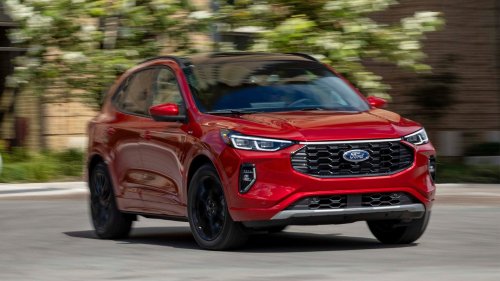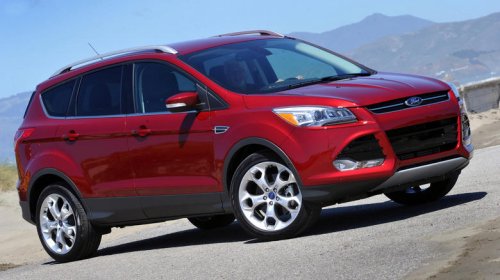
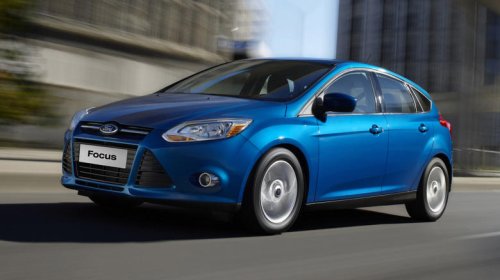
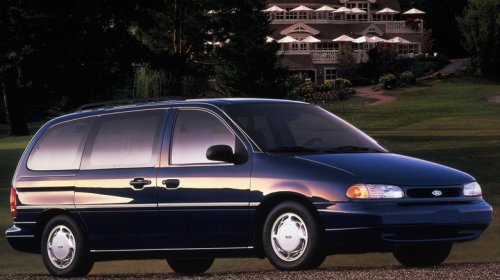
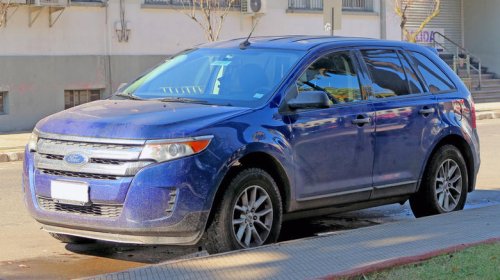
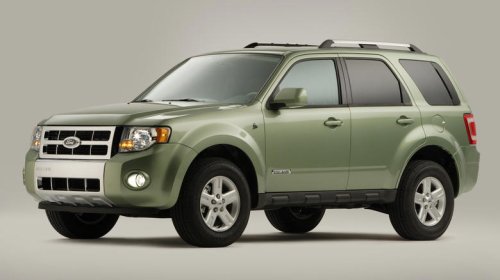


















2013 Ford EscapeIn December 2012, as the first owners were just starting to put miles on their freshly delivered 2013 Ford Escapes, the automaker issued a recall because of a defect in the coolant system. The system could leak and either cause the engine to overheat or, in severe cases, start a fire. The recall covered just over 80,000 cars, with Ford promising to reprogram the vehicle's control module to prevent overheating and also check for any signs of leaks. Unfortunately, it seems that the initial recall didn't go far enough.The NHTSA has recorded over 1,000 complaints regarding engine trouble, with many stemming from coolant leaks. Many of those reports stated that the car was not fixed as repairs were deemed too significant or too costly. A significant number of these reports are recent, but as of this writing, no further investigation or recall has been launched.However, the car is subject to plenty of other recalls, including a 2012 recall that the NHTSA marks as urgent thanks to the significant potential danger it poses. That recall involves a defective fuel line, which could cause a fire in the engine bay. In total, the 2013 Escape has 17 recall notices recorded by the NHTSA, including recalls for a defective latch that could cause the doors to open while driving, a missing shifter cable bushing that could cause the car to roll away, and incorrect engine wiring that could cause the vehicle to stall.2014 Ford FocusThe 2014 Focus suffers from the same transmission issues as other models in its generation, and although it hasn't racked up quite as many complaints to the NHTSA as the 2012 model, it's still a poor performer. Having a failure-prone transmission is enough of a reason to stay away from the model by itself, but owners of the 2014 Focus also report several other issues with the car. Like the 2012 model, the 2014 model is known to suffer from steering system issues, with drivers reporting that the steering will become difficult to turn or seize up altogether.The car was also included in a recall involving a faulty door latch, which affected a number of Ford and Lincoln models built between 2011 and 2016. The recall was issued in 2020 and described how, if the latch broke, the car's doors could potentially open while the owner was driving. Another recall involved the car's canister purge valve, which was liable to break because a previous recall wasn't carried out properly on a significant number of cars. These recalls are just a few of the 12 total recalls issued for the model to date.1995 Ford WindstarFew things are more frustrating for car owners than when a problem persists even after multiple attempts to fix it. It's a common theme among owner complaints about the 1995 Ford Windstar — owners would take the car to a dealer or garage, a mechanic would come up with a fix, and then shortly after, the same problem would happen again. In the Windstar's case, most of these problems concerned the engine. Given the age and subsequent resale value of a 1995 Windstar today, it's safe to assume that most owners wouldn't bother with any costly engine fixes. They'd simply write the car off entirely, although a better option is not to buy one in the first place.Even leaving aside the Windstar's engine woes, it's still far from reliable. The car has been subject to eight recalls since its launch, with the most recent of those being in 2009. An issue was found with the car's speed control deactivation switch, which could cause overheating and potentially vehicle fires, even without the engine running. The recall was wide-ranging and affected a range of popular Ford models built from the late '90s to mid '00s. Combine that with the car's other recalls and its reputation for engine trouble, and the result is a car that's definitely worth avoiding.2013 Ford EdgeElectrical defects can mean that a car fails to start or loses power while on the road, but issues with the brakes can mean that drivers are faced with the inability to properly stop their car when driving at speed. The 2013 Ford Edge suffers from both issues, according to complaints lodged with the NHTSA, plus a number of other faults. As of this writing, many of the recent complaints involve the car's brakes, with owners noting a hissing noise coming from their brakes and a sharp reduction in braking power. Multiple reports say mechanics have traced the issue back to a brake booster, but in some cases, the problem has reappeared even after the part has been replaced.The car's electrical faults are equally concerning, with owners alleging a variety of issues, including persistent warning lights and infotainment system glitches. Many of those reports say that the car's door ajar light remains on at all times, and the NHTSA has previously investigated the issue. The agency spent several months investigating the reports between 2016 and 2017, but ultimately concluded that the fault did not present a safety risk, and so no further action was taken.2008 Ford EscapeBy far the most common complaint about the 2008 Ford Escape is that its steering can stiffen or seize, often with no prior warning. Ford issued a recall regarding the loss of power steering back in 2014 — one of six total recalls for the car — but it seems that a proportion of affected cars were not included in the recall. That has left drivers needing to pay for the cost of repairs themselves, if they decide that it's economical to repair the problem at all.Even drivers who haven't been stopped in their tracks by the power steering system have had to deal with other issues, including problems with the car's anti-lock braking system (ABS). Some reports have pinned the blame on the car's hydraulic control module, but those same reports note issues with finding a replacement module. Other drivers have called out the car's transmission as being problematic, with some alleging that the vehicle has slipped during shifts or disengaged from gear entirely and rolled away while parked.