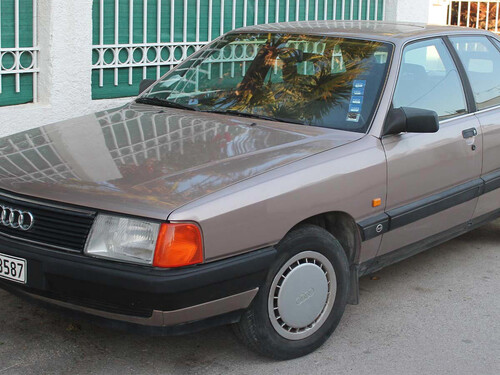
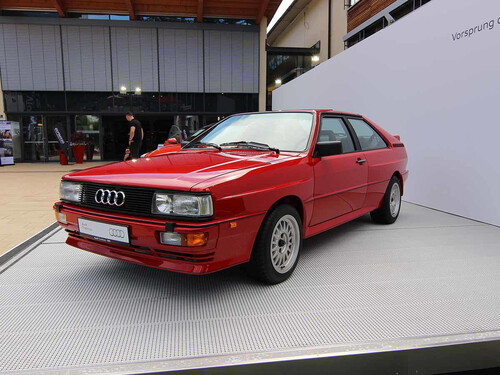
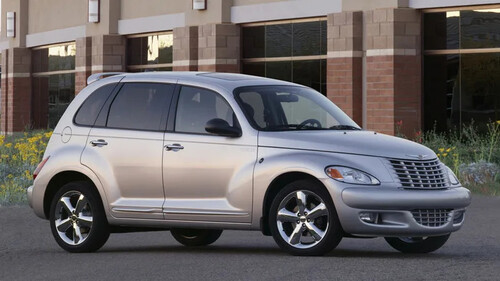
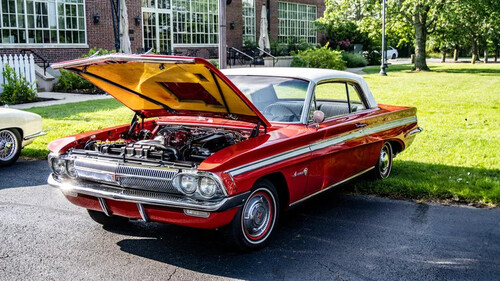
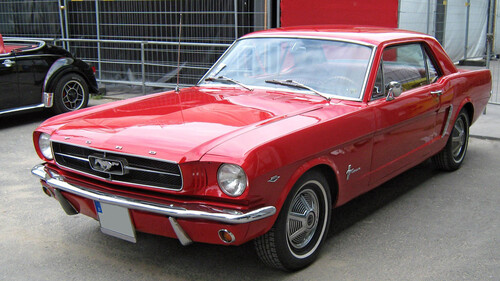
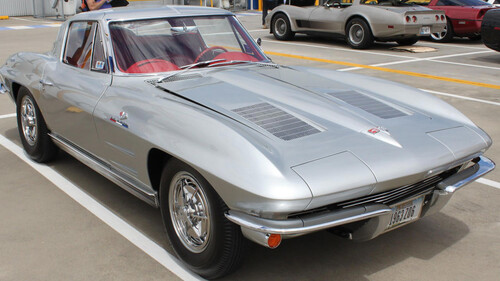
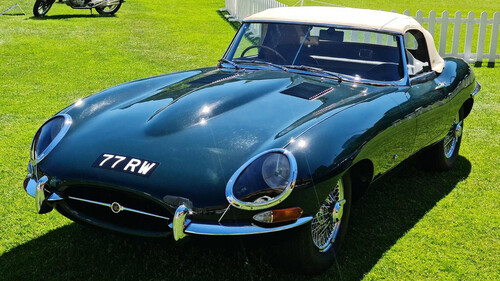
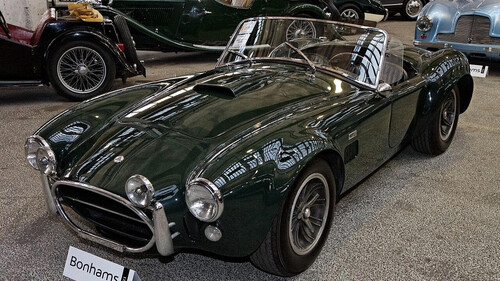
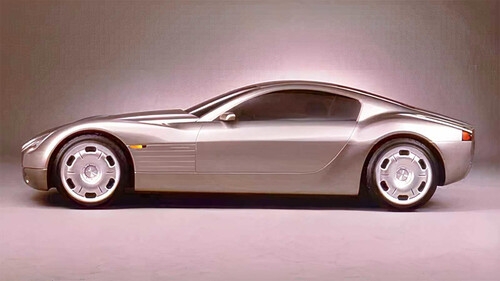
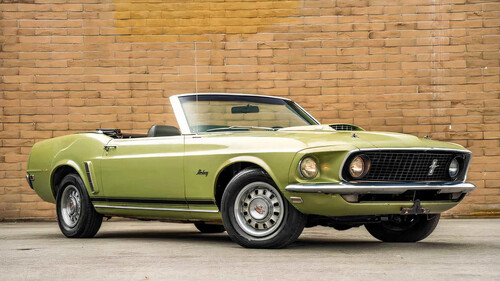
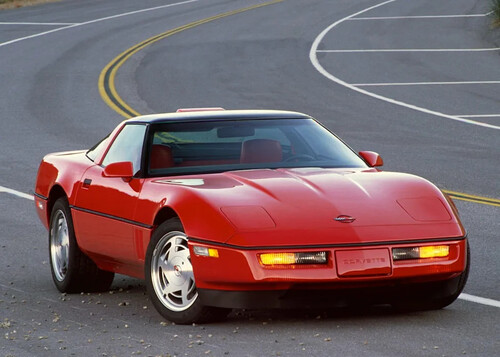
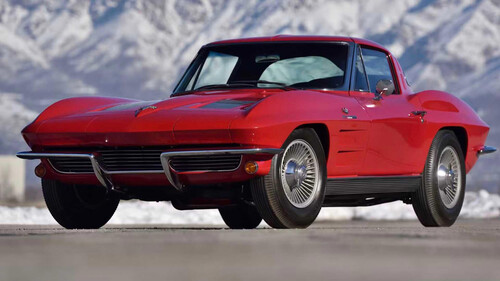
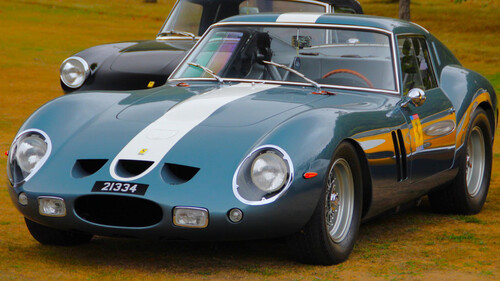
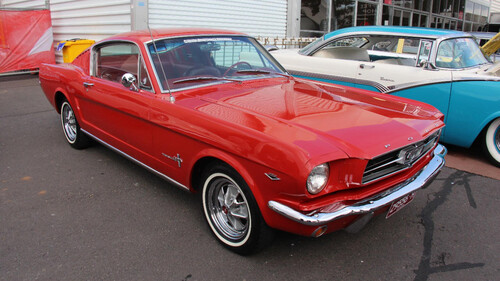
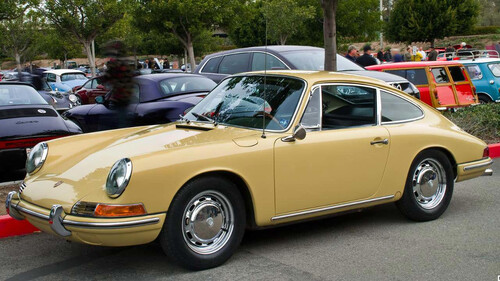
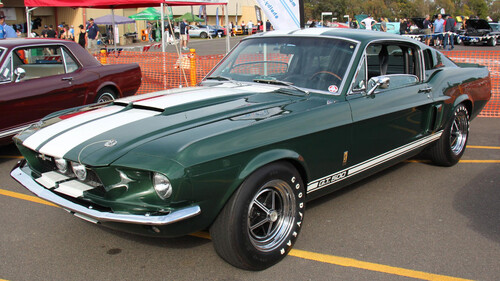
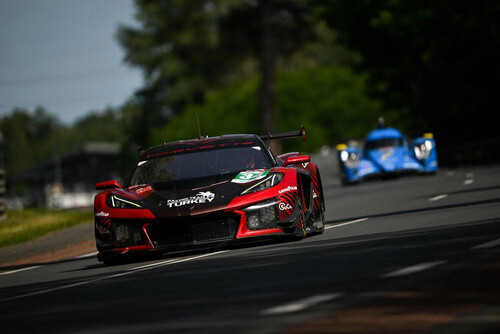
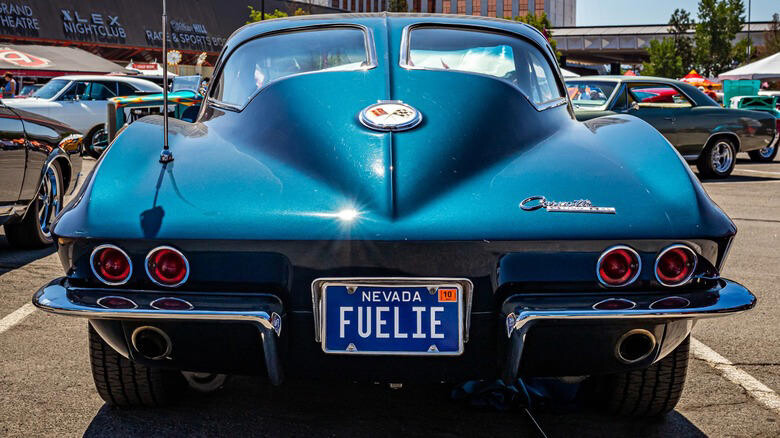
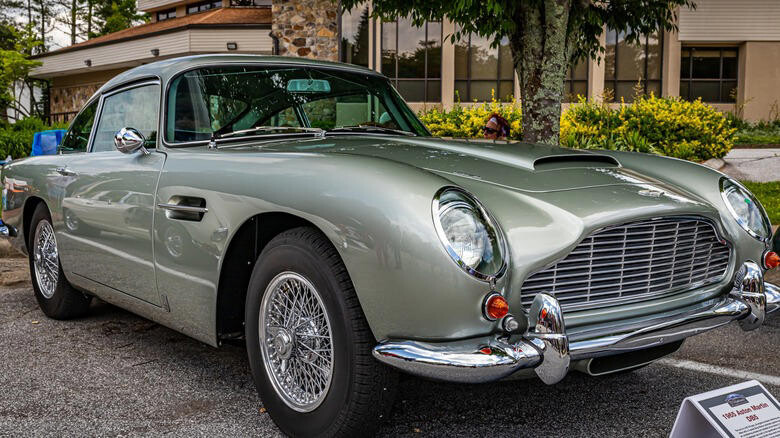
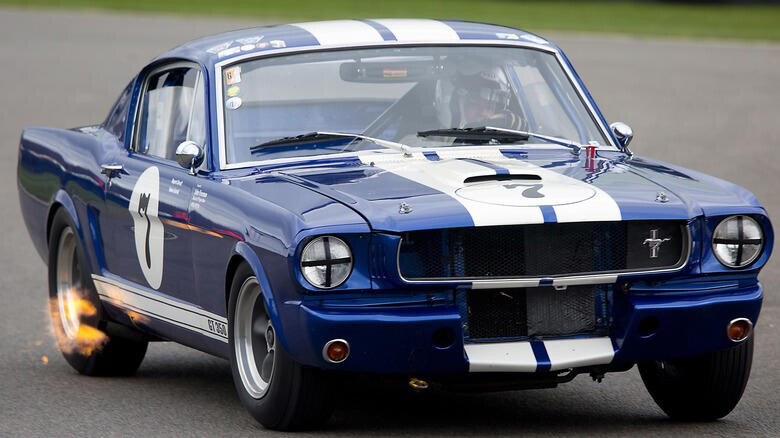
Caleb Campbell · 5 months ago@calebcampbell3812 of the most beautiful vintage cars every collector wants Liked by+22 othersAston MartinAston Martin DB5ChevroletChevrolet CorvetteFordFord MustangPost commentRelated PostsThe 20 ugliest cars from the '70s 15 · Adam Gagnon · 4 months agoEvery F1 Driver’s Road Car at the 2026 Canadian Grand Prix – From Hamilton’s Ducati to Leclerc’s Ferrari SUV 53 · Parker Moreau · 4 months agoI Drove The 2027 GMC Canyon: Can It Really Challenge the Tacoma?Abigail Lavoie · 3 days agoRare Rides Icons: The Ford Taurus, Modernizing Family Transportation (Part VIII)Adam Gagnon · 2 days ago10 vintage cars that became icons without trying 80 · Gabriel King · 5 months agoModified Aston Martin DB9 Combines Corvette V8 Power With Bond-Inspired Flamethrower Gadgets 70 · Connor Côté · 4 months ago5 of the fastest muscle cars you can buy at auction this weekendThomas Morgan · 2 days agoCars Every Little Boy Wanted in the ‘60s and ‘70s 38 · Mason Roy · 12 months agoThe 2027 GMC Sierra 2500 HD Has Officially Cracked $100,000Matthew Lewis · 4 days agoNo-Reserve 2019 Ford GT '68 Heritage Edition Heads to Barrett-Jackson ScottsdaleNathan Lewis · 2 days ago9 classic cars that are getting harder to find every year 58 · Amelia Hall · 5 months agoThe coolest cars of the 1980s—car enthusiasts still talk about these 66 · Owen Martin · 4 months ago5 Cars You Might Not Expect To Have TurbochargersCharlotte Mitchell · 2 days agoLive Auctions Under $20K: Evo X Final Edition, Pajero Evolution, DB7 Volante and MoreCharlotte White · 6 days ago2027 Chevy Silverado HD Prices Rise Across The LineupJackson Leblanc · 4 days ago6-Inch Ford F-150 Lift Kit Blamed in Wrongful Death LawsuitVictoria Poirier · 2 days ago10 iconic cars from the 1960s that defined performance 85 · Ethan Bouchard · 5 months ago10 Of The Greatest Rebadged Cars Of All Time 84 · Mason Morgan · 1 years agoDo You Really Need a 3-Row SUV? 12 of the Best Mid-Size SUVs Show a 5-Seater SUV Can Do It AllNicole Brown · 6 days agoGM and Bob Lutz strangled America's 600-HP V12 Ferrari rival over a $4 share price 11 · Mia Tremblay · 16 days ago


 +22 others