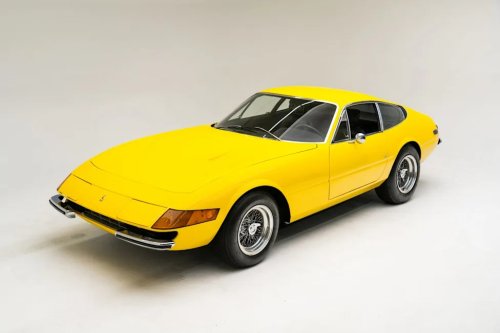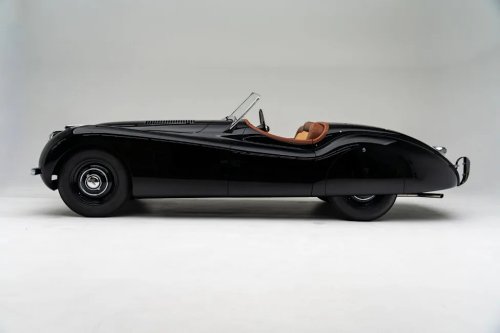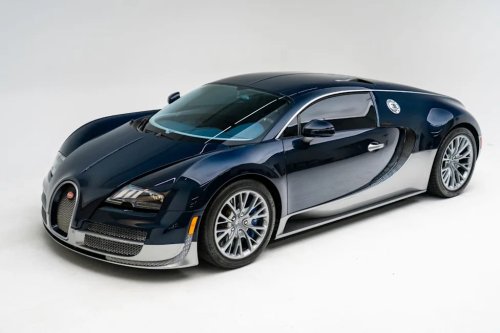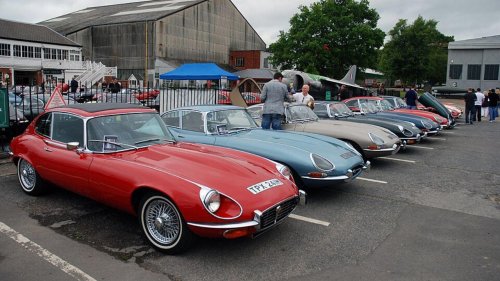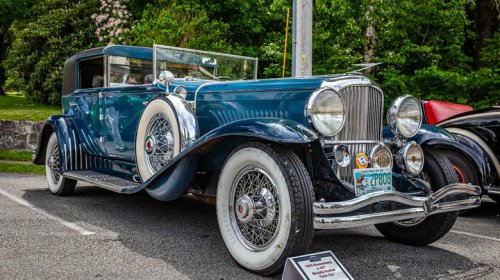
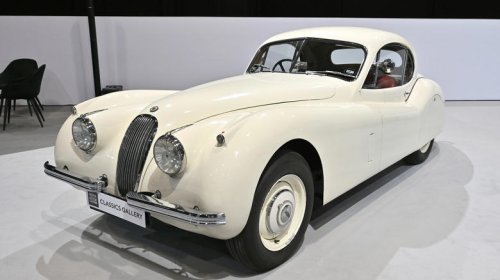
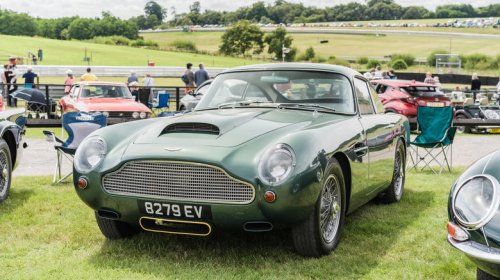
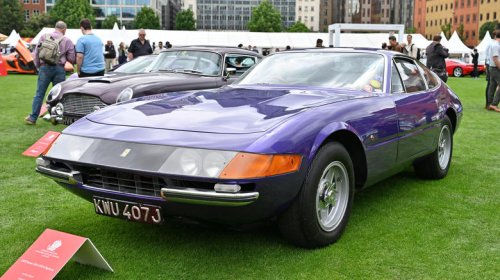
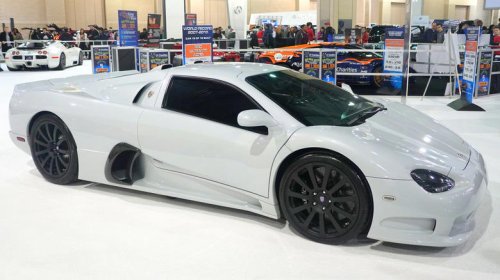



















1920s: Duesenberg Model JThe Roaring Twenties allowed multiple industries to expand at an unprecedented rate, and the automotive industry was no different. By this point, cars were no longer a new invention, and key manufacturers were constantly innovating models to give customers something they'd never seen before. Duesenberg was one of these manufacturers, which already had a solid standing within the luxury segment after the release of cars like the Model A in 1920. However, the bar was set by the Duesenberg Model J, which was released for the first time in 1928.Like many luxury cars from this era, the Model J was big. With a wheelbase of 142.5 inches stretched over a timeless design, the Model J offered plenty of space for its passengers inside. However, it was the size and power of the engine that truly set it apart. The Model J was powered by a massive 6.9L inline-eight cylinder engine, producing 265 HP, which was seriously impressive almost 100 years ago. It was also fitted with a three-speed transmission and could climb to 90 MPH in second gear. Overall, the Model J could reach a top speed of 116 MPH, becoming the fastest production car of the 1920s and capturing the racing spirit that made Duesenberg so popular.1940s: Jaguar XK120Ever since Jaguar was founded as the Swallow Sidecar Company in 1922, performance has remained a pillar of the iconic British brand. Towards the late 1940s, it wasn't uncommon for a brand's sports cars to enter various motorsport series to bolster its reputation, which was the case for the Jaguar XK120 that debuted in 1948. A year later, the two-door sports car entered the 24 Hours of Le Mans, also competing in various other high-profile races such as the Pebble Beach Road Race, in which legendary racer Phil Hill won the first ever event behind the wheel of the Jaguar.The '48 Jaguar XK120 was the first model to use the brand's XK engine, which made it one of the fastest cars in the world at the time. The engine is a 3.4L six-cylinder, good enough to produce 160 HP. According to Jaguar, the XK120 has a top speed of 124.6 MPH, but during a test conducted by Motor Sport magazine in 1949, the sports car managed to reach 127 MPH flat out with the windshield fitted. Without it, the Jaguar went even faster, topping out at 133 MPH.1950s: Aston Martin DB4 GTAlongside Jaguar, Aston Martin is another iconic British brand that shaped the performance scene of the mid-20th Century. Founded some years earlier in 1913, Aston Martin already had plenty of incredible cars to its name before the 1950s, and the release of the DB4 grand tourer in 1958 only added to the list. The base model came with a 3.7L DOHC straight-six engine, producing a solid 240 horsepower and an equal amount of torque per pound-foot. However, the following year, the racing-focused DB4 GT was unveiled.The 1959 Aston Martin DB4 GT came with multiple upgrades, with this version coming with a shorter platform and lower weight, alongside upgrades to the already potent engine. Three Weber carburetors were added to the 3.7L under the hood, which increased the overall power output to 302 horsepower, allowing for a top speed of 160 MPH. This quickly made the DB4 GT the fastest production car on the road — a production run that was limited to just 94 models overall. The renowned grand tourer ran from 1959 to 1963, being discontinued to make way for the DB5.1960s: Ferrari 365 GTB/4By the 1960s, Ferrari was already one of the most established automakers on the planet. Before it produced performance cars, the brand's name can be traced back to 1929 when Enzo Ferrari founded the racing team, Scuderia Ferrari, which produced many of Alfa Romeo's racecars in the 1930s. In 1947, the 125 S was released, which was the car that started Ferrari's line of production cars that continues today. The brand had many high points, but very few come close to the 1968 GTB/4, frequently called the Daytona, which became the fastest production car of its time.Ferrari was already famous for its usage of V12 engines in its road cars, with the Ferrari GTB/4 featuring the very best of the bunch when it became available towards the end of the decade. The grand tourer was fitted with a 4.4L V12, complete with six Weber carburetors to achieve an overall power output of 352 HP. At its peak, Ferrari says that the GTB/4 can reach a top speed of 174 MPH, beating out every car from the Italian automaker that came before it on its way to becoming the fastest production car available.2000s: SSC Ultimate Aero TTWhen SSC revealed the Ultimate Aero in 2004, the brand didn't have the same legacy and recognition as many of the other brands featured on this list. While the standard Ultimate Aero model wasn't the fastest car in the world soon after it released — that record belonged to the legendary Bugatti Veyron, which set a top speed of 253.81 MPH in April 2005, dethroning the Koensigegg CCR in the process that managed to reach 241 MPH in February of the same year. However, in 2007, SSC introduced the Ultimate Aero TT, the twin-turbocharged variant of the base 2004 supercar.The addition of these turbochargers increased the power output of its 6.3L V8 engine to 1,183 HP and 1,094 LB-FT. In a test verified by the Guinness Book of World Records, the SSC Ultimate Aero TT reached a top speed of 256.2 MPH, becoming the world's fastest car by another small margin. The Ultimate Aero TT's record lasted longer than the Koenigsegg CCR's, but was eventually bested by the Bugatti Veyron Super Sport in 2010, which reached 268 MPH.