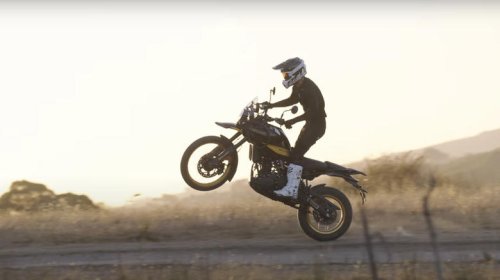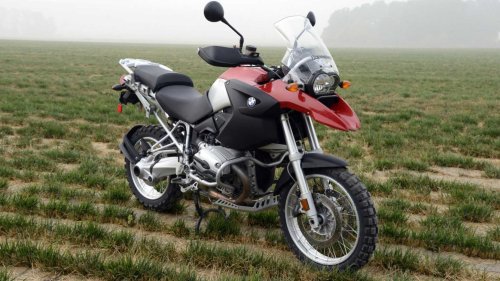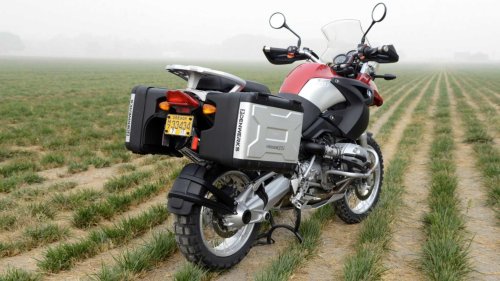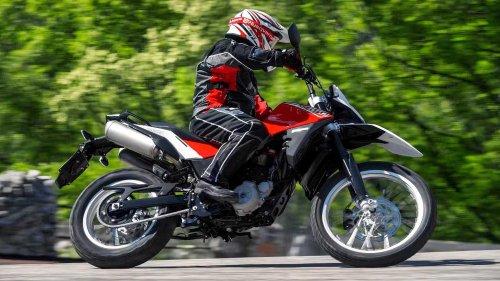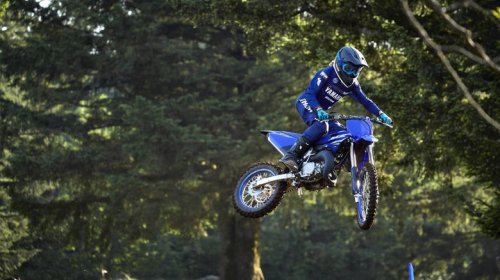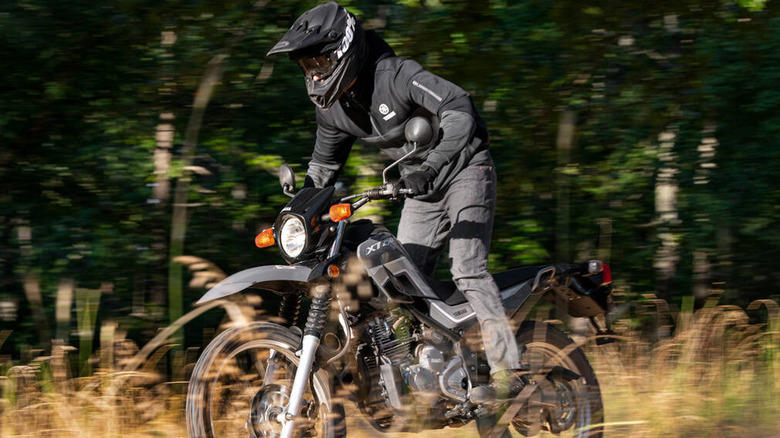
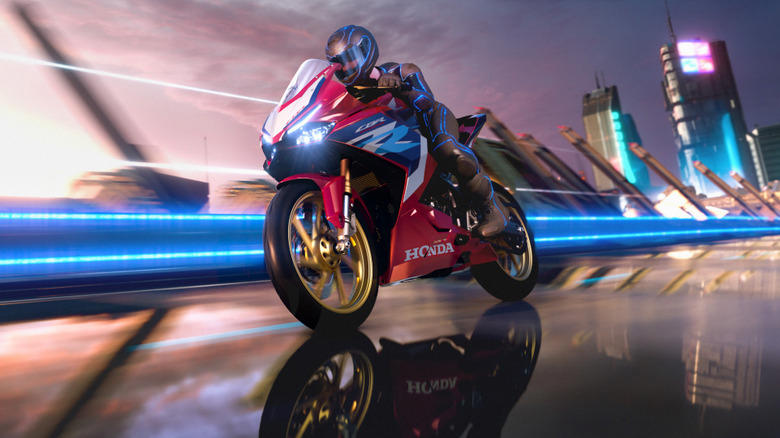



















9. Yamaha XT250 - 70 mphThe XT250 celebrated its 45th anniversary in 2025, having been launched way back in 1980 as a trail-slash-off-road bike. It was actually Yamaha's first four-stroke 250cc dual-purpose offering, and is fondly nicknamed the Serow. When it was introduced, the XT250 came with a monocross suspension while the rest of the class was still very much using twin shocks as the standard. This made the XT250 somewhat of an outlier in the 250cc trail bike class, but it eventually became popular among many different riding subgroups, from dirt-biking to woods-riding, and even enduro racing. Hollywood enthusiasts will be interested to learn that the XT250 was Sylvester Stallone's bike of choice in the 1982 film Rambo, in which he used it to pop a wheelie, jump over a railroad crossing, and disappear up a mountain. The XT250 has, as of 2020, been discontinued in many markets around the world, but continues to be available in the States, with prices starting at $5,499.The current model features a 249cc, single-cylinder four-stroke engine and has all the bits and bobs you'd expect a top-tier enduro bike to have, such as front and rear disc brakes, a 2.5-gallon fuel tank, a five-speed multiplate wet clutch system, and a single shock absorber at the rear with adjustable preload. Though it may seem underpowered to some, it actually manages to get up to a top speed of 70 mph, so the next time you see a humble XT250 on the motorway, always remember that it was good enough for John Rambo.4. Honda CBR250RR - 109 mphToday, the CBR250RR has a bottom power baseline near the Ninja 250, but because of its twin cylinders, it makes peak power comparable to the Ninja 300. Also, the more recent models of the CBR250RR actually put out power comparable to the 300 series by Honda. Undoubtedly, the CBR250RR is one of, if not the, most important bikes on this list. At the time it was revealed, laws in Japan made the 250cc class the most important, and every major manufacturer had two-stroke 250cc models. But most also had high-revving, rather vocal four-stroke versions of those models. At that point, the only way to make more RPMs without adding more strokes and valves, or sending a piston into orbit, was to make the pistons smaller. This cycle continued until we got to the CBR250RR of modernity that produces 42 hp (31 kW) at 13,000 RPM, and rockets to a top speed of 109 mph. Like the Ninja 250R, which was its main competitor, the CBR250RR also came with a slipper-assist clutch. You could tell that Honda was absolutely maxing out whatever they could within the category, as even the engine was only three-tenths of a cubic centimeter smaller than the 250cc limit. Unfortunately, none of the 250 models, other than some dirt bikes like the CRF line, were ever imported by Honda to the U.S., so finding an example worthy of upkeep would probably not cost less than five figures. Nonetheless, it's an impressive motorcycle that every enthusiast probably had on their bedroom wall at some point.