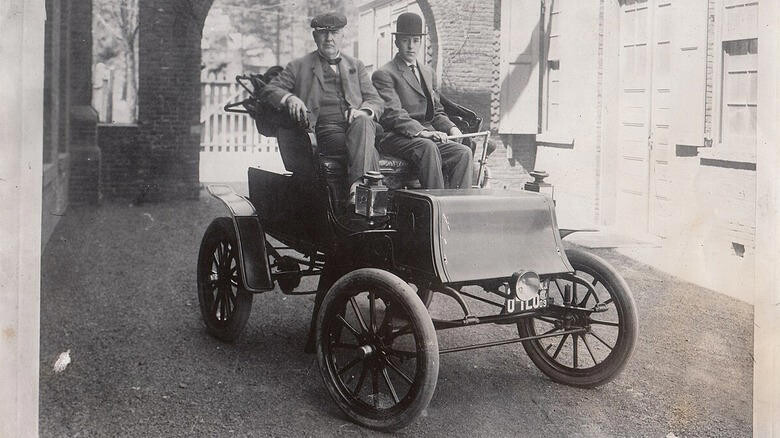
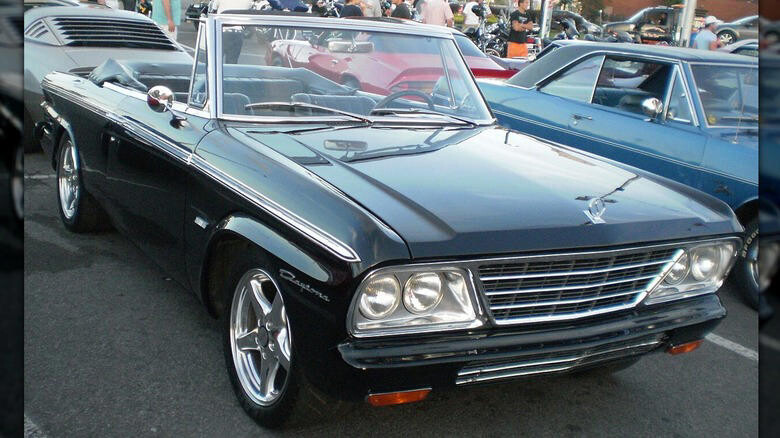
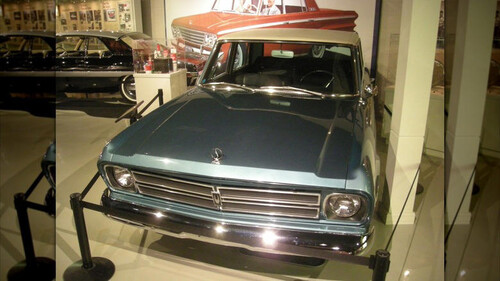
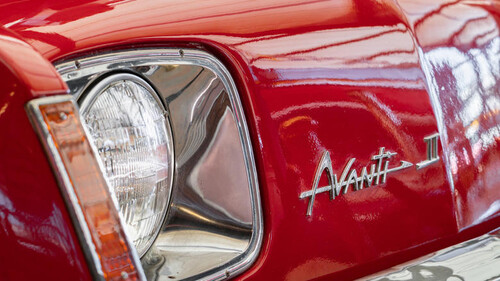
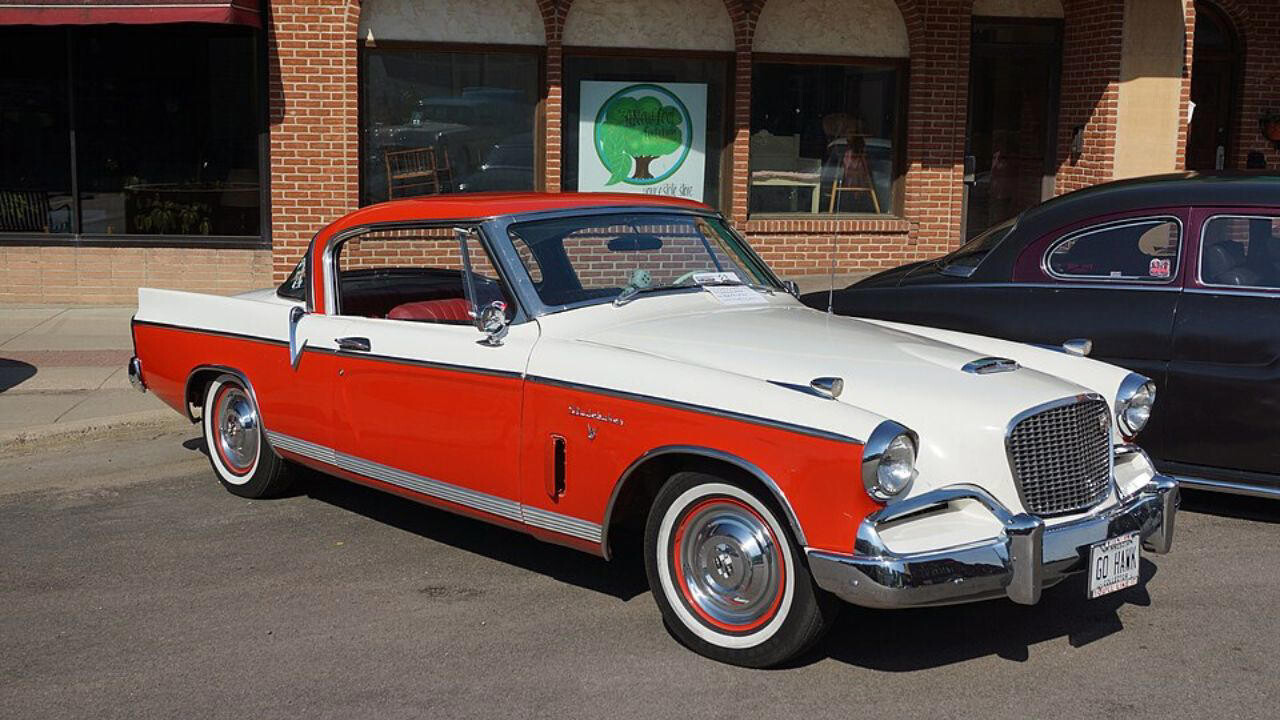
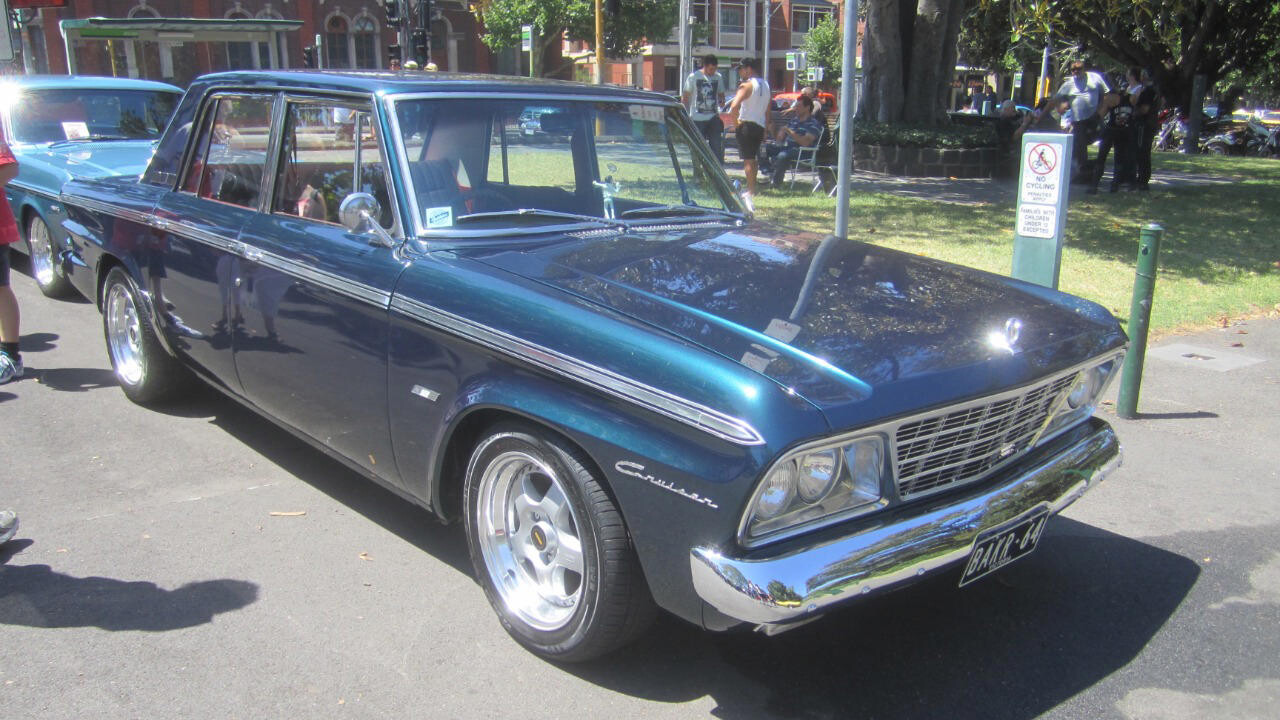
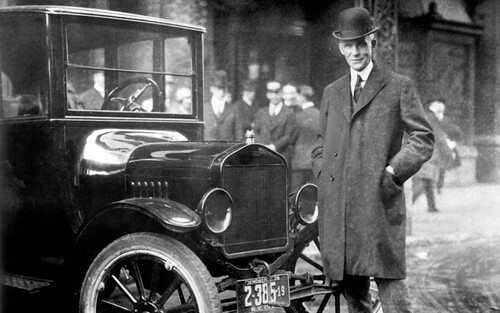
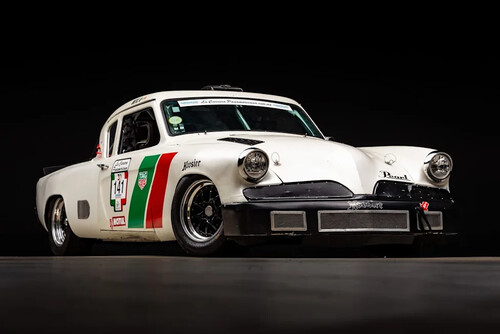
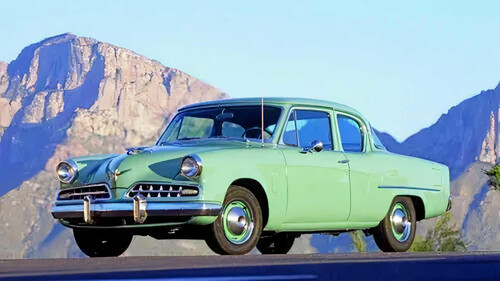
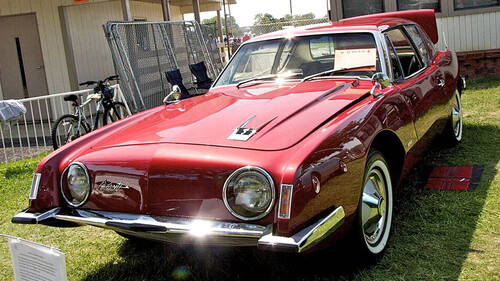
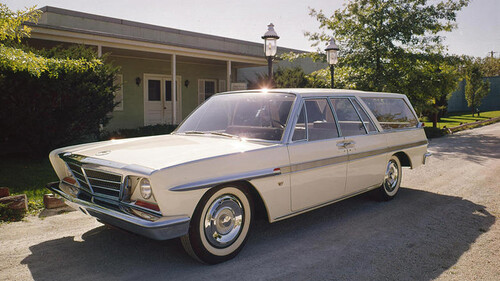
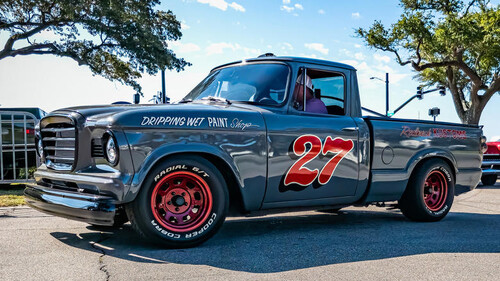
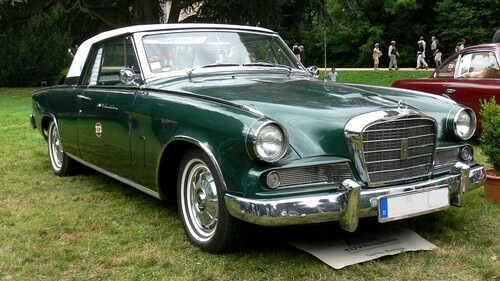
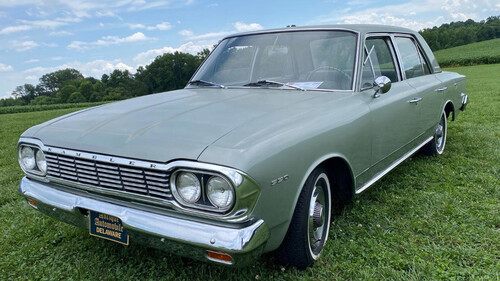
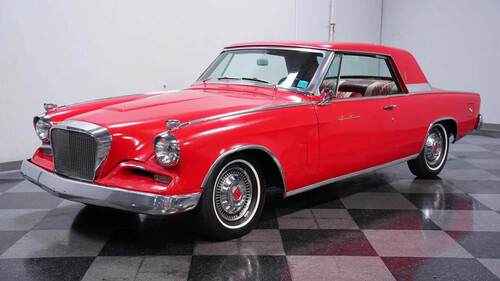
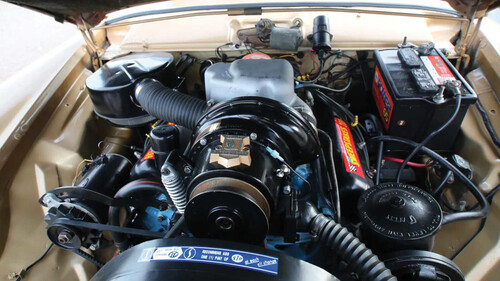
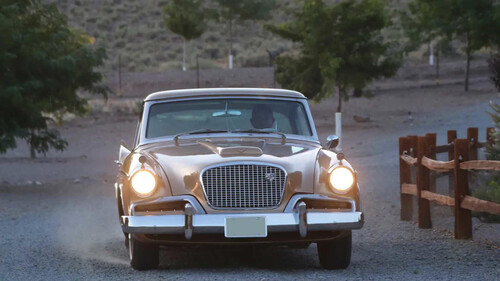
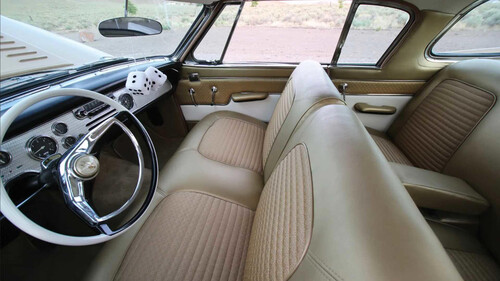
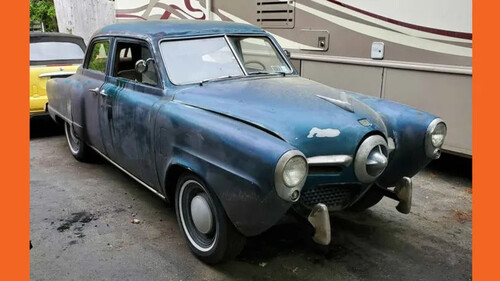
Automobile manufacturingWith the acquisition of an existing automaker complete, the Studebaker Corporation quickly set out to expand its lineup and develop new models with bigger engines and original designs. By 1913, Studebaker was the third largest American automaker, building vehicles in its Detroit plants gained through its acquisitions. Its early electric and single-cylinder models had been replaced by four- and six-cylinder models competitive with the most popular cars of the day. By 1920, horse-drawn carriage production had ended and all manufacturing shifted to its home base in South Bend, Indiana. This would continue to be the location of the company's headquarters until its final days.Before carriage production ended, Studebaker used its manufacturing prowess to aid in the war effort during WWI. While this conflict had been largely mechanized, horses were still widely used and Studebaker produced horse-drawn ambulances as well as large wooden wheels for mobile artillery. It also built support equipment such as water carts featuring large wagon wheels and metal tanks, of which Studebaker built 10,500.Expansion and growthThe 1920s was a time of economic expansion for everyone, providing ample opportunities to sell more cars. During this time, bigger was better, and Studebaker's flagship car was the Big Six. Powered by a 353-cubic-inch straight 6-cylinder engine, it proved to be popular for its powerful engine and capability of reaching speeds up to 80 mph. Additionally, the company introduced the Erskine in 1927, an entry-level car meant to tear buyers away from the wildly successful Model T. While the car they built was an attractive package with a reasonably powerful 40-horsepower engine, it proved to be unreliable and much more expensive than its competitors and suffered from poor sales.As the 1930s approached, Studebaker set its sights higher, developing its first eight-cylinder that would be seen in the new President 8 model of 1928. Seeking to attract luxury buyers, this new car came with a name that sought to associate it with the high aspirations of the office of the same name. Furthermore, Studebaker acquired Pierce-Arrow, one of the "Three Ps" of American luxury, along with Packard and Peerless. While it remained independently manufactured, Pierce-Arrow models gained a much wider Studebaker dealer network. Sadly, the timing of the move toward luxury cars and the acquisition of a luxury brand was terrible, as the Great Depression kicked off soon after this development. With new expensive cars on offer and the failure of its low-price competitor, Studebaker entered one of the darkest chapters in American history on a highly unstable footing.Post-war return to civilian productionIn the aftermath of WWII, Studebaker advertisements proudly proclaimed, "First by far with a postwar car." Looking to cash in on pent-up demand from a population deprived of consumer goods for the duration of the war, Studebaker worked quickly to beat its competitors with newly styled models. The result of their efforts was the 1947 Champion, which was the first all-new design from an American carmaker — others had cars in '46 and '47, but they were leftover designs from before the war, often with only superficial updates. The new car was a radical design featuring plenty of curves, fully integrated fenders, and a large wrap-around rear glass that made the car look almost as if it were going forward while in reverse.Successful cars introduced in 1947 gave way to more modern designs as the 1950s arrived. In 1950, Studebaker debuted another radically styled model, the Commander. Its most obvious design element, which was also the most distinctive, was its "bullet nose," which appeared to be influenced by the advancing era of jets and rockets, resulting in a striking front end with unmistakable characteristics. Furthermore, 1951 saw the introduction of an OHV V8 engine and a new automatic transmission. Other new and striking models arrived in 1953, but cracks in Studebaker's foundation began to appear. Quality problems showed up in production models, and improper forecasting led some consumers to wait for orders to be filled, only to head to other brands to pick up existing inventory. This may have been the beginning of the end for Studebaker.One last chance for survivalAfter phasing out Packard completely and finding itself struggling to survive, Studebaker came out with another plan for survival by releasing a car to compete in the compact segment called the Lark. A prior attempt to compete in this space had come with the 1957 to 1958 Scotsman, a no-frills version of the President that offered no extras whatsoever. Despite being as stripped down as possible, the low price brought enough sales to Studebaker to make a case for a cheap car. This led to the 1959 Lark, a new car riding on an old platform and produced to meet a low price over all other considerations.That the Lark was produced to be cheap does not mean it was a bad car, it just means it was not a great car. Contemporary reviews note that it was the only car in its class to continue being built with body-on-frame construction, as opposed to unibody, and this made it heavy, particularly with a V8 engine, and the weight tended to contribute to poor handling. However, the 259-cubic-inch V8 did provide brisk acceleration thanks to its 180-horsepower output, a considerable improvement over the standard straight-6 engine, which did not even have overhead valves.Despite introducing its compact before the competition from Detroit and having brisk sales for a couple of years, Larks stopped flying off the shelves after a couple of years, leaving Studebaker back in the same position as before.The final days of StudebakerSome of Studebaker's last models looked fantastic. An updated Gran Turismo Hawk moved the brand even more upscale, while refinements to the Lark also gave it a more refined look. The Avanti came out looking to be the luxury sports touring coupe everyone wanted — but they didn't. One of the lesser-known legacies of the Studebaker Corporation is that toward the end of its existence, it used its large dealership network to strike a deal with Mercedes-Benz to be their American distributor, bringing in much-needed revenue and showroom traffic at dual-branded dealerships. However, it was also not meant to be, and the partnership failed in 1964.Vehicle production ended in South Bend on December 9, 1963, but Studebaker held on for a couple more years. It had for many years manufactured vehicles in Hamilton, Ontario, and continued operations in Canada until 1966. But with dwindling resources on both sides of the border and despite having some new and attractive models such as the Daytona and the Cruiser, the last Studebaker rolled off the line on March 17, 1966. It was the end of an era that had begun before the Civil War.