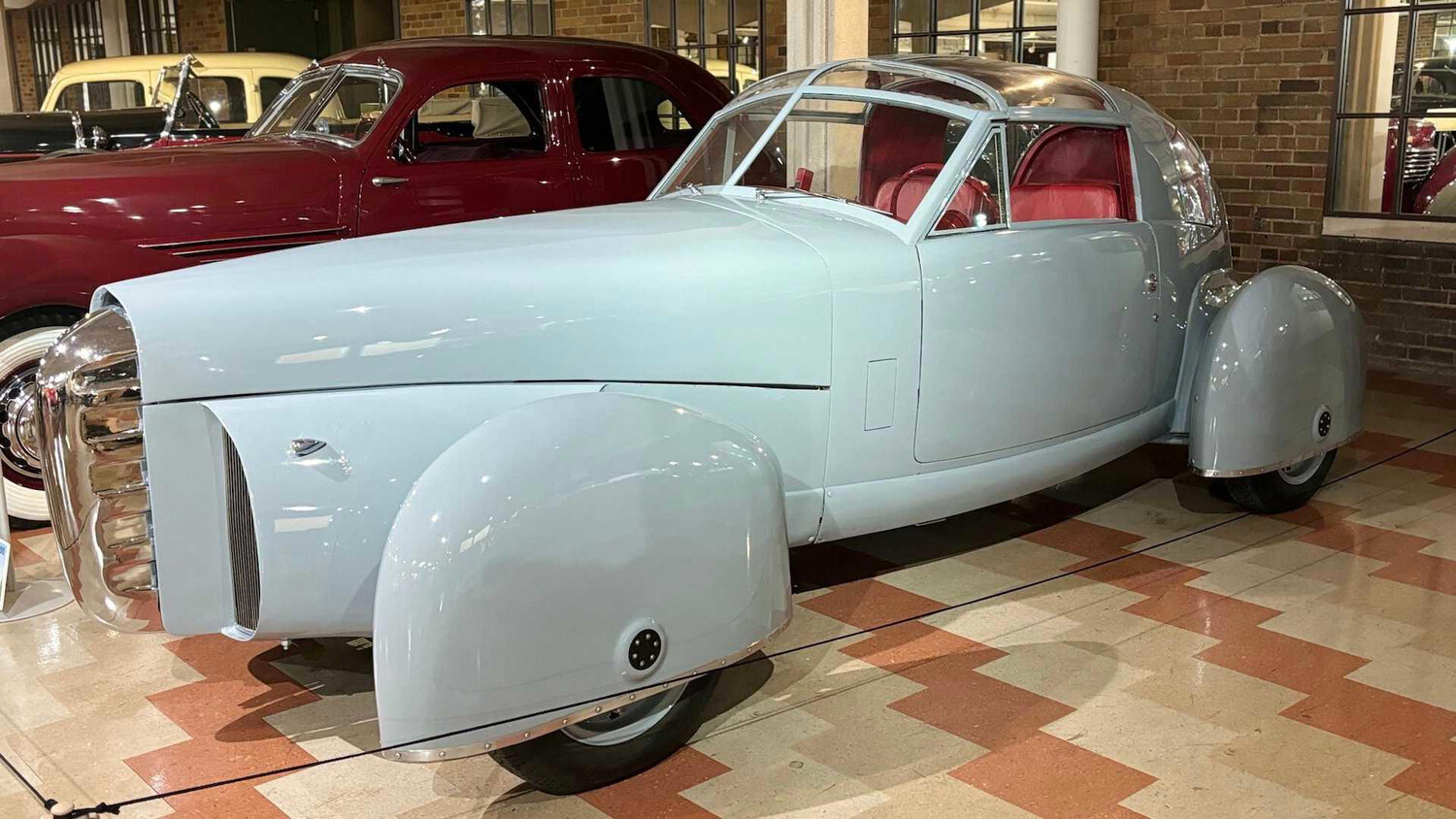
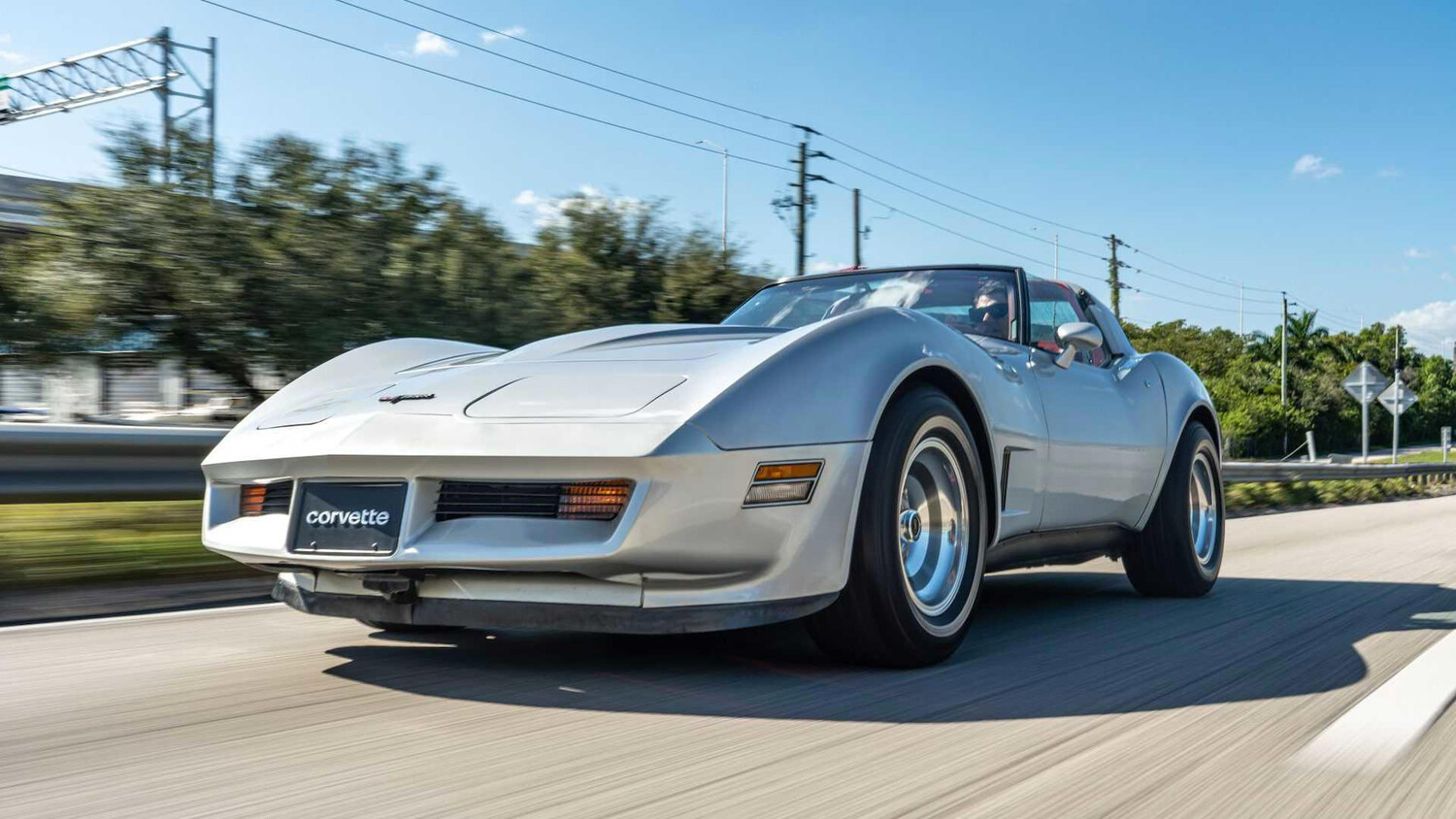
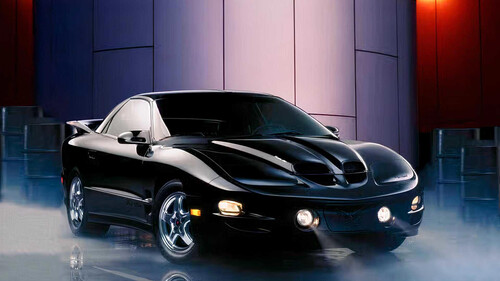
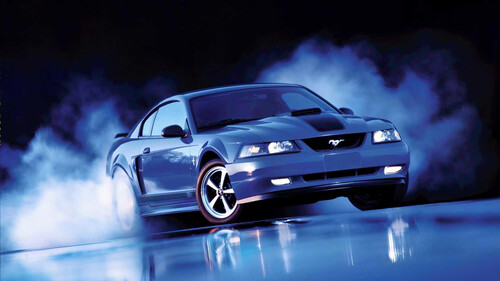
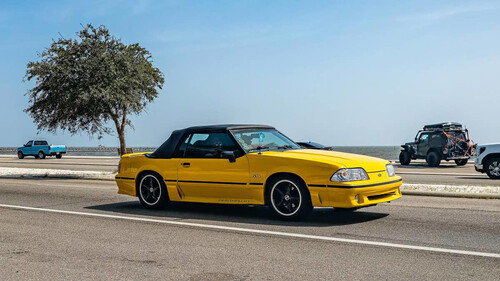
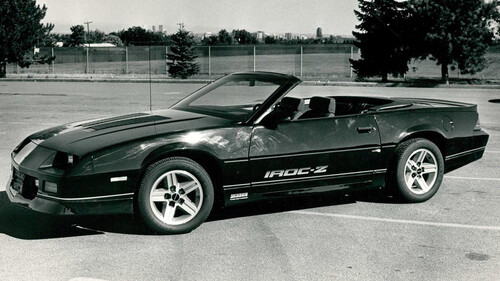
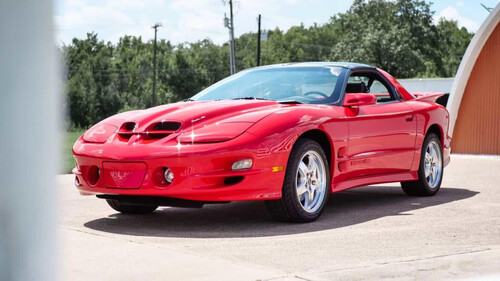
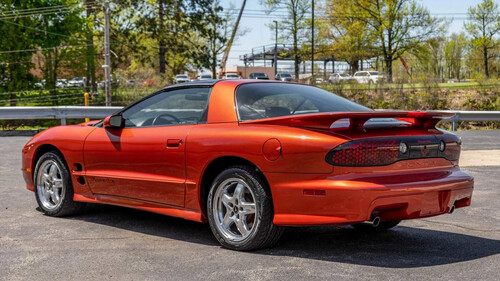
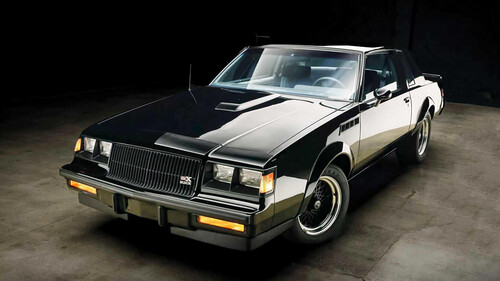
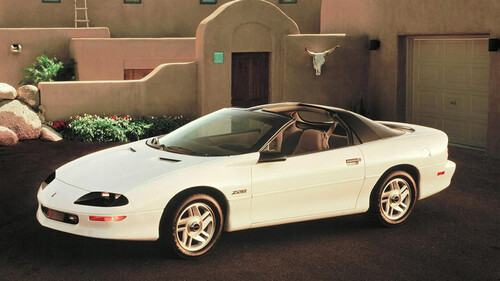
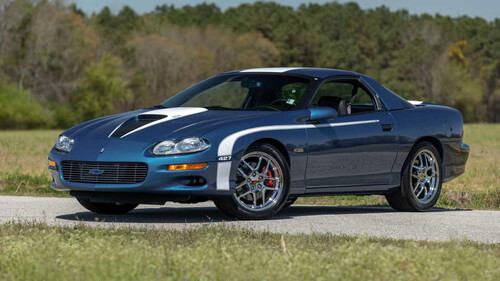
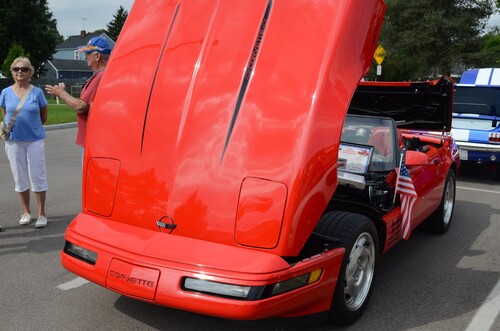
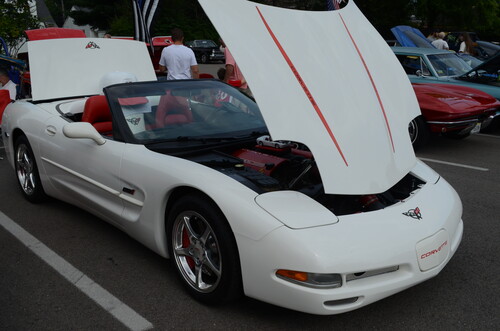
The 1970s were a turbulent time for the automotive industry, marked by significant changes across nearly every aspect. One of the biggest changes was the strengthening of the Clean Air Act, which required automakers to drastically reduce vehicle emissions, leading to the development of the catalytic converter.Some time before that, the US government also considered an outright ban on convertibles, or at least, it was rumored that they did, The decision, it was said, was spurred by the lack of protection for convertibles offered in rollover crashes. This led automakers to pull convertibles from their lineups in anticipation of an outright ban, which is why there is an absence of convertible models built in the US during the late 1970s and 1980s.However, as we know, convertibles were never banned, but the seemingly impending doom of the convertible gave rise to an alternative offering the same open-air experience but with greater safety; the T-top. Ever Heard Of The 1948 Tasco Prototype? Auburn Duesenberg Automotive Museum Although we wouldn't see the first production car with a T-top until the late 1960s, the T-top's genesis occurred much earlier. The first instance of a car with a T-top was an odd-looking prototype built in 1948 that resembled a Bond-villain poster car rather than a conventional automobile of the era. It was called the Tasco (short for "The American Sports Car Company") prototype and was the brainchild of automotive designer Gordon Buehrig, who was awarded the patent for the removable T-top design in the early 1950s under the patent number US2556062A.The prototype was based on a modified 1947 Mercury chassis and was powered by a Mercury V8 engine producing roughly 150 horsepower. Its beautiful proportions were in part a result of its aviation inspiration, but we're focused on its roof. The Tasco prototype relied on a split-roof T-top with two plexiglass panels separated by an overarching piece of bodywork that protruded from the portion of bodywork spanning either side of the prototype, located behind the removable panels.The Tasco prototype was a precursor to what was supposed to be a fully fledged sports car, but that endeavor proved fruitless, and the Tasco prototype would be the only existing example ever built. It was not a cheap prototype, costing roughly $780,000 when adjusted for inflation. It's worth noting that almost a decade after the Tasco prototype was created, Packard unveiled a concept car called the Packard Predictor.Auburn Cord Duesenberg Automotive Museum It featured a roof similar to the conventional T-top, although it relied on retractable panels rather than the removable panels we saw on the Tasco prototype. Following the creation of the Tasco prototype, it would be two decades before we saw a production vehicle with a T-top, and by then it was no longer an obscure prototype but rather a fully fledged production car. General Motors Was The First To Mass-Produce A Car With A T-Top BringATrailer The first mass-produced vehicle with a T-top roof was the C3 Corvette, which was introduced in 1968. Every example of a hardtop C3 Corvette coupe featured the T-top roof, with early iterations relying on fiberglass panels, while later models also offered tinted glass panels. The implementation of the T-top in the C3 Corvette was GM's way of circumventing what was rumored to be the inevitable ban on convertibles.However, the C3 Corvette was still offered as a convertible, featuring a soft-top roof. Production of the convertible was short-lived compared to the coupe, lasting from 1968 to 1975, cut short by concern about the US government's decision to ban convertibles. The next time we saw the Corvette offered as a convertible was in the fourth-generation Corvette.BringATrailer Although the convertible configuration eventually returned in later generations, the T-top was replaced by a single-piece Targa top in every generation that followed, showing that, at least for General Motors, the T-top was simply a stopgap to address what many in the US automotive industry saw as the end of convertibles.Lest we forget, the T-top design was patented by the time GM adopted it, and unsurprisingly, evoked ire from the T-top's creator. Gordon Buehrig reportedly filed a lawsuit against GM because of the similarity between the design we saw on the Tasco prototype and the C3 Corvette. Details of the lawsuit weren't made public, but it's believed Buehrig won and received a settlement from GM.Soon after the C3 Corvette became the first production car with a T-top, the roof design spread to other brands within GM's catalog, namely Pontiac, which followed suit by introducing the T-top in the Pontiac Firebird Trans Am, which itself is a muscle car icon, but was also one of the earliest adopters of the T-top.BringATrailerWe'd see other manufacturers outside GM's catalog implementing the T-top on their vehicles, but as more T-top models appeared, convertible models were lost, including the Ford Thunderbird, which, was offered as a convertible until around 1970.Interestingly – and serving as a succinct example of the fear automakers had regarding the future of convertibles in the US during the 1970s – Cadillac peddled the 1976 Cadillac Eldorado as "The Last American Convertible" in marketing material, but only a few years after its production ended, production of the Cadillac Eldorado Biarritz resumed, albeit for a short time. The T-top applications peaked in the late 1970s and 1980s, fizzling out by the 1990s and disappearing entirely from the automotive market not long after. The End Of The T-Top BringATrailer Ultimately, convertibles weren't banned, with a handful of US-built convertible models debuting by the late 1980s and into the 90s. Although it has not explicitly stated why, it's likely that improvements were made to safety standards and engineering, particularly the strength of the A-pillars in convertible models.Additionally, the relaxation of some regulations that contributed to the US government's initial consideration of banning such convertibles, such as environmental regulations, also helped prevent their ban. After regulations were relaxed and a ban on convertibles was lifted, many automakers revised their convertible models.Bring A TrailerStill, the T-top didn't go extinct immediately, with the last cars in America with a T-top roof offered to the public until the early 2000s, in the form of the Chevrolet Camaro and Pontiac Firebird. Today, the T-top is remembered as a short-lived and now obsolete vehicle design element, spiritually replaced by the Targa top, which shares the T-top's scarce presence in the automotive industry, with only a handful of cars available today with a Targa top. Some Of The Best Cars With T-tops BringATrailerT-tops, compared to convertibles, were short-lived, which makes sense, considering that while they weren't built solely to replace convertibles, their mainstream adoption was. That said, not many vehicles came with T-top roofs, but a few models are remembered as automotive icons.This includes the C3 Corvette, Pontiac Firebird Trans Am, 2nd-, 3rd-, and 4th-generation Chevrolet Camaro, Cadillac Eldorado, and the Fox-body Ford Mustang. Of these models, the Pontiac Firebird was arguably the poster car among production vehicles with a T-top roof, which became one of the most defining aspects of the Pontiac Firebird Trans Am.Although the T-top's adoption in mainstream vehicles was necessitated by potential US regulatory changes, a handful of vehicles built outside the United States also employed the T-top design, including the Suzuki X-90, Toyota MR-2, and the Ferrari 308 GTS, among others.