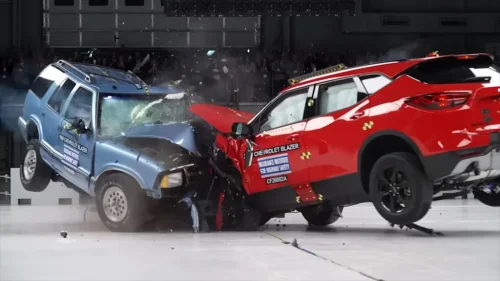
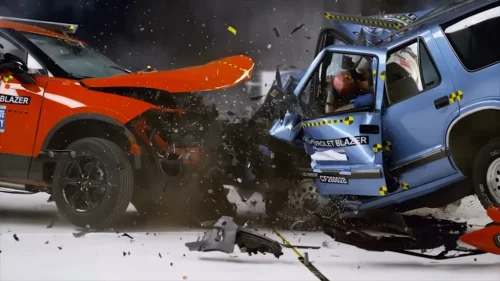
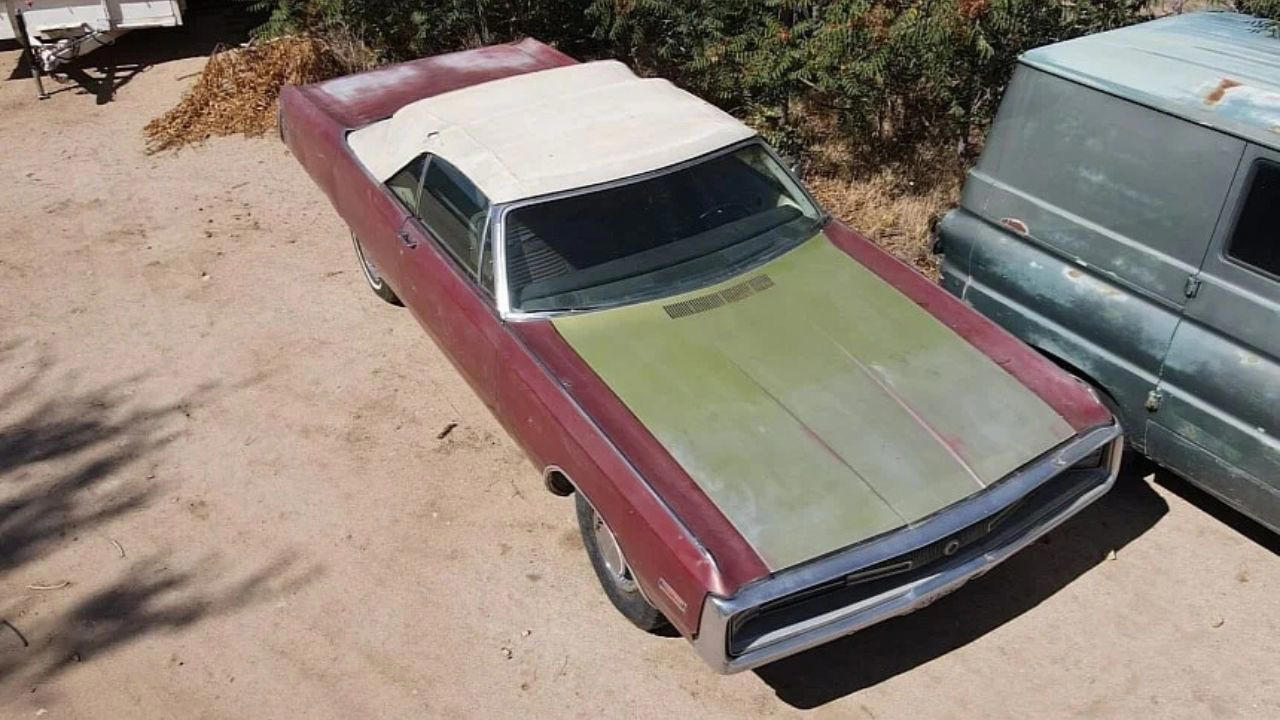
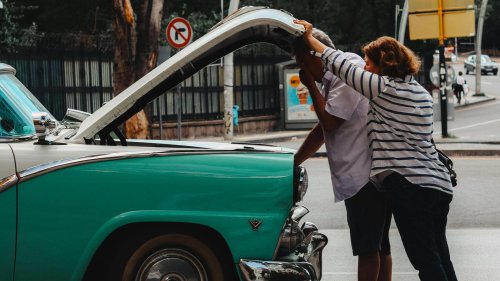
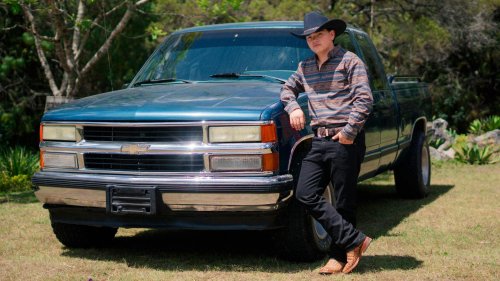
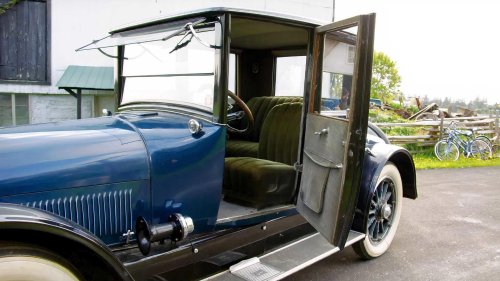
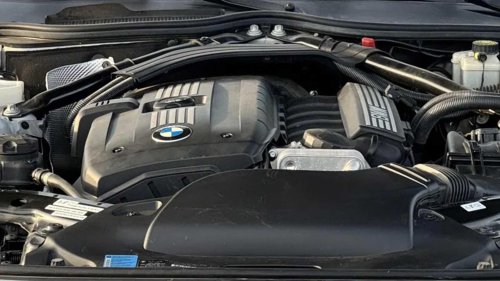
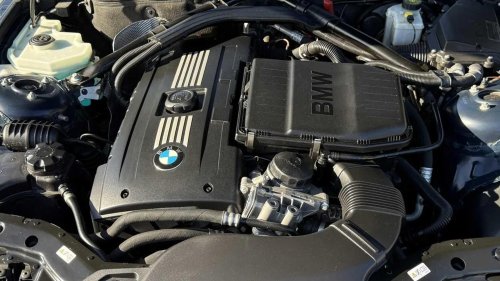
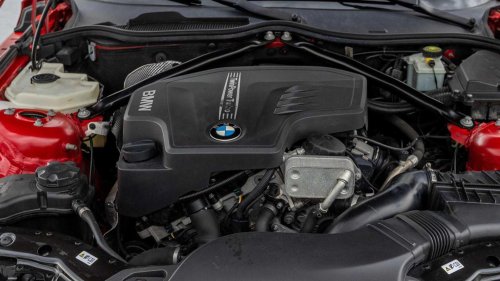
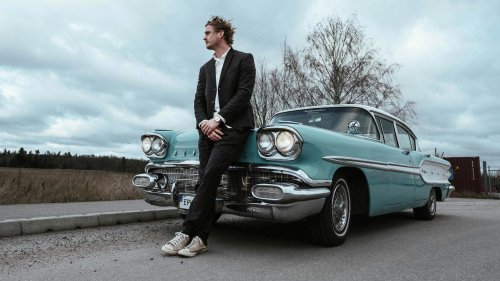
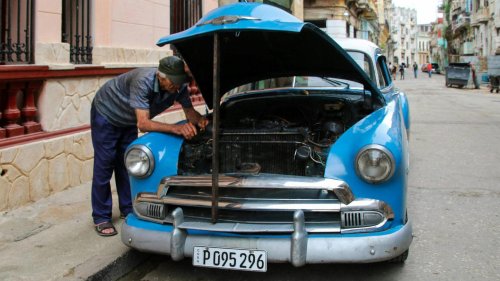
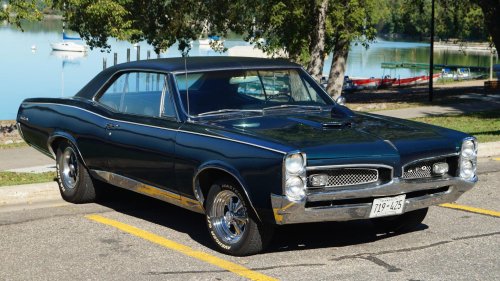
The Evolution of the Open RoadIf you’ve ever slammed the door of a classic sedan and noticed it sounds more like a vault than a plastic toy, you know exactly why people get nostalgic for the good old days. Modern vehicles are marvels of engineering and safety, but there’s an undeniable charm and ruggedness that seems to have vanished from the showroom floors. Between the rise of complex computers and the shift toward lightweight materials, the soul of the machine has changed quite a bit over the last few decades.1. The Weight of Real MetalCars of the past were made of thick-gauge steel that didn’t dent when grocery shopping on wheels ran into them. Nowadays, thin aluminum and plastics keep curb weight down to increase fuel economy and pass crash tests. But don’t kid yourself, you will always miss the solid feel of heavy metal on metal.2. Simplicity Under the HoodThe days of leaning inside the engine bay and seeing the ground beneath your car while changing spark plugs are long gone. Today everything is buried under huge plastic shields. It was much easier to bond with your vehicle when you could actually reach the parts you needed to fix.3. Distinctive Style ProfilesWind tunnels have forced almost every modern car into a similar aerodynamic shape to squeeze out every last mile per gallon. Back in the day, designers had more freedom to create. You could tell a Chevy from a Ford just by looking at the roofline.4. Analog Gauges and DialsThere’s something incredibly satisfying about watching a physical needle climb as you accelerate down the highway. Modern digital screens are high-tech and flashy, but they lack the tactile soul of a mechanical instrument cluster that works perfectly even in direct sunlight.6. Vent Windows for Fresh AirBefore every car had high-powered climate control, those little triangular vent windows were a genius way to direct a breeze right onto your face. They allowed for a perfect amount of airflow without the deafening roar of opening a full-sized window at high speeds. You probably won't find these on a new car today.7. Long-Lasting Interior MaterialsInteriors used to feature heavy-duty vinyl, thick cloth, or genuine leather that could withstand decades of sunlight and spilling coffee. Modern cabins often rely on soft-touch plastics. You can really tell the difference when you sit in a thirty-year-old truck that still has its original, unripped bench seat.8. Mechanical Window CranksThere was a certain reliability to the manual crank that would never leave you stranded with a window stuck down in a rainstorm. It gave you a little bit of a forearm workout and guaranteed that you’d always be able to get some air regardless of your battery’s health. If the motor fails in a modern door, you’re looking at an expensive trip to the mechanic.9. Visible Pillars and GlassSafety regulations have made the pillars between windows much thicker to protect you in a rollover, but this has absolutely reduced your outward visibility. Classic cars felt like driving in a glass bubble, giving you a perfect view of everything around you without needing four different cameras.10. Full-Sized Spare TiresBack then, if you got a flat, you pulled a real tire out of the trunk that matched the other four and kept on driving like nothing happened. Most new cars today come with a tiny "donut" or, even worse, a can of pressurized foam. It's a bit disappointing that you have to call a tow truck for a simple puncture.11. Actual Chrome AccentsThere was a time when the shiny bits on a car were made of real, polished metal that sparkled in the sun and could be buffed to a mirror finish. Now, almost everything that looks like chrome is actually just silver-painted plastic. Real chrome had weight and luster.12. Bench Seats for CruisingA front bench seat allowed three people to sit together comfortably and made the interior feel like a cozy living room on wheels. Modern cars are strictly divided by massive center consoles filled with cup holders and storage bins. You lose that sense of togetherness when you’re boxed into a cockpit rather than sharing a wide, open space.13. Simple Lighting SystemsHeadlights used to be standard glass sealed beams that you could buy at any auto parts store for a few dollars and replace in minutes with a screwdriver. Today, a single cracked LED headlight assembly can cost you over a thousand dollars. The fancy lighting looks cool, but your wallet definitely misses the universal glass bulb.14. Manual Transmission AvailabilityIt’s becoming increasingly rare to find a car that lets you shift your own gears, as most manufacturers have moved toward efficient but uninspiring automatics. Driving a stick shift kept you engaged. You lose a bit of the "fun factor" when the car decides every single shift for you based on a fuel-saving algorithm.15. Repairability in the DrivewayYou could spend a Saturday afternoon taking an entire classic engine apart and putting it back together. Modern vehicles are so crammed with sensors and computerized modules that even a simple oil change can feel like a high-risk operation. The shift toward "dealer-only" repairs has made it much harder for the average person to keep their own car running.16. Lack of Invasive TechOlder cars didn't beep at you for drifting an inch toward a line or try to take control of the steering wheel when you weren't expecting it. You were the sole pilot of the vehicle, which meant you had to stay focused.17. Unique Paint ColorsWalk through a parking lot today and you’ll see an endless sea of white, black, silver, and gray with maybe one boring navy blue mixed in. Classic cars came in vibrant shades like "Seafoam Green," "Burnt Orange," and "Sky Blue" that made the roads look a lot more interesting. You could really express your personality through your car’s color in a way that feels very restricted in the modern market.18. The Smell of the CabinEvery old car had a signature scent that was a mix of oil, old upholstery, and whatever air freshener had been hanging from the mirror for a decade. It wasn't always a "good" smell, but it was a familiar one that felt like home the second you opened the door.19. Heavier Steering FeelHydraulic power steering provided a direct connection to the road that allowed you to feel every bump and change in the pavement through your fingertips. Newer electric steering systems often feel like you’re playing a video game. You might appreciate the ease of parking, but you probably miss the confidence that comes with a weighted, communicative steering rack.20. Built for a LifetimeThere was an era where cars were built to be maintained and kept on the road for thirty or forty years with proper care. Today's vehicles are often treated like smartphones, where the cost of repairing the complex electronics after ten years might exceed the value of the entire car.