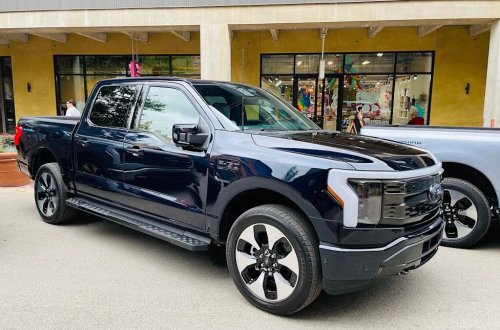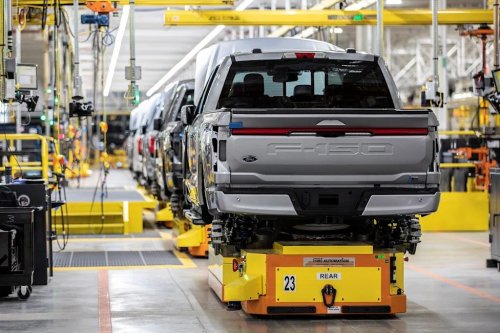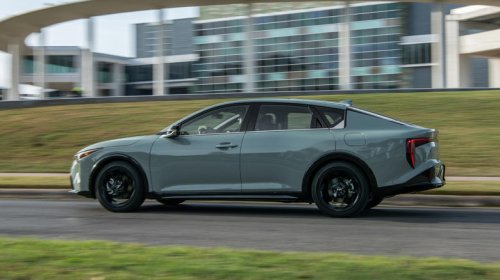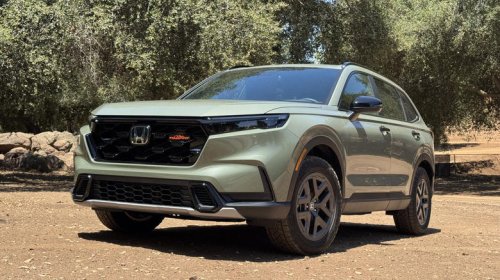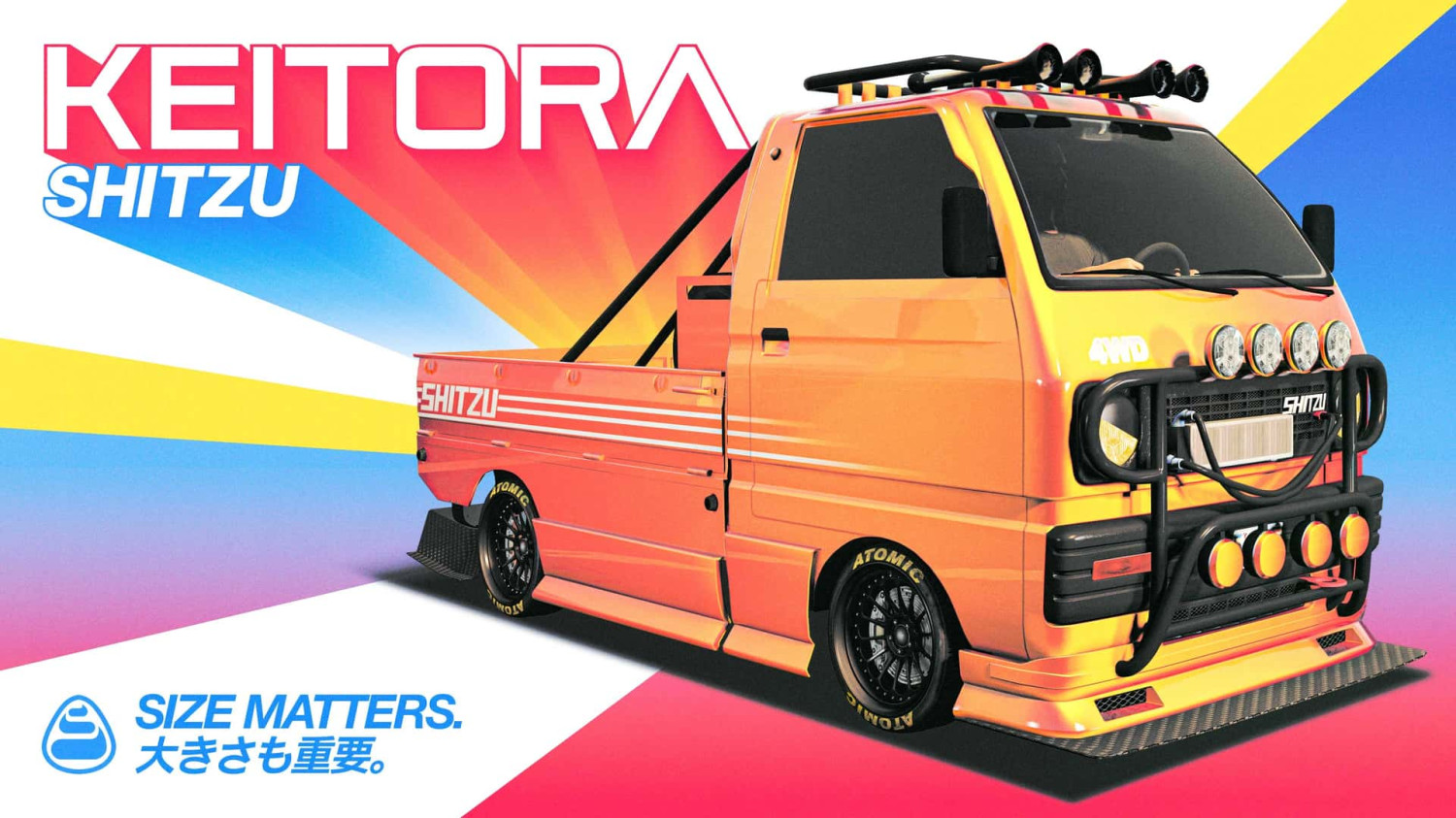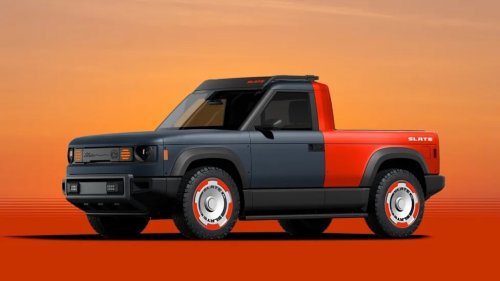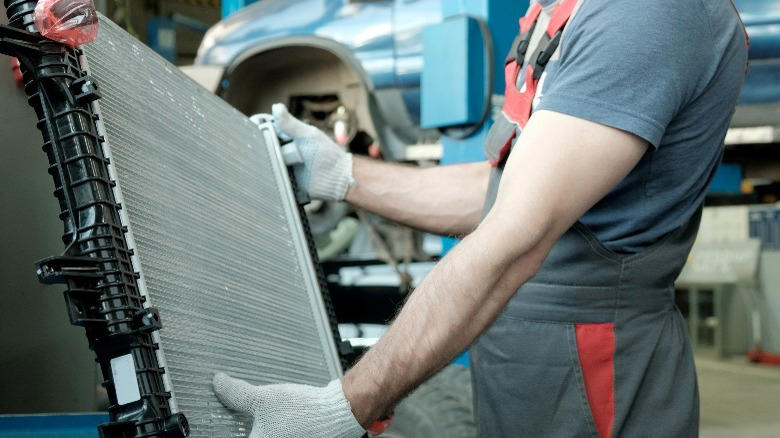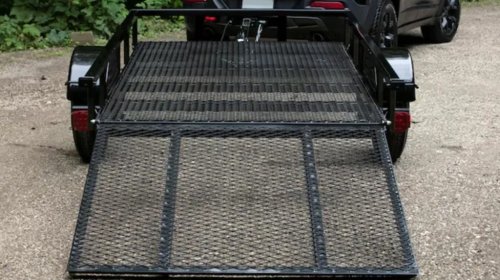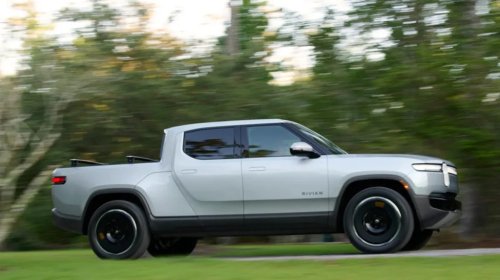
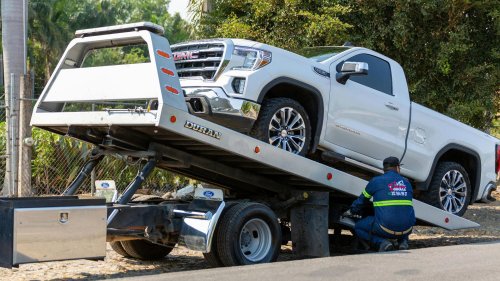
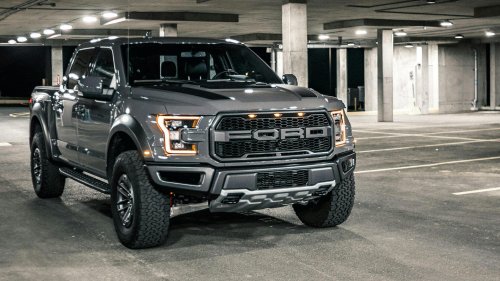
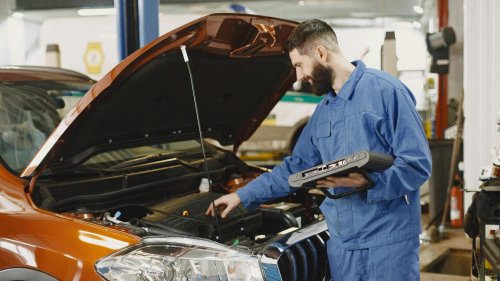

































What Keeps Drivers Out Of TrucksEvery car driver has had that moment—spotting a truck and imagining what it would feel like to sit higher, look tougher, and drive something different. Then reality sets in with quiet reminders about why your current car works just fine and a truck might mean more headaches than you can handle. At the end of the day, familiarity always wins over impulse. Keep reading to discover what really holds most people back from making the switch.1. Trucks Cost Significantly More To BuyEntry-level cars set the baseline for affordability, but trucks sit in a pricier lane. On average, mid-size trucks cost around $41,868, while similar cars run about $31,370. That difference alone makes many drivers think twice before making the switch.2. Gas Mileage Is Noticeably WorseDrivers who value efficiency often spot the difference fast. Trucks burn through fuel more quickly, averaging just 17.5–26 MPG compared to a car’s 24–30. Those smaller numbers translate to extra pit stops and higher costs that quietly build over time.3. Insurance Premiums Are Usually HigherIf you’re planning to drive in the city, brace for steeper truck insurance costs. Larger builds usually mean pricier repairs, and insurers notice. That’s why many drivers find themselves comparing quotes carefully before upgrading to something that size.4. Too Hard To Park In CitiesTry squeezing a full-size truck into a downtown parking garage. It’s no easy task. Tight ramps and small spaces turn every turn into a test of patience. Parking stops being about locating an open space and starts being about whether your vehicle can actually squeeze into it.5. Maintenance Costs Add Up QuicklyAt first, trucks and cars share the same basics—oil, tires, and coolant. But trucks hide extra complexity under the hood. Four-wheel-drive systems and heavy-duty components bring higher upkeep, leaving many owners surprised when routine visits start stacking up fast.6. Too Bulky For Daily ErrandsRunning everyday errands in a truck can feel like overkill. Their size also slows traffic flow. For quick runs or urban commutes, drivers often realize they’re managing bulk instead of enjoying the drive itself.7. Ride Comfort Feels Much RougherTrucks are built for hauling, not gliding. That tough suspension does wonders for heavy loads but less for potholes. The result? A bumpier ride that reminds passengers the vehicle was designed for strength long before comfort came into the picture.8. Harder To See When ReversingThose tall beds and wider frames look impressive, but create massive blind spots. Even with cameras, backing up can be tense. Visibility takes practice, patience, and sometimes a deep breath before every reverse in a crowded lot.9. Most Don’t Need Truck CapabilitiesTrucks can pull boats, trailers, and heavy equipment with ease. Yet the average driver rarely uses that strength. The power suits a specific lifestyle that few people actually live daily. Once the initial excitement fades, the practicality question becomes impossible to ignore.10. Trucks Depreciate Faster In CitiesUrban markets tell a different story about truck value. With smaller vehicles dominating city streets, demand for large pickups drops. Over time, resale prices follow suit, reminding owners that popularity depends heavily on where you drive, not just what you drive.11. Difficult To Navigate Drive-ThroughsMost drive-through lanes were designed decades ago for smaller cars. Trucks struggle with tight corners and low-hanging menu boards. The height difference makes card readers awkward to reach. What should be convenient becomes a frustrating squeeze that tests patience every time.12. Reduced Cargo Security Compared To CarsOpen truck beds expose belongings to weather and theft. Tonneau covers work but add cost and inconvenience. Cars offer enclosed trunks that lock and hide valuables completely. For people who frequently transport gear or groceries, that built-in security matters more than hauling capacity.13. Doesn’t Match Driver’s Personal ImageA truck says power and practicality, but not everyone wants that persona. Some drivers prefer sleek, modern style over rugged appeal. Image plays a bigger role than many admit, and vehicles play a part in how people express who they are.14. Few Model Options Suit Their NeedsTruck buyers often find themselves boxed in by limited choices. The variety feels narrower compared to cars, where trims and body types span every lifestyle. Those wanting something perfectly in-between often discover the options just don’t stretch as far as they hoped.15. Snow And Ice Make Them Harder To ControlRear-wheel drive trucks handle winter poorly when unloaded. The light back end loses traction easily on slick roads. Extra weight in the bed helps but adds hassle. Drivers in snowy regions find that cars offer better stability and confidence during harsh weather months.16. Towing Gear Adds Unwanted LiabilityHauling power sounds impressive until it brings new worries. Heavy-duty towing gear means stricter safety checks and higher liability if something goes wrong. Even with nothing hitched, the risks stick around—extra insurance, legal exposure, and constant caution.17. Seen As Work Vehicles, Not PersonalTrucks still carry that “job site” image: strong and dependable. While cars fit easily into family life or city commutes, trucks get labeled as tools for labor. It’s a perception that can overshadow their potential as personal rides.18. Lacks High-End Tech In Base ModelsMost of the time, truck shoppers are surprised by how basic entry-level models can be. Features like touchscreen displays, driver-assist systems, and quality sound setups, often standard in cars, typically cost extra in trucks. The rugged exterior masks a simpler cabin, at least until the upgrades roll in.19. Higher Road Taxes Or Registration FeesThe bigger the truck, the heavier the fees. States mostly charge more for vehicles that put extra stress on roads. Those annual registration costs and taxes add up quickly, making trucks seem like they carry an invisible price beyond the sticker.20. Family Members Refuse To Drive ItSpouses and kids often feel intimidated by the truck’s size. Not everyone wants to handle something that large for simple trips. This limits who can share driving duties. The vehicle becomes less practical when half the household won't touch the keys.