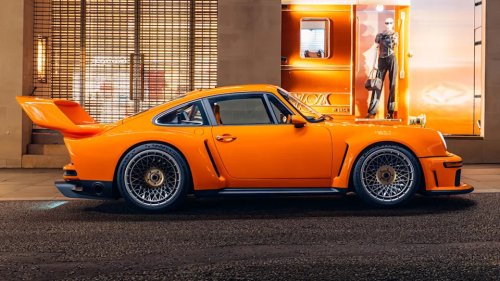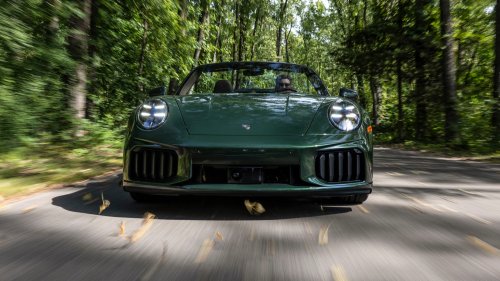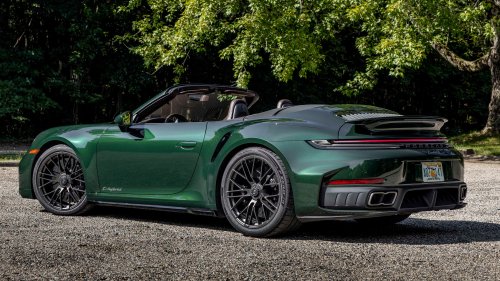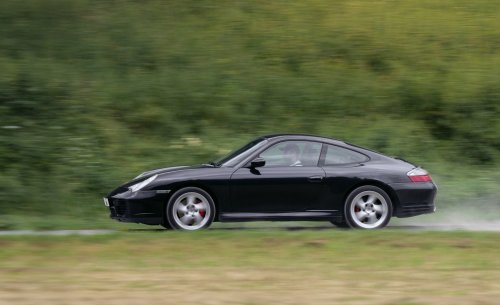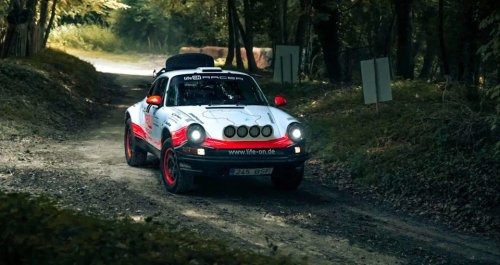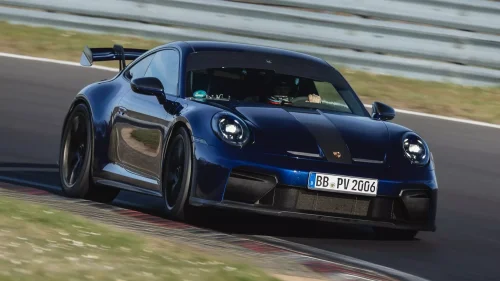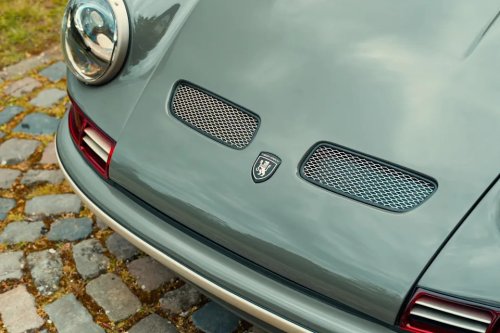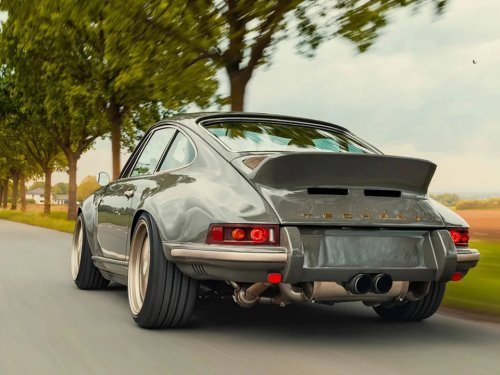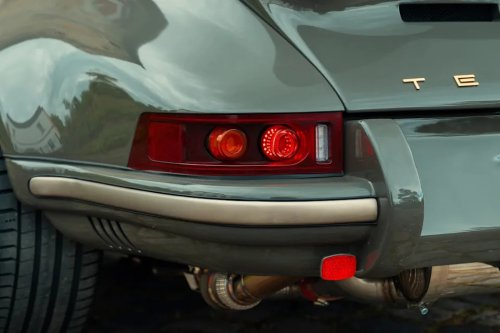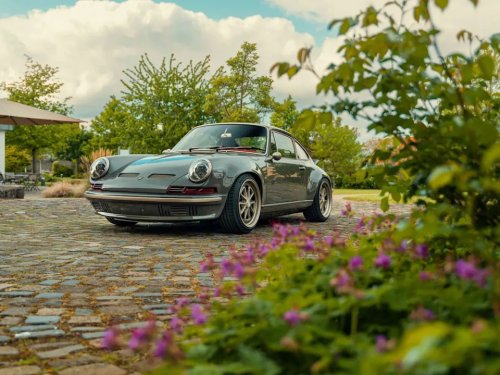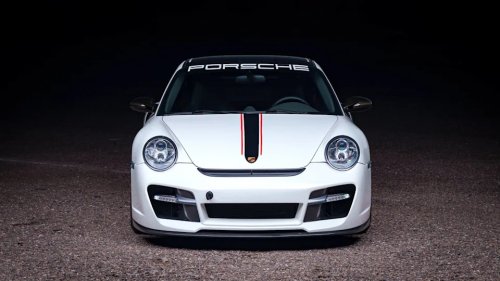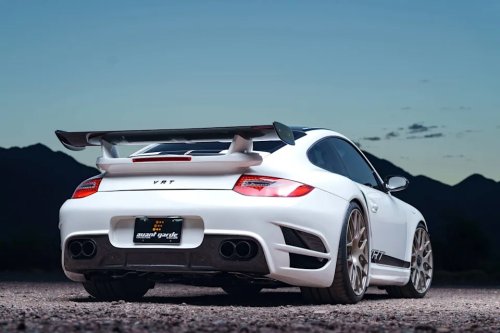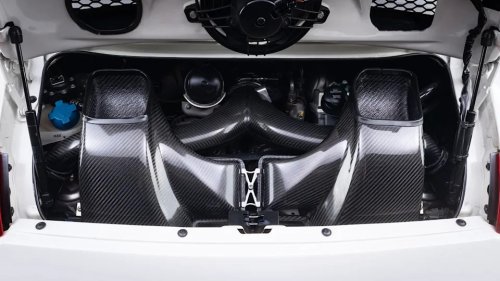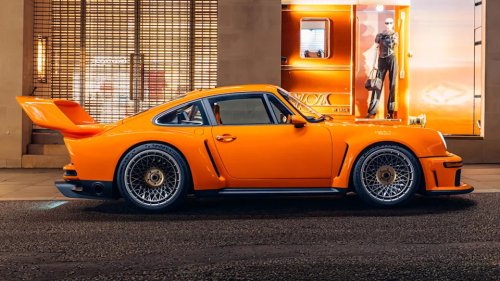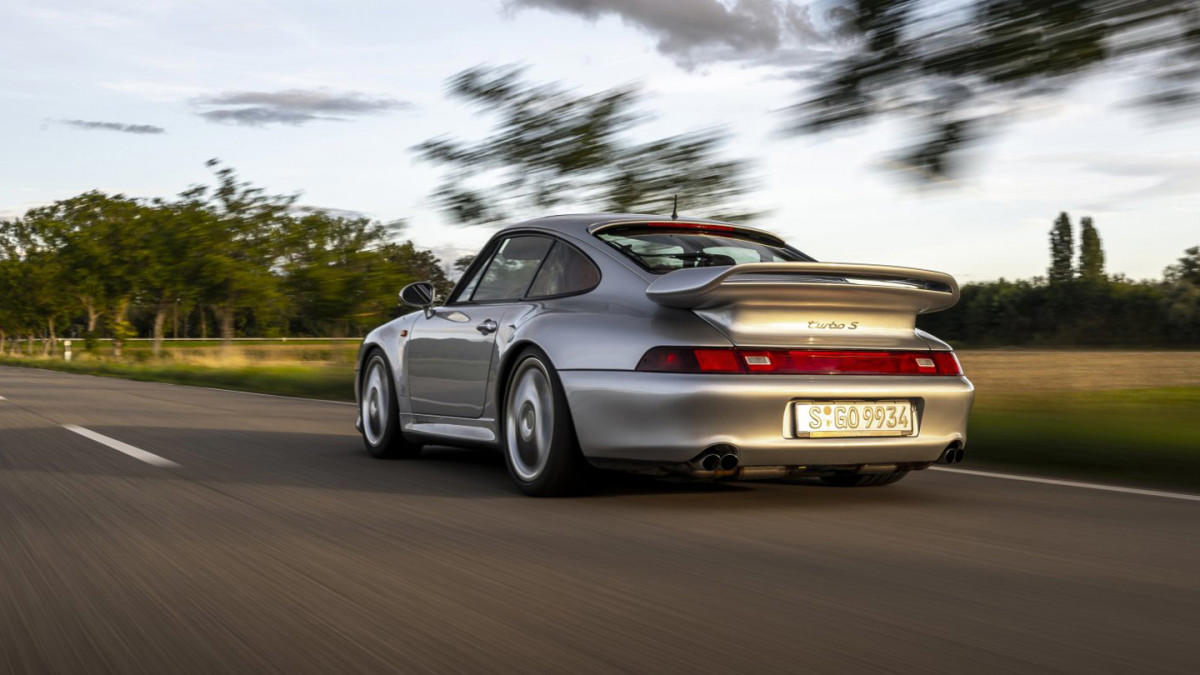
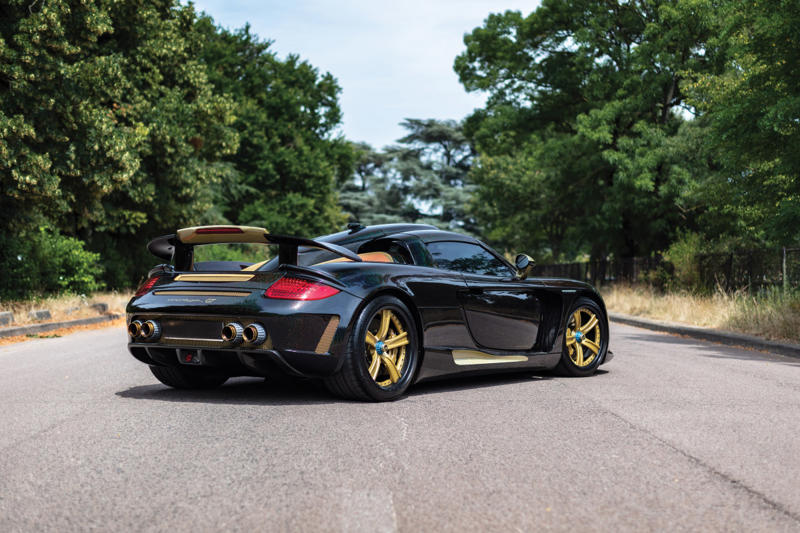
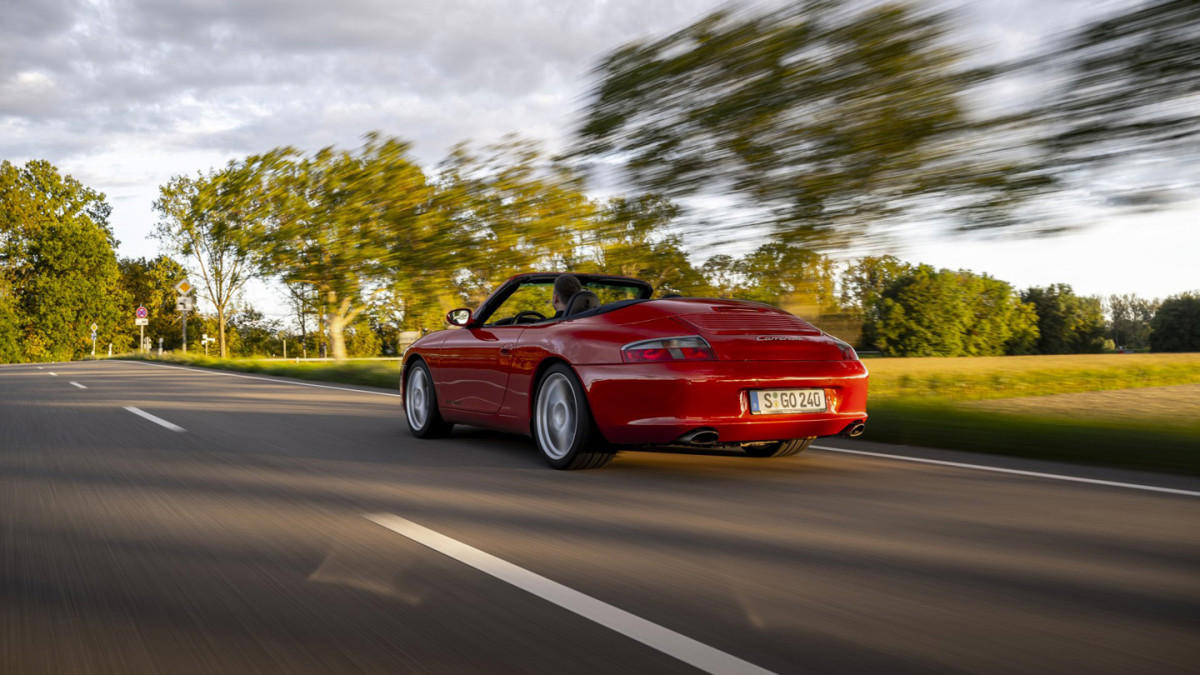


















Where are my Porsches?As a car enthusiast and avid gamer, from time to time, I like to revisit my childhood racing games. Recently, I dusted off my old PlayStation 2, blew an almost obligatory breath of air into the memory card slot, and loaded up Gran Turismo 4. In an instant, nearly all of my childhood nostalgia, all came rushing back; the roar of engines and the squeal of tires providing a soundtrack to my older cousins and siblings beating me. But as I scrolled through the car selection on arcade mode, something popped out at me that I had never fully understood as a kid. Where were the Porsches?In Gran Turismo, instead of iconic Porsches like the 911, there were cars from an odd-sounding company called RUF. As a child, I accepted this without question, assuming that these Porsche-looking cars were just Porsches in disguise. It would be decades until I came to know a lot more about their legendary status as a Porsche tuner, and cult vehicles like the CTR “Yellowbird” that have mythic status among automotive enthusiasts the world over.As an adult, I finally had the curiosity to dig into why one of the most celebrated automotive brands in the world was pretty much absent from the racing games of my childhood; games released from 2000 to 2016, and the answer is a fascinating story of corporate exclusivity, creative workarounds, and a legendary video game series that made an impact on enthusiasts the world over.Porsche Unleashed In 2000, Electronic Arts (EA) released a racing game called Need for Speed: Porsche Unleashed, and even by today’s standards, it was unlike anything else. While other racing games were busy stacking their in-game garages with every car from every brand they could get a license for, EA went in the opposite direction and solely focused on a single brand and built the entire experience around it. As a result Porsche Unleashed felt less like a Need for Speed game and more like an interactive, educational experience centered on one of the greatest automotive brands to exist.I actually had this game for the Game Boy Advance as a kid, and I could tell you that this game’s story mode (the ‘Factory Driver’ career mode) centered around the player advancing through a theoretical test for a prospective Porsche factory driver. The assessments for said “tests” were structured like a journey through Porsche's evolution across the decades; that it until the year 2000. Players began in the 1950s with the air-cooled 356, moved through the birth and evolution of the 911, into other models from the 1970s and 80s like the 914 and 924, only to arrive at the then-modern Porsche of the late 1990s. As a result, Porsche Unleashed was the first Need For Speed game to feature a storyline-driven “career mode,” a feature that would be the main draw for future series titles across its lifespan; even in games where Porsches weren’t the main focus. Though initial reviews across systems were mixed at best, Porsche Unleashed has a bit of a cult following among Need for Speed fans. But its existence comes as the result of a business decision made around the same time the game launched; one that would reshape the landscape of racing games for the better part of two decades.porsche-911-993-turbo-s-action-rear EA's firm hold on the Stuttgart badgeAlthough Porsche cars were featured in Need for Speed games prior to the release of Porsche Unleashed, its publisher made a significant business decision that would shake up the whole industry. Slightly before it was released in 2000, Electronic Arts signed an exclusive licensing agreement with Porsche AG, a deal that granted EA, and EA alone the rights to feature Porsche vehicles in video games. This meant that under the agreement, Porsche vehicles would solely appear in Need for Speed, or any other racing games that EA made.By the standards of the industry at the time, it made a whole lot of sense; publishers competed aggressively for the rights to put prestigious brands in their games and locking down Porsche showed that EA was determined to remain on top. However, the consequences were real for the rest of the industry. Polyphony Digital, the Japanese studio behind the Gran Turismo series, were unable to secure licensing for Porsche cars and the same went for countless studios, including those who made memorable games like Test Drive Unlimited, Midnight Club 3: DUB Edition, Driveclub, Project: Cars and other titles that promised a large collection of real-world cars. Although the terms of their exclusive agreement allowed EA to grant special carveouts to another developer or studio for an exclusive license agreement for a particular game (such as Microsoft for Project Gotham Racing, and later Forza Motorsport), the practical reality for players meant that if you wanted to drive a Porsche in a video game, you had to play an EA title. The exclusivity lasted for well over a decade and a half; it wasn't until around 2016 that the arrangement finally ended and allowed other game publishers to license Porsche vehicles once more. Although this was a quiet moment that was genuinely celebrated by the racing game community, developers had found their own way around the problem. RUF and Gemballa: Technically, they’re not Porsches.Unable to license the real thing, studios like Polyphony Digital got creative to solve their Porsche problem, and turned to a pair of legendary German tuning houses that took advantage of a loophole that would help the developers: RUF Automobile and Gemballa. Both these companies specialized in heavily modified Porsche cars like the 911, which were modified so extensively that they’re legally classified as independent manufacturers. As boring as it may sound, it was the crucial key that unlocked a technicality into adding “Porsches” to a particular video game.In Gran Turismo 3, Gran Turismo 4, and across subsequent entries in the series, RUF vehicles quietly became some of the series’ most beloved cars. The RUF CTR Yellow Bird; a car that had already become a legend in the late 80’s after humiliating Ferraris and Lamborghinis in front of Road & Track testers, got a second life as a Gran Turismo icon. Players who had no idea what RUF was were in for a surprise that won them races in the virtual world.Similarly, Gemballa filled a similar role across various titles of the era, as its heavily modified Porsches offered developers another avenue into the same unmistakable silhouette. In Midnight Club 3: DUB Edition, Gemballa took its fill-in role a step further, as it not only provided Porsche-derived vehicles like the Cayenne-based Gemballa GT 750 and the 911 Turbo-based Gemballa Turbo Coupe, it also provided a Ferrari; I mean Gemballa F355.Through these games, RUF and Gemballa exposed their brands to millions of young gamers and gearheads who encountered their brands through games like Gran Turismo and carried those memories into adulthood. Though its Porsche exclusivity deal was designed to give EA a competitive advantage, it empowered developers to exploit the system and turned small German tuners into household names.porsche-911-996-cabriolet-action-rear A legacy that shaped a generation of gamersAs an adult, playing Gran Turismo feels different. It isn't because I am no longer good at the game, or because the graphics aren't up to par. In the grand scheme of things, RUF and Gemballa mean more than just a “fill-in” for Porsche cars on non-EA games. Although its existence in video games is the result of corporate jargon, a creative workaround and a moment in the industry's history where Porsche seemed nonexistent, it was a new moment for both legendary tuners.EA's exclusivity deal is one of the more consequential licensing arrangements in gaming history, and not only because of what it produced. Porsche Unleashed was an awesome game, but the deal's bigger legacy is seen in many games released years after it. If you have never played Need for Speed: Porsche Unleashed, it is worth buying a secondhand copy (I prefer the PC version over the Playstation). However, if you load up an old Gran Turismo and find yourself browsing the RUF section, you’d know why those cars are there and you might appreciate them a little differently for it.