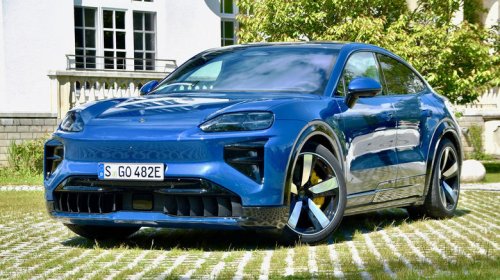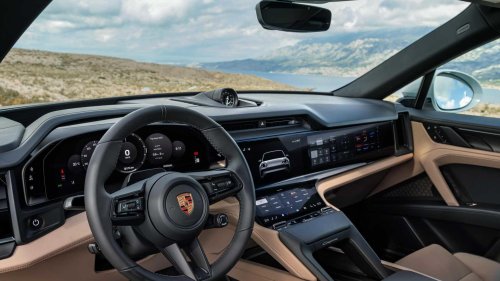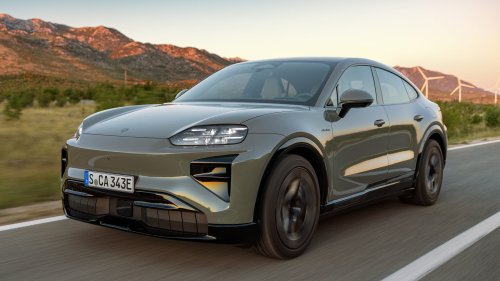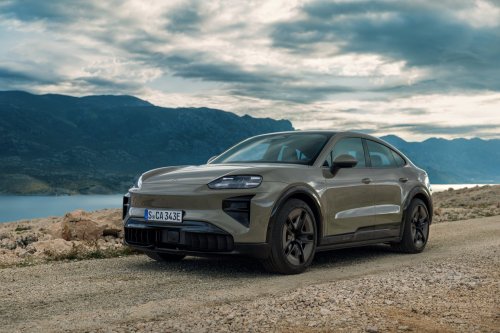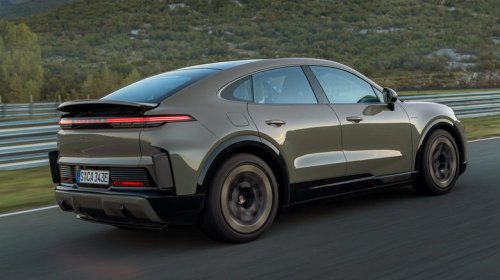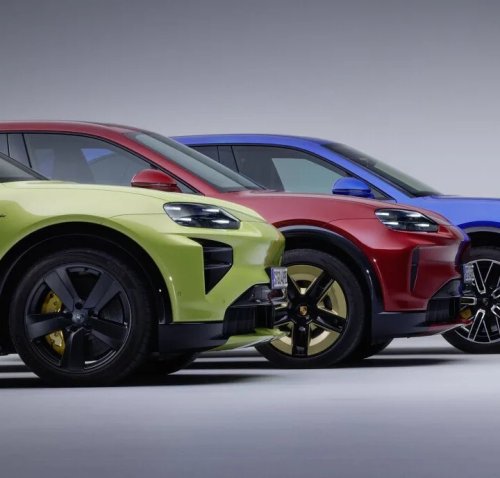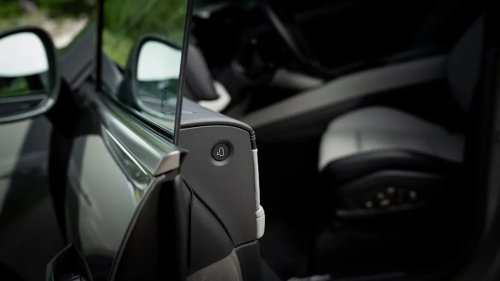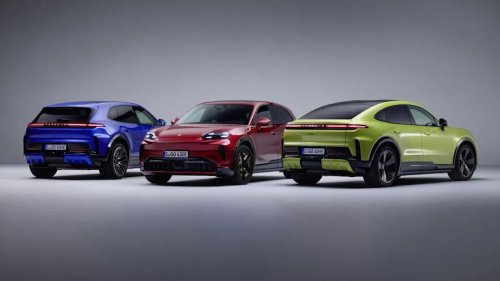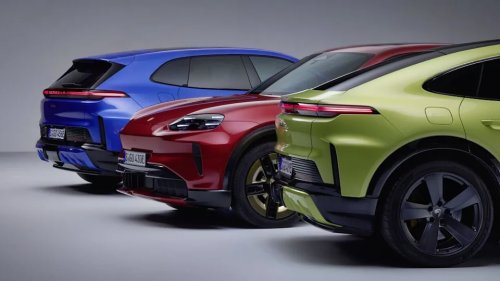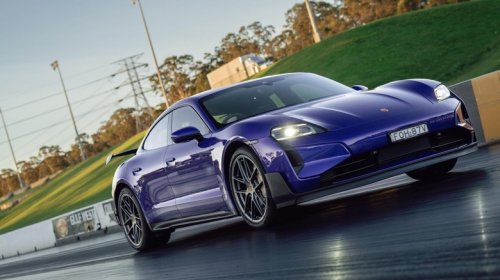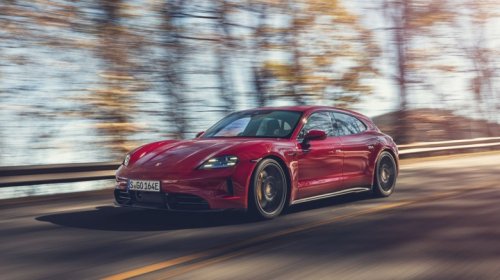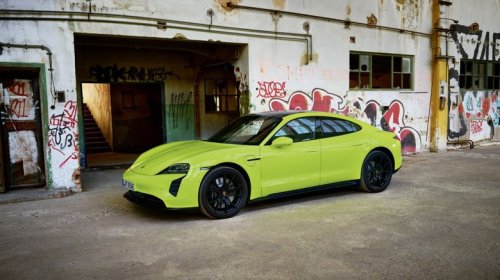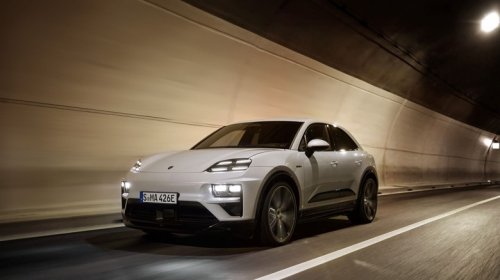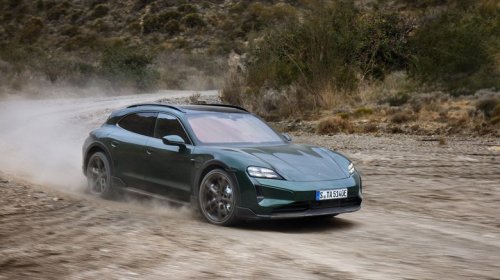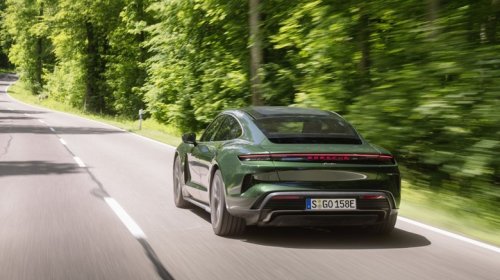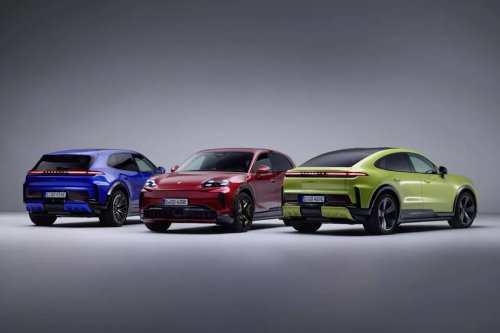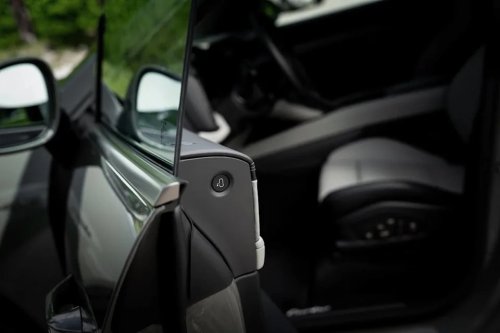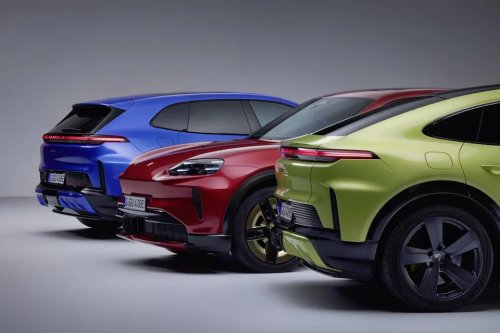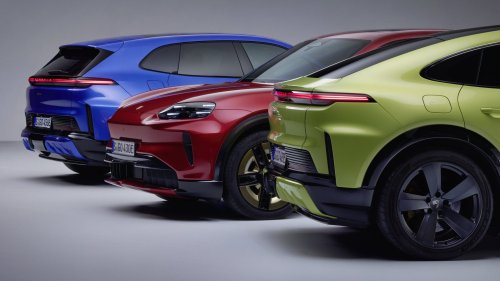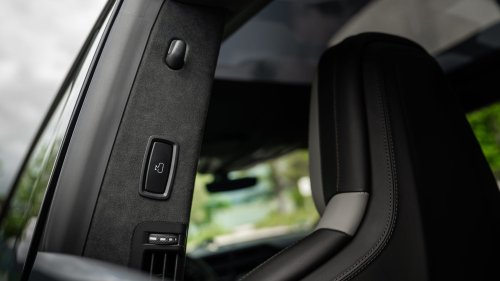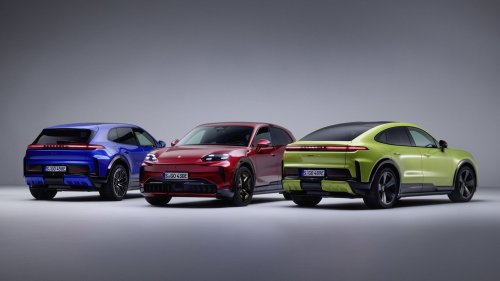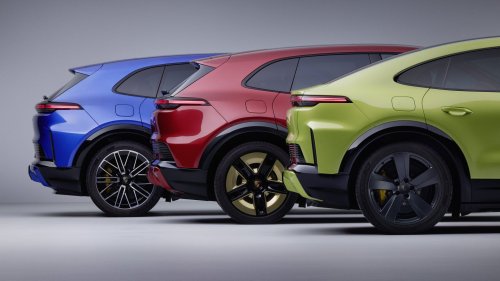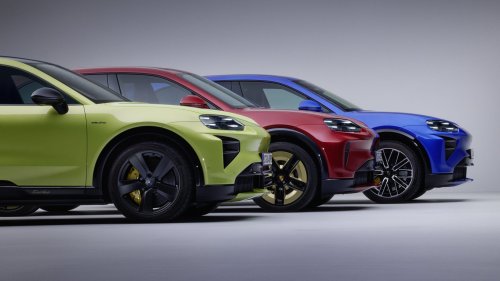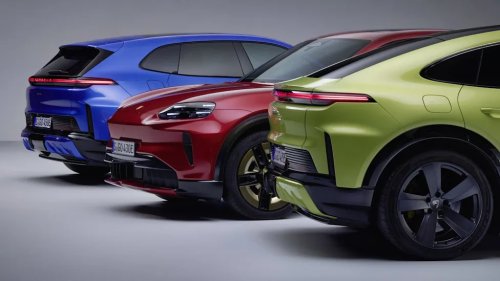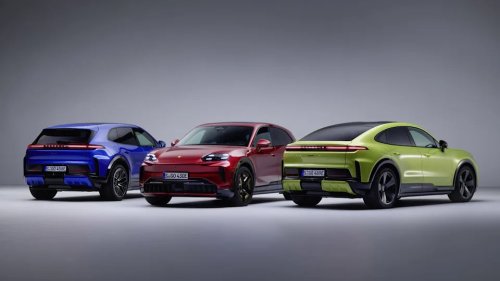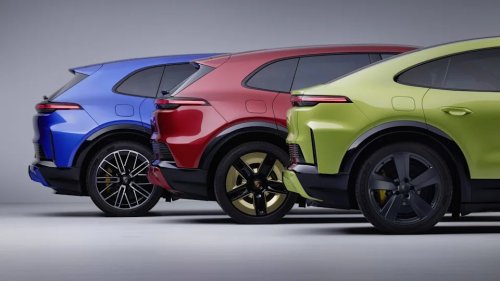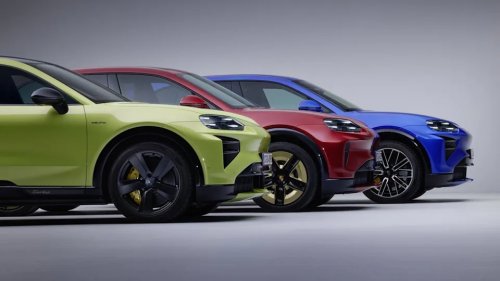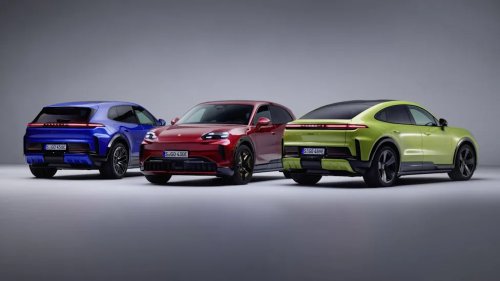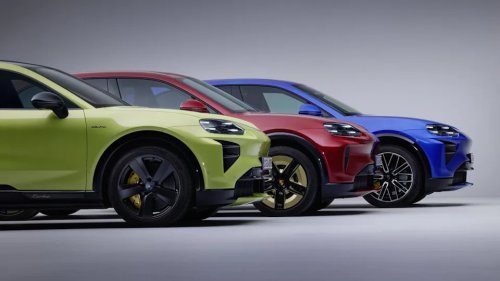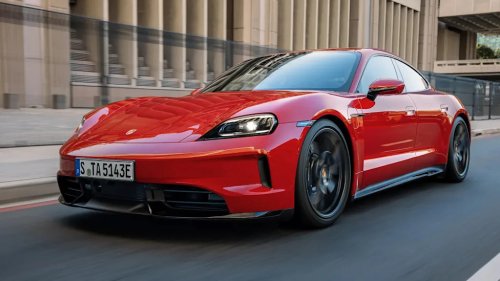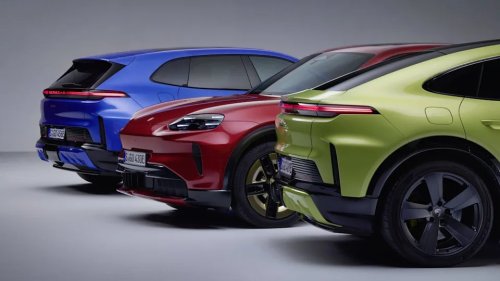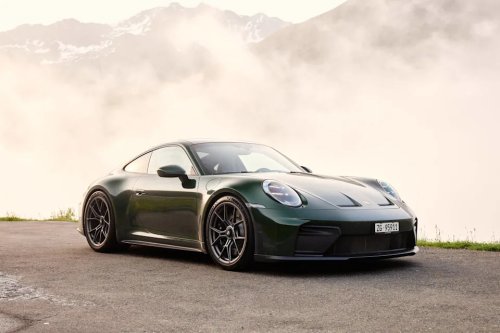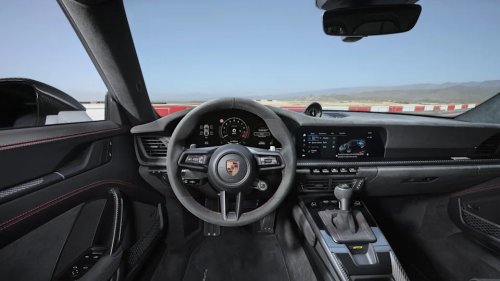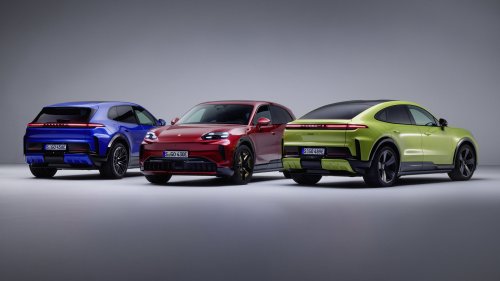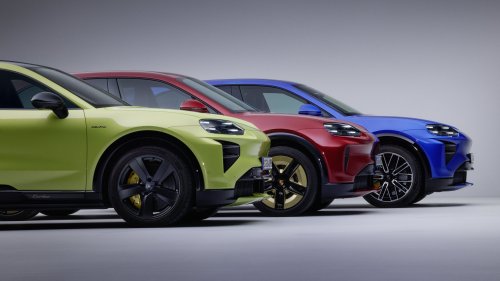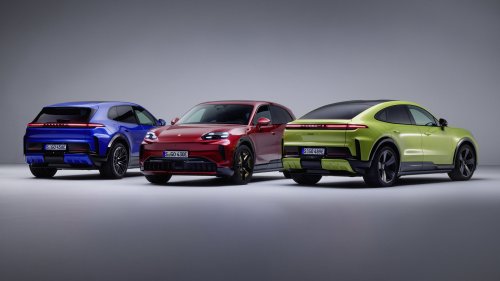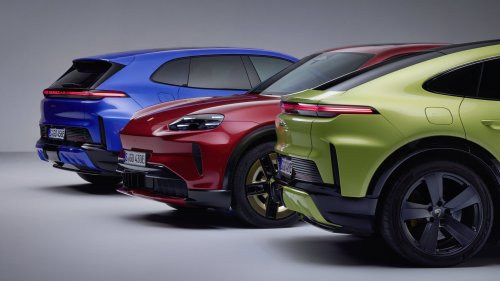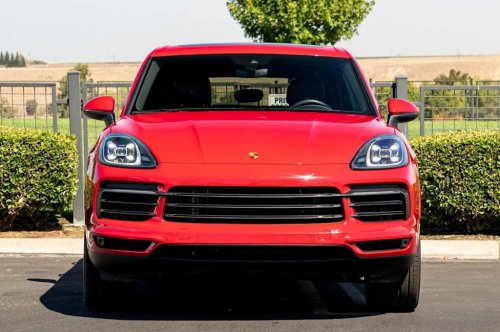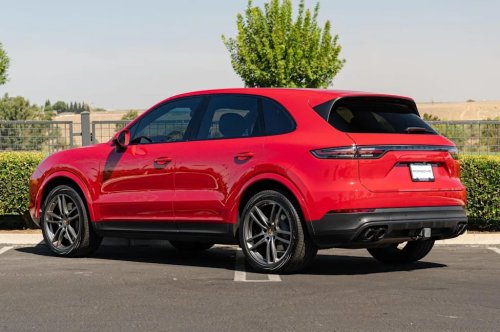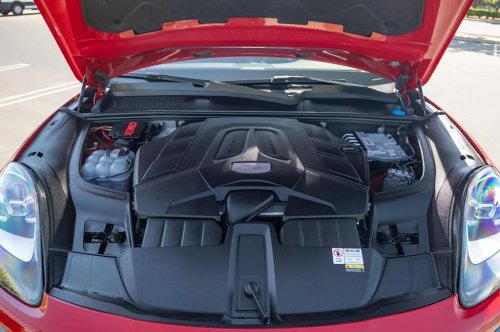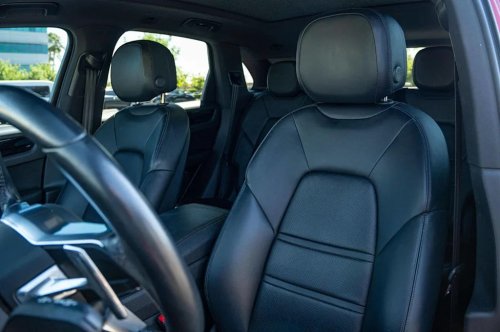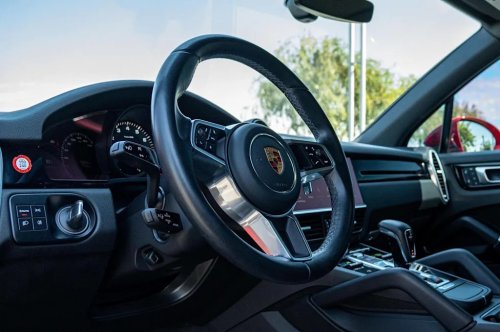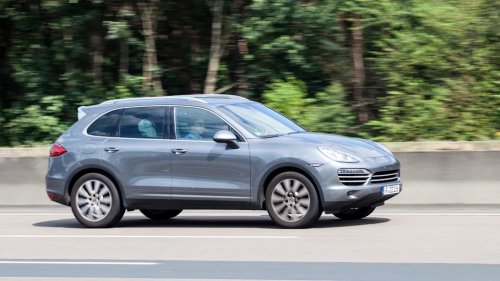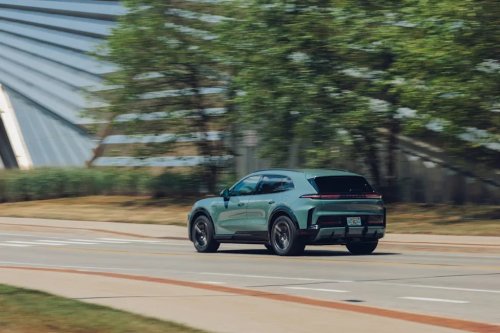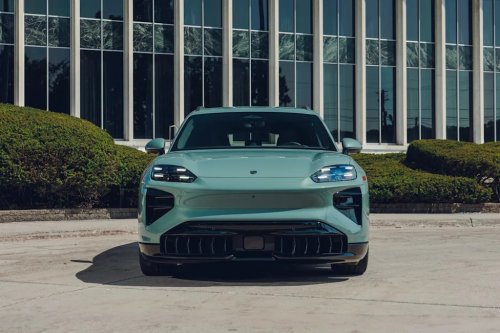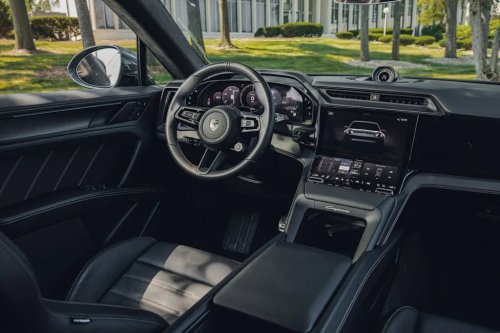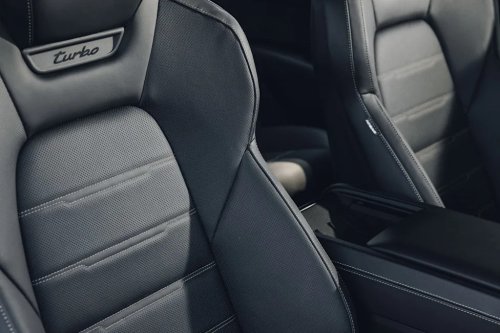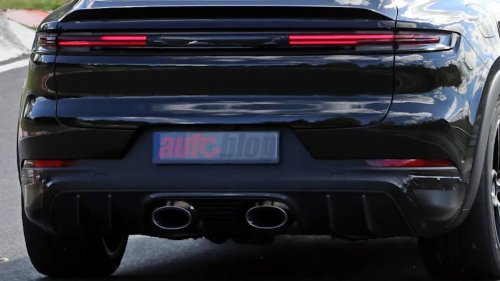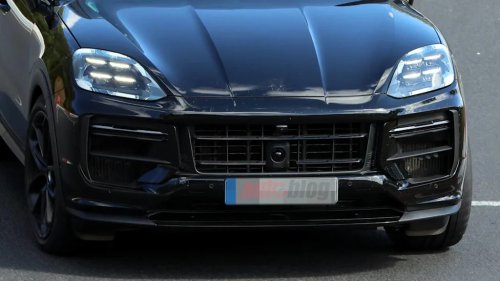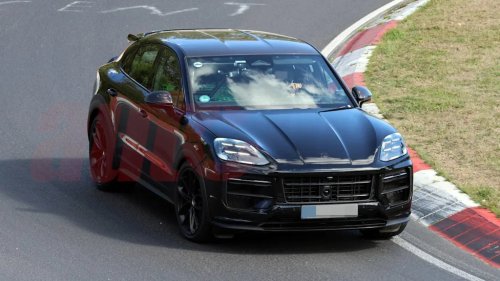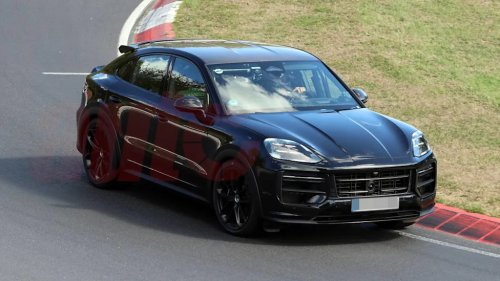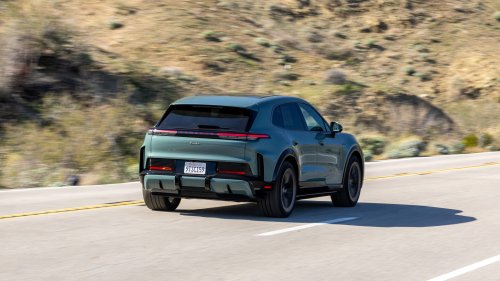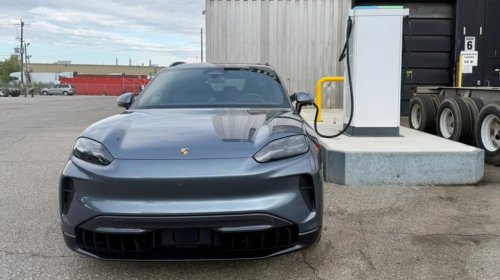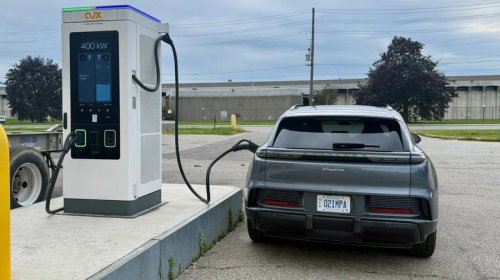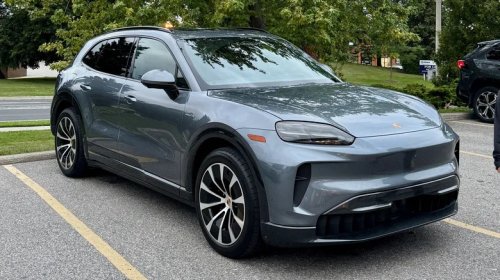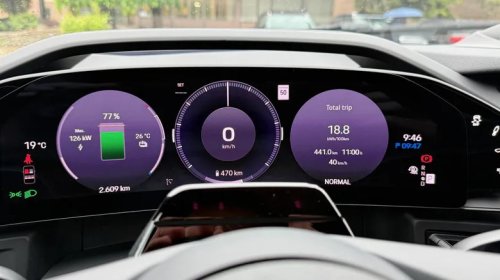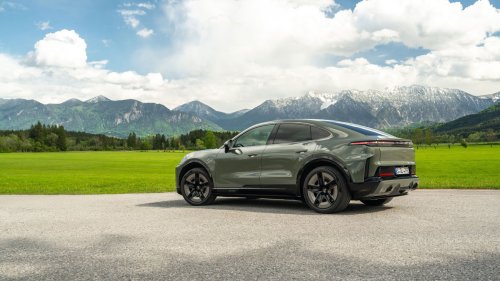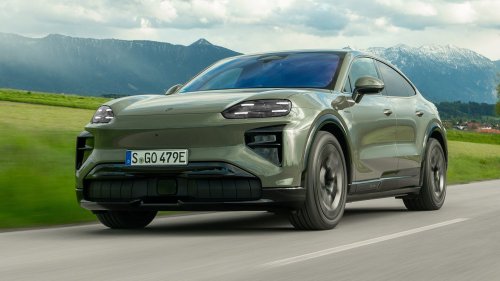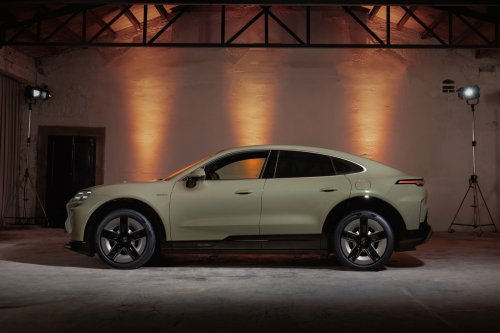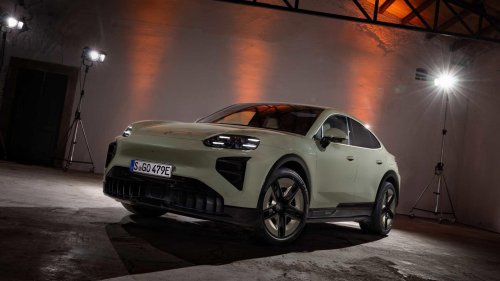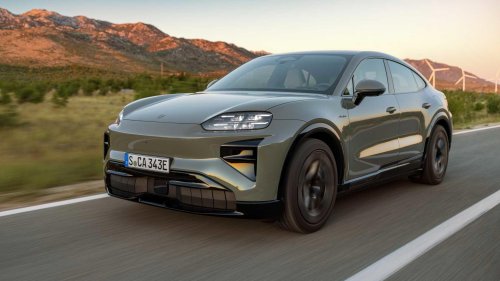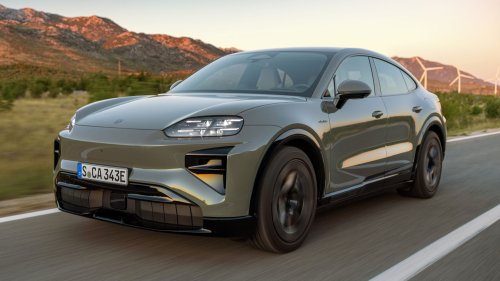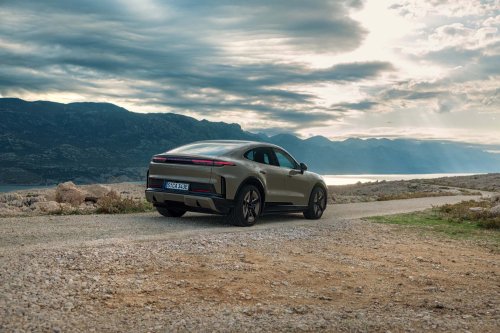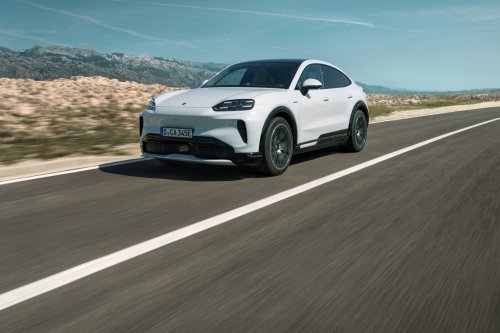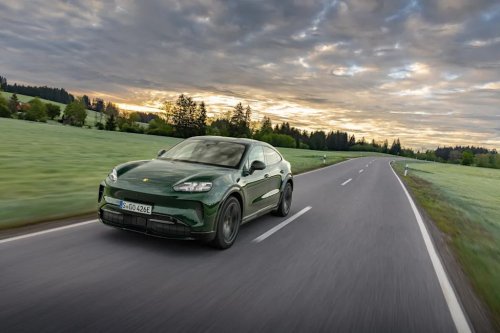
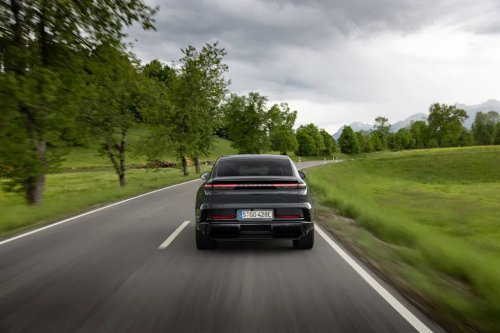
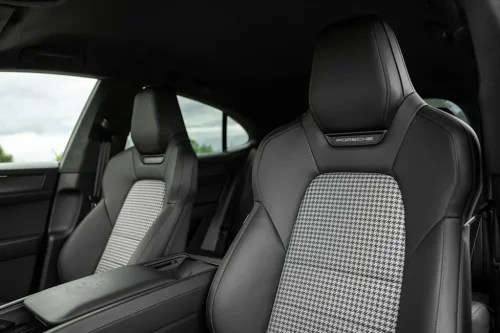
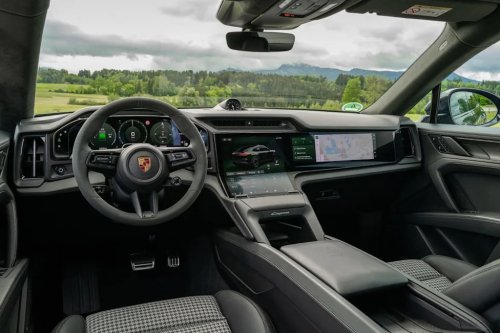
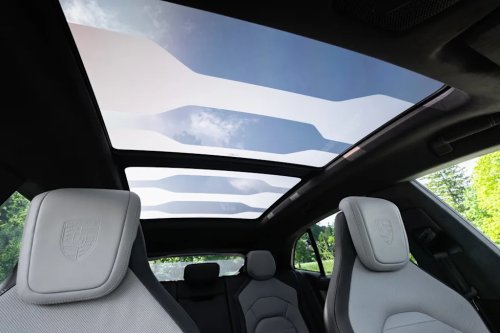



















Driven: 2026 Porsche Cayenne Coupe Electric Porsche (Porsche)Porsche knows its customers like a bartender knows their best barfly, often anticipating exactly what they want before they even land on the stool. They know that electric-vehicle owners slow-charge at home over 90 percent of the time, despite fast-charging speeds approaching 400 kilowatts. They know their Cayenne SUV is the breadwinner, and 40 percent of its North American customers choose the Cayenne Coupe; in fact, in Italy, it's closer to 83 percent, largely due to lower volume and maybe also taste. All of this is to say, it does seem absurd to expect Porsche's audience to sweat a little less headroom in a more stylish SUV with nearly as much horsepower in Turbo trim as a Ferrari F80.We drove the new Cayenne Coupe Electric on highways and twisty roads near Munich, Germany, as if the country's traffic cameras were unplugged. Even though the Coupe version has a swoopier roof and larger rear spoiler, its performance is just as incredible to experience as the boxier Cayenne Electric SUV. Even the mid-tier 657-hp Cayenne S Coupe Electric we drove, which wasn't equipped with Porsche Active Ride suspension, kept its hulking mass flat around corners. It's a breathtakingly rapid machine, capable of bullying far less practical sports cars on the autobahn in its higher trims.Porsche (Porsche)At 78.0 inches wide and weighing roughly three tons, the Cayenne Coupe cuts an imposing shape in others' rearview mirrors, so the cars temporarily ahead of it waste no time getting out of its path. It doesn't take too long to reach the base model's 143-mph top speed on a highway that accommodating. In the Turbo, the 162-mph Vmax takes nearly no effort to reach. It almost makes us forgive the fake V-8 noises coming from the speakers.Porsche (Porsche)Life comes at you fast from the driver's seat, where there's thankfully plenty of forward visibility, but looking in the rearview mirror the view gets a little tighter. Unlike in the SUV, the rear glass's frame has been curved inward at the corners to accommodate the third brake light. Still, the Cayenne Coupe is easier to see out of than the big-winged 911 GT3 it's bound to beat in the quarter-mile. (The GT3 needs about 11 seconds to run the quarter, but the Cayenne Turbo Electric shouldn't even need 10.)AdvertisementAdvertisementAside from the mini representation of the Cayenne you see on the 12.3-inch curved OLED touchscreen having the Coupe's shape, there are no interior tells that you're in the Coupe and not the SUV—if you're in the front row, at least. With a standard panoramic glass roof, the Cayenne Coupe's headliner begins sooner over the rear passenger's head. There's about an inch less headroom than in the SUV, and rear passengers approaching six feet tall will find resting their melons against the headliner more comfortable than on the actual headrest.Porsche (Porsche)As was true for its gas-powered analogue, the Coupe Electric loses its sliding rear seats to maintain reasonable headroom. That chopped top also slices nearly 10 cubic feet from overall cargo space. It's not nothing, but the Cayenne Coupe prioritizes other things we believe its buyers would value more, such as the Coupe's humongous active rear spoiler.The Turbo Coupe we sampled sported nearly a base Macan's worth of options to come in at $223,000. Among the richest: $10,900 for Porsche's ceramic-composite brakes, $7790 for the brilliant Active Ride suspension, and $3840 for the 22-inch SportTechno wheels painted Satin Pyro Red for another $1370 (21s are standard on the Coupe; 20s are also available). For $490, the automaker will apply big black decals on the lower portion of the front doors that scream "PORSCHE" at the Pomeranian waiting to board.The Coupe's brakes, powertrain, 108-kWh battery pack, trims, and drive modes are all identical to the longroof SUV's. To tempt customers into the Coupe (and maybe out of their Panamera GTS), it gets an exclusive Lightweight Sport package option. That replaces the glass roof with carbon fiber while adding black side skirts, a more aggressive lower front fascia, black wheel arches, and 22-inch wheels. The biggest drawback here is that the carbon roof removes the mounting hardware for adding roof storage. The package, which costs $10,360 to $18,850 depending on the model, shaves nearly 40 pounds from the EV—a suspiciously similar amount to the weight of that much money in $1 bills.AdvertisementAdvertisementPorsche says the Coupe Electric's sportier shape has improved the model's drag coefficient from 0.25 to 0.23. The result is an 11-or-so-mile-increase in estimated range—which would put it somewhere around 340 to 350 miles, by our estimates—and it trumps the Cayenne E-Hybrid Coupe's 0.34 drag coefficient too. The Coupe retains the SUV's kidnapped-frog front fascia and its square butt, but the more steeply raked glass and lower roof soften some of the SUV's bluntness.Porsche (Porsche)Initial models will begin reaching customers later this fall, with the Cayenne Coupe Electric starting at $116,150, the S at $133,550, and the Turbo at $170,350. That puts the price premium for looking cooler than the SUV at as much as $5000, or about $200 less than the optional wheels on the Turbo Coupe we drove. Porsche knows its customers, and we imagine plenty of them will continue to say the Coupe is worth it.➡️ Skip the lot. Let Car and Driver help you find your next car.Shop New Cars Shop Used CarsYou Might Also LikeGift Guide: Best Ride-On Electric Cars for KidsFuture Cars Worth Waiting For: 2025–2029