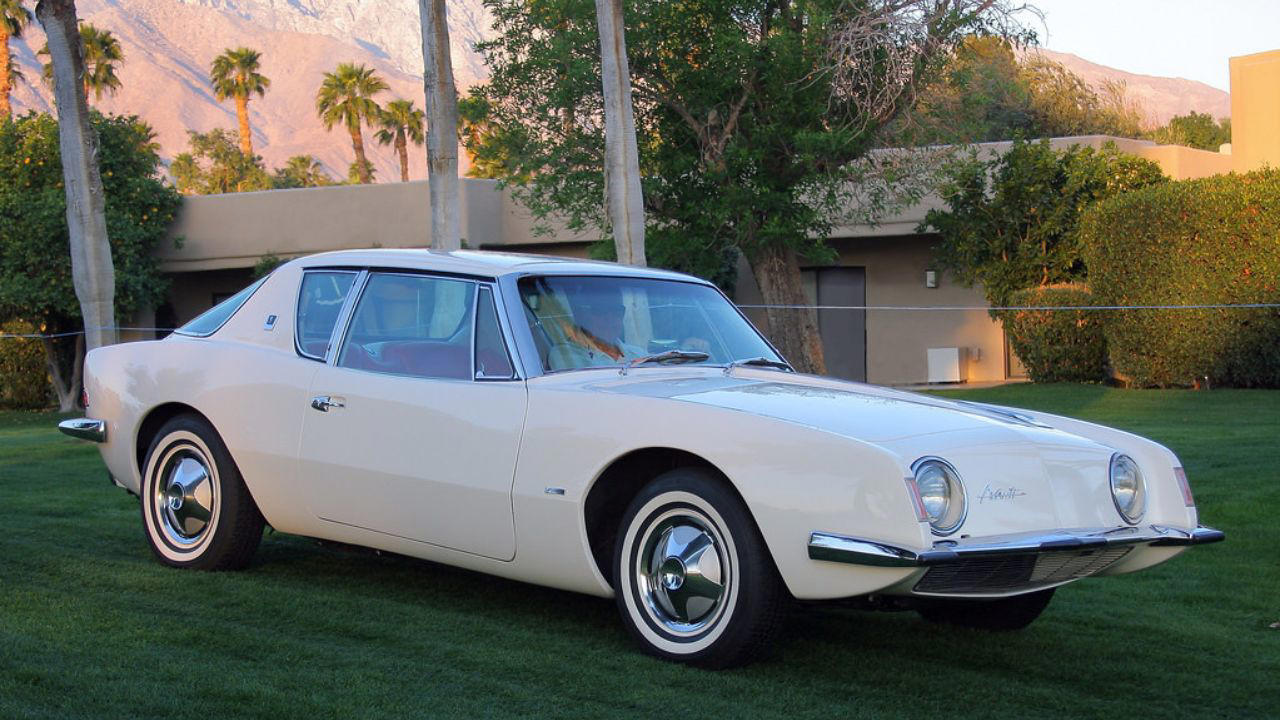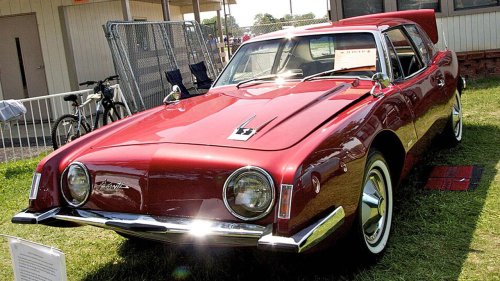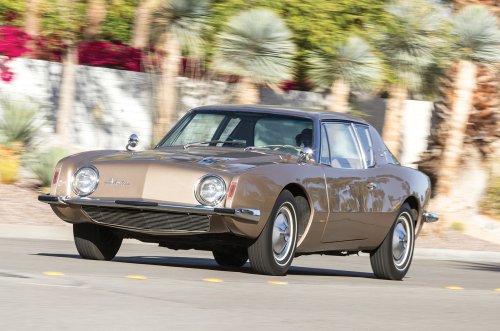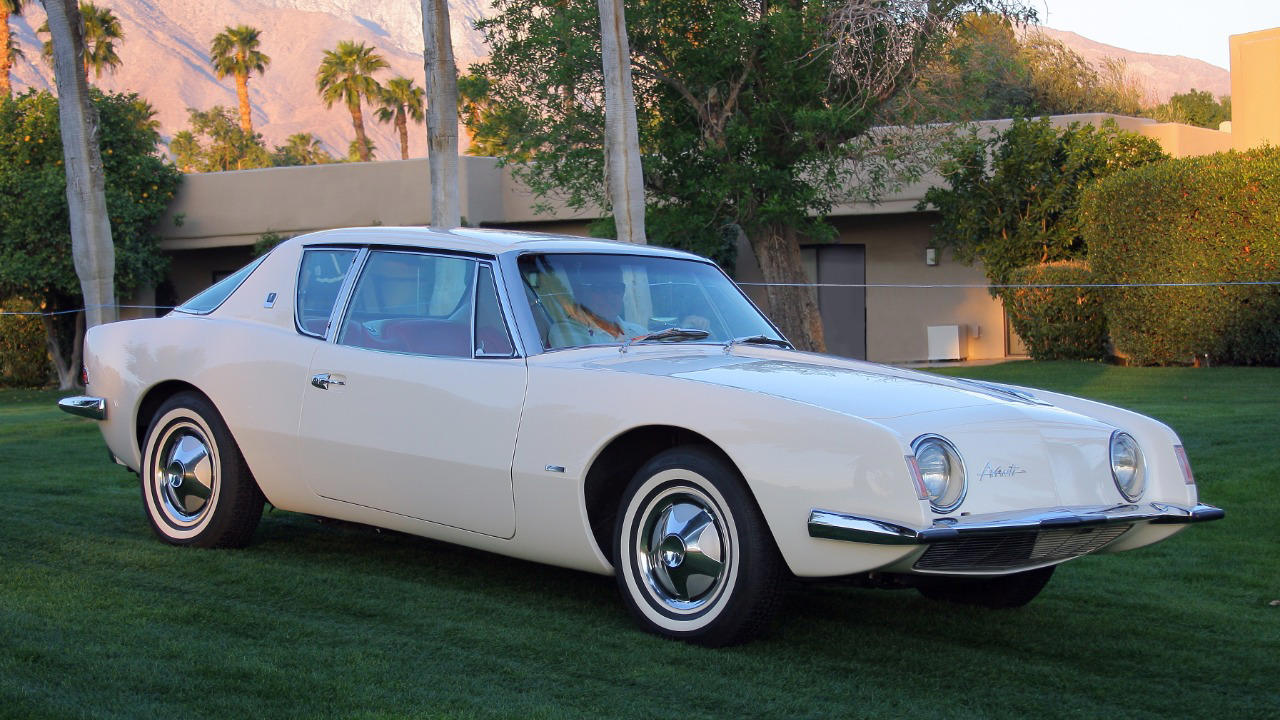



















Most drivers have never seen a 1963 Studebaker Avanti in person and there’s a reasonOn modern highways filled with crossovers and anonymous sedans, the 1963 Studebaker Avanti is almost mythical. Most drivers will never see one in traffic, and that is not just bad luck. The car was built in tiny numbers, sold for a very short time and carried a design and engineering package that made it both spectacular and difficult to produce. What survives today is a rare intersection of jet age styling, ambitious technology and corporate desperation. The Avanti was intended to save Studebaker, yet the very factors that made it special also guaranteed that it would remain a rare sight. The moonshot coupe Studebaker staked its future on The Avanti did not emerge as a cautious refresh. It was ordered up as a radical statement by Studebaker president Sherwood Egbert, identified in museum material as Sherwo, who wanted to make Studebaker cool again and commissioned a fiberglass bodied sports car with designer Raymond Loewy that became known simply as the Avanti. The company even handed the first production Studebaker Avanti to Rodger Ward for winning the 1962 Indianapolis 500, a symbolic gesture that showed how central this car was to the brand’s image campaign. From the start, the Avanti was treated as a halo model rather than a volume seller. One enthusiast account notes that Studebaker built only 5000 of these Avanti coupes, and that Jan and David They highlight how little was borrowed from other cars to create its unique shape, which meant the car was unlike anything else on the road and required significant bespoke work. That rarity was not accidental; it came from a deliberate decision to create a showcase car instead of a mass market product. Even within that small production universe, the most extreme versions were scarcer still. A period style feature on a 1963 Studebaker Avanti R2 describes it as an early muscle car and calls it the Fastest production in the world in 1963, then points out that Less than 500 m were built with the R2 supercharged engine and 4 speed manual transmission. That figure, “Less than 500 m,” has become shorthand among collectors for how few of the hottest Avantis ever existed. Fiberglass curves and firsts that complicated production The Avanti’s styling and construction did not just look futuristic, they made the car hard to build. The body used fiberglass instead of steel, chosen because, Given the complexity and subtlety of the Avanti’s curves, fiberglass was the most cost effective way to pull off the design. That same explanation notes that the car was also the first of its kind in several respects, which added engineering complexity on top of the unusual material. Fiberglass brought challenges that Studebaker’s traditional manufacturing lines were not set up to handle. Panels had to be molded, trimmed and fitted in ways that were very different from stamping steel. An Avanti fact sheet describes how many production problems concerning the fiberglass body and supply chain slowed output and ultimately contributed to Studebaker’s demise. That same General Year Information report on the Studebaker Avanti explains that The Avanti was developed at the direction of Studebaker leadership, but real world manufacturing never caught up with the ambition. Braking hardware told a similar story. The Avanti was hauled to a stop by Dunlop disc brakes at the front, a first in an American production car, as noted in a detailed history of the model’s early years. That same Rare Rides account points out that Studebaker planned to build far more Avantis than it ultimately did, but the advanced hardware and supplier issues meant the South Bend plant never came close to the targets and closed entirely in November 1967. Even enthusiasts who admire the car acknowledge that its innovations came with a price. A Facebook discussion of Avanti production and rarity notes that Studebaker Avanti production and rare components like the shortened and highly modified chassis made the car expensive to build and difficult to service in period. That same thread credits Jan and David They with emphasizing how little of the car was shared with other Studebaker models, which meant every Avanti body and many mechanical parts required special handling. Fastest on paper, bottlenecked on the assembly line On the performance side, the Avanti was designed to grab headlines. Supercharged R2 versions were marketed as the world’s fastest production car of their time, a claim repeated in enthusiast circles and supported by stories that celebrate the Studebaker Avanti as a car that could legitimately challenge European exotics in straight line speed. One such piece notes that Studebaker’s problem, as it turned out, was that they could not fill those orders, and that the manufacturer built just 4643 units before shutting down Avanti production. That same production summary underlines the mismatch between demand and output. Other accounts echo the idea that the Avanti was a jet age rocket that tried to rescue Studebaker but never got the volume it needed. A video review of a 1963 Studebaker Avanti R2 jokes that finding one today is like finding an honest politician, technically possible but requiring serious luck and persistence. That wry comparison captures how the car’s rarity on modern roads stems directly from a production run that ended prematurely. Contemporary enthusiasts often compare the Avanti to better known American icons. A Reddit discussion titled “1963 Studebaker Avanti: Design masterpiece or ahead of its time disaster?” opens with the observation that Everyone knows the Mustang and the Cor, yet far fewer people recognize the Avanti. Contributors in that Design debate thread argue that the car’s styling was either too strange to succeed or simply launched into a market that was not ready for such a clean, grilleless nose and coke bottle profile. At the time, Studebaker promoted the Avanti as America’s only four passenger high performance coupe, and period advertising for the 1963 Studebaker Avanti R2 leaned heavily on its status as the Fastest production in the world in 1963. Yet the same promotional material concedes that Less than 500 m of the R2 cars were built, which left very few examples to filter into everyday use. The combination of high performance, high price and limited availability meant that most buyers in 1963 and 1964 still chose more conventional models from larger manufacturers. Why most drivers have never seen one in person All of those production and design choices converge into a simple reality on modern streets. There were not many Avantis to begin with, and attrition has only thinned the herd. A Facebook group post about Studebaker Avanti production and rare components states flatly that Studebaker built only 5000 of these Avanti models, which makes them rare even before factoring in accidents, rust in the underlying frames and decades of neglect. Jan and David They, cited in that post, stress that the car’s unique structure, including a shortened and highly modified chassis, made repairs complicated and sometimes uneconomical for second or third owners. Another enthusiast overview of the 1963 Studebaker Avanti describes it as a Revolutionary Sports Coupe Design and notes that it was one of the most unusual shapes ever to appear at New York City shows of the period. That same Studebaker Avanti write up points out that the car’s radical styling limited its mainstream appeal. People either loved it or walked away, which kept sales modest even when the car was new. On top of that, the Avanti’s advanced technology created ownership headaches. The Dunlop front disc brakes that made it a pioneer among American performance cars also introduced unfamiliar maintenance requirements. The fiberglass body resisted rust but could crack or craze, and repairs required specialists. The fact sheet that outlines General Year Information for the 1963 Studebaker Avanti notes that many of these production problems and service challenges persisted even after Studebaker’s demise, when independent companies tried to keep Avanti style cars alive. Modern coverage of the Avanti often emphasizes how different the car looked on American roads. A social media feature describing the 1963 Studebaker Avanti as a daring leap into futuristic design highlights its sleek fiberglass body, lack of a traditional grille and overall profile that looked unlike anything else on American roads. That same Studebaker Avanti comparison pits it against the Ford Thunderbird and concludes that the Avanti was the bolder choice, but also the one fewer buyers made. Enthusiast videos today still describe the Avanti as a rare supercharged V8 coupe that was almost great, a car that pushed the boundaries of automotive technology with mixed commercial success. One such Mar feature frames the car as a fascinating near miss, a model that came close to changing the direction of American performance cars but arrived from a company that lacked the resources to see the project through. The afterlife: clubs, museums and a small but devoted following Although Studebaker stopped building Avantis in the mid 1960s, the car has enjoyed a long afterlife. The official Studebaker Avanti entry on Wikipedia lays out how the nameplate passed through several independent companies after Studebaker’s demise, with later versions updating the mechanicals while keeping the original profile. That Studebaker Avanti overview also underscores how the 1963 cars remain the most sought after because they represent the original factory effort. Clubs and specialty sites keep the history alive. The Avanti Owners Association International, accessible through aoai.org, catalogs surviving cars, technical data and restoration advice. A dedicated portal at theavanti.com gathers production figures, paint codes and historical photographs. The Studebaker National Museum, reachable via studebakermuseum.org, displays Sherwo’s own Avanti and explains how the car fit into Studebaker’s last big push to modernize its image. Even tire retailers nod to the car’s enduring enthusiast base. A partner link through Tire Rack has been used in connection with Avanti restoration content, reflecting the fact that owners often seek period correct or performance oriented rubber to match the car’s original intent. Social media groups focused on Studebaker history frequently reshare the same core facts. One post about the last Studebaker car production reminds readers that the Avanti’s curves demanded fiberglass and that it was also the first of its type in several engineering respects, details that help explain both why it was so admired and why it left the line in such small numbers. Another group entry about the 1963 Studebaker Avanti🔥 calls it a groundbreaking American sports coupe and emphasizes that it was a bold response to declining sales, reinforcing the idea that the car was as much a marketing statement as a product. In that sense, the scarcity of Avantis on modern roads is both a loss and a feature. The car was never common, and its survival today depends on a small network of collectors, clubs and museums that treat it as a design icon. For everyday drivers, that means the odds of spotting one on the commute remain slim. For those who do, the sight of a low, fiberglass Studebaker Avanti threading through traffic is a reminder of a moment when a struggling American manufacturer bet everything on speed, style and innovation, and created a car so ambitious that it could not possibly be ordinary. More from Fast Lane Only Unboxing the WWII Jeep in a Crate 15 rare Chevys collectors are quietly buying 10 underrated V8s still worth hunting down Police notice this before you even roll window down The post Most drivers have never seen a 1963 Studebaker Avanti in person and there’s a reason appeared first on FAST LANE ONLY.