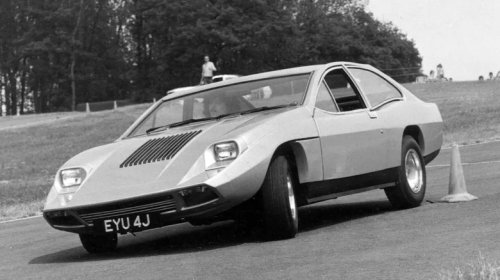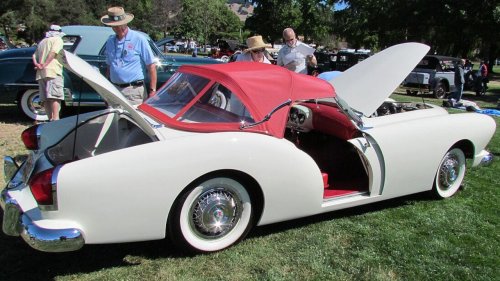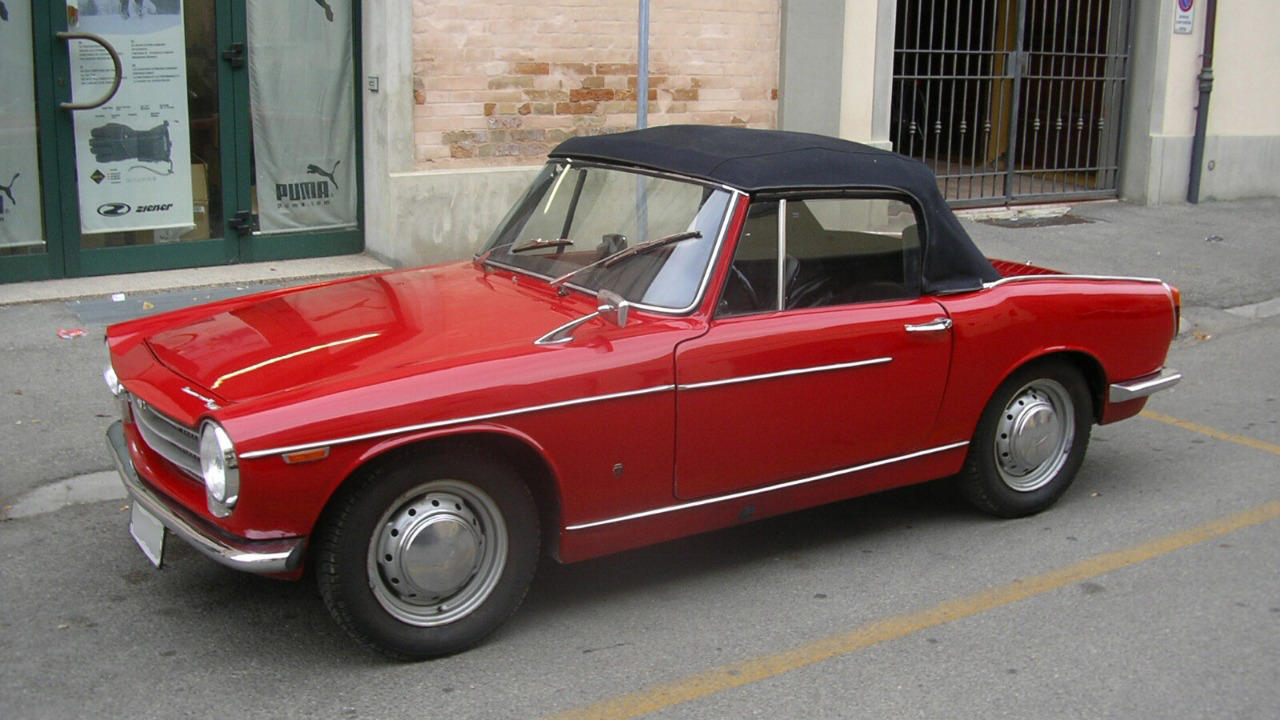



















Most drivers have never seen a 1966 Innocenti Spider but it carries Italian DNAMost drivers will go a lifetime without spotting a 1966 Innocenti Spider, yet the little roadster hides some of the purest Italian design DNA of the 1960s. Under its elegant body sits a very British heart, but the Spider and its related Innocenti Coupe show how a Milanese factory, a Turin coachbuilder and a Detroit born stylist turned the humble Austin Healey Sprite into something far more exotic. The Italian idea built on British bones To understand why the 1966 Innocenti Spider is so unusual, it helps to start with the company that built it. Innocenti was best known for scooters and industrial products before it moved into cars, and its route into four wheels ran through the British Motor Corporation. In 1959 Innocenti signed a (BMC) to manufacture its own version of the Austin based on proven British mechanical parts. That deal gave the Italian firm access to engines, gearboxes and suspension that were already engineered and tested, which was vital for a newcomer to car production. From that collaboration grew a series of small cars that mixed British hardware with Italian style. The Innocenti 950 Spider was one of the first, followed by the Innocenti C Coupe and later by The Innocenti Mini, which took the familiar Mini of British Motor Cor mechanical package and clothed it in a body manufactured in Milan. The strategy was simple and clever: let BMC handle the oily bits, and let Italian stylists and suppliers handle the shape, the cabin and the details that drivers would actually see and touch. That philosophy meant the Spider could be engineered quickly and sold with the reassurance of British reliability, while still feeling distinctly Italian. For many key components, Innocenti went local, fitting Italian items such as Marelli electrics and Veglia instruments to create a cockpit that looked and felt more upmarket than its British cousin. The result was a hybrid that did not quite belong to either side of the Channel, yet carried the character of both. Tom Tjaarda and the Ghia connection The visual magic of the Innocenti Spider did not come from the factory alone. It came from Officine Stampaggi Industriale, better known as OSI, a venture established by Ghia to handle limited production bodies. Plans were drawn up for the assembly of a rebodied Sprite by Officine Stampaggi Industriale, with OSI using its experience as a Ghia linked operation to turn a British sports car platform into something that looked ready for an Italian coastal road. The mechanical base remained familiar, but the sheet metal and proportions were completely rethought. The man who shaped that metal was Tom Tjaarda, an American born designer who built his career in Italy. By the early 1960s he was working with Ghia, and his portfolio would eventually include some of the most recognisable Italian cars of the era. His work on the Innocenti Spider gave the compact roadster a low nose, clean flanks and a tail that looked more refined than the upright rear of the Austin Healey Sprite. The car that emerged was, in the words of one detailed account, a truly remarkable car in that it is essentially an Austin Healey Sprite underneath its Italian skin, designed by Tom Tjaarda to appeal to a different kind of buyer. OSI did more than just press panels. The Spider was not a simple reshell, since the entire bulkhead was moved forward to allow longer doors and a more modern stance, a change that altered the car’s proportions and cabin space. Combined with the low scuttle and neatly integrated bumpers, the Spider looked like a purpose built Italian sports car rather than a British import with new clothes. That was exactly the point for Innocenti, which wanted to sell a car that felt homegrown even if its engine and gearbox had crossed from the United Kingdom. From 950 Spider to C Coupe The Innocenti 950 Spider arrived at the 1960 Turin Motor Show with its Italian body wrapped around British running gear. At the Turin Motor Show Innocenti introduced their 950 Spyder, and a total of 624 examples would eventually be created on the British sourced mechanical base. The figure of 950 referred to the engine capacity, and it became part of the model’s identity in period brochures and badges. The Spider offered buyers a small open car that felt more luxurious than the donor Sprite, with better trim and switchgear that transformed the basic character of the vehicle. Inside, the Spider featured touches that British drivers of the time would have envied. A lockable glovebox, courtesy lights and improved trim gave the cabin a more sophisticated feel, and Italian suppliers such as Marelli and Veglia helped lift the perceived quality. While the Austin Healey Sprite was designed as a bare bones sports car, the Innocenti version aimed to be something a little more refined. Some cars were fitted with a removable hardtop, which turned the Spider into a snug coupe for winter use and underlined its dual personality. In 1966 Innocenti extended the formula with the C Coupe, a fixed roof companion to the open Spider. The Innocenti Coupe shared its basic platform with the Austin Healey Sprite, but its styling was more formal, with a fastback roofline and wider rear fenders that gave it a planted stance. The fenders on the Innocenti Coupe were wider than those on the Sprite, so the wheels required a slightly wider offset to fill the arches properly. The 13 x 4 inch wheels and their fitment were small details, yet they contributed to the car’s distinctive look. Where the Spider was light and breezy, the Coupe felt more serious. The Innocenti C Coupe is described as one of the rarest coach built cars based on the Austin Healey Sprite built by Innocenti, and its rarity has only grown as the decades have passed. From 1965 to 1968 production remained limited, and by the time the line ended, only 63 cars were built in 1965 and just 63 cars were left when production ended in 1968 according to period figures. Those numbers help explain why even dedicated car enthusiasts can go years without seeing one on the road. How the Spider drove, and why it felt different On paper, a 1966 Innocenti Spider did not look dramatically different from an Austin Healey Sprite. The engine size, gearbox layout and suspension design were shared, and the performance figures were similar. The surprise came in the way the Italian bodywork and trim changed the experience. A truly remarkable car in that it is essentially an Austin Healey Sprite underneath its Italian skin, the Spider used its lighter body and carefully chosen materials to keep weight under control despite the extra comforts. Plans were made for the assembly of a rebodied Sprite by Officine Stampaggi Industriale, and OSI worked to keep the weight of all the accouterments from blunting the car’s agility. The Spider retained the lively steering and nimble handling that made the Sprite popular, but the longer doors and adjusted bulkhead gave it a more relaxed driving position. Drivers sat slightly further back, with a lower scuttle line in front of them, which altered the sense of speed and the view over the bonnet. The Coupe felt more substantial. The Innocenti Coupe used the same core components, yet the fixed roof and wider fenders added weight and changed the way the car responded on bumpy roads. The fenders on the Innocenti Coupe were wider than those on the Sprite, and the slightly wider wheel offset gave it more grip in fast corners. The car was still small and light by modern standards, but it had a more settled, grown up character that appealed to drivers who wanted style as much as raw performance. Both versions benefited from the mix of British and Italian parts. For many other parts, Innocenti went Italian, with Marelli electrics and Veglia instruments helping to create a cabin that felt like a scaled down grand tourer. Items such as switches and door handles were sourced with an eye on perceived quality, and the result was a car that looked like a miniature version of more expensive Italian machinery, even if its power output remained modest. Rarity, survival and the collector market The Innocenti Spider and C Coupe never sold in huge numbers, even in their home market. The Spider could also be ordered with a removable hardtop, and fewer than 7,000 examples of the various Spider versions were eventually sold altogether according to enthusiasts who track production. The C Coupe was even more exclusive, with production figures that barely register compared with mass market sports cars of the same era. As more modern competitors arrived and as the British built Sprite was updated, sales of the Italian variants dropped. By the time production ended in 1968, only 63 cars were built in the final phase, a tiny number that guaranteed future rarity. Many cars were driven hard and scrapped when rust or mechanical neglect made repairs uneconomic, and survivors tended to end up in the hands of dedicated collectors who appreciated their unusual mix of origins. One detailed profile of a surviving 1966 Innocenti Coupe describes how the car, finished in a period correct color with original style wheels, drew attention from onlookers who had never heard of the model. The Innocenti C Coupe is one of the rarest coach built cars based on the Austin Healey Sprite built by Innocenti, and that scarcity has begun to influence values. Cars that were once obscure curiosities are now seen as important pieces of Italian coachbuilding history, particularly when they retain original details such as Veglia instruments and Lucas turn signals. The Spider has followed a similar path. While it shares many mechanical parts with the Sprite, its body panels are unique and difficult to replace, which makes restoration challenging. Enthusiasts often rely on small networks of specialists and owners to source parts, and some components must be fabricated from scratch. That complexity has kept the pool of restored cars relatively small, which in turn keeps them special when they appear at shows or on the road. Italian DNA in a global story The story of the 1966 Innocenti Spider is not just about one car, but about how Italian design and British engineering intersected in a specific moment. Joining forces with BMC, which was keen to get a foothold in the restrictive Italian market, saw Innocenti build cars that could be sold locally while still using proven British components. That collaboration produced not only the Spider and Coupe, but also The Innocenti Mini, which took the Mini of British Motor Cor concept and adapted it for Italian tastes. More from Fast Lane Only Unboxing the WWII Jeep in a Crate 15 rare Chevys collectors are quietly buying 10 underrated V8s still worth hunting down Police notice this before you even roll window down The post Most drivers have never seen a 1966 Innocenti Spider but it carries Italian DNA appeared first on FAST LANE ONLY.