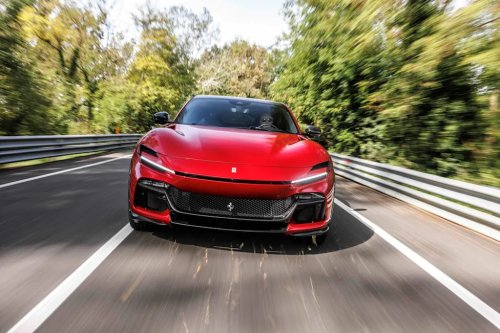
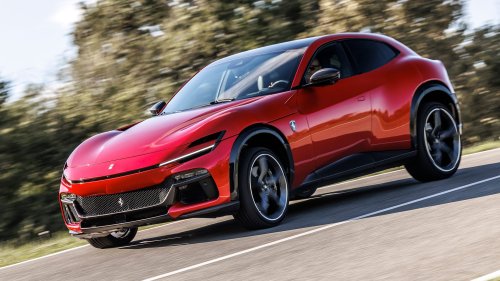
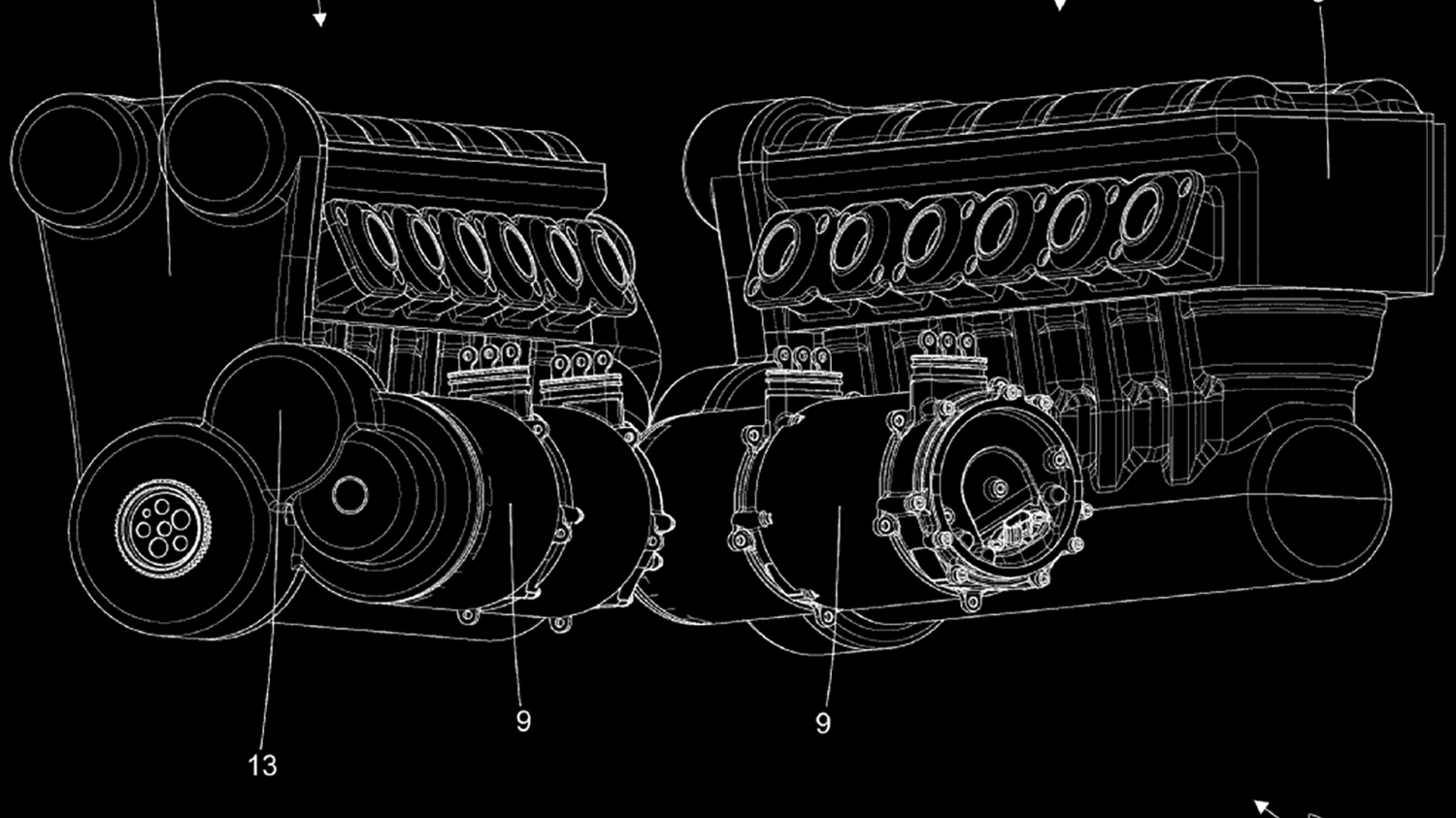
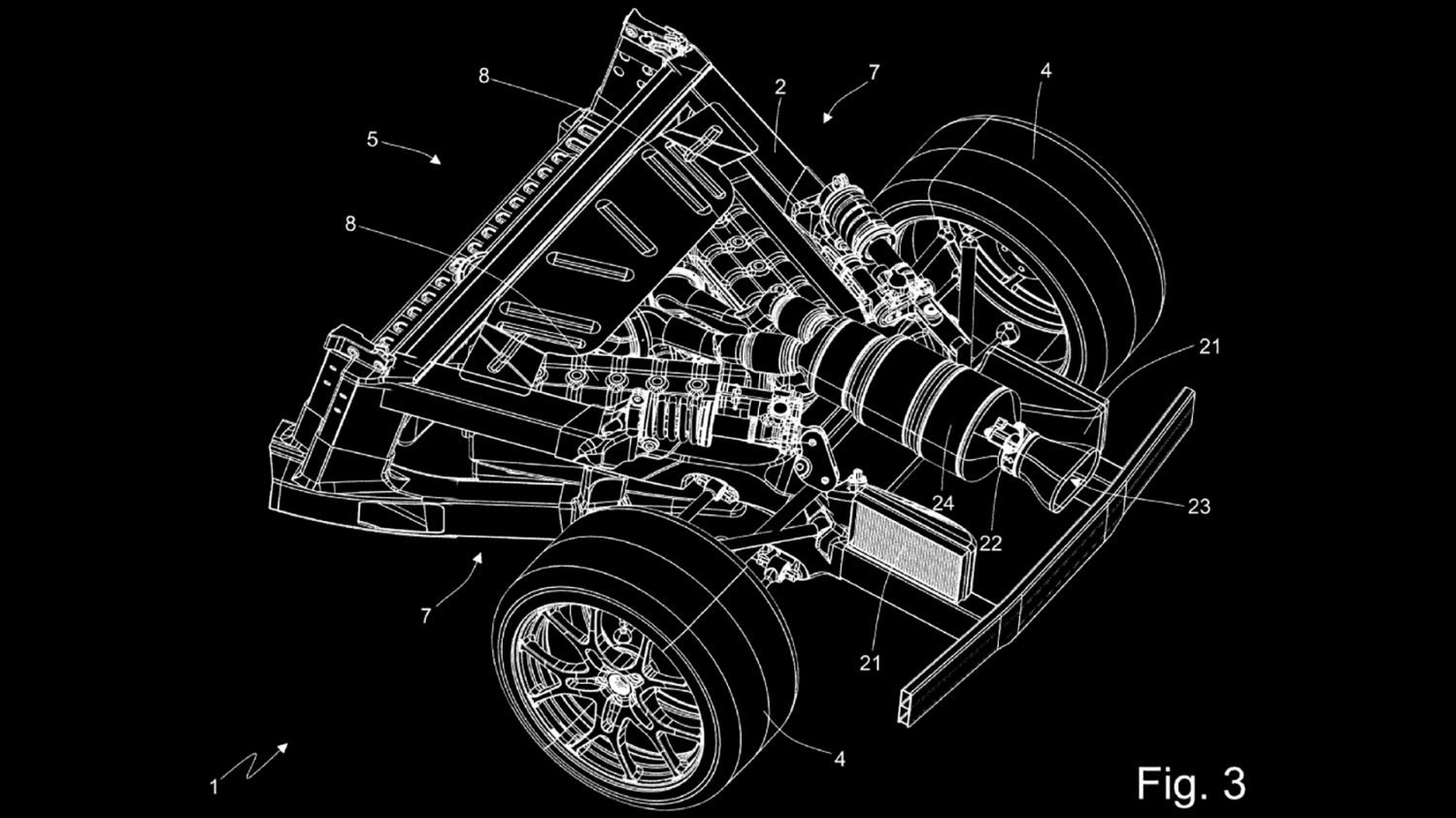
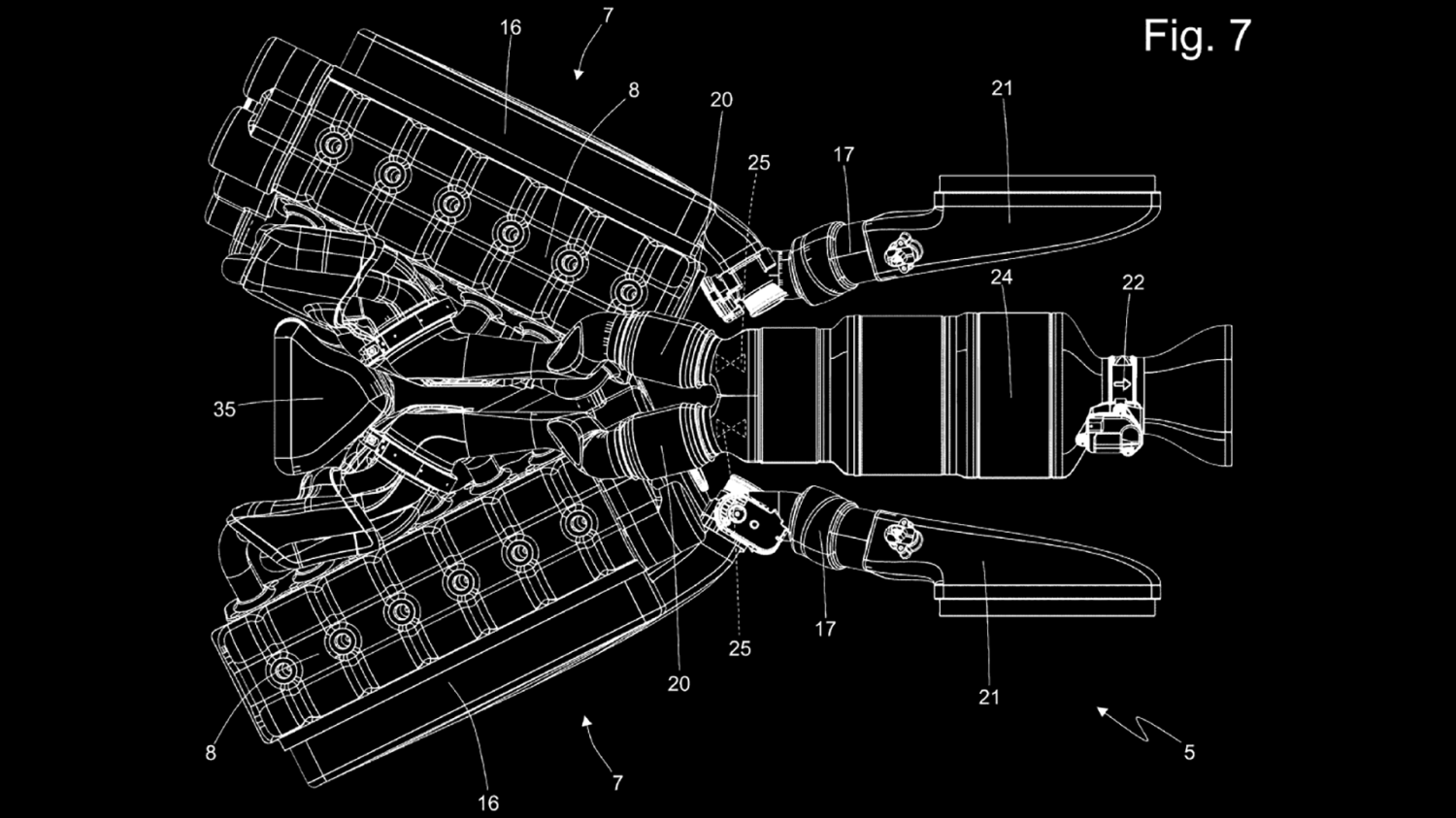
A new Ferrari V12? CarBuzz has just uncovered a series of patents from Ferrari that show it's working on making new 12-cylinder vehicles viable. But this isn't a flat-12 or a V12 like anything we've ever seen before. The patents show an assembly that puts two inline-six engines together forming a V-shape in a very non-traditional sense. And, you're never going to believe how they want to do it. Only Ferrari Would Make A Hybrid With Two EnginesFerrari/USPTO The first patent is for something that we've seen before. It describes a way to control a gas engine and an electric generator, where neither is connected to the wheels. It's an extended-range hybrid system, basically. The second patent describes a way to create this EREV but with two different engines in the system. Strange, but okay.With the third patent, however, Ferrari's engineers went off the rails. It shows two inline-six engines arranged in a vee layout. But this one isn't a vee if you're looking down the crankshaft like every other vee engine. No, the two engines are in a vee when you're looking down from above. They're only connected by sharing the same exhaust pipe.Ferrari/USPTO Ferrari's engineers describe using two engines, each one connected to its own generator. This isn't a normal hybrid system; it's a series hybrid where the engines are only used to make electricity. From there, electricity drives other motors to turn the wheels.The generators are mounted inside the vee, but even that mounting is strange. Because the two generators would fight for the same space otherwise, one engine faces forward and one faces rearward. So one generator is closer to the point of the vee and the other is at the open end. Can this get weirder? Yes, it can.We're not done with the strange engineering decisions, because Ferrari has even more. For example, it describes being able to control the two engines separately. Bringing them into phase, firing at the same times, for one particular kind of sound and then bringing them into the opposite phase for a different noise. We can't think of any practical reasons for this, other than to let future Ferraris make Ferrari noise when you mash the accelerator. Double Mid-Engine Extended Range EV Ferrari/USPTO Connecting the engines through the exhaust is more than just a packaging exercise. Ferrari wants them to actually be linked. A valve would open and close the "interconnection duct" based on if one or both engines are running at that time. This is likely for scavenging and better flow. Combining the two into one outlet would make sure the catalytic converter was up to temperature more of the time.The ideal vee angle, at least per the patents, would be between 20 and 30 degrees. Ferrari shows a battery pack or fuel tank in the open end, which could go up to 45 degrees. Both engines would sit between driver and rear wheels, so it would be a mid-engined EREV with a more traditional Ferrari supercar balance.So to sum up: a two-engine series hybrid, where the car would run one engine when you were only asking for a little power and both engines when you want more. And those engines could run together or opposite. Could anyone other than Ferrari have come up with this one?Don't picture two large I6 engines, they'd never fit in the car. Instead, two smaller-sized engines that could keep the battery charged or at least slow the bleeding during extended full-throttle runs. Ferrari has experience building tiny engines, dating back to its original Colombo V12. The first of those was only 1.5-liters.In any case, it's a wild idea that shows how far a car company is willing to go to keep internal combustion and 12-cylinder power alive.Patent filings do not guarantee the use of such technology in future vehicles and are often used exclusively as a means of protecting intellectual property. Such a filing cannot be construed as confirmation of production intent.Source: USPTO



















 +61 others