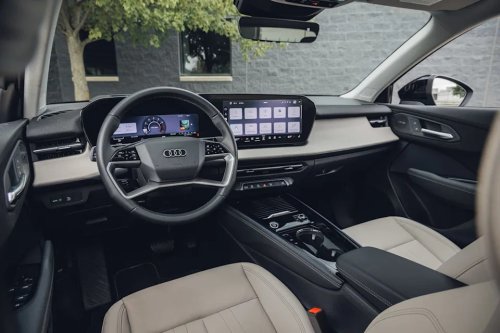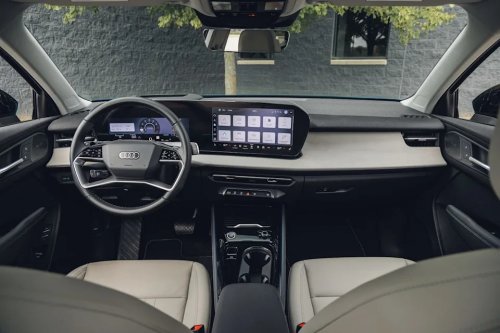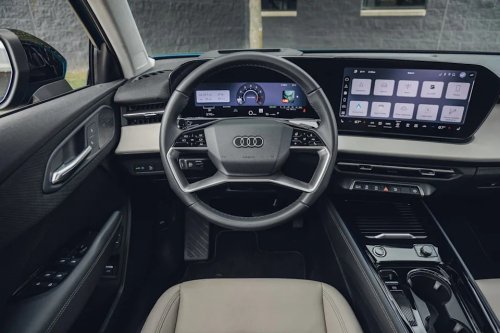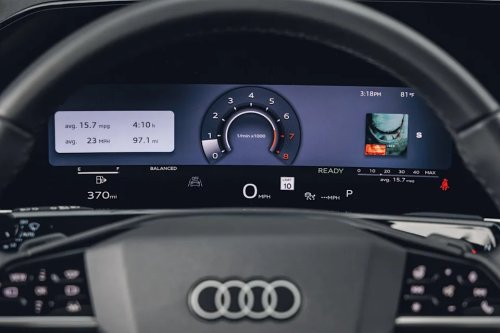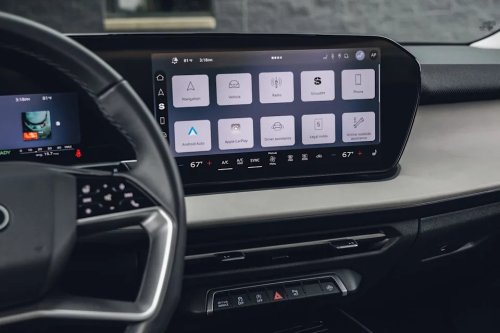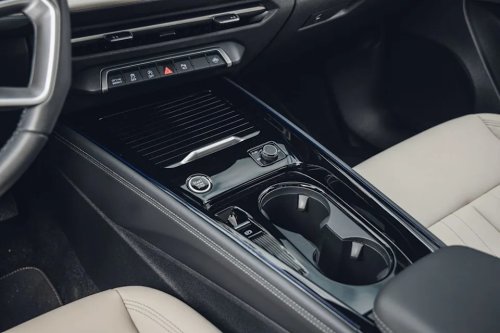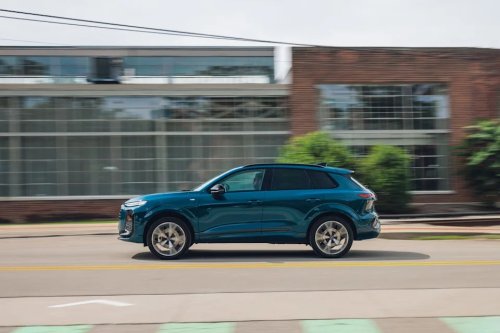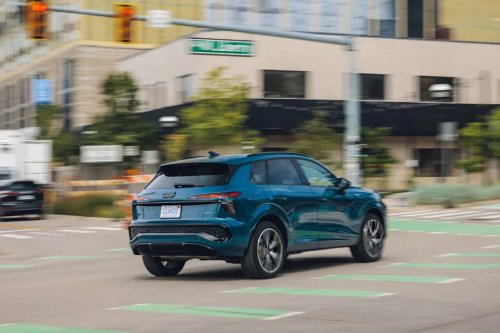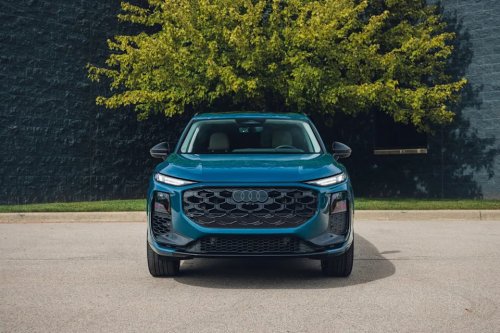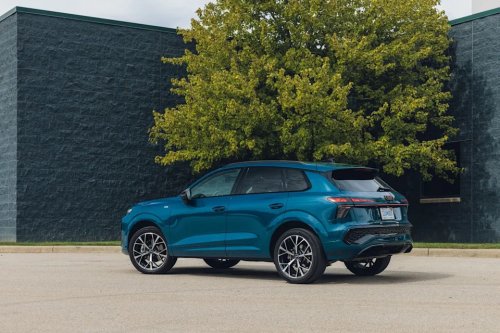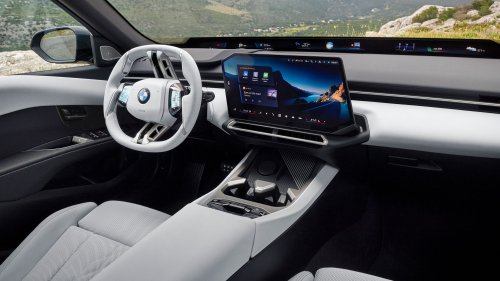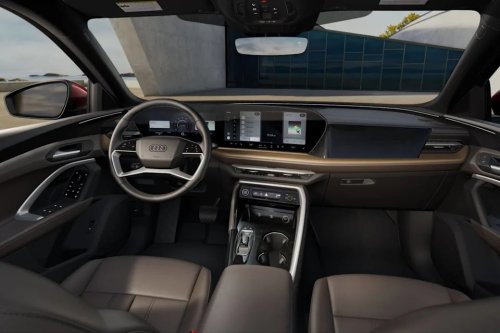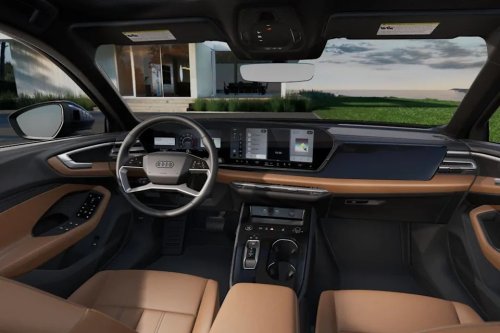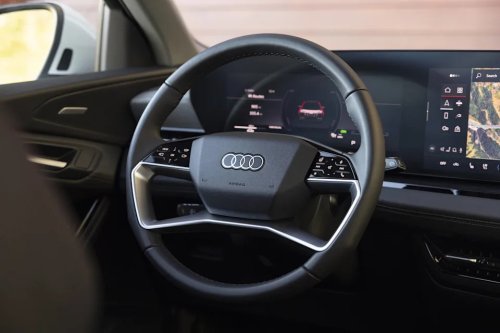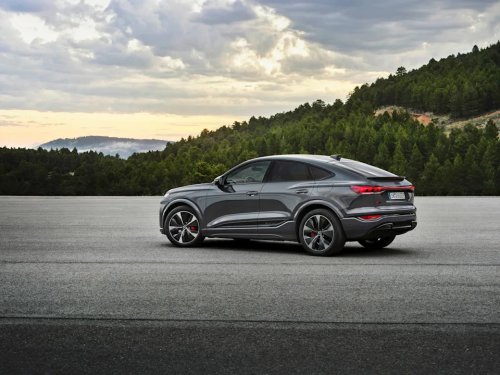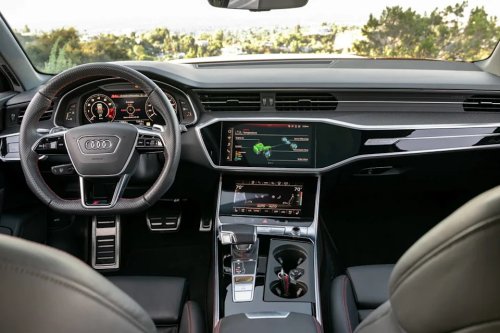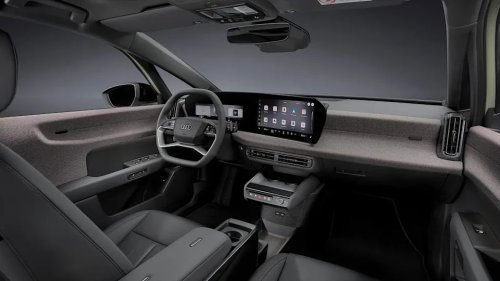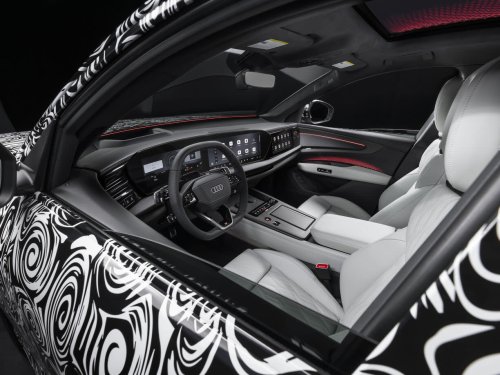
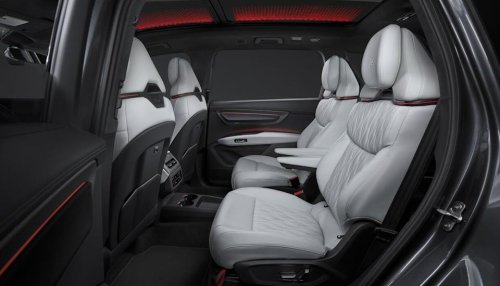
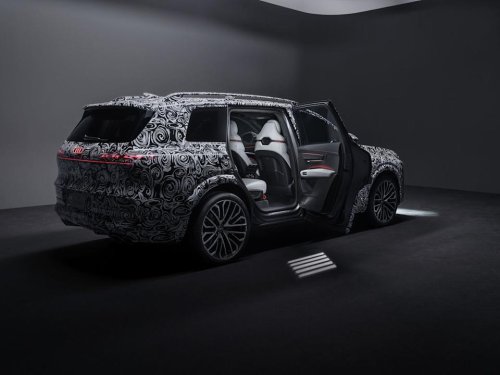
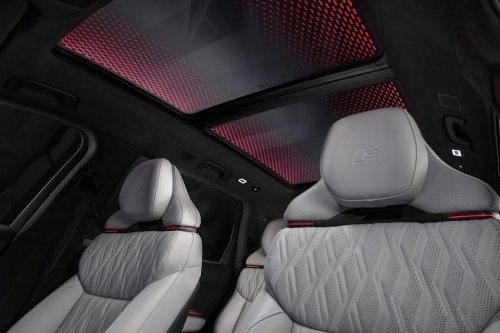
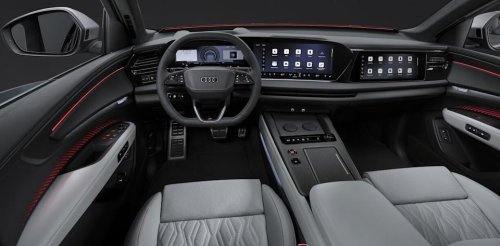



















Our first look inside the upcoming Audi Q9Rumors of a flagship SUV from Audi have swirled for years and now the brand is ready to begin the rollout, revealing the first ever images of the Q9.Audi has provided a first look at the interior of its upcoming Q9, a vehicle that will serve as the brand's premiere full-size flagship SUV when it debuts later this year. Following years of speculation regarding a larger competitor to the BMW X7 and Mercedes-Benz GLS, the Ingolstadt automaker appears to be positioning the Q9 not merely as an elongated Q7, but as a distinct exercise in luxury and cabin technology.The announcement signals a shift in the Audi "Vorsprung durch Technik" philosophy. Under CEO Gernot Döllner, the brand is increasingly prioritizing the digital and physical environment of the cabin over traditional mechanical metrics. As the automotive industry pivots toward autonomous capabilities and software-defined platforms, the Q9 represents Audi's attempt to redefine the SUV as a mobile living space.Audi Q9 Interior View Gallery 14 photos Seating and Spatial VersatilityCentral to the Q9's appeal is its footprint. While technical dimensions remain under wraps until the official world premiere in July, Audi confirmed the vehicle will offer both six- and seven-seat configurations. The six-seat layout utilizes individual electric captain's chairs in the second row, a move aimed squarely at the executive transport and high-end family markets.AdvertisementAdvertisementPracticality for larger families has been addressed through an updated entry system. To access the third row, the outer seats of the second row slide and tilt forward electrically. Crucially for parents, Audi notes this can be done without removing child seats, which can be secured across all three positions in the second row. The third-row backrests are also power-folding, allowing for quick transitions between passenger capacity and cargo volume.Entry Systems and Glass TechnologyThe Q9 introduces several production firsts for the brand, most notably the implementation of fully electric doors. These can be operated via push-button from the interior or remotely through the myAudi app and key fob. To streamline the driver's experience, the doors can be set to close automatically when the brake pedal is depressed or the seatbelt is buckled.Safety remains a factor in these automated systems. Surround sensors are integrated to detect obstacles, preventing the 90-degree opening doors from striking parked cars or walls. Furthermore, the system includes exit warning technology to prevent doors from opening into the path of approaching cyclists or vehicles.Above the occupants, a 16-square-foot panoramic sunroof serves as a centerpiece of the cabin atmosphere. The glass utilizes Polymer Dispersed Liquid Crystal technology, allowing passengers to switch nine individual segments between transparent and opaque states. This eliminates the need for a mechanical sunshade while blocking 99.5 percent of UV radiation. When parked, the roof defaults to an opaque setting for privacy and thermal management.Sensory Integration and Interior MaterialsThe digital architecture of the Q9, which Audi refers to as the Digital Stage, is anchored by a panoramic MMI display. This is complemented by a dynamic interaction light strip at the base of the windshield that provides visual feedback for vehicle functions and navigation.AdvertisementAdvertisementIn a collaboration with Bang & Olufsen, the Q9 debuts a 4D sound system. Beyond the traditional 3D audio arrays and headrest speakers, the system incorporates actuators built into the front seats. These units translate low-frequency signals into physical vibrations, allowing occupants to feel the audio.Material choices reflect a move away from high-gloss plastics, which have drawn criticism in recent years for attracting fingerprints and glare. Instead, the Q9 cabin makes extensive use of matte finishes, open-pore wood such as fine grain ash, and sustainable microfibers alongside Nappa leather. The color palette has been expanded to include earthier tones like tamarind brown and stone beige, intended to create a more subdued, architectural aesthetic.AdvertisementAdvertisementUtility and Power DeliveryRecognizing the power demands of modern devices, the center console features dual magnetic wireless charging pads compatible with the Qi2.2 standard. For wired devices, USB-C ports provide up to 100 watts of power delivery, sufficient for charging most laptops.Cargo management has also seen a redesign. A new aluminum rail system in the trunk uses sliding hooks and adjustable anchors to secure items in three dimensions, a more sophisticated solution than the traditional floor-mounted nets.Audi is expected to reveal the exterior design, powertrain options, and pricing for the Q9 at the world premiere on July 28, 2026. Given the current market trajectory, it is likely the lineup will feature a mix of mild-hybrid and plug-in hybrid options, though full technical specifications remain a matter of anticipation.