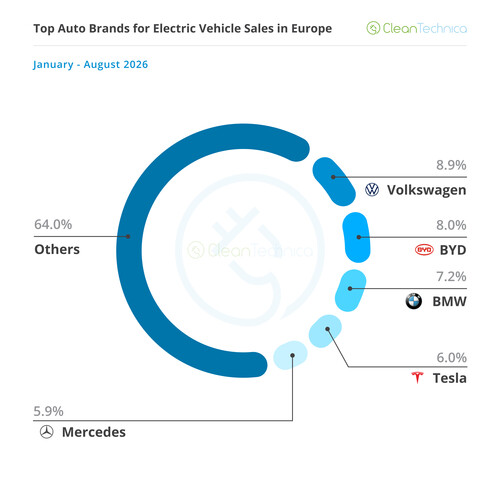
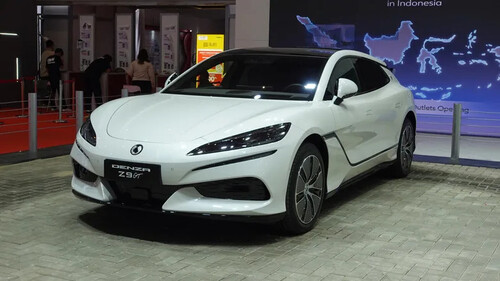
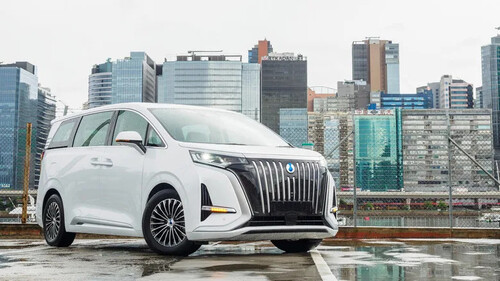
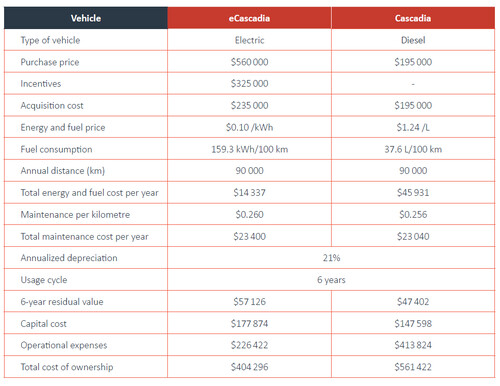
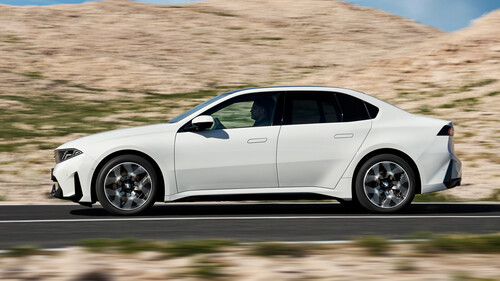
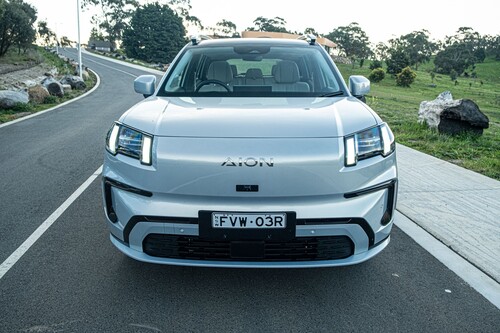
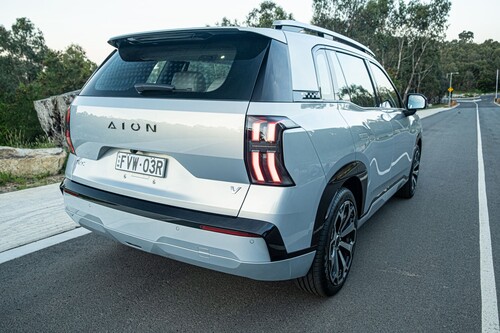
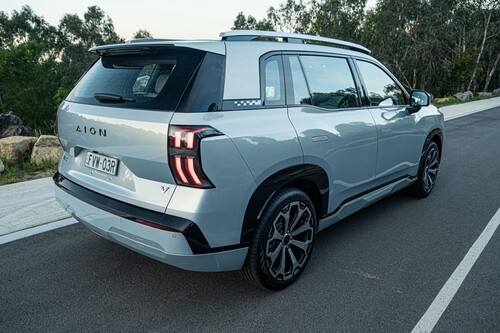
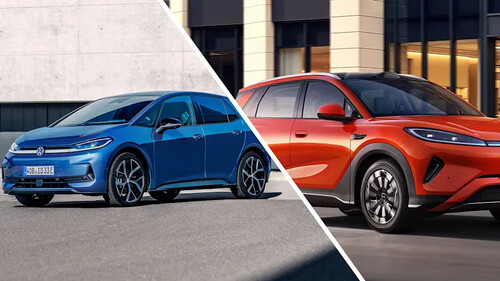
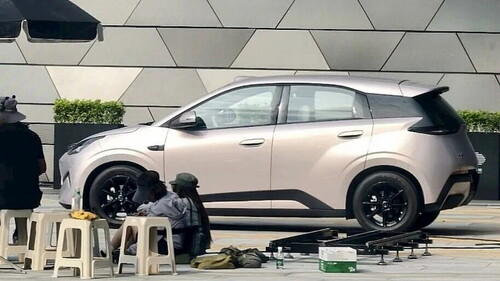
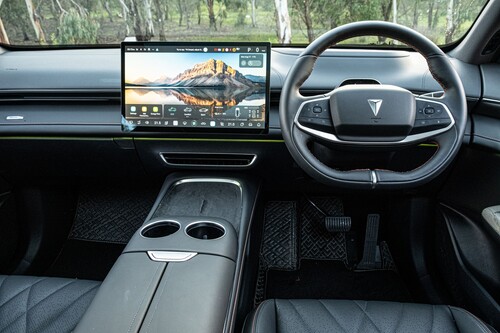
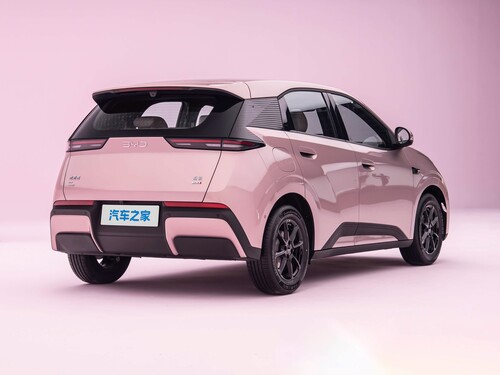
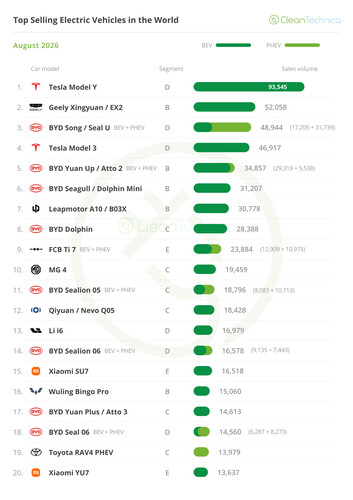
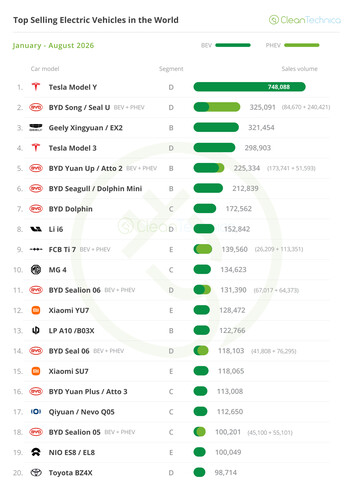
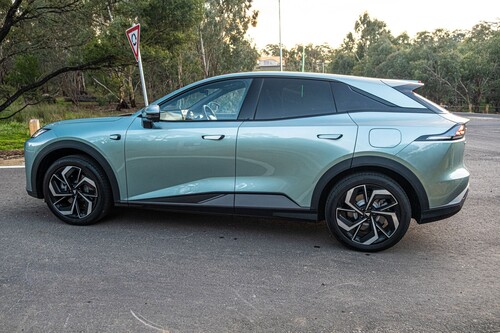
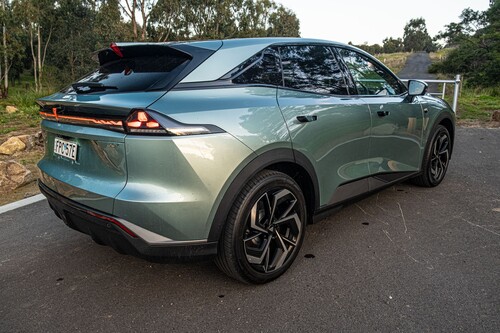
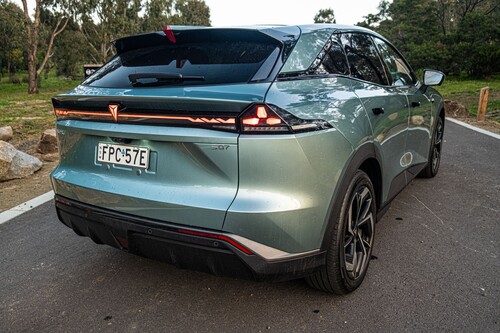
Soaring gas prices have drivers turning to EVs — except in the USThis analysis and news roundup come from the Canary Media Weekly newsletter. Sign up to get it every Friday.As the war in Iran spikes gasoline prices around the globe, drivers in many countries have headed for an obvious emergency exit: EVs. But buyers in the U.S. aren’t following suit, and a lack of affordable EV options is a big reason why.While global EV sales plunged in January and February from 2025’s record heights, they rebounded in March and April, according to data out this week from Benchmark Mineral Intelligence. That’s largely thanks to a surge in Europe, where EV sales were 27% higher this April than the same month last year. Rising gasoline prices fueled the region’s market, BMI says, as did the increasing availability of cheap Chinese EV imports.AdvertisementAdvertisementThe latter is exactly what the U.S. lacks. While used EVs are now cost-competitive with used gas cars, that’s not the case for new models. The cheapest new EV sold in the U.S., the Nissan Leaf, starts at just under $30,000. But in China, dozens of EVs retail for around $25,000 or less, including several models from BYD, which surpassed Tesla as the world’s top EV seller earlier this year. And while the Asian superpower has ramped up exports to Europe, Latin America, and, more recently, Canada, its cars face a 100% tariff and national security rules in the U.S. that make them impossible to sell.It’s not that U.S. drivers aren’t interested in electrifying their ride. Shopping sites Cars.com and CarGurus both say searches for EVs have jumped since the Iran war began. And a February survey from Cox Automotive found nearly half of Americans considering an EV would pick the Chinese-made Geely Xingyuan over a Tesla Model Y, while 38% would select BYD’s Seagull over the Tesla.But letting Chinese EVs into the U.S. is a scary prospect for domestic automakers. The American EV sector is only just finding its sea legs, having been knocked back time and time again by tariffs, politics, and the federal tax credit rollback. It’s probably not reassuring that President Donald Trump has said he’s open to Chinese investment in the U.S., provided companies use American labor — and that Trump’s meetings this week with Chinese President Xi Jinping similarly indicated a softening in relations.“[U.S. automakers are] absolutely more than worried — they’re scared stiff,” Michael Dunne, chief executive officer of automotive consultancy Dunne Insights, told Politico. “Imagine if the Chinese come in with a $25,000 EV. That could catch like wildfire.”AdvertisementAdvertisementFor now, though, BYD in the USA remains miles down the road — if it’s a destination we ever reach at all.More big energy storiesOn wind and solar, Interior won’t go down without a fightInterior Secretary Doug Burgum on Wednesday affirmed that the Trump administration will appeal a ruling that struck down Interior Department policies stymieing wind and solar permitting.Last month, a federal judge ordered the administration to stop enforcing five actions that effectively blocked all wind and solar energy permitting on public land, including a policy that required Burgum to personally sign off on projects that need federal permissions. The blockade was “arbitrary and capricious,” the judge said, especially considering permitting for fossil fuel companies marched on as usual.AdvertisementAdvertisementCongress has been trying for years to enact bipartisan legislation to reform energy permitting, but Trump’s anti-renewables crusade has led Democrats to repeatedly back out. This appeal is likely to derail reform attempts once again, as two senators said last month they’d cooperate only if the Interior Department lets solar and wind projects keep rolling.Geothermal innovation keeps heating upThis week marked a milestone for the geothermal industry — a potentially key piece of the push to secure clean, 24/7 power.On Wednesday, Fervo Energy became the first next-generation geothermal company to go public, bringing in $1.9 billion from its IPO and securing a valuation of about $7.7 billion, Canary Media’s Dan McCarthy reports. While traditional geothermal energy production has been limited to certain geologic areas, like volcanic regions, Fervo is borrowing drilling techniques from the fossil fuel industry to access deep-down heat in more locations.AdvertisementAdvertisementAnother thing geothermal may be able to borrow from oil and gas drillers? Their abandoned wells. The U.S. is littered with these sites, many of which have no clear owner and are polluting the air and groundwater, Canary’s Maria Gallucci reports. A growing number of both Republican- and Democratic-led states are exploring whether these wells could be repurposed for geothermal energy production — a complicated task with huge potential upside.Clean energy news to know this weekFossil fuels all the way down: In rural Jasper County, Indiana, residents are fighting to shut down a 50-year-old coal plant running past its prime, while also staring down another polluting prospect: a new gas plant to power a data center. (Canary Media)Tapping the brakes: President Donald Trump says he supports suspending the federal gas tax, though even Republicans in Congress are reluctant to move on his call to action. (Politico)Clean power climbs: A new dashboard that tracks national and state-level progress on deploying clean energy finds that the U.S. produced nearly three times as much solar, wind, and geothermal power in 2025 as it did in 2016. (Environment America, news release)AdvertisementAdvertisementGenerating controversy: Elon Musk–led company xAI has installed dozens of “temporary-mobile” gas turbines in Mississippi to power its data centers, which remain exempt from state oversight even as neighboring residents push back over pollution and noise concerns. (Mississippi Today)Inside offshore wind communities: After months spent interviewing residents in three offshore wind hubs in Connecticut, Maryland, and Massachusetts, researchers find that communities are excited by the projects’ economic promise but are unsure it’ll last once construction is finished. (NBC Connecticut)Georgia’s nuclear warning: Utility customers are still paying the cost of Georgia Power’s addition of nuclear reactors to Plant Vogtle, which ran seven years behind schedule and more than two and a half times over budget, providing a cautionary tale for advocates of the energy source. (Inside Climate News)Mercury rising: Coal power plants released 9% more mercury in 2025 than they did a year earlier — a number that will likely grow as the Trump administration looks to expand coal power generation and loosen regulations that could curb the toxic pollutant. (New York Times)