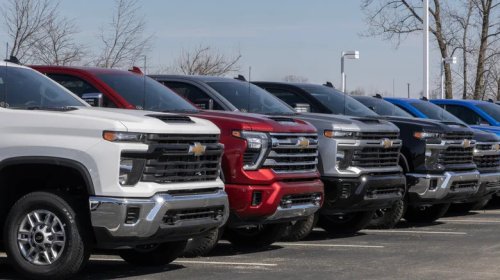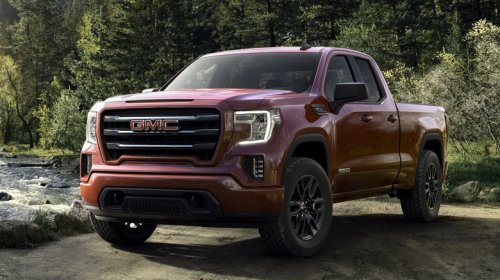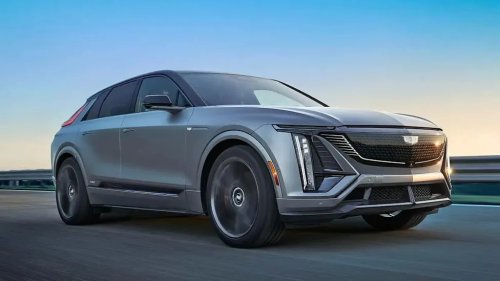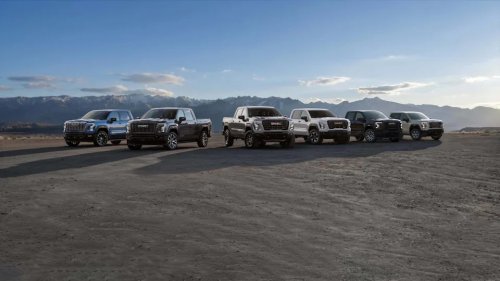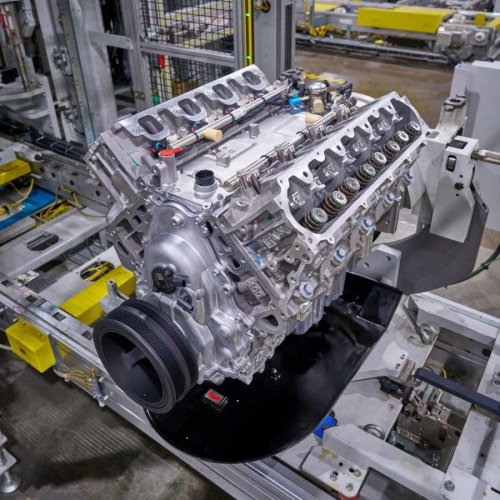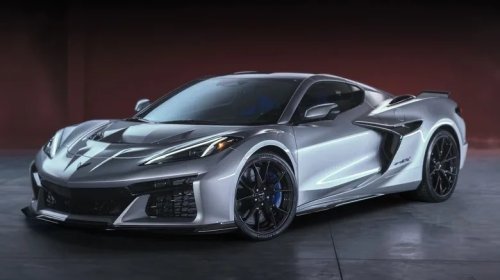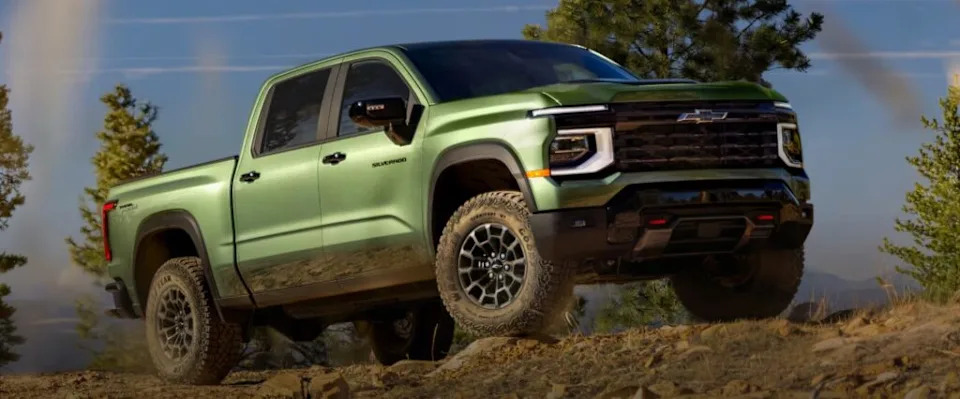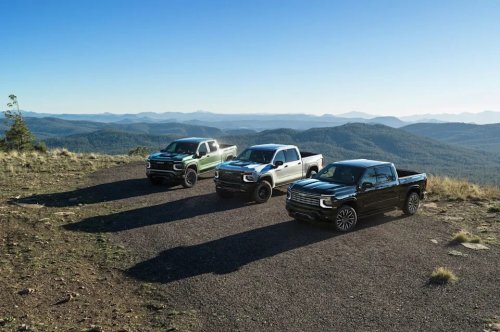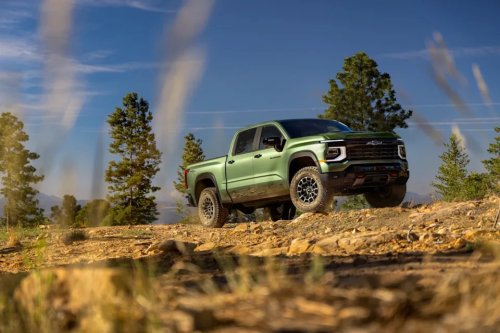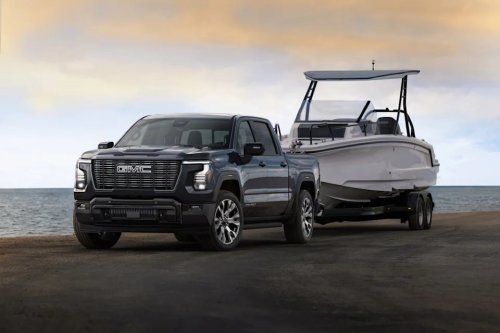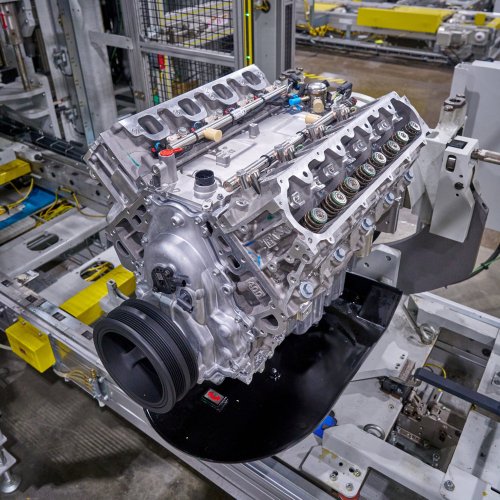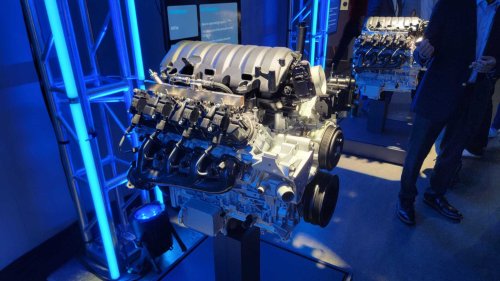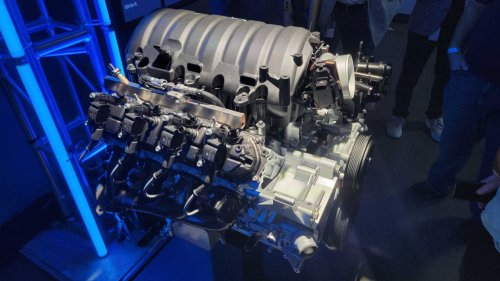



















GM says higher gas prices have not shifted vehicle demand yetYou are watching gasoline prices climb after the war in Iran and might expect a rush toward smaller, thriftier cars. Yet General Motors is telling you that, so far, your buying habits have barely budged. Even with average U.S. fuel prices up about 27 percent in a matter of weeks, the company says demand for its profitable trucks, SUVs, and gas models remains steady. What GM says it is seeing in your showroom choices General Motors ($GM) has told investors that the Iran conflict has triggered a sharp run-up in pump prices, but that the surge has not yet changed what you are choosing to buy. In the company’s words, the Iran war has driven a gas price spike, yet the shift in U.S. auto buying has “not yet” appeared in the sales data, according to a recent update on General Motors ($GM). From the company’s vantage point, you and other Americans are still gravitating toward the same mix of vehicles that you favored before the spike. Internal data that General Motors has referenced suggests that full-size pickups and large SUVs remain in high demand, even as the national average for regular gasoline climbs. Public messaging shared with fans has been blunt: General Motors says rising gas prices are not yet changing what Americans want to buy, a point the company’s team has echoed in social channels such as General Motors says. You see the same message repeated in broader discussions of the market: General Motors says rising gas prices are not yet changing what Americans want to buy, even after the national average for regular fuel has jumped, as highlighted again in a related General Motors says post. How GM explains the lag between gas prices and your behavior Executives at General Motors argue that there is usually a delay before you respond to a fuel shock. Company commentary shared with enthusiasts notes that it typically takes four to six months of sustained high oil prices before you start to think, “Maybe I should go for less mileage,” a view captured in a recent analysis of how Usually it takes time. That lag matters for how you plan your own purchases. If you believe prices might retreat once tensions around Iran ease, you may decide to keep shopping for a Chevrolet Silverado or GMC Yukon instead of trading down to a compact crossover. General Motors is effectively betting that your decision cycle is longer than a few weeks of painful fill-ups, which gives the company room to protect pricing on its big-ticket models. In public comments, General Motors CFO Paul Jacobson has reinforced that narrative, saying the company has not experienced a notable change in sales in recent weeks despite rising gas costs and that you are still showing interest across the portfolio. The company has highlighted that its retail performance has held up and that incentives remain disciplined, which suggests that, for now, your willingness to pay for larger vehicles is intact, as summarized in coverage of General Motors CFO. Inside the sales data that back up GM’s confidence When you look at the numbers General Motors is pointing to, the story aligns with its message. Reports from Peoria, IL, USA 1470 & 100.3 WMBD describe how General Motors has told analysts that gas price hikes are not impacting sales, even as the conflict in Iran rattles energy markets. The company’s commentary, carried in that Peoria, USA 1470 & 100.3 WMBD coverage, underscores that showroom traffic and order books remain steady, according to a report filed Kalea Hall and for Reuters. Additional analysis of the company’s outlook notes that General Motors has been able to maintain pricing power and that its mix of higher-margin trucks and SUVs remains strong. Commentary framed as GM Sales Resilient Despite Surging US Gas Prices explains how the CFO confirms stable sales amid fuel cost increase, with General Motors still preparing to launch new full-size models even as you face higher costs at the pump, as described in the summary of CFO Confirms Stable. Market watchers who track trading data through tools such as QuiverQuant see the same resilience reflected in sentiment around the stock. The platform that was discovered through the citation trail for the Iran war coverage provides a snapshot of how investors interpret the message that the Iran war has driven a gas price spike yet has not shifted auto buying, as highlighted in Discovered, Says Iran. Why your appetite for trucks and SUVs seems so sticky If you are still choosing a big truck with a V8, you are not alone. Commentary aimed at car shoppers notes that, despite massive spikes at the pump and global geopolitical chaos, General Motors claims American buyers are not flinching. Analyst Alex has framed the company’s stance in stark terms: GM says you literally do not care about expensive gas as prices rise 27 percent, because you continue to prioritize capability, size, and comfort when you walk into a dealership, according to an opinionated breakdown of how Despite massive spikes have not slowed sales of their full-size trucks. Your decision often reflects more than fuel prices. If you need to tow, haul family, or commute long distances, a small efficiency gain may not outweigh the utility you get from a Chevrolet Tahoe or GMC Sierra. Many households also locked in lower interest rates on existing vehicles, which can delay any reaction to higher fuel costs. General Motors is leaning into that reality, keeping its marketing focus on capability and technology rather than pivoting overnight to fuel economy slogans. At the same time, the company is aware that your patience with high prices has limits. Its own guidance that it usually takes four to six months for behavior to change is a reminder that, if the Iran conflict keeps oil elevated, you may start to rethink your next purchase later this year. For now, though, the company reads your behavior as a vote of confidence in the vehicles you already want. How this interacts with GM’s electric vehicle strategy The current gas shock lands at an awkward moment for General Motors’ electric plans. Earlier this year, the company acknowledged that it expects “significantly” lower EV volume in 2026 after a costly strategic shift that resulted in more than 7 billion dollars in related charges. That guidance, shared with EV enthusiasts, shows that General Motors expects significantly lower EV volume in 2026 even as fuel prices climb, as described in a post that General Motors expects. You might assume that a 27 percent jump in gas prices would turbocharge interest in electric models like the Chevrolet Blazer EV or Cadillac Lyriq. Instead, General Motors is signaling that it will temper EV production while still describing electrification as a long-term priority. Mary Barra Says EVs Remain GM’s North Star Despite 2025 Headwinds, and she has emphasized in Detroit that the company is not backing away from its commitment to electrification, even if near-term demand is choppy, as reflected in coverage of Mary Barra Says. In a separate discussion, Barra has also made clear that if EV demand lessens, General Motors would happily ramp up gas vehicle production. For you, that means the company is prepared to supply more traditional models if you hesitate on an EV purchase, a stance she outlined in remarks reported in late January, summarized in Jan, Barra. What higher gas prices should mean for your next move If you are shopping for a vehicle right now, General Motors’ stance gives you a few practical signals. Because the company does not yet see a shift in demand, you should not expect immediate bargains on full-size trucks and SUVs. Models like the Chevrolet Silverado 1500 and GMC Yukon remain central profit engines, and General Motors has little incentive to discount them aggressively while you and other buyers keep ordering them. More from Fast Lane Only Unboxing the WWII Jeep in a Crate 15 rare Chevys collectors are quietly buying 10 underrated V8s still worth hunting down Police notice this before you even roll window down