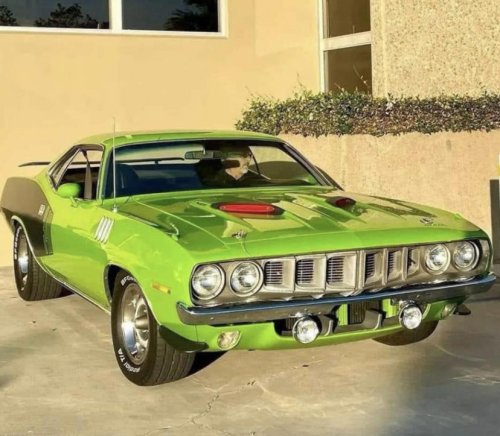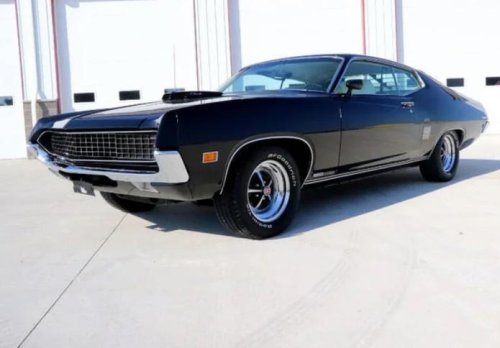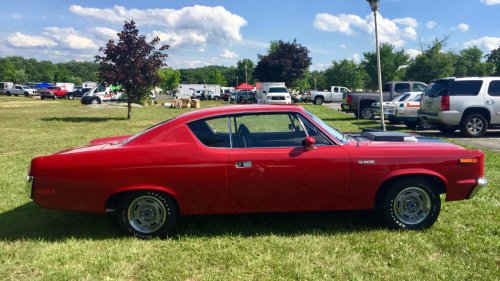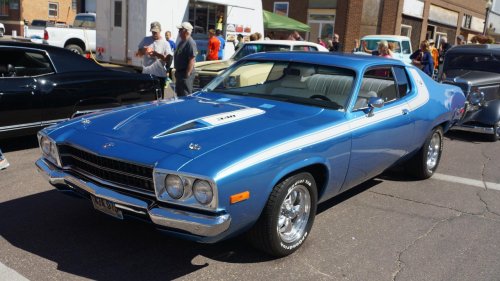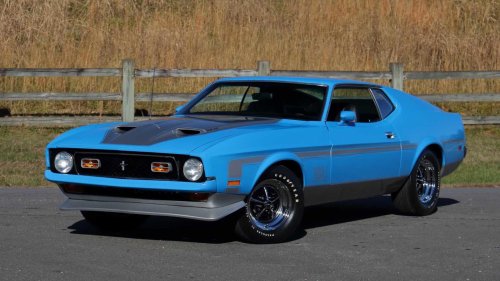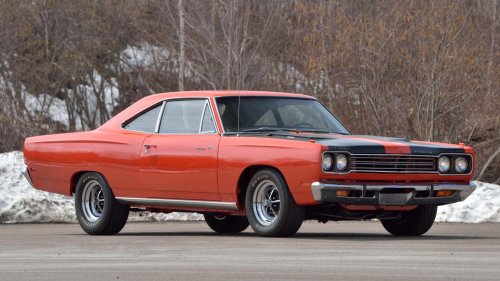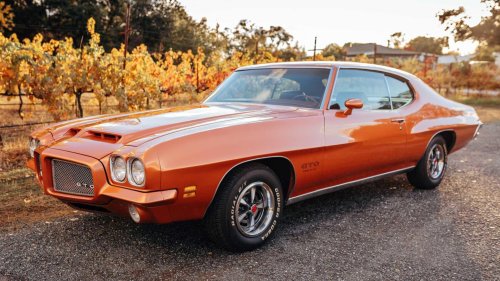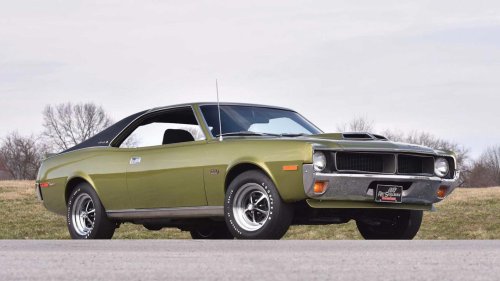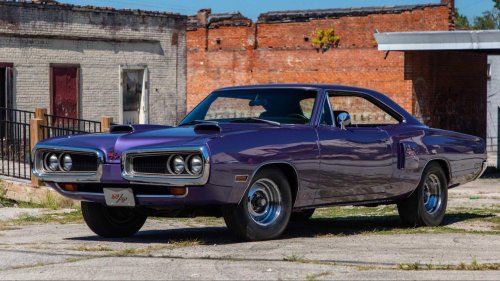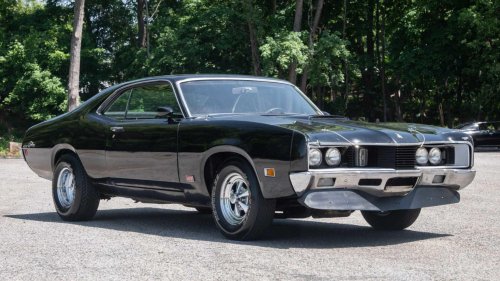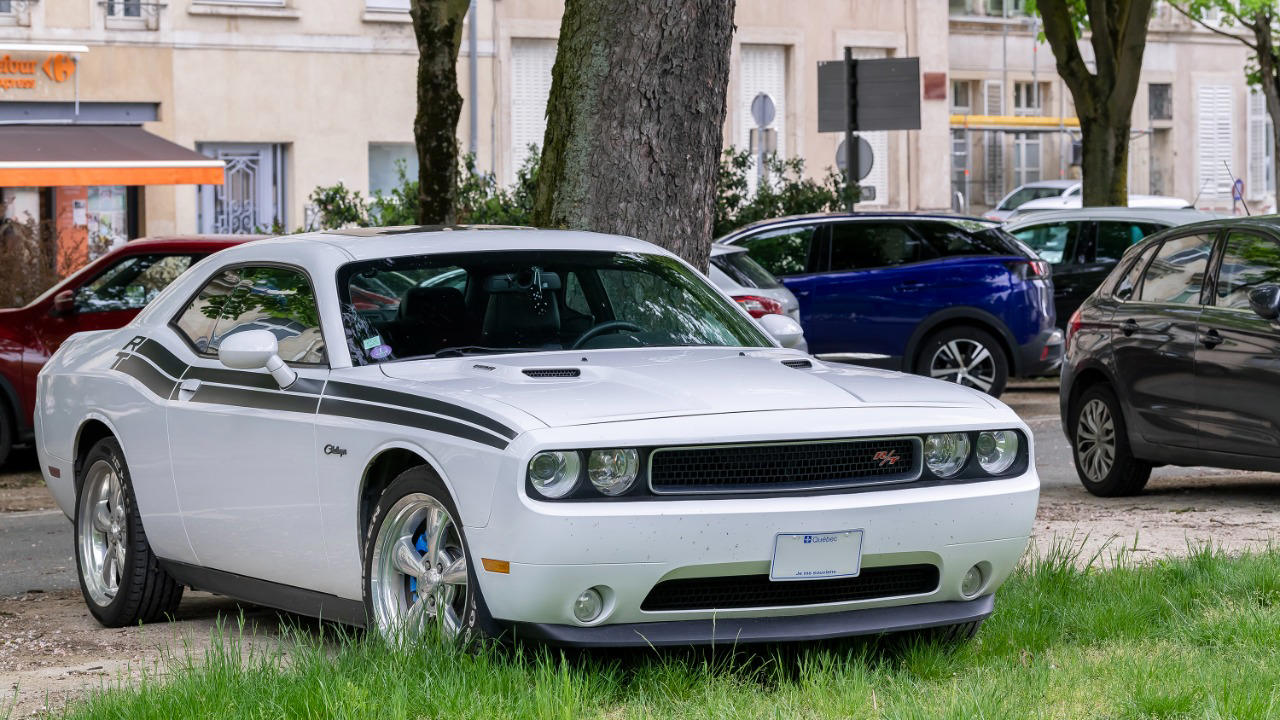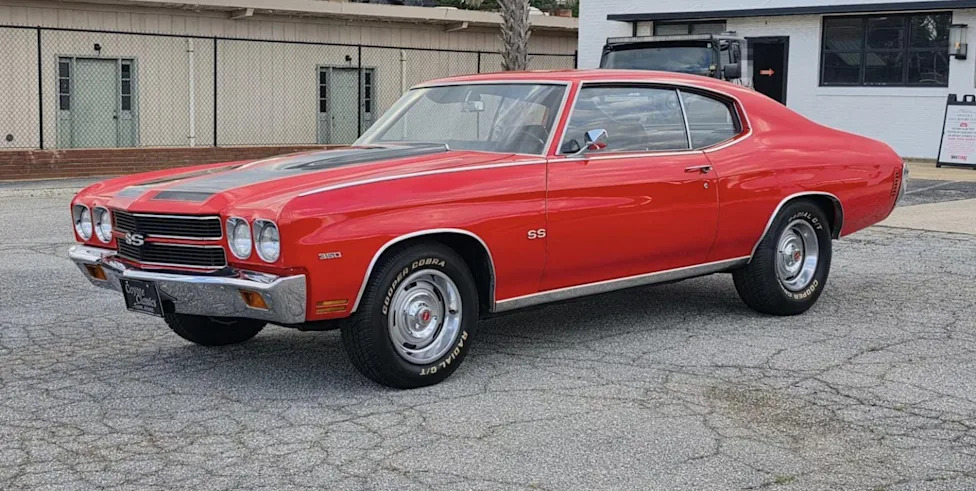






















The allure of muscle cars goes beyond their roaring engines and sleek designs; it extends to the evocative names that often accompany them. However, some of these powerful machines never received the iconic names they deserved. In exploring the fascinating stories behind muscle cars left unnamed, one finds a rich history of innovation and influence that these unique vehicles have had on the automotive landscape.The Concept Cars That Never Made ItAutomotive history is replete with concept cars that showcased groundbreaking innovations but never reached production. These prototypes often served as a testing ground for daring designs and technological advancements. Despite their potential, many of these vehicles remained unnamed, living on only in the memories of car enthusiasts and collectors. Concept cars like the Chevrolet Aerovette and Ford Mustang I are prime examples. Although they never hit the assembly line, their design elements influenced future models, leaving a lasting impression on the industry. These unnamed prototypes played a crucial role in shaping the direction of automotive design. The Aerovette, for instance, introduced ideas that were later incorporated into the Chevrolet Corvette C4. Similarly, the Mustang I’s futuristic styling cues found their way into the iconic Ford Mustang. Without official names, these concept cars became unsung heroes, their influence evident in the evolution of subsequent muscle car models.Missed Marketing OpportunitiesIn the world of muscle cars, branding is crucial. A well-chosen name can evoke emotions, create an identity, and even dictate a car’s success in the market. Yet, some muscle cars missed the mark due to the absence of a name. Marketing strategies that overlooked the importance of naming often found their vehicles struggling to make an impact. Without a memorable moniker, these cars lacked the identity needed to capture the public’s imagination. Consider the case of the AMC AMX/3, a prototype that never received a proper name before it was shelved. Despite its promising design and performance capabilities, the car couldn’t establish a foothold in the market. A strong name might have altered its trajectory, allowing it to thrive alongside other muscle car legends. The absence of a name left a void that branding could have filled, highlighting the pivotal role that marketing plays in the automotive industry.The Future of Muscle CarsThe automotive industry is in a state of constant change, with new trends and technologies reshaping the landscape. As muscle cars evolve, the tradition of unnamed vehicles may fade, replaced by innovative naming conventions that resonate with contemporary audiences. Manufacturers are increasingly recognizing the significance of branding, crafting names that capture the essence of their vehicles while appealing to a global market. Looking ahead, the legacy of unnamed muscle cars will continue to influence design and marketing strategies. While these vehicles may not have received the recognition they deserved in their time, their impact is undeniable. As the industry embraces new trends, the lessons learned from the past will inform future decisions, ensuring that the spirit of muscle cars lives on.The Legacy of the UnnamedDespite their lack of official names, unnamed muscle cars have left an indelible mark on automotive history. These vehicles continue to hold a special place in the hearts of enthusiasts and collectors, who celebrate their unique qualities and contributions. Car shows, museums, and private collections honor these unnamed giants, preserving their legacy for future generations to admire. As I reflect on the enduring appeal of muscle cars that were never named, it’s clear that their story is far from over. These vehicles have transcended their anonymity, becoming symbols of innovation and resilience. By embracing their legacy, the automotive industry ensures that the spirit of these unnamed icons will inspire future generations of car enthusiasts and creators alike. Like Fast Lane Only’s content? Be sure to follow us.