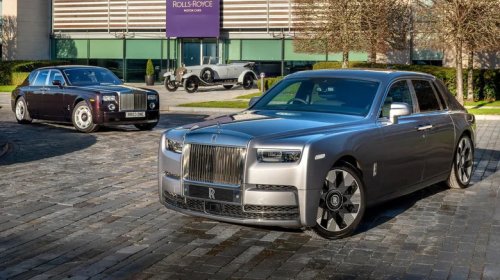
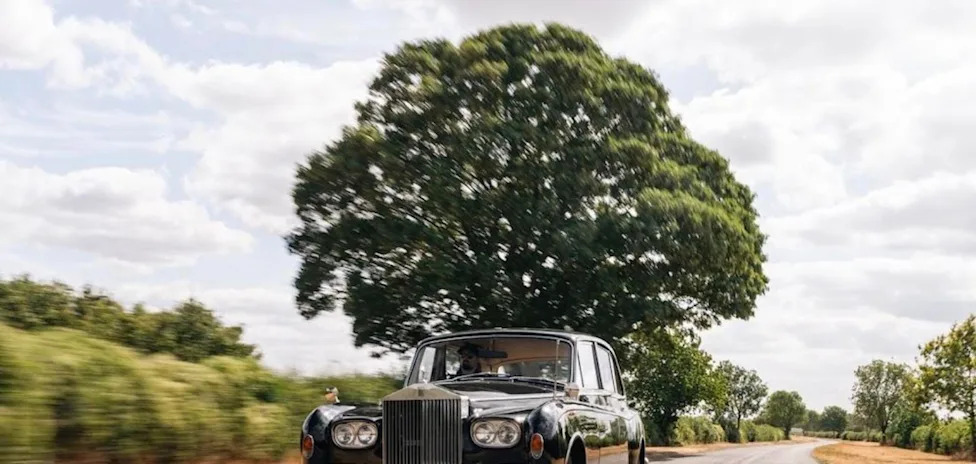
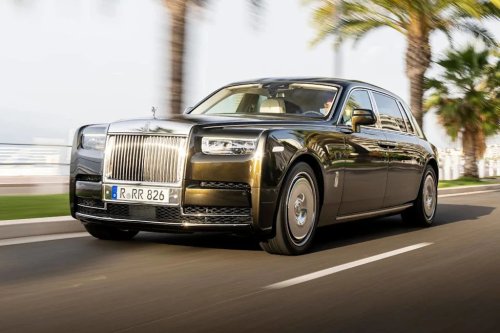
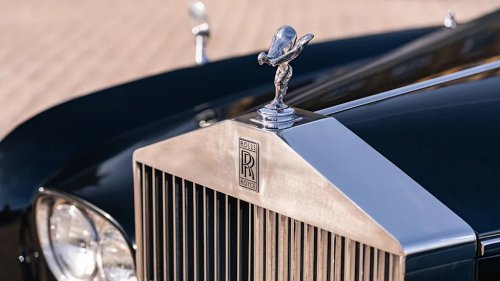
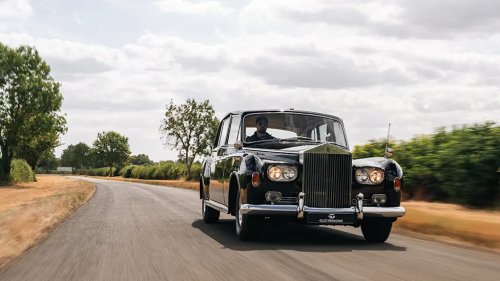
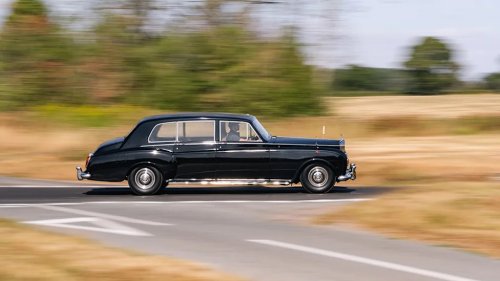
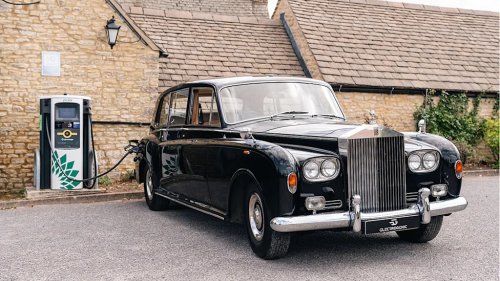
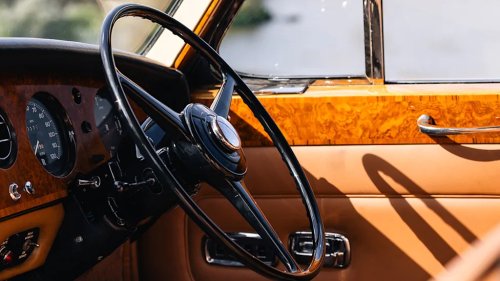
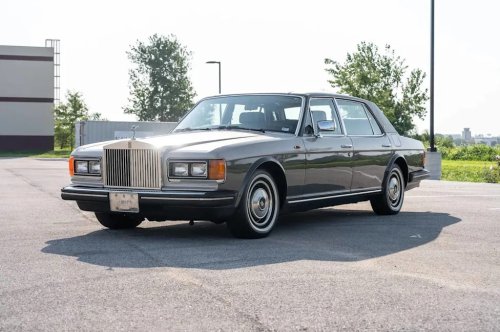
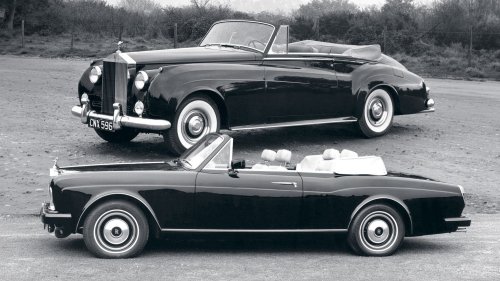
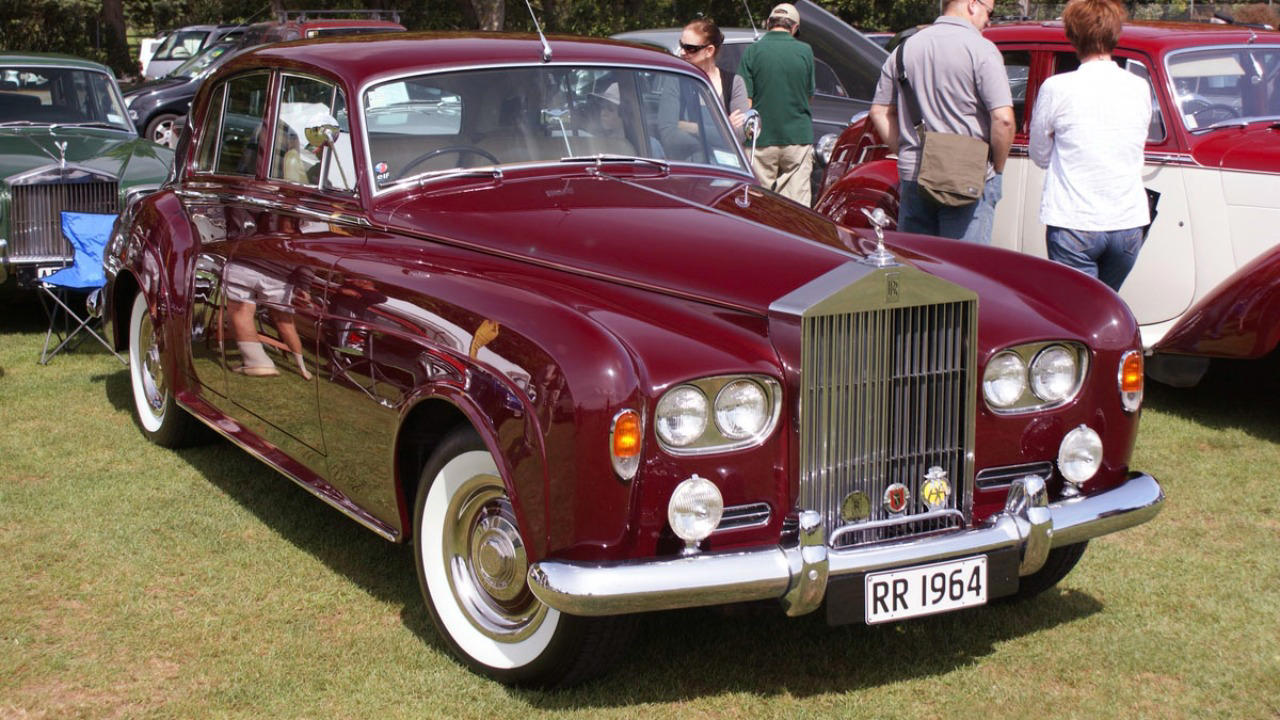
The 1964 Rolls-Royce Silver Cloud III arrived at a turning point for luxury motoring. It preserved the upright formality and handcrafted aura that defined earlier Rolls-Royce saloons, yet it quietly introduced the sharper styling, stronger performance, and easier maintenance that a new decade demanded. As the final evolution of the Silver Cloud line, it carried tradition into a new era without surrendering the brand’s carefully cultivated mystique. Viewed today, the car reads as both a farewell and a preview. It closed the chapter on separate-chassis, coachbuilt-friendly Rolls-Royce saloons, while its engineering and design updates pointed toward the more modern Silver Shadow that followed. That dual character is what makes the 1964 Rolls-Royce Silver Cloud III such a compelling case study in how a conservative marque adapts without losing its identity. The last and most developed Silver Cloud The Silver Cloud story began in the mid 1950s, when Rolls-Royce replaced its postwar models with a cleaner, more standardized saloon that still allowed for bespoke coachwork. The first Silver Cloud established the basic formula of a separate chassis, smooth six-cylinder power and a stately, almost architectural body. Continuous development followed, and by the time the Silver Cloud III arrived, that process had run for nearly a decade. Enthusiasts who track the model’s evolution often describe the Silver Cloud III as the culmination of a program that started with the original Silver Cloud in 1955. One detailed account of the Silver Cloud III stresses that the final version did not break with its predecessors so much as refine them, with incremental changes to power, lighting and interior comfort layered on a familiar platform. The name The Silver Cloud III itself signaled continuity, but the car’s details told a more forward-looking story. Production of the Rolls Royce Silver Cloud III ran from 1963 into the middle of the decade, and 1964 cars sit right at the heart of that run. A marketplace listing that describes a 21-years-owned example notes that the 1964 Rolls Royce Silver Cloud III belongs to the final iteration of the Silver Cloud line, produced from 1963 to 1966, and frames the model as the closing chapter of the separate-chassis Silver Cloud series. That context helps explain why collectors treat 1964 cars as sweet-spot examples, modern enough to drive yet still deeply traditional. Sharper styling, familiar presence Visually, the 1964 Rolls-Royce Silver Cloud III walked a careful line. At first glance it looked almost identical to the Silver Cloud II, with the same long bonnet, formal roofline and gently tapering rear wings. The essence of the silhouette remained intact, which reassured conservative buyers who expected a Rolls-Royce to project continuity and restraint. Look closer, however, and the changes become clear. The front end adopted a four-headlamp layout, with the headlights grouped in a quad arrangement that would later be continued on the Silver Shadow. As a period model guide explains, Three years after the 1959 arrival of the Rolls Royce Silver Cloud II and Bentley S2 came the logically named Silver Cloud III and its Bentley sibling, and both gained those four lamps to improve illumination and give the cars a subtly more modern face. The lamps sat slightly higher and closer together, which visually lowered the grille and made the car appear less upright without altering its core proportions. Contemporary testers noticed that the Silver Cloud III looked leaner than earlier versions. A detailed road test of the Rolls Royce Silver Cloud line remarks on the subtle trimming of the body, including slightly revised front wings and a cleaner rear treatment that reduced visual bulk. In that account of a Silver Cloud road, the car is still described as imposing, but with hints of the sleeker style that would soon define luxury saloons in the late 1960s. For many buyers, that balance of familiarity and freshness was the appeal. The car still looked at home outside a country house or a city club, yet it no longer felt like a relic from the immediate postwar period. The 1964 Rolls-Royce Silver Cloud III signaled that the company understood changing tastes without yielding to fashion. Mechanical refinement and real-world performance Under the bonnet, the Silver Cloud III continued with the all-alloy V8 that had replaced the earlier six in the Silver Cloud II. Rolls-Royce never published full power figures in period, preferring to emphasize smoothness and silence, but independent testing and later documentation point to a meaningful increase in performance for the final series. A buyer’s guide that examines the Silver Cloud range notes that the V8, paired with a four-speed automatic, could move the car from 0 to 60 mph in 11.5 seconds and on to a top speed of about 110 mph. The same guide stresses that More relevant was the strong low and mid-speed acceleration, which mattered more in daily use than outright numbers. That combination of respectable pace and effortless response helped the Silver Cloud III feel less ponderous than its size suggested. Chassis updates also mattered. A factory-style specification sheet for a 1964 Rolls-Royce Silver Cloud III Standard Steel saloon records that chassis lubrication intervals were increased to 10,000 miles after the former one-shot Bijur pedal pump system was replaced by a network of individual grease points. The document notes that this change reduced routine maintenance demands, a small but telling example of how the company was modernizing ownership without altering the driving character. On the road, period and modern impressions align around the same themes. A contemporary video of a Rollsroyce Silver Cloud in use, presented by Teddon in partnership with Bond Group in Waltham Massachusetts, highlights the car’s relaxed gait, light steering at speed and surprisingly secure braking for a large 1960s saloon. Viewers see how the car accelerates with a smooth, almost electric surge rather than a dramatic roar, a trait that has long defined Rolls-Royce refinement. Inside the cabin: tradition perfected If the exterior hinted at change, the interior of a 1964 Rolls-Royce Silver Cloud III doubled down on tradition. The cabin layout followed the established Rolls-Royce pattern: a broad, upright dashboard clad in polished wood, a thin-rimmed steering wheel and a bench-like front seat that encouraged a relaxed driving posture. Switchgear remained discreet, with small chrome levers and neatly labeled pull knobs rather than large plastic buttons. Detailed descriptions of specific cars underline how consistent this approach was. One listing for a 1964 ROLLS ROYCE SILVER CLOUD III SALOON, chassis number SJR-293, emphasizes the quality of the ROLLS ROYCE SILVER CLOUD III SALOON interior, from deep wool carpets to finely grained veneers. The reference to chassis 293 helps ground the narrative in a real car rather than an idealized brochure example, yet the description matches what owners and restorers report across the model. Comfort was not just about materials. The Silver Cloud III benefited from incremental improvements in heating, ventilation and sound insulation that made it quieter and more habitable in varied climates. A video titled Timeless Luxury that follows a 1964 Rolls Royce Silver Cloud III in motion notes that the model, Produced between 1963 and 1966, represents the final and most refined evolution of the iconic Sil series, with cabin isolation and ride quality that still feel impressive decades later. Rear passengers remained the real priority. Legroom in the back was generous, the rear bench was shaped for two primary occupants with space for a third, and many cars carried optional features such as folding picnic tables and reading lamps. The ambience communicated that the owner might be in the rear seat rather than behind the wheel, even if many Silver Cloud IIIs ended up as owner-driven cars. Coachbuilt elegance and auction appeal Although most Silver Cloud IIIs wore standard steel saloon bodies, the separate chassis allowed specialist coachbuilders to create more individual designs. James Young, Mulliner Park Ward and others produced elegant two-door saloons, drophead coupes and limousines that combined the Silver Cloud III’s mechanicals with bespoke styling. A social media post that celebrates a 1964 Rolls Royce Silver Cloud III James Young describes the model as representing the pinnacle of luxury and refinement in the series, and the accompanying images show a more flowing roofline and delicately framed glass compared with the standard saloon. These coachbuilt versions are rarer and often command higher prices, but they share the same underlying chassis and drivetrain as the mainstream cars. At the top end of the market, auction houses continue to feature Silver Cloud IIIs as part of curated selections of postwar Rolls-Royce models. One overview of post-war Rolls describes how examples from two centuries of luxury tell a story of evolving taste, with the Silver Cloud series sitting at the hinge point between coachbuilt tradition and more standardized modern production. In that context, the 1964 Rolls-Royce Silver Cloud III reads as both a collectible artifact and a usable classic. A separate feature on a specific 1964 Rolls Royce Silver Cloud III motorcar highlights how individual provenance can enhance appeal. The car is described as TRUSTED TO DELIVER EXCELLENCE, language that reflects both the brand’s marketing heritage and the expectations of buyers who seek a reliable, well-documented example. The listing, hosted by Lion and Unicorn, underscores how auction narratives lean on themes of continuity and craftsmanship when presenting Silver Cloud IIIs to bidders. Driving experience in the modern era Modern road tests and owner accounts show that a well-maintained 1964 Rolls-Royce Silver Cloud III remains a genuinely usable car. A detailed evaluation of the Silver Cloud range notes that, while the car is large and heavy, it feels surprisingly manageable in traffic thanks to light steering and a smooth automatic gearbox. The same assessment points out that the car’s strong low and mid-range torque suits modern roads, where quick bursts of acceleration to join traffic matter more than high-speed cruising. Another feature that profiles the 1964 Silver Cloud emphasizes its position as the final iteration of the line, introduced toward the end of 1962 and benefiting from cosmetic changes and ongoing mechanical refinement. That narrative frames the car as the most resolved version of the Silver Cloud concept, with the fewest rough edges and the most practical updates for long-term use. Video content reinforces those impressions. A film titled Timeless Luxury that follows a 1964 Rolls Royce Silver Cloud III in motion shows the car gliding through contemporary traffic with ease, its V8 barely audible and its suspension absorbing imperfections that unsettle many modern vehicles. The presenter notes how the car’s character encourages unhurried driving, yet its performance reserves mean it never feels out of its depth. Owners who have kept their cars for decades echo that view. The 21-years-owned Rolls Royce Silver Cloud III mentioned earlier is presented not just as a collector’s piece but as a trusted companion that has served its keeper over a long period. That kind of long-term relationship is common in Silver Cloud circles, where cars often stay in the same family or enthusiast community for many years. More from Fast Lane Only Unboxing the WWII Jeep in a Crate 15 rare Chevys collectors are quietly buying 10 underrated V8s still worth hunting down Police notice this before you even roll window down


















 +53 others