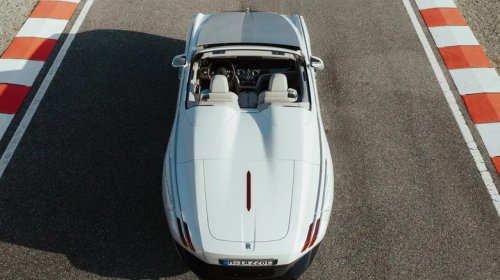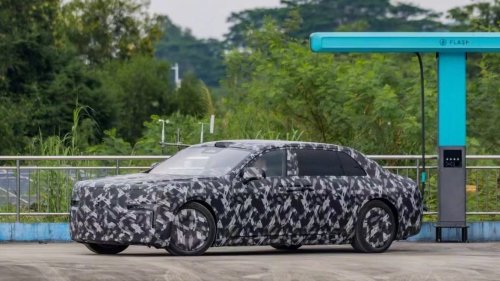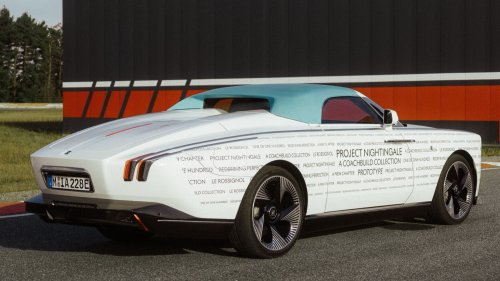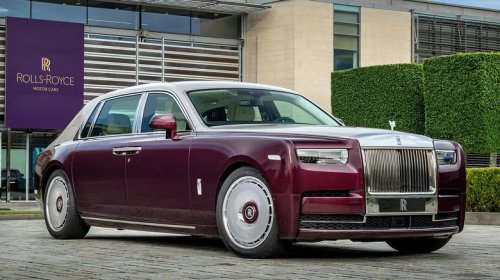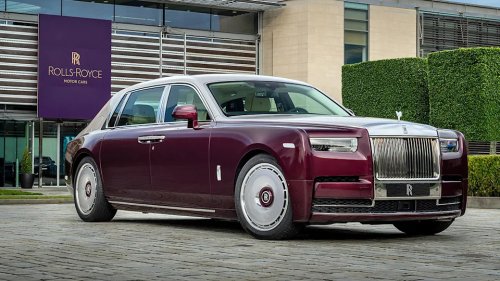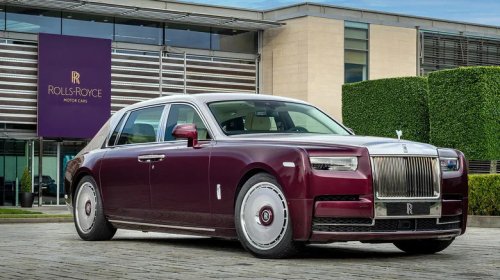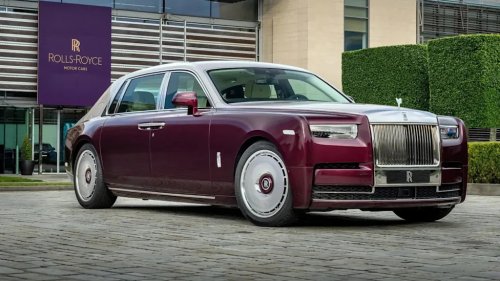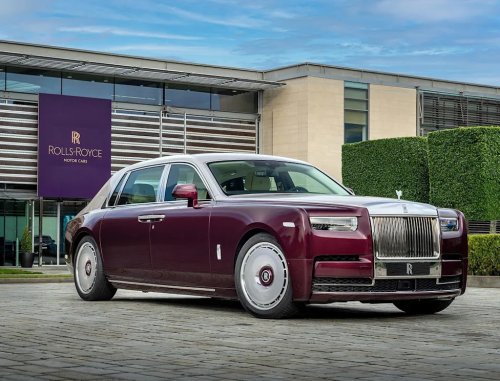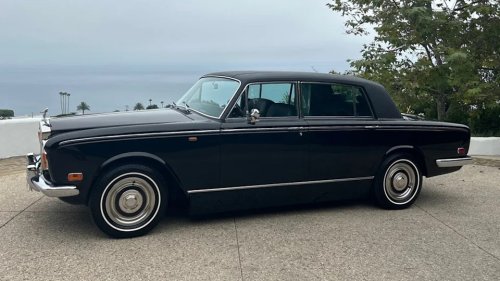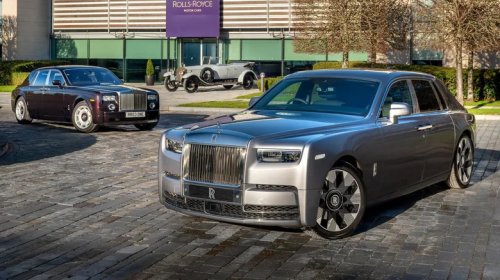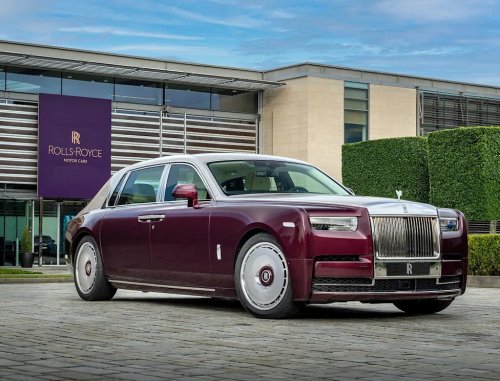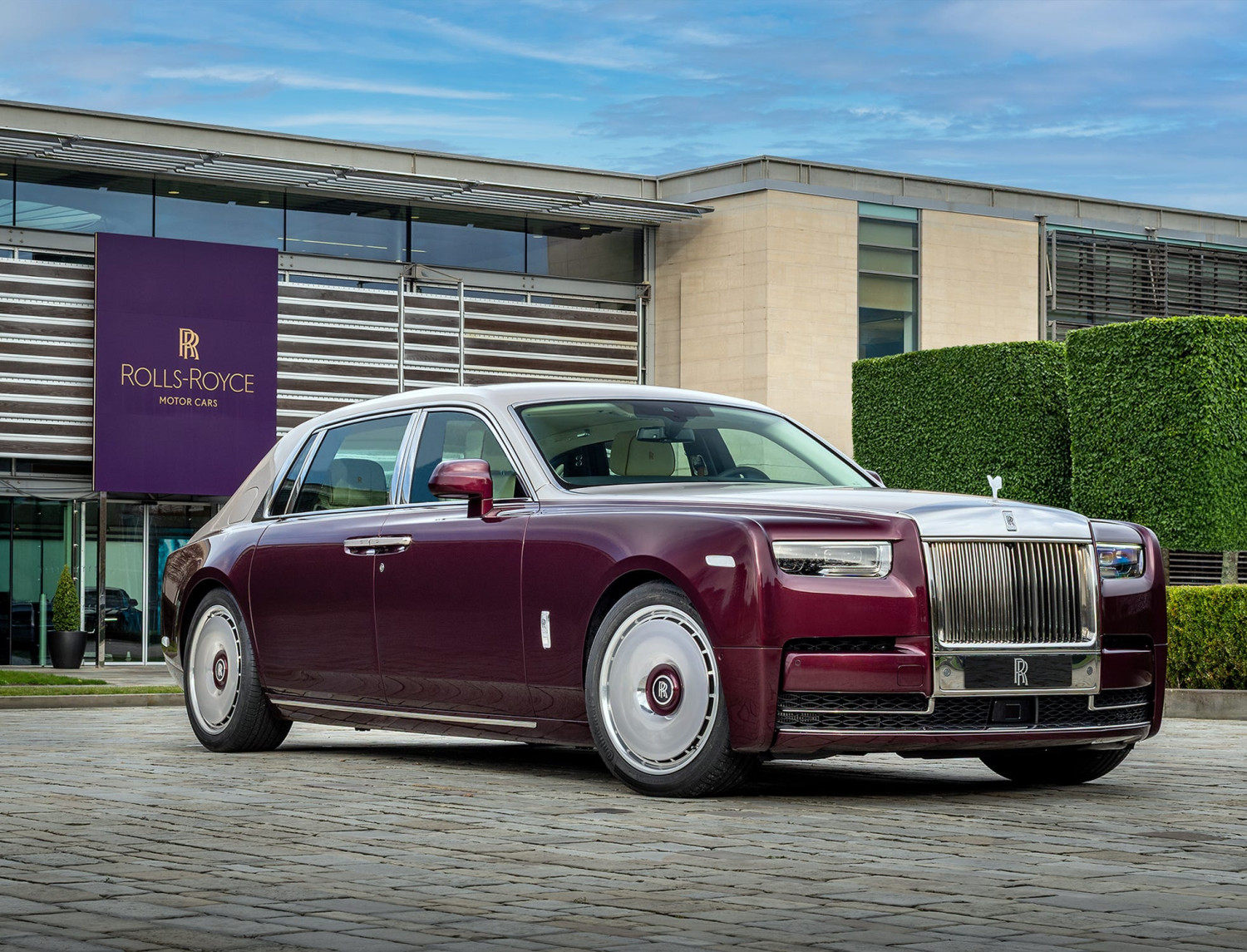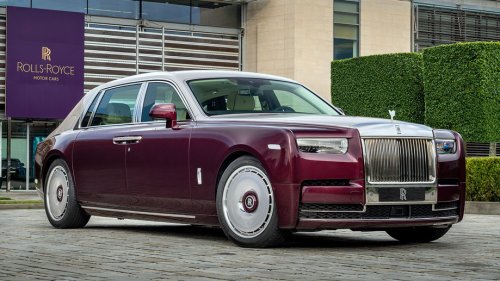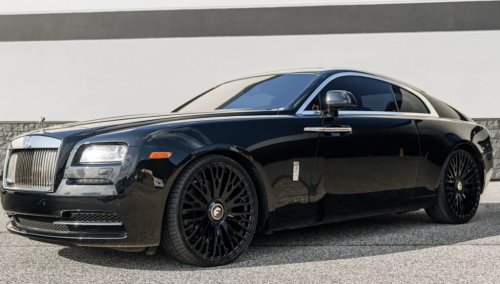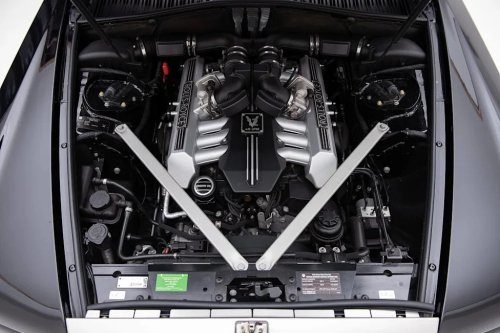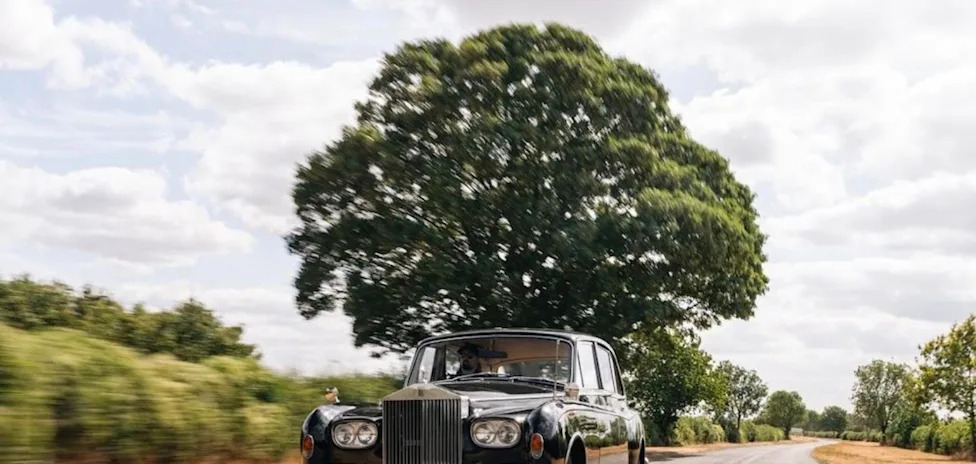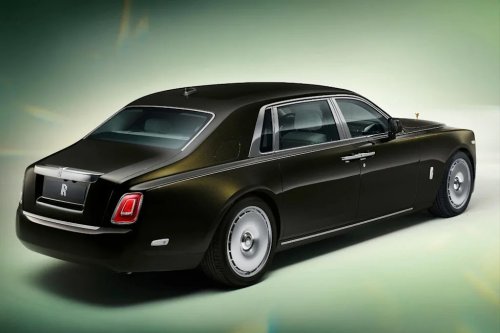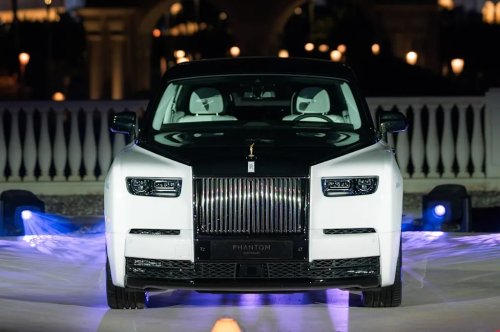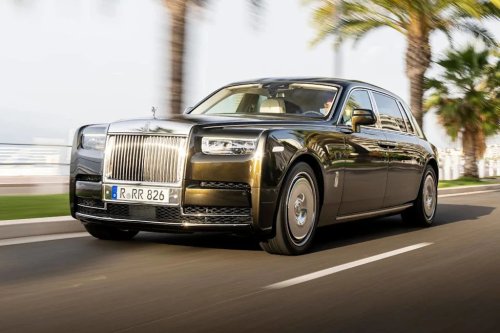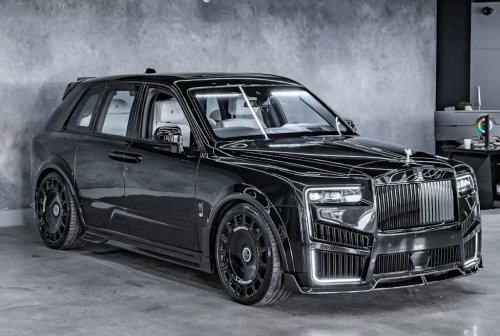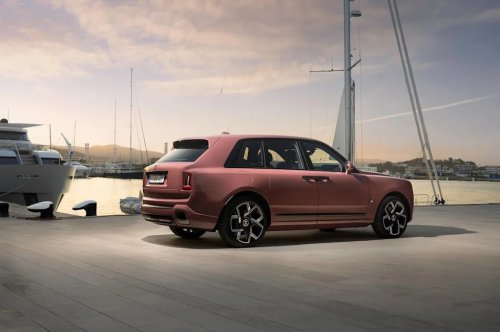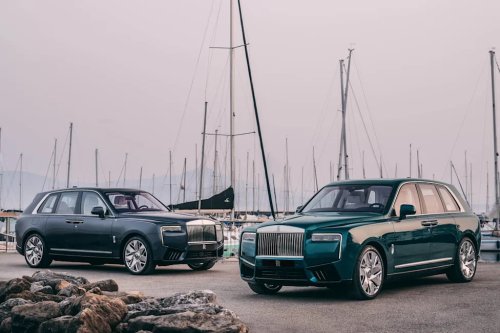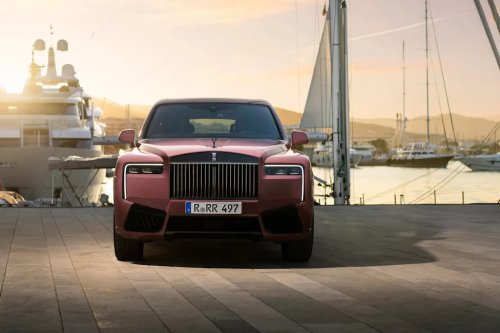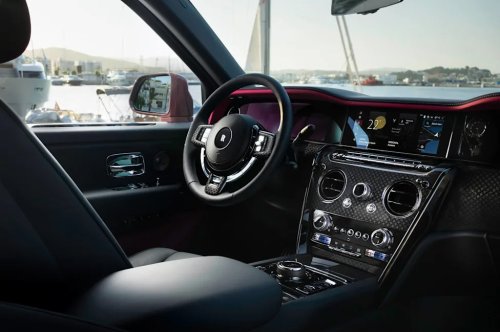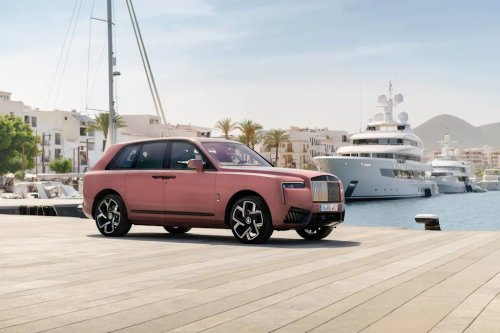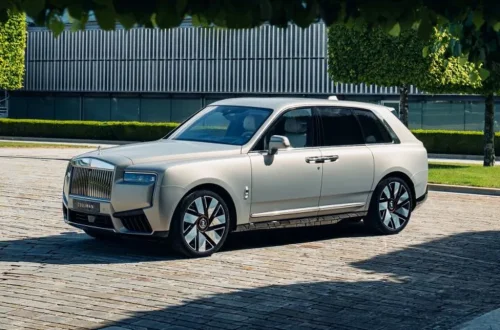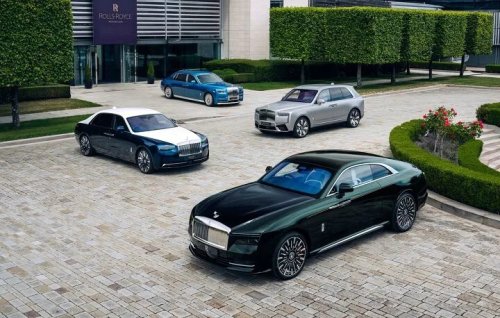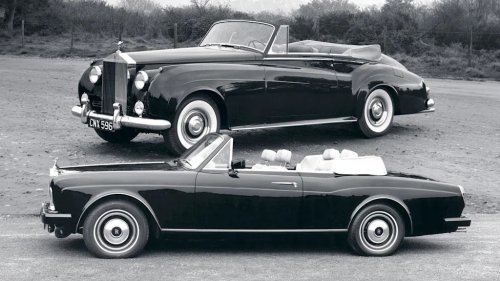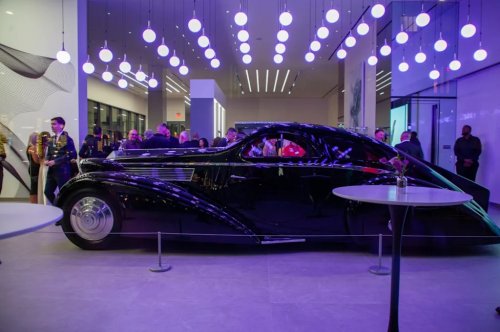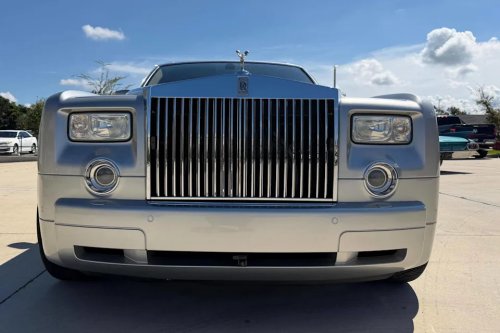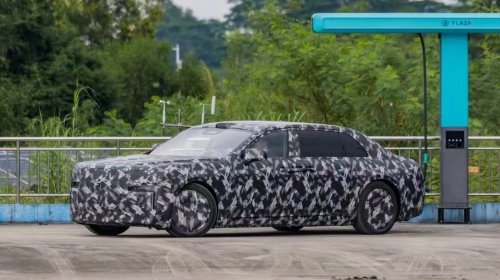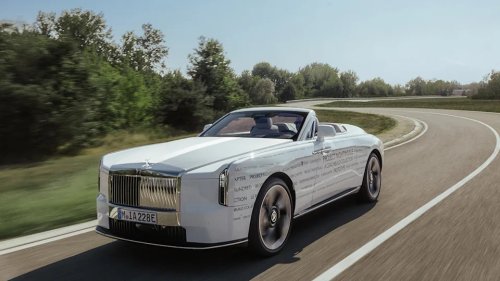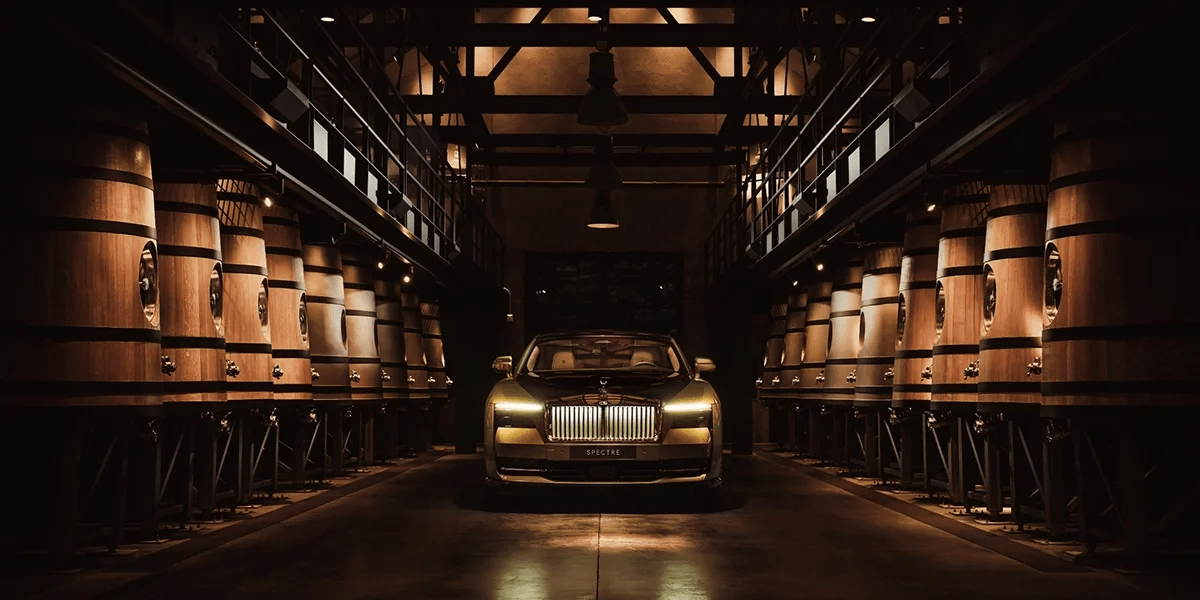
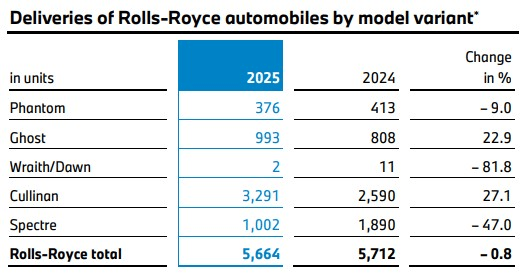
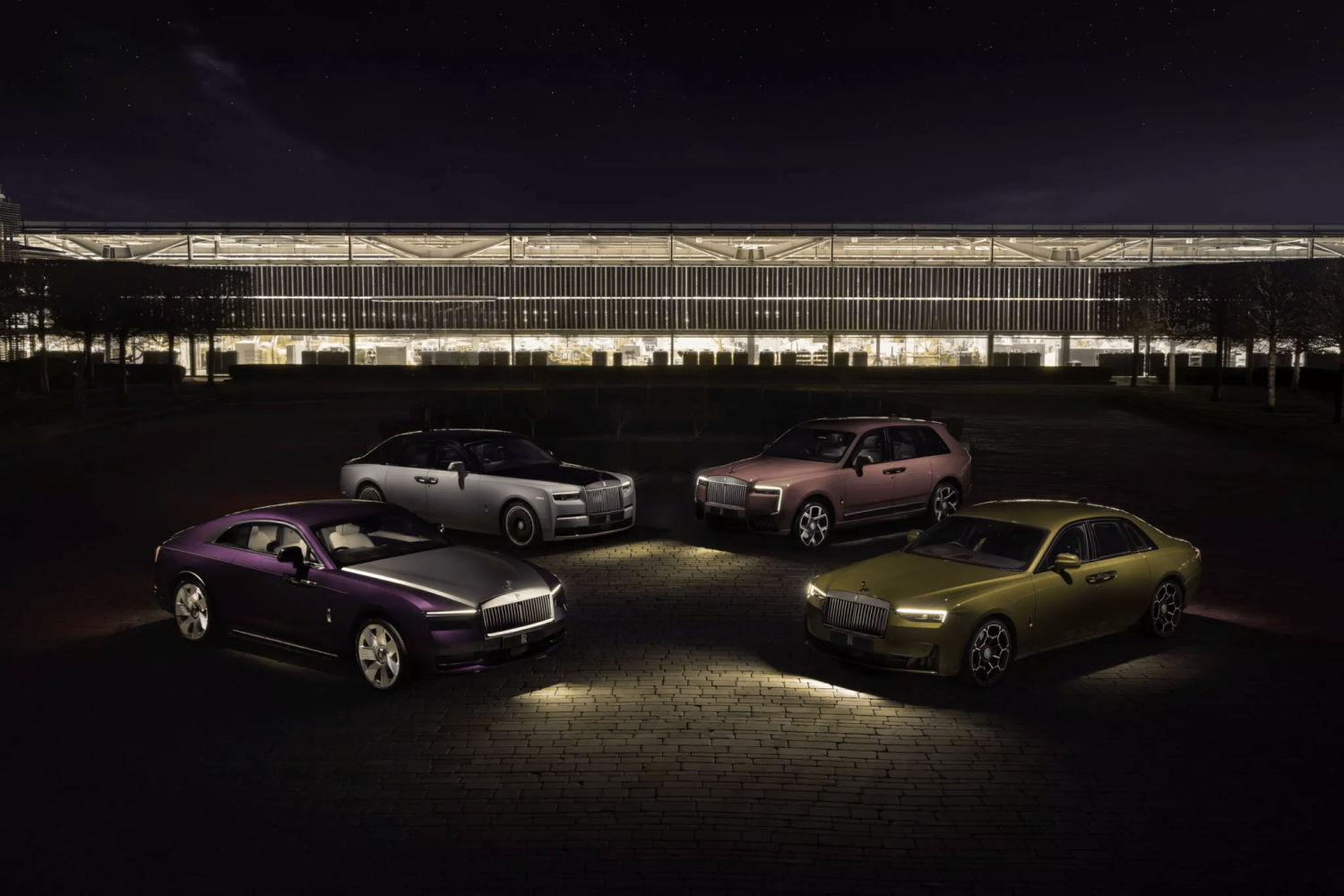



















On March 23, responding to reports that it had scrapped its plan to become a fully electric brand by 2030, Rolls-Royce China told domestic media that the company’s electrification direction remains unchanged and it will continue to launch electric vehicle products. At the same time, amid evolving policies and regulations across global markets, Rolls-Royce confirmed that the lifecycle of its V12 engines will be extended into the next decade. Rolls-Royce introduced its first fully electric model, the Spectre, in 2022. At the time, then-CEO Torsten Müller-Ötvös announced that the brand would phase out internal combustion engine vehicles by the end of 2030. Rolls-Royce Spectre Following a leadership change, new CEO Chris Brownridge has emphasized a customer-driven approach, maintaining the brand’s bespoke, build-to-order model. Under this strategy, V12 engines will remain a long-term component of the product portfolio. The shift reflects changes in both policy and market dynamics. In the United States, the target for electric vehicles to account for 50% of sales by 2030 has been withdrawn. Meanwhile, the European Union has softened its stance on the 2035 ban on internal combustion engine vehicles, signaling a more gradual industry transition. At the same time, customer preferences in the ultra-luxury segment remain a decisive factor. For this group, internal combustion engines are not merely a powertrain choice but an integral part of the brand experience. Deliveries of Rolls-Royce automobiles by model variant for 2025 and 2024 Sales performance has also influenced the reassessment. In 2025, global deliveries of the Spectre fell 47% year-on-year to just 1,002 units, prompting Rolls-Royce to reconsider the pace of full electrification. Rolls-Royce is not alone in adjusting its strategy. Other ultra-luxury automakers, including Bentley, Ferrari and Lamborghini, have similarly delayed or scaled back their electrification timelines. Rolls-Royce lineup Bentley has shifted its focus toward plug-in hybrid and internal combustion powertrains, significantly slowing its transition to full electrification. As of March, its first fully electric model is still scheduled for early 2027, while the second has been postponed to beyond 2030. Lamborghini has also confirmed that its planned all-electric SUV, Lanzador, will transition to a plug-in hybrid approach, with its launch delayed to 2029. For Rolls-Royce, the latest move represents more of a recalibration than a reversal—maintaining its electrification trajectory while allowing a longer transition period for traditional powertrains.